
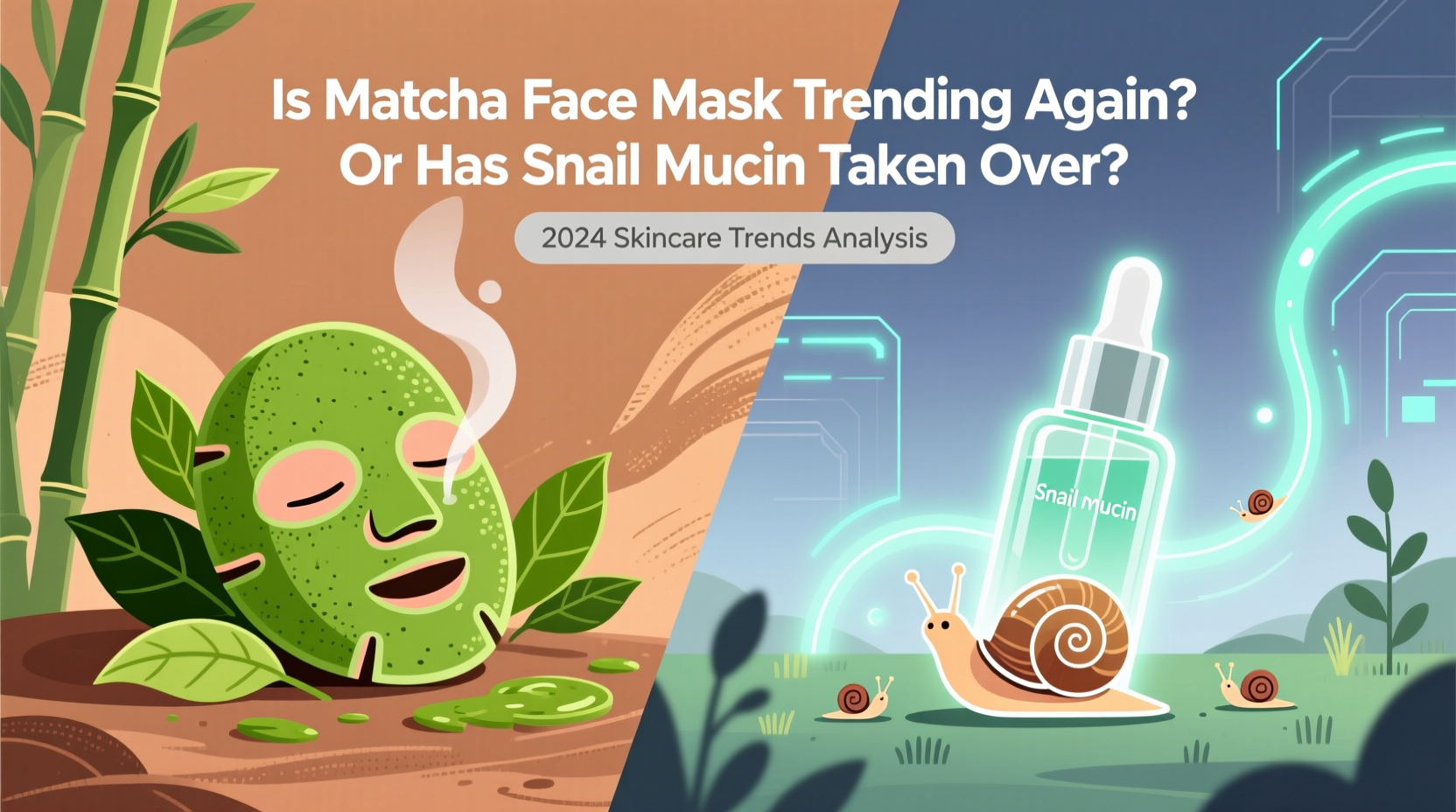
In the ever-evolving world of skincare, ingredients rise and fall like tides. One moment, green tea extracts dominate social media feeds; the next, translucent goo from garden snails is hailed as a miracle cure. Matcha face masks were once the darling of clean beauty enthusiasts—praised for their antioxidant power and soothing properties. But now, snail mucin has surged in popularity, appearing in serums, essences, and overnight treatments across K-beauty and Western brands alike. So where does that leave matcha? Has it faded into obscurity, or is there a resurgence on the horizon?
This isn’t just about fleeting trends—it’s about efficacy, skin compatibility, and understanding what each ingredient truly brings to your routine. To answer whether matcha masks are making a comeback or if they’ve been dethroned by snail mucin, we need to look beyond hype and examine science, consumer behavior, and dermatological insight.
The Rise and Resilience of Matcha in Skincare
Matcha, a finely ground powder made from shade-grown green tea leaves, has long been celebrated in traditional Japanese culture—not only as a beverage but also for its medicinal properties. In skincare, matcha gained traction due to its high concentration of catechins, particularly epigallocatechin gallate (EGCG), a potent antioxidant known to neutralize free radicals and reduce inflammation.
When applied topically, matcha can help calm irritated skin, protect against environmental stressors like pollution and UV exposure, and even support oil regulation in acne-prone complexions. Its natural green hue became symbolic of “clean” and “natural” beauty movements, fueling viral interest in DIY face masks and commercial products alike.
However, after peaking around 2019–2021, matcha-based skincare saw a dip in mainstream visibility. Social media algorithms favored newer, more visually striking ingredients—especially those with a “wow” factor. Enter: snail mucin.
Snail Mucin: The Unlikely Superstar
Derived from the secretion of *Cryptomphalus aspersa*, commonly known as the garden snail, snail mucin might sound unappealing at first glance. Yet its rapid ascent in skincare is backed by compelling evidence. Rich in glycoproteins, hyaluronic acid, elastin, and glycolic acid, snail mucin promotes wound healing, boosts hydration, and supports collagen production.
Dermatologists have noted its effectiveness in improving skin texture and reducing the appearance of scars and fine lines. A 2017 study published in the *Journal of Drugs in Dermatology* found that participants using snail mucin extract showed measurable improvements in skin elasticity and firmness after eight weeks.
Brands like COSRX, Mizon, and Purito capitalized on this research, launching affordable, effective products that resonated with consumers seeking visible results. TikTok and Instagram further amplified the trend, with videos showing dramatic before-and-after transformations attributed to snail mucin serums. The ingredient’s ability to deliver fast, tangible improvements gave it an edge over more subtle actives like matcha.
“Snail mucin isn’t just a gimmick—it contains bioactive compounds that genuinely enhance skin repair and barrier function.” — Dr. Lena Park, Board-Certified Dermatologist
Comparing Matcha and Snail Mucin: Benefits at a Glance
| Feature | Matcha Extract | Snail Mucin |
|---|---|---|
| Main Benefit | Antioxidant protection, anti-inflammatory | Hydration, wound healing, texture refinement |
| Key Components | EGCG, polyphenols, chlorophyll | Glycoproteins, hyaluronic acid, allantoin |
| Skin Types Best Suited For | Oily, acne-prone, sensitive | Dry, dehydrated, aging, damaged |
| Visible Results Timeline | Gradual (weeks to months) | Rapid (days to weeks) |
| Popular Product Forms | Clay masks, toners, cleansers | Serums, essences, sleeping packs |
| Trend Momentum (2024) | Stable niche presence | High growth, widespread adoption |
While both ingredients offer real benefits, their mechanisms differ significantly. Matcha excels as a preventive agent—ideal for daily defense against oxidative stress. Snail mucin, on the other hand, functions more as a reparative treatment, actively supporting regeneration and moisture retention.
A Real-World Example: Sarah’s Skincare Shift
Sarah, a 32-year-old graphic designer from Portland, had used matcha clay masks religiously for years to manage her combination skin. She appreciated how they minimized shine and soothed occasional breakouts. But after a minor laser treatment left her skin dry and sensitized, she struggled to find something gentle yet restorative.
On a friend’s recommendation, she tried a snail mucin serum. Within five days, her skin felt plumper and looked less red. “I didn’t expect much,” she said. “But my post-procedure flakiness disappeared, and my makeup started going on smoother.”
She hasn’t abandoned matcha entirely—she still uses a matcha-infused toner during summer months when her T-zone gets oily—but her nighttime routine now centers on snail mucin. “It’s not about trends,” she explained. “It’s about what actually works for my skin right now.”
Sarah’s experience reflects a broader shift: consumers are becoming more results-driven and less swayed by marketing alone. They’re layering ingredients based on seasonal needs and specific concerns rather than sticking to one “hero” component.
Are Matcha Face Masks Coming Back?
Despite being overshadowed by flashier alternatives, matcha has not vanished. In fact, it’s experiencing quiet reinvention. Rather than leading entire product lines, it’s increasingly being integrated into multi-active formulations where its antioxidant profile complements other ingredients.
Newer launches feature matcha alongside niacinamide, vitamin C, or fermented extracts, combining brightening, protective, and clarifying effects. Indie brands focusing on sustainability and minimal processing continue to champion matcha as a core ingredient, appealing to eco-conscious buyers wary of synthetic additives.
Additionally, seasonal spikes in interest occur regularly—especially in spring and early summer, when detoxifying and purifying claims align with consumer mindset shifts. Google Trends data from early 2024 shows a modest uptick in searches for “matcha face mask DIY” and “best matcha sheet mask,” suggesting enduring curiosity.
So while matcha may no longer dominate headlines, it remains relevant—not as a standalone trend, but as a valued supporting player in holistic skincare regimens.
How to Choose Between Them (or Use Both)
The choice between matcha and snail mucin doesn’t have to be binary. Many dermatologists recommend layering complementary ingredients to address multiple concerns simultaneously. Here’s a practical guide:
- Evaluate your primary skin concern: Is it oil control and prevention (favor matcha), or dehydration and damage repair (favor snail mucin)?
- Consider your environment: Urban dwellers exposed to heavy pollution may benefit more from matcha’s antioxidant shield.
- Assess sensitivity: While both are generally well-tolerated, some people report mild stinging with snail mucin products containing additional acids.
- Layer strategically: Apply snail mucin-based serums after cleansing and before moisturizing. Use matcha masks 1–2 times per week as treatments.
- Don’t ignore formulation quality: Not all snail mucin is created equal—look for products listing “snail secretion filtrate” among the first five ingredients.
Checklist: Building a Balanced Routine with Either Ingredient
- ✔️ Identify your main skin goal (protection vs. repair)
- ✔️ Patch test new products, especially if you're prone to allergies
- ✔️ Introduce one new active at a time to monitor response
- ✔️ Pair matcha masks with sunscreen for enhanced daytime defense
- ✔️ Follow snail mucin application with a moisturizer to lock in hydration
- ✔️ Reassess your routine every season—skin needs change throughout the year
Frequently Asked Questions
Can I use matcha and snail mucin together?
Yes, they can be used together. Try applying a snail mucin serum after cleansing, then use a matcha mask once or twice a week over your base routine. Just ensure your skin tolerates the combination—start slowly to avoid overloading.
Is snail mucin cruelty-free?
Most reputable brands harvest snail mucin humanely, stimulating secretion without harming the snails. Look for certifications or brand transparency statements confirming ethical sourcing practices.
Does matcha stain the skin?
Fresh, high-quality matcha shouldn’t leave lasting stains. However, lower-grade powders mixed with fillers may temporarily tint very fair skin. Rinse thoroughly after use, and consider using a gentle exfoliant once weekly to prevent residue buildup.
Conclusion: Beyond the Hype, Toward Smarter Skincare
The narrative that matcha has been “replaced” by snail mucin oversimplifies a nuanced landscape. Trends come and go, but effective ingredients rarely disappear—they evolve. Matcha hasn’t lost its value; it’s simply transitioned from headline-grabbing star to reliable supporting actor. Meanwhile, snail mucin’s rise reflects a growing demand for clinically-backed, reparative solutions.
The most intelligent approach isn’t choosing sides, but understanding synergy. Your skin doesn’t care about viral fame—it responds to consistency, compatibility, and care. Whether you reach for a calming matcha mask or a deeply hydrating snail mucin essence depends not on what’s trending, but on what your skin actually needs today.




 浙公网安备
33010002000092号
浙公网安备
33010002000092号 浙B2-20120091-4
Comments
No comments yet. Why don't you start the discussion?