
For many, perfectly shaped, full eyebrows are the cornerstone of a polished look. Microblading has surged in popularity as a semi-permanent solution that mimics natural hair strokes, offering long-lasting definition without daily makeup. But for individuals with sensitive skin, the procedure raises important questions about safety, irritation, and long-term outcomes. While microblading can be transformative, it involves breaking the skin’s surface with fine needles—making it more than just a cosmetic choice. Understanding how this process interacts with sensitive skin is essential to avoid adverse reactions and achieve beautiful, lasting results.
Understanding Sensitive Skin and Microblading
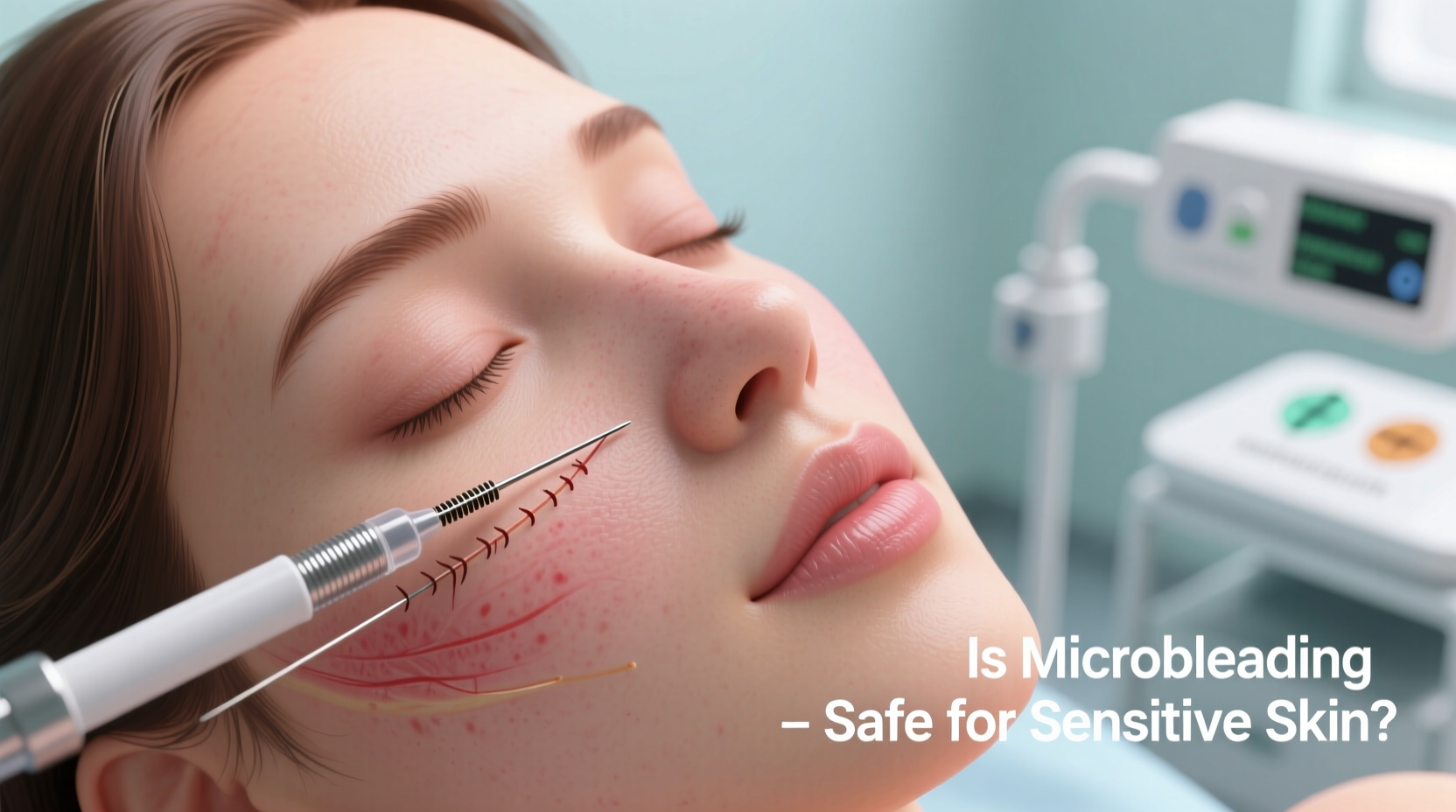
Sensitive skin isn’t a single condition—it’s a spectrum of reactivity that can include redness, itching, stinging, or inflammation in response to external stimuli. People with conditions like rosacea, eczema, psoriasis, or contact dermatitis often fall into this category. When considering microblading, the key concern is whether the skin can tolerate the controlled trauma involved in the technique.
Microblading uses a handheld tool with ultra-fine needles to deposit pigment into the upper layers of the dermis. Unlike traditional tattooing, which penetrates deeper, microblading is designed to be superficial. However, even minor epidermal disruption can trigger reactions in reactive skin types. The procedure typically takes 1–2 hours and requires a follow-up touch-up session after 6–8 weeks.
The pigments used are usually iron oxide-based and considered hypoallergenic, but additives or preservatives in the ink may still cause sensitivities. Additionally, numbing creams applied before the procedure contain lidocaine or similar agents, which some individuals may react to. This makes pre-assessment crucial for anyone with a history of skin sensitivity.
Risks and Reactions for Sensitive Skin Types
While microblading is generally safe when performed by a licensed professional, those with sensitive skin face a higher risk of complications. Common side effects—even in normal skin types—include mild swelling, redness, and tenderness immediately after the procedure. For sensitive individuals, these symptoms may be more pronounced and prolonged.
Potential risks include:
- Excessive inflammation: The body’s immune response may overreact, leading to extended redness or discomfort.
- Keloid or hypertrophic scarring: Though rare, individuals prone to abnormal scarring should avoid procedures that break the skin.
- Infection: Compromised skin barriers increase susceptibility to bacterial infection if aftercare is not strictly followed.
- Pigment migration or discoloration: Inflammatory responses can cause pigment to blur or shift color, especially if the skin heals unevenly.
- Allergic reactions: To topical anesthetics, pigment ingredients, or aftercare ointments.
A study published in *Dermatologic Surgery* (2021) noted that patients with pre-existing inflammatory skin disorders were three times more likely to experience post-procedure complications from cosmetic tattooing procedures, including microblading. This underscores the importance of medical disclosure and cautious evaluation before proceeding.
“Patients with compromised skin integrity or chronic inflammation should undergo thorough screening. A detailed history can prevent adverse outcomes.” — Dr. Lena Torres, Board-Certified Dermatologist
Choosing the Right Technician and Protocol
Not all microblading artists are created equal. For sensitive skin types, the skill and hygiene standards of the technician are non-negotiable. Look for someone who:
- Holds a current license in cosmetic tattooing
- Uses sterile, single-use needles and disposable tools
- Follows OSHA and bloodborne pathogen safety protocols
- Offers a consultation and performs patch testing
- Has experience working with clients who have skin sensitivities
During your consultation, discuss your skin history openly. Mention any allergies, past reactions to skincare products, or conditions like rosacea. A responsible artist will adjust their technique—using gentler pressure, avoiding overworking the skin, or selecting pigment formulations less likely to irritate.
Some advanced studios offer alternative techniques such as “nano brows” or “microshading,” which use a machine with finer needles and lower vibration, potentially reducing trauma. These may be better suited for delicate skin.
| Factor | Safe Choice for Sensitive Skin | Risky Option |
|---|---|---|
| Numbing Cream | Lidocaine-free or low-concentration formula | High-dose lidocaine with preservatives |
| Pigment Type | Organic, iron-oxide based, vegan-certified | Unknown origin, heavy metal-based |
| Needle Technique | Manual microblading with light hand | Aggressive pass or machine overuse |
| Aftercare Products | Fragrance-free, hypoallergenic ointment | Antibiotic creams with neomycin |
Step-by-Step: Preparing and Healing with Sensitive Skin
Success doesn’t end with the procedure—it begins with preparation and continues through healing. Follow this timeline to minimize risks and support optimal recovery.
- 1 Week Before: Discontinue retinoids, exfoliants (AHAs/BHAs), and blood-thinning supplements like vitamin E, fish oil, or aspirin to reduce bleeding and sensitivity.
- 48 Hours Before: Conduct a patch test on the inner forearm or behind the ear using the numbing cream and pigment to monitor for redness, swelling, or itching.
- Day of Procedure: Arrive with clean, product-free skin. Avoid caffeine and alcohol, which can increase sensitivity and bleeding.
- Days 1–7 Post-Procedure: Keep brows dry. Dab gently with a sterile cloth if needed. Apply a thin layer of recommended ointment twice daily. Avoid touching, picking, or wearing makeup near the area.
- Days 8–14: Skin will begin to flake. Resist scratching. Continue moisturizing lightly. Sun exposure must be avoided.
- Week 5–6: Attend your touch-up appointment. By now, the skin should be fully healed, and the technician can refine shape and saturation.
Healing time varies, but sensitive skin may take longer—up to 6 weeks for full stabilization. During this period, avoid saunas, swimming, intense workouts, and direct sun. UV exposure can fade pigment and exacerbate inflammation.
Real-World Example: Managing Sensitivity Successfully
Sophia, a 34-year-old with mild rosacea and a history of allergic reactions to skincare, wanted fuller brows but was hesitant about microblading. After researching extensively, she consulted a certified brow specialist known for working with sensitive clients. The artist reviewed her medical history, performed a patch test, and selected a gentle, fragrance-free numbing agent.
The procedure was completed in two short sessions with minimal passes to reduce trauma. Sophia followed the aftercare regimen precisely—washing with lukewarm water, using only the clinic-recommended ointment, and avoiding makeup for 10 days. She experienced mild redness for 48 hours but no swelling or scabbing.
At her follow-up, the results were soft, natural, and symmetrical. Over the next year, she reported no adverse reactions and was thrilled with the confidence boost. Her experience highlights how proper screening, communication, and aftercare can lead to success—even with sensitive skin.
Expert-Recommended Checklist for Sensitive Skin Clients
Before booking your microblading appointment, ensure you’ve covered these critical steps:
- ☑ Disclose all skin conditions and allergies to your technician
- ☑ Request a patch test for numbing cream and pigment
- ☑ Verify the artist’s credentials, sanitation practices, and portfolio
- ☑ Stop using active skincare ingredients (retinol, acids) one week prior
- ☑ Prepare a clean healing environment—clean pillowcases, hands-off policy
- ☑ Stock up on approved aftercare products in advance
- ☑ Schedule the appointment during a low-stress week with minimal sun exposure
Frequently Asked Questions
Can I get microblading if I have eczema around my brows?
No, if you have active eczema, psoriasis, or any open lesions in the eyebrow area, microblading should be postponed until the skin is completely clear and stable. Performing the procedure on compromised skin increases the risk of infection and poor pigment retention.
Will microblading make my rosacea worse?
It could, if proper precautions aren’t taken. The inflammation from the procedure might temporarily flare rosacea. However, with a skilled technician using a light hand and anti-inflammatory aftercare, many with controlled rosacea undergo microblading safely. Always consult your dermatologist first.
How long do microbladed brows last on sensitive skin?
Typically 12–18 months, though sensitive skin may shed pigment slightly faster due to altered healing patterns. Regular touch-ups every 12–15 months help maintain crisp definition and color vibrancy.
Final Thoughts: Making an Informed, Safe Decision
Microblading can be safe for sensitive skin types—but only when approached with caution, knowledge, and professional guidance. It’s not a one-size-fits-all treatment, and your skin’s unique needs must be prioritized over trends. Taking the time to vet your technician, prepare your skin, and commit to aftercare dramatically improves outcomes.
Beauty should never come at the cost of health. If you’re unsure, start with a non-invasive alternative like tinting or henna brows to gauge your skin’s reaction to pigments. When done right, microblading offers convenience, confidence, and a flawless frame for your face. But the foundation of success lies in respect for your skin’s limits and a commitment to safety at every step.




 浙公网安备
33010002000092号
浙公网安备
33010002000092号 浙B2-20120091-4
Comments
No comments yet. Why don't you start the discussion?