
For many, eyebrows are the frame of the face—shaping expression, symmetry, and confidence. Whether you're born with sparse brows, have over-plucked in the past, or simply want a polished look every morning, the choice between investing in microblading versus relying on daily brow pencil application is a real dilemma. At first glance, microblading can seem like an extravagant expense. But when weighed against time, consistency, and aesthetic results, the value proposition shifts. This article breaks down both options with practical insights, cost analysis, and real-world outcomes to help you decide what works best for your lifestyle and beauty goals.
The Reality of Daily Brow Maintenance
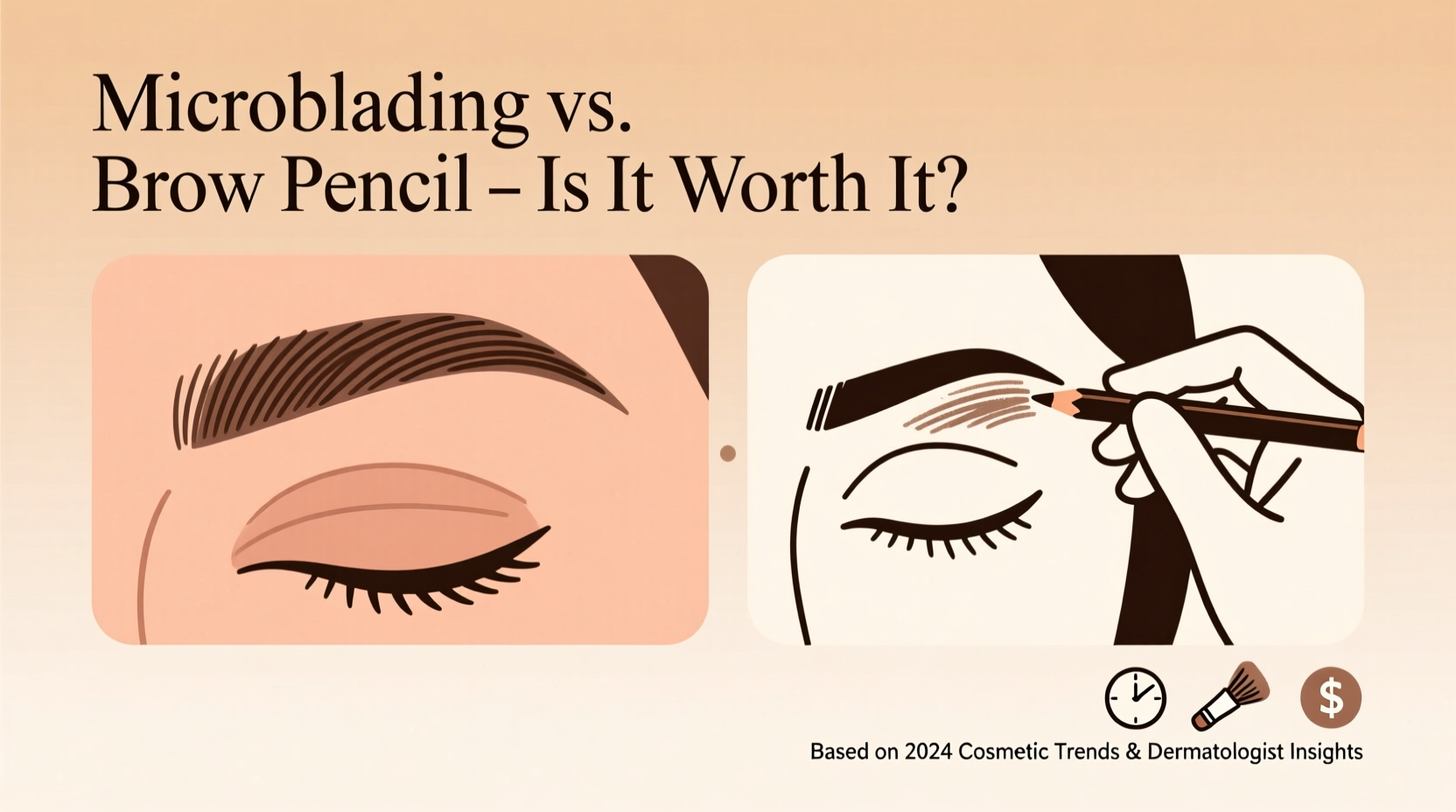
Using a brow pencil may appear simple: fill in gaps, define shape, set with gel. But for those with uneven or thin brows, the process can take 5–10 minutes each day. Over a year, that adds up to nearly 60 hours—over two full days—spent just on eyebrow grooming. The consistency of results also varies. On rushed mornings, strokes may be uneven; humidity or sweat might smudge the product; and finding the perfect shade match across different lighting conditions remains a challenge.
Brow pencils have improved dramatically, with waterproof formulas, fine-tipped applicators, and buildable pigments. Still, they require skill and practice to mimic natural hair strokes. Without proper technique, brows can look drawn-on, flat, or overly harsh—especially under bright lighting or high-definition cameras.
What Exactly Is Microblading?
Microblading is a semi-permanent cosmetic tattooing technique where a licensed technician uses a handheld tool with ultra-fine needles to deposit pigment into the upper layers of the skin. Unlike traditional tattoos that go deeper, microblading targets the epidermis, creating individual hair-like strokes that blend seamlessly with your natural brows. The procedure typically takes 1.5 to 2 hours for the initial session, followed by a touch-up 6–8 weeks later to refine shape and ensure even pigment retention.
Results last between 12 to 18 months on average, depending on skin type, lifestyle, and aftercare. Oily skin tends to fade faster due to natural exfoliation, while dry skin often retains pigment longer. Sun exposure, chemical exfoliants, and certain skincare ingredients (like retinoids near the brow area) can accelerate fading.
“Microblading isn’t about creating perfect brows—it’s about restoring balance and symmetry so clients feel confident without makeup.” — Lena Tran, Certified Cosmetic Tattoo Artist with 10+ years in permanent cosmetics
Cost Comparison: Upfront vs. Long-Term Spending
At first glance, microblading costs significantly more than a $20 brow pencil. A quality microblading session typically ranges from $500 to $1,200, depending on location and technician expertise. However, when evaluating long-term value, recurring expenses matter.
| Expense Type | Initial Cost | Annual Cost | Lifespan | Total 3-Year Cost |
|---|---|---|---|---|
| Microblading (with touch-up) | $750 | $0 (after healing) | 12–18 months | $1,500 (two sessions) |
| Mid-range Brow Pencil + Gel | $35 | $120 (replacements + sharpeners) | 3–6 months per pencil | $360 |
| Premium Brow Kit (pencil, powder, gel) | $80 | $200 | 4–8 months | $600 |
| Professional Makeup Application (monthly) | $60/session | $720 | N/A | $2,160 |
This comparison reveals that while microblading has a steep initial price, it becomes competitive—or even economical—when compared to high-end daily products or frequent salon visits. Moreover, it doesn’t account for the intangible value of time saved and the psychological boost of waking up with defined brows.
Real Results: A Mini Case Study
Sarah, a 34-year-old nurse in Austin, Texas, struggled with patchy brows due to alopecia areata. She spent years layering pencils, powders, and gels each morning before her 5:30 a.m. shift. “I’d spend 12 minutes every day trying to make them symmetrical,” she said. “And half the time, I’d wipe them off during my break without realizing.”
In 2022, Sarah invested $850 in microblading after researching technicians and reviewing portfolios. Her skin is combination, leaning oily, which meant her technician adjusted the blade angle and pigment depth accordingly. After her touch-up, she reported “waking up feeling normal” for the first time in a decade. Two years later, she returned for a color boost at $400—still less than her annual spending on makeup and removers.
“It wasn’t just about saving time,” Sarah added. “It was about not having to think about my brows at all. That’s freedom.”
Maintenance and Lifestyle Fit
Microblading demands commitment beyond the chair. For the first 10 days post-procedure, strict aftercare is non-negotiable: no sweating, swimming, or touching the brows. Moisturizing with ointment twice daily and avoiding direct sun are critical to prevent scabbing and pigment loss. Once healed, longevity depends largely on behavior.
- Avoid tanning beds and prolonged sun exposure without SPF protection.
- Keep chemical exfoliants (AHAs, BHAs, retinol) away from the brow area.
- Use gentle cleansers and avoid scrubbing the forehead vigorously.
Meanwhile, daily brow pencil users must maintain a consistent routine. Missed days lead to visible gaps. Product buildup requires nightly cleansing. And travel or gym routines often mean carrying multiple tools—pencil, spoolie, sharpener, setting spray—which adds logistical friction.
Step-by-Step: Choosing What’s Right for You
Deciding between microblading and daily pencil use shouldn’t be impulsive. Follow this timeline to make an informed decision:
- Week 1: Track Your Routine – Log how much time and money you spend on brows weekly. Note frustrations: smudging, asymmetry, reapplication.
- Week 2: Research Technicians – Look for certified microbladers with healed photo galleries (not just right-after photos). Read reviews and ask about pigment types and aftercare protocols.
- Week 3: Trial High-End Products – Test premium pencils or powders to see if better tools solve your issues. Brands like Anastasia Beverly Hills, Benefit, and Shiseido offer realistic results with practice.
- Week 4: Evaluate Lifestyle Factors – Are you planning pregnancy, major weight loss, or starting isotretinoin? These can affect skin and pigment retention. Postpone microblading if so.
- Final Decision Point – If you spend over $100/year and 45+ minutes weekly on brows, microblading likely offers long-term value. If you enjoy the ritual of makeup or change your look often, pencils may suffice.
Do’s and Don’ts: Quick Reference Guide
| Action | For Microblading | For Brow Pencils |
|---|---|---|
| Do | Choose a technician with 2+ years of experience and portfolio proof | Invest in a dual-ended pencil with spoolie and angled brush |
| Do | Follow aftercare instructions religiously for 10 days | Sharpen pencils regularly for precise lines |
| Don’t | Go in with unrealistic expectations (e.g., \"I want bold arches\") | Use expired or dried-out products that tug at skin |
| Don’t | Get microblading before major life changes (pregnancy, surgery) | Apply too much pressure—build color gradually |
Frequently Asked Questions
Does microblading hurt?
Most clients describe the sensation as mild scratching or scraping. Topical numbing cream is applied before and during the procedure, minimizing discomfort. Pain tolerance varies, but few report it as unbearable. Sensitive individuals may feel tenderness afterward, similar to a light sunburn, lasting 1–2 days.
Can I still use brow pencil after microblading?
Absolutely. Many people use pencils to darken or extend their microbladed brows for evening events or photos. Just avoid heavy layering that could clog pores or irritate healed skin. Most find they need far less product—sometimes just a quick swipe for extra definition.
Is microblading safe for all skin tones and types?
Yes, but technique and pigment selection must be tailored. Deeper skin tones require specific iron-oxide-based pigments to avoid ashy or grayish results. Oily and acne-prone skin may need specialized techniques to prevent “blowout,” where pigment spreads slightly under the skin. Always consult a technician experienced with your skin profile.
Conclusion: Value Beyond the Price Tag
Microblading isn’t just about aesthetics—it’s about efficiency, confidence, and reclaiming time. While a high-quality brow pencil can deliver excellent results, it demands daily effort, skill, and ongoing investment. For those tired of the morning routine, self-conscious about gaps, or seeking a low-maintenance beauty regimen, microblading often proves worth the cost.
That said, it’s not a one-size-fits-all solution. It requires research, aftercare diligence, and acceptance of gradual fading. If you love the artistry of makeup or frequently change your look, sticking with pencils makes sense. But if you’ve ever wished to roll out of bed with flawless brows, or spend less time in front of the mirror, microblading offers a compelling upgrade—one that pays dividends in both time and self-assurance.




 浙公网安备
33010002000092号
浙公网安备
33010002000092号 浙B2-20120091-4
Comments
No comments yet. Why don't you start the discussion?