
Nasal irrigation—commonly performed using devices like neti pots, squeeze bottles, or bulb syringes—has gained widespread popularity as a natural method to relieve congestion, reduce sinus pressure, and support overall respiratory wellness. By flushing out mucus, allergens, and irritants with a saline solution, many people report improved breathing and fewer sinus infections. But as its use becomes more routine, a critical question arises: is it safe to perform nasal irrigation every day?
The answer isn't a simple yes or no. While nasal irrigation can be beneficial when used correctly, daily use may carry risks if not approached with proper knowledge and hygiene. This article examines the science behind nasal irrigation, evaluates its safety for everyday use, outlines best practices, and provides expert insights to help you make informed decisions about your sinus health.
How Nasal Irrigation Works
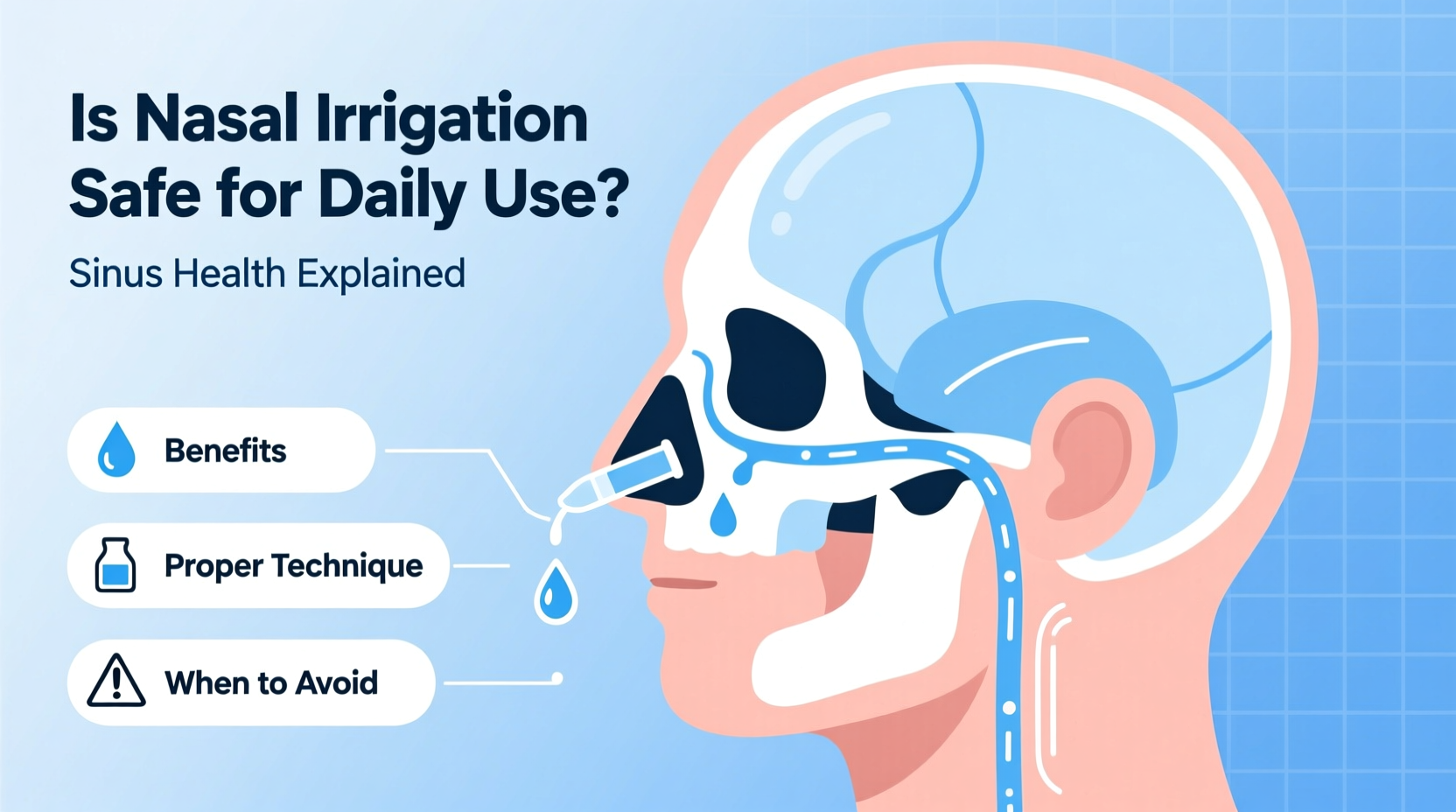
Nasal irrigation involves pouring a sterile saline solution into one nostril so it flows through the nasal cavity and exits through the other nostril or the mouth. The process helps clear out excess mucus, pollen, dust, bacteria, and other airborne particles that can contribute to inflammation and infection in the sinuses.
The most common form of irrigation uses a hypertonic or isotonic saline solution. Isotonic solutions match the salt concentration of human cells (about 0.9% sodium chloride), minimizing irritation. Hypertonic solutions contain higher salt concentrations and may offer stronger decongestant effects by drawing fluid out of swollen nasal tissues.
This technique leverages gravity and gentle pressure to cleanse the nasal passages without medication. It's particularly popular among individuals with chronic rhinosinusitis, seasonal allergies, or those recovering from colds and upper respiratory infections.
Benefits of Regular Nasal Irrigation
When used appropriately, nasal irrigation offers several well-documented advantages:
- Reduces nasal congestion: Clears thick mucus and improves airflow.
- Alleviates allergy symptoms: Removes pollen and environmental allergens before they trigger immune responses.
- Lowers risk of sinus infections: Flushing bacteria and viruses may prevent them from colonizing the nasal passages.
- Improves sense of smell: By clearing blocked olfactory pathways, some users notice enhanced smell sensitivity.
- Supports post-surgical recovery: Often recommended after endoscopic sinus surgery to promote healing and reduce crusting.
- Decreases reliance on medications: Can reduce the need for decongestants, antihistamines, or steroid sprays in mild cases.
A 2020 review published in the International Forum of Allergy & Rhinology found that patients with chronic sinusitis who practiced regular nasal irrigation reported significant improvements in quality of life, symptom severity, and reduced antibiotic usage over time.
Risks and Concerns of Daily Use
Despite its benefits, daily nasal irrigation is not without potential downsides. Overuse or improper technique can lead to complications, especially when hygiene protocols are ignored.
Disruption of Natural Defenses
The nasal cavity is lined with mucous membranes and tiny hair-like structures called cilia that work together to trap pathogens and move them out of the airway. Frequent irrigation—especially with high-volume or high-pressure methods—can wash away protective mucus and impair ciliary function over time. This may leave the nasal lining more vulnerable to infection.
“While saline irrigation is effective, excessive use can strip away the nose’s natural defense barrier. Moderation and correct technique are key.” — Dr. Lena Patel, Otolaryngologist at Cleveland Clinic
Infection Risk from Contaminated Equipment
One of the most serious concerns involves contamination. Devices like neti pots must be cleaned thoroughly after each use. Failure to do so can allow mold, bacteria, or even rare but deadly organisms like Naegleria fowleri (a brain-eating amoeba) to grow—particularly if non-sterile water is used.
The U.S. Food and Drug Administration (FDA) issued warnings in the past decade about the dangers of using tap water for nasal rinses, following several fatal cases linked to contaminated household water supplies.
Irritation and Dryness
Daily rinsing, especially with hypertonic solutions, can dry out nasal tissues. Some users report stinging sensations, nosebleeds, or increased sensitivity. Those with pre-existing conditions like atrophic rhinitis should exercise caution.
Who Should Avoid Daily Nasal Irrigation?
Not everyone is a candidate for routine nasal rinsing. Certain individuals should either avoid it altogether or consult a physician before starting:
- People with frequent nosebleeds or fragile nasal tissue
- Individuals with ear infections or eustachian tube dysfunction
- Those who have recently undergone nasal or sinus surgery (unless advised otherwise)
- Patients with compromised immune systems
If you experience pain, persistent drainage, dizziness, or worsening symptoms after irrigation, discontinue use and seek medical evaluation.
Best Practices for Safe and Effective Use
To maximize benefits and minimize risks, follow these evidence-based guidelines whether you're using nasal irrigation occasionally or considering daily routines.
Step-by-Step Guide to Proper Nasal Irrigation
- Prepare your solution: Mix 1/4 to 1/2 teaspoon of non-iodized salt and a pinch of baking soda (to buffer pH) with 8 ounces of lukewarm distilled, sterile, or previously boiled (and cooled) water.
- Clean your device: Wash the irrigation bottle or neti pot with hot soapy water and rinse thoroughly before each use. Allow it to air dry on a clean towel.
- Position yourself: Lean forward over a sink and tilt your head sideways, keeping your forehead and chin level to prevent solution from entering the inner ear.
- Begin irrigation: Insert the spout gently into the upper nostril and slowly pour the solution. It should flow through the nasal passage and exit the lower nostril.
- Breathe through your mouth: Do not inhale during the process to avoid choking or forcing liquid into the sinuses or ears.
- Repeat on the other side: After finishing one side, blow your nose gently to remove residual solution and switch sides.
- Sanitize afterward: Disassemble the device, wash all parts, and let them air dry completely before storing.
| Do’s | Don’ts |
|---|---|
| Use sterile or distilled water | Never use untreated tap water |
| Clean equipment after every use | Don’t share devices between users |
| Use buffered saline mixes (with baking soda) | Avoid iodized table salt (can irritate tissues) |
| Store solution in a sealed container for up to 24 hours | Don’t reuse leftover solution beyond one day |
| Replace plastic devices every 3–6 months | Don’t microwave plastic devices unless labeled safe |
Case Study: Sarah’s Experience with Daily Rinsing
Sarah, a 38-year-old teacher from Portland, began using a neti pot daily during allergy season to manage her seasonal rhinitis. Initially, she noticed dramatic relief: less sneezing, clearer breathing, and better sleep. Encouraged, she continued the practice year-round.
After three months, however, she started experiencing dryness, occasional nosebleeds, and a strange tickling sensation in her left ear. Concerned, she visited an ENT specialist, who diagnosed early signs of mucosal dryness and mild irritation from overuse. The doctor advised reducing irrigation to every other day and switching to an isotonic solution.
Within two weeks, Sarah’s symptoms improved. She now uses nasal rinsing only when congested or after exposure to high pollen counts, finding this intermittent approach just as effective—without the side effects.
Expert Recommendations on Frequency
Medical consensus suggests that **daily nasal irrigation is generally safe for most healthy adults—but only under specific conditions**:
- You use sterile equipment and water
- Your saline solution is properly balanced
- You don’t have underlying nasal or ear conditions
- You monitor for adverse reactions
For preventive maintenance or mild symptoms, many ENT specialists recommend starting with 2–3 times per week rather than daily. For acute flare-ups—such as during a cold or allergic reaction—daily use for short durations (up to 1–2 weeks) is often acceptable.
Long-term daily irrigation should be reserved for individuals with diagnosed chronic sinus conditions and done under medical supervision.
“The goal is therapeutic benefit, not mechanical cleansing multiple times a day. Think of it like brushing your teeth—necessary, but over-brushing damages enamel. Similarly, over-rinsing harms delicate nasal tissue.” — Dr. Marcus Wu, Rhinology Specialist, Johns Hopkins Medicine
Frequently Asked Questions
Can I use nasal irrigation if I have a deviated septum?
Yes, most people with a deviated septum can safely use nasal irrigation. However, flow may be uneven between nostrils. Focus on gentle technique and ensure the solution can drain freely. Consult your doctor if you experience discomfort or blockage.
Is it normal to taste salt during irrigation?
Yes. Some of the saline solution may run down the back of your throat, especially if you're not leaning forward enough. Gargling with plain water afterward can help remove the salty taste. Avoid swallowing large amounts of the solution.
Can children use nasal irrigation?
Children over age 2 may benefit from nasal rinsing, particularly with squeeze bottles designed for pediatric use. However, cooperation is essential. Younger children may find the sensation uncomfortable. Always supervise and use child-friendly saline formulations.
Checklist: Safe Nasal Irrigation Routine
Before each use, go through this quick checklist to ensure safety and effectiveness:
- ✅ Water source is distilled, sterile, or boiled and cooled
- ✅ Device has been washed and dried since last use
- ✅ Saline mix is fresh and properly measured
- ✅ Head is tilted correctly (chin slightly down, head turned sideways)
- ✅ Mouth is open to breathe during the rinse
- ✅ No pain, ear fullness, or dizziness occurs during or after use
- ✅ Equipment will be cleaned and stored properly after use
Conclusion: Balancing Benefits and Safety
Nasal irrigation can be a powerful tool for maintaining sinus health when used thoughtfully. For many, incorporating it into their wellness routine brings meaningful relief from congestion, allergies, and recurring infections. But like any health practice, moderation and precision matter.
Daily use is not inherently unsafe—but it’s also not necessary for most people. Listening to your body, respecting hygiene standards, and adjusting frequency based on symptoms will help you gain the benefits without compromising your natural defenses.
If you’re managing chronic sinus issues, consider discussing a personalized irrigation plan with your healthcare provider. With the right approach, nasal rinsing can remain a safe, effective, and empowering part of your respiratory care.




 浙公网安备
33010002000092号
浙公网安备
33010002000092号 浙B2-20120091-4
Comments
No comments yet. Why don't you start the discussion?