
The rise of plant-based meats has transformed grocery aisles and restaurant menus. Brands like Beyond Meat and Impossible Foods now offer convincing alternatives to beef, chicken, and pork—mimicking taste, texture, and even \"bleeding\" with beet juice. But behind the marketing lies a critical question: are these lab-engineered patties actually healthier than the animal meat they aim to replace?
This isn't just about ethics or environmental impact—it's about what ends up on your plate and how it affects your body. To answer this, we need to look closely at macronutrients, micronutrients, processing levels, and long-term health outcomes. The reality is nuanced: in some ways, plant-based meats come out ahead; in others, traditional meat still holds an edge.
Nutritional Breakdown: Protein, Fat, and Fiber
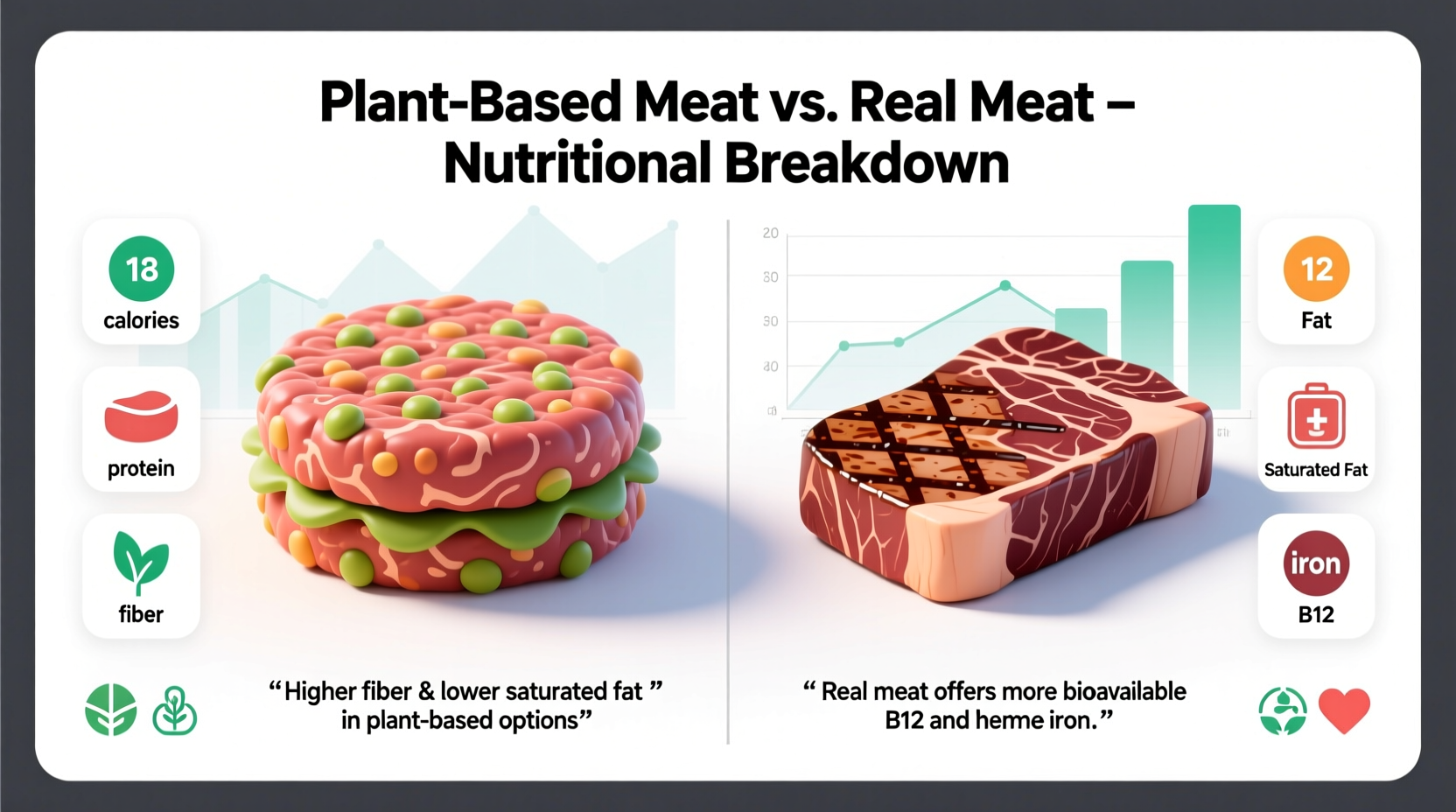
At first glance, many plant-based meat products appear nutritionally similar to their animal counterparts. A Beyond Burger and a 90% lean beef patty both contain around 20 grams of protein per 4-ounce serving. However, closer inspection reveals important differences.
Animal proteins are considered \"complete,\" meaning they provide all nine essential amino acids in optimal ratios for human use. Most plant-based meats use combinations of pea, soy, or wheat protein to achieve completeness, but the bioavailability—the rate at which your body can absorb and utilize those amino acids—is often lower than from animal sources.
Fat composition also differs significantly. While beef contains saturated fat and cholesterol, plant-based versions typically use coconut oil or sunflower oil as binders and flavor enhancers. This shifts the fat profile: less cholesterol (a plus), but sometimes more saturated fat than expected. For example, the Impossible Burger contains 8 grams of saturated fat per patty—slightly more than a comparable beef burger.
One clear advantage of plant-based meats is dietary fiber. Animal meat contains zero fiber. In contrast, plant-based options can deliver 3–5 grams per serving, thanks to ingredients like methylcellulose, potato starch, or whole legumes. Fiber supports gut health, helps regulate blood sugar, and contributes to satiety.
“While plant-based meats reduce intake of heme iron and cholesterol, their high sodium and processed oils mean they shouldn’t be labeled ‘health foods’ without qualification.” — Dr. Linda Nguyen, Registered Dietitian and Nutrition Scientist
Key Nutrient Comparison
To make side-by-side evaluation easier, here’s a detailed breakdown of common nutrients found in popular plant-based burgers versus 90% lean ground beef (per 4 oz cooked serving):
| Nutrient | Beyond Burger | Impossible Burger | 90% Lean Beef |
|---|---|---|---|
| Calories | 270 | 240 | 254 |
| Protein (g) | 20 | 19 | 22 |
| Total Fat (g) | 18 | 14 | 16 |
| Saturated Fat (g) | 5 | 8 | 6 |
| Cholesterol (mg) | 0 | 0 | 76 |
| Fiber (g) | 3 | 3 | 0 |
| Sodium (mg) | 390 | 370 | 75 |
| Iron (mg) | 5.4 | 4.2 | 2.7 |
| Vitamin B12 (mcg) | 2.4 | 2.4 | 2.1 |
Notably, plant-based brands fortify their products with B12 and non-heme iron to match levels found naturally in meat. However, the form of iron matters: heme iron from animal sources is absorbed more efficiently than the non-heme iron used in plant-based meats. Vitamin C can enhance absorption, so pairing a plant-based burger with bell peppers or tomatoes may improve iron uptake.
Processing and Additives: What You’re Really Eating
One of the most debated aspects of plant-based meats is their level of processing. Unlike whole foods like lentils or mushrooms, these products are highly engineered. They rely on isolated proteins, emulsifiers, preservatives, and flavor enhancers to replicate the sensory experience of meat.
Common additives include:
- Methylcellulose: A binder derived from plant fiber that acts as a thickener and stabilizer.
- Yeast extract: Used for umami flavor, often a source of natural glutamates.
- Cultured dextrose: A fermentation-derived preservative.
- Soy leghemoglobin (\"heme\"): The molecule that gives Impossible Burgers their meaty flavor and color, produced via genetically modified yeast.
While regulatory agencies consider these ingredients safe, concerns remain about the long-term effects of ultra-processed foods. Studies consistently link high consumption of ultra-processed foods—including many packaged plant-based meats—to increased risks of obesity, cardiovascular disease, and metabolic syndrome.
In contrast, minimally processed animal meats like grass-fed beef or pasture-raised chicken contain no artificial additives. However, processed animal meats such as bacon, sausages, and deli meats are equally concerning due to added nitrates, high sodium, and preservatives—all associated with higher colorectal cancer risk according to the World Health Organization.
Health Outcomes: Heart Disease, Cancer, and Longevity
The ultimate measure of healthiness lies in long-term outcomes. What does science say about eating plant-based meats versus real meat over time?
A 2020 study published in The American Journal of Clinical Nutrition found that replacing animal protein with plant protein was linked to lower mortality rates. However, the study did not distinguish between whole plant proteins (like beans and nuts) and processed plant-based meats. This distinction is crucial.
Heart health appears to benefit when red and processed meats are replaced—not necessarily with commercial meat substitutes, but with whole plant foods. A randomized trial by Stanford University showed that participants who switched to plant-based meats for eight weeks had modest reductions in LDL (\"bad\") cholesterol, likely due to the absence of dietary cholesterol and presence of soluble fiber.
On the flip side, the high sodium content in most plant-based meats could counteract cardiovascular benefits. One patty often contains over 300 mg of sodium—about 15% of the recommended daily limit. Regular consumption could contribute to hypertension, especially in salt-sensitive individuals.
Regarding cancer, the picture is mixed. Red and processed meats are classified as Group 1 and Group 2A carcinogens by the International Agency for Research on Cancer (IARC), primarily due to compounds formed during cooking (like heterocyclic amines) and heme iron promoting oxidative damage in the gut. Plant-based meats avoid heme iron, but when grilled at high temperatures, they can produce similar harmful compounds from added fats and proteins.
Mini Case Study: Maria’s Dietary Shift
Maria, a 42-year-old teacher with a family history of heart disease, decided to eliminate red meat after her doctor noted elevated LDL cholesterol. She replaced her usual beef burgers with Impossible Burgers, believing them to be a heart-healthy swap.
After three months, her LDL dropped by 12%, but her blood pressure rose slightly. Upon reviewing her diet, her nutritionist pointed out that while she’d cut cholesterol, she was now consuming nearly double the sodium due to frequent use of frozen plant-based patties, store-bought sauces, and processed sides.
By switching to homemade black bean burgers seasoned with herbs instead of premade options, and reducing packaged foods overall, Maria brought both markers into a healthier range within two months. Her case illustrates that the broader dietary pattern matters more than any single food swap.
Smart Choices Checklist
Choosing between plant-based and real meat doesn’t have to be all-or-nothing. Use this checklist to make informed decisions based on your health goals:
- Assess your primary reason for choosing plant-based meat—ethical, environmental, or health-related.
- Compare nutrition labels: prioritize lower sodium, less saturated fat, and recognizable ingredients.
- Limit frequency—treat plant-based meats as occasional substitutes, not daily staples.
- Opt for whole-food plant proteins (lentils, tempeh, mushrooms) when possible.
- If eating animal meat, choose lean, unprocessed cuts from sustainable sources.
- Beware of “halo effect”—just because something is plant-based doesn’t mean it’s low-calorie or nutrient-dense.
- Balance meals with vegetables, whole grains, and healthy fats regardless of protein source.
Frequently Asked Questions
Are plant-based meats good for weight loss?
Not inherently. While some plant-based meats are comparable in calories to animal meat, they are not automatically lower in energy. Weight loss depends on total calorie intake and dietary patterns. However, diets rich in whole plant foods—which include legumes, vegetables, and whole grains—are consistently linked to healthier body weights. Relying on processed plant-based meats without attention to overall diet quality won’t lead to sustained weight loss.
Can children eat plant-based meats?
Yes, in moderation. These products can be a source of protein and fortified nutrients like iron and B12, which are important for growth. However, children have smaller stomachs and higher nutrient needs per calorie, so heavily processed foods with fillers and low nutrient density should not dominate their diets. Whole food sources like beans, eggs, dairy, tofu, and lean meats are generally better choices for growing kids.
Do plant-based meats cause inflammation?
There’s no direct evidence that plant-based meats cause inflammation in most people. However, their high content of refined oils (like coconut oil) and additives may contribute to inflammatory pathways when consumed regularly as part of a poor-quality diet. In contrast, whole plant foods are anti-inflammatory due to antioxidants and phytonutrients. The key is context: a plant-based meat served in a salad with vegetables is far different from one eaten daily with fries and sugary drinks.
Conclusion: Balance Over Dogma
The question of whether plant-based meat is healthier than real meat doesn’t have a universal answer. It depends on what type of meat you're comparing it to, how often you consume it, and what else you eat throughout the day.
For those aiming to reduce saturated fat and cholesterol, plant-based meats offer a viable alternative. Their fiber content and lack of heme iron may support long-term heart and colon health. But their high processing level, sodium load, and reliance on refined oils mean they shouldn’t be seen as health foods in the traditional sense.
Real meat, especially unprocessed varieties, provides high-quality protein and essential nutrients like B12, zinc, and creatine—some of which are difficult to obtain in sufficient amounts on a strictly plant-based diet without supplementation.
The healthiest approach may not be choosing one camp over the other, but integrating the best of both: minimizing processed meats (animal or plant), emphasizing whole foods, and making conscious, informed choices.




 浙公网安备
33010002000092号
浙公网安备
33010002000092号 浙B2-20120091-4
Comments
No comments yet. Why don't you start the discussion?