
Dog owners today are more conscious than ever about what they feed their pets. With rising interest in natural diets, raw feeding has surged in popularity as an alternative to traditional kibble. Advocates claim it mimics a dog’s ancestral diet, promoting better digestion, shinier coats, and increased energy. Yet critics warn of bacterial risks, nutritional imbalances, and safety concerns—especially for households with children or immunocompromised individuals. So, is raw feeding actually safer than kibble? The answer isn’t black and white. It depends on your dog’s health, lifestyle, and how carefully you manage the diet. This article breaks down the science, compares benefits and risks, and offers practical guidance to help you decide what’s best for your canine companion.
The Rise of Raw Feeding: A Modern Trend with Ancient Roots
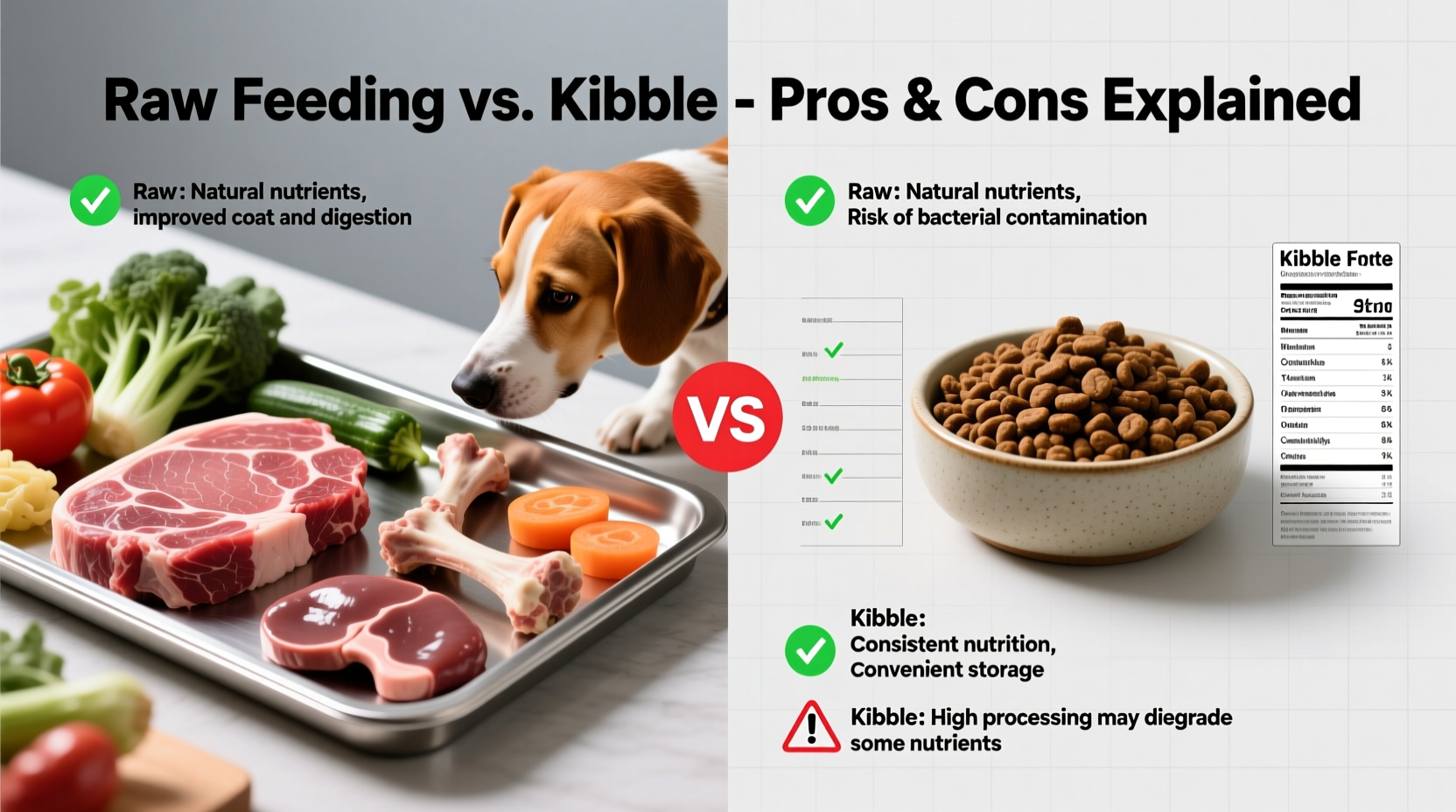
Raw feeding, often called the BARF (Biologically Appropriate Raw Food) diet, is based on the idea that dogs thrive on uncooked meat, bones, organs, and vegetables—similar to what their wild ancestors might have eaten. Proponents argue that cooking destroys vital enzymes and nutrients, while commercial kibble contains too many fillers like corn, soy, and by-products that offer little nutritional value.
Despite its growing appeal, raw feeding remains controversial within veterinary circles. While some holistic vets endorse it under strict supervision, others caution against it due to documented health risks. According to a 2021 study published in Veterinary Record, over 60% of raw dog food samples tested positive for harmful bacteria such as Salmonella and Listeria—pathogens that can affect both pets and humans.
“While dogs may be biologically capable of digesting raw meat, that doesn’t mean it’s safe for every household. The risk of cross-contamination is real.” — Dr. Laura Green, DVM, Board-Certified Veterinary Nutritionist
Pros of Raw Feeding: What Supporters Say
Many pet owners who switch to raw diets report noticeable improvements in their dogs’ overall health. These anecdotal benefits are supported by some scientific observations, though long-term studies remain limited. Key advantages include:
- Improved coat and skin health: Higher levels of omega-3 fatty acids from fresh meat and fish often lead to softer fur and reduced itching.
- Better digestion and smaller stools: Raw diets are highly digestible, resulting in less waste and fewer gastrointestinal issues in sensitive dogs.
- Increased energy and lean muscle mass: High-protein content supports active lifestyles and helps maintain optimal body condition.
- Fresher breath and cleaner teeth: Chewing raw bones can reduce plaque buildup, although this benefit comes with caveats (more on that later).
- No artificial additives: Unlike many kibbles, raw diets avoid preservatives, colors, and flavor enhancers linked to allergies and hyperactivity.
Cons and Risks of Raw Diets: What You Need to Know
Despite the appealing benefits, raw feeding carries significant drawbacks that must not be overlooked. These range from nutritional deficiencies to public health hazards.
Nutritional Imbalance: Homemade raw diets are especially prone to being incomplete. Without careful formulation, dogs may lack essential nutrients like calcium, phosphorus, vitamin E, or taurine—leading to bone disorders, heart disease, or developmental problems in puppies.
Bacterial Contamination: Raw meat can harbor dangerous pathogens. Even frozen commercial raw products aren’t guaranteed safe. Dogs may carry Salmonella or E. coli asymptomatically but still shed bacteria through feces, contaminating homes and putting people at risk.
Choking and Internal Injury: Feeding whole bones—especially weight-bearing ones like femurs—can result in broken teeth, intestinal blockages, or perforations. Cooked bones are particularly dangerous as they splinter easily.
Cost and Convenience: Raw feeding is significantly more expensive and time-consuming than kibble. It requires proper storage (freezer space), handling precautions (separate cutting boards), and meticulous hygiene.
Real Example: When Raw Feeding Went Wrong
A family in Colorado switched their two-year-old German Shepherd to a homemade raw diet consisting mainly of ground beef, chicken necks, and occasional vegetables. Within three months, the dog developed lameness and was diagnosed with a calcium-to-phosphorus imbalance severe enough to cause joint inflammation. Blood tests also revealed borderline taurine deficiency—a precursor to dilated cardiomyopathy. After switching to a veterinarian-formulated commercial diet, the dog slowly recovered over six months. This case highlights how even well-intentioned raw feeding can go awry without expert oversight.
Kibble: Not Perfect, But More Predictable
Kibble has been the staple of dog nutrition for decades—and for good reason. Reputable brands formulate diets to meet AAFCO (Association of American Feed Control Officials) standards, ensuring complete and balanced nutrition for each life stage.
High-quality kibbles use animal-based proteins, limit fillers, and include added vitamins and probiotics. Many undergo rigorous testing and batch analysis to verify nutrient consistency. While lower-tier brands rely heavily on grains and by-products, premium options offer excellent nutritional profiles with proven safety records.
Critics argue that high-heat processing alters protein structures and reduces nutrient bioavailability. However, modern extrusion techniques are designed to preserve key nutrients, and synthetic vitamins are added post-cooking to compensate for losses.
“Commercial kibble isn’t perfect, but it’s far more consistent than most homemade diets. For the average pet owner, it’s the safest bet.” — Dr. Mark Rivera, Veterinary Clinical Nutrition Specialist
Advantages of Kibble
- Convenient and shelf-stable
- Portion control made easy
- Formulated for specific needs (puppy, senior, weight loss)
- Supports dental health when designed for texture
- Backed by clinical research and feeding trials
Disadvantages of Kibble
- Lower moisture content (can contribute to dehydration)
- Potential inclusion of allergens or low-quality ingredients in budget brands
- Some dogs develop sensitivities over time
- Limited variety compared to fresh food options
Comparing Safety: Raw vs. Kibble at a Glance
| Factor | Raw Feeding | Kibble |
|---|---|---|
| Nutritional Balance | High risk of imbalance unless professionally formulated | Generally balanced if AAFCO-compliant |
| Food Safety | High risk of bacterial contamination (Salmonella, Listeria) | Low risk; heat-treated and tested |
| Digestibility | Very high; less stool volume | Moderate to high depending on quality |
| Dental Impact | Mixed: chewing bones may clean teeth but risks fractures | Designed to scrape plaque; supports oral health |
| Convenience | Time-intensive; requires prep and freezing | Easy to store, serve, and travel with |
| Cost | $5–$10+ per day depending on size and source | $1–$4 per day for mid-to-high tier brands |
| Suitability for Puppies | Risky without expert guidance | Widely available, scientifically backed formulas |
How to Make a Safer Choice: A Step-by-Step Guide
Whether you're considering raw feeding or sticking with kibble, follow these steps to ensure your dog gets safe, nutritious meals:
- Evaluate your dog’s individual needs: Age, breed, activity level, and medical history all influence dietary suitability. Puppies, seniors, and dogs with kidney or heart conditions have specific requirements.
- Consult your veterinarian or a board-certified veterinary nutritionist: Before making any major diet change, get professional input. They can review formulations or recommend trusted brands.
- If choosing raw, opt for commercially prepared products: These are more likely to be nutritionally balanced and undergo pathogen testing. Avoid random online recipes.
- Practice strict hygiene: Wash hands, utensils, bowls, and surfaces after handling raw food. Store it separately from human food.
- Monitor your dog closely: Watch for changes in energy, stool quality, coat condition, or behavior. Schedule regular bloodwork to catch deficiencies early.
- Reassess regularly: What works at one life stage may not suit another. Be ready to adjust based on health assessments.
Frequently Asked Questions
Can I mix raw food and kibble?
Yes, many owners successfully combine both. Some feed raw in the morning and kibble at night. However, because raw digests faster than kibble, mixing them in the same meal may cause mild digestive discomfort in sensitive dogs. Monitor your pet and adjust timing if needed.
Does raw feeding prevent dog allergies?
Not necessarily. While eliminating processed ingredients may help dogs with grain or additive sensitivities, true food allergies are usually protein-based and can occur with any diet. A novel protein kibble (like duck or venison) may be just as effective as raw for managing allergies.
Are there safe alternatives to raw and kibble?
Yes. Fresh-frozen or refrigerated cooked diets from reputable companies (e.g., The Farmer’s Dog, Nom Nom) offer a middle ground—nutrient-dense, human-grade ingredients without the bacterial risks of raw. These are often vet-approved and tailored to individual needs.
Checklist: Is Raw Feeding Right for You?
Before committing to raw, ask yourself:
- ✅ Do I have time to prepare and safely handle raw food daily?
- ✅ Am I willing to invest in high-quality, balanced products or work with a nutritionist?
- ✅ Does anyone in my home have a weakened immune system, including young children or elderly adults?
- ✅ Can I afford the ongoing cost, which may be 2–4x higher than premium kibble?
- ✅ Am I prepared to monitor my dog’s health with regular vet visits and lab tests?
If you answered “no” to any of these, kibble—or a fresh cooked alternative—may be a safer, more sustainable choice.
Conclusion: Prioritize Safety, Science, and Individual Needs
There is no universal answer to whether raw feeding is safer than kibble. For some dogs under expert supervision, a properly balanced raw diet can enhance vitality and well-being. For most households, however, the risks outweigh the rewards. Kibble remains the most accessible, affordable, and scientifically validated option for maintaining canine health across all life stages.
The goal isn’t to chase trends, but to provide consistent, safe, and nutritionally sound meals. Whether you choose raw, kibble, or something in between, let evidence—not emotion—guide your decision. Your dog depends on you to balance passion with responsibility.




 浙公网安备
33010002000092号
浙公网安备
33010002000092号 浙B2-20120091-4
Comments
No comments yet. Why don't you start the discussion?