
For gamers who thrive on adrenaline—fast reflexes, explosive set pieces, and real-time decision-making—visual novels might seem like the opposite of everything they enjoy. No button-mashing combos, no dodging enemy fire, no skill-based progression. At first glance, visual novels appear passive, slow, even boring. But dismissing them outright means missing out on a layer of gaming depth that can actually enhance the very experiences action fans love.
The truth is, many of today’s most acclaimed action games are built on foundations laid by narrative-heavy genres like visual novels. Understanding that connection—and experiencing it firsthand—can change how you see not just storytelling in games, but also character motivation, world-building, and emotional stakes during combat. Visual novels aren’t replacements for action titles; they’re complements.
Why Action Gamers Overlook Visual Novels (And Why They Shouldn’t)
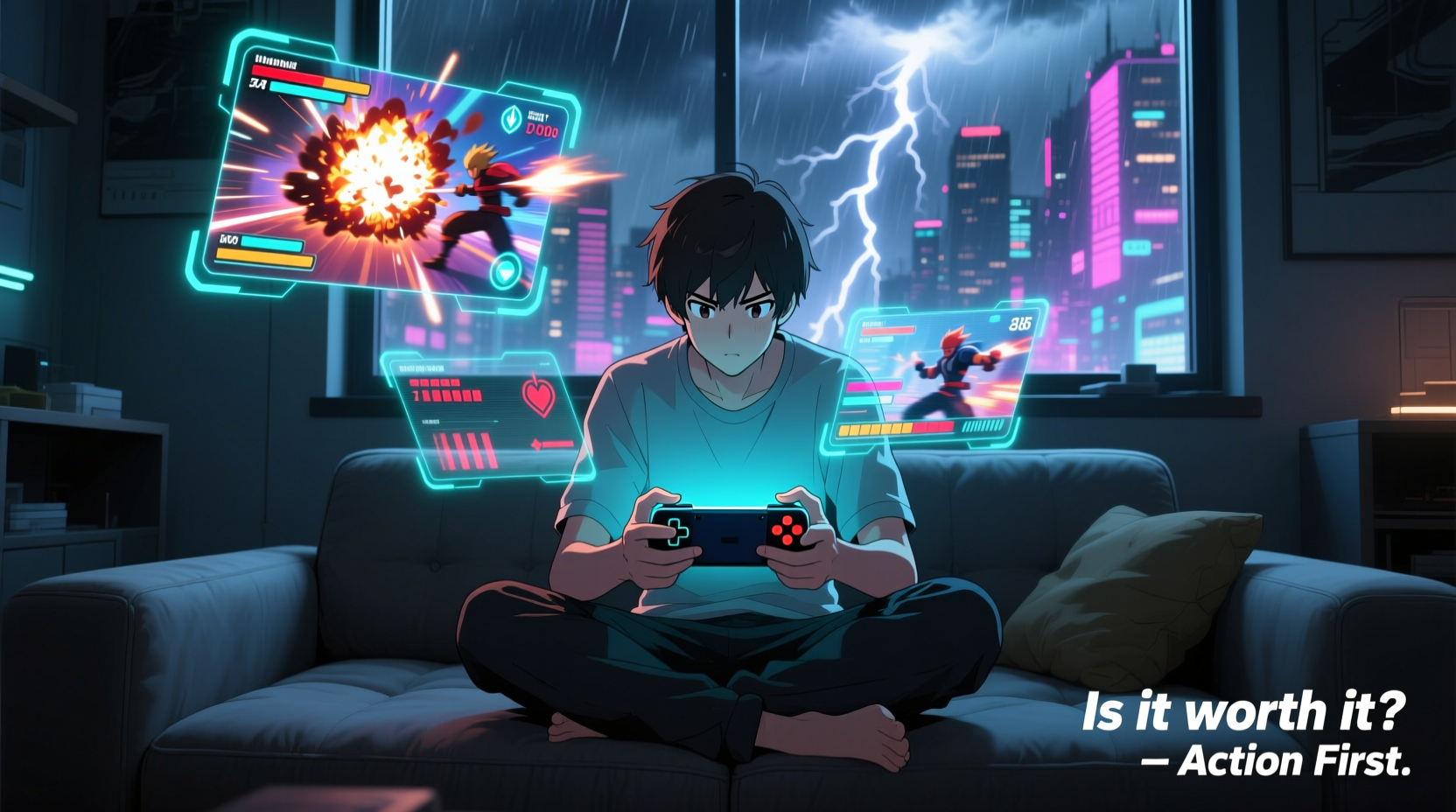
Action-oriented players often equate engagement with interactivity: pressing buttons, timing moves, reacting to threats. Visual novels, which typically involve reading dialogue and making occasional choices, don’t trigger that same sense of urgency. This leads to a common misconception—that if a game doesn’t challenge your reflexes, it isn’t “real” gaming.
But consider this: even in the most intense action sequences, what makes them meaningful? It’s rarely just the mechanics. A boss fight hits harder when you know the villain’s history. A final explosion resonates more if you’ve spent hours building relationships with the characters involved. That emotional weight? It’s crafted through narrative—not combat systems.
Visual novels specialize in delivering that weight efficiently and deeply. They strip away distractions to focus entirely on story, psychology, and consequence. For someone who plays action games, adding visual novels to their rotation isn’t about replacing excitement—it’s about enriching it.
How Visual Novels Enhance Your Appreciation of Action Games
Many blockbuster action franchises began as or were heavily inspired by visual storytelling formats. The *Metal Gear* series blends espionage gameplay with dense political monologues and philosophical debates—essentially interactive visual novel segments woven into stealth mechanics. Similarly, *NieR: Automata* uses quiet, reflective moments between androids to elevate its chaotic combat into something tragically poetic.
Playing visual novels trains you to notice subtleties that often go unnoticed in action-heavy playthroughs:
- Character Motivation: Why does the hero keep fighting? What trauma drives the antagonist? These answers matter more than ever when you're invested in the outcome.
- World Consistency: Lore isn't just background noise—it shapes enemy behavior, level design, and even weapon choices.
- Emotional Payoff: That final battle lands harder when you've lived through the journey leading up to it.
By engaging with visual novels, especially those tied to action franchises, you gain context that transforms mindless slashing into purposeful conflict.
Case Study: From Button-Mashing to Emotional Investment
Take Alex, a longtime fan of fast-paced hack-and-slash games like *Devil May Cry* and *Bayonetta*. He played dozens of action titles each year but skipped cutscenes whenever possible, preferring to jump straight into combat.
On a friend’s recommendation, he tried *AI: The Somnium Files – Nirvana Initiative*, a sci-fi murder mystery with branching narratives and investigative mechanics wrapped in visual novel presentation. Initially skeptical, Alex found himself drawn into the psychological profiles of suspects, the layered timelines, and the moral ambiguity behind seemingly clear crimes.
After finishing it, he replayed *Blasphemous 2*—a game he’d previously dismissed as “style over substance.” This time, he paid attention to every inscription, NPC line, and environmental detail. Suddenly, the cryptic lore made sense. The suffering of the Penitent One felt personal. His actions in combat carried weight because he understood what was at stake.
“I didn’t realize how much I was missing,” Alex said later. “Now I feel like I’m not just playing the game—I’m part of its world.”
What Action Gamers Can Learn from Visual Novel Design
Beyond story appreciation, visual novels offer insights into game design principles that benefit all types of players—even those focused on mechanics.
“Narrative clarity is the backbone of player immersion. Without it, even the best combat feels hollow.” — Lena Park, Game Narrative Designer at Obsidian Entertainment
Here’s how visual novels model techniques that elevate action experiences:
| Visual Novel Element | Action Game Benefit |
|---|---|
| Branching Dialogue Trees | Teaches players to anticipate consequences—useful in games where choices affect endings (e.g., *The Last of Us Part II*) |
| Character Backstories | Deepens empathy, making villains more complex and allies more memorable |
| Pacing Control | Highlights the power of contrast—slow buildup makes action bursts more impactful |
| Moral Ambiguity | Prepares players for gray-area decisions in modern action RPGs (*Mass Effect*, *Detroit: Become Human*) |
| Lore Integration | Encourages exploration of logs, notes, and codex entries commonly found in action-adventure games |
These aren’t abstract skills—they directly translate into richer gameplay. When you understand why a faction fights, or why a city fell, your role within that conflict becomes clearer. You stop being a visitor and start feeling like a participant.
Getting Started: A Step-by-Step Guide for Action-Oriented Players
If you're used to twitch responses and high-octane pacing, diving into visual novels requires adjusting expectations. Here’s a practical path to ease into them without feeling bored or overwhelmed.
- Start with Hybrid Titles
Choose games that blend action elements with visual storytelling. Examples include:- 428: Shibuya Scramble – Real-time investigation with split-screen tension
- Zero Escape Series – Escape room puzzles mixed with life-or-death decisions
- VA-11 Hall-A – Bartending simulator with cyberpunk atmosphere and player-driven conversations
- Pick Short, High-Stakes Stories
Avoid 50-hour epics at first. Opt for tightly written narratives under 10 hours. Try:- Doki Doki Literature Club! – Starts innocently, descends into psychological horror
- Omori – Explores mental health through surreal dreamscapes and tense encounters
- Play During Downtime
Use visual novels as palate cleansers between action marathons. Play for 20–30 minutes before bed or during breaks. - Engage with Choices
Treat decisions like skill checks. Ask: “What would my favorite action protagonist do here?” Make it part of the challenge. - Replay for Different Endings
Just like mastering a boss fight, treat multiple endings as achievements. Unlocking hidden paths feels rewarding—just differently.
Checklist: Is a Visual Novel Right for You?
Not every visual novel will appeal to an action gamer. Use this checklist to identify ones that align with your interests:
- ✅ Features strong protagonists with clear goals
- ✅ Includes themes of revenge, survival, justice, or rebellion
- ✅ Has high stakes (apocalypse, war, personal vendetta)
- ✅ Offers multiple endings based on performance-like choices
- ✅ Integrates mini-games or puzzle-solving
- ✅ Connected to an action franchise (e.g., prequels or spin-offs)
- ✅ Contains mature content (violence, moral dilemmas, psychological tension)
If four or more apply, there’s a good chance you’ll find value—even enjoyment—in the experience.
Frequently Asked Questions
Can visual novels improve my reaction time or mechanical skill?
No, visual novels won’t train reflexes or hand-eye coordination. However, they sharpen cognitive skills like pattern recognition, memory retention, and decision analysis—all of which support strategic thinking during action gameplay.
Are there visual novels with actual combat sequences?
Yes. Some hybrid titles integrate rhythm battles (Danganronpa: Trigger Happy Havoc), tactical debates (Phoenix Wright: Ace Attorney), or escape sequences (Zero Escape). While not traditional combat, these segments require quick thinking and precision input.
I hate reading. Will I still enjoy visual novels?
Many modern visual novels feature full voice acting, expressive art, and cinematic direction that reduce reliance on reading. Start with highly produced titles like Steins;Gate or Anonymous;Code, where audio and visuals carry much of the narrative load.
Conclusion: Expand Your Definition of Gameplay
Liking action gameplay doesn’t mean you must reject slower, story-driven formats. In fact, embracing them can make your favorite action games more immersive, meaningful, and emotionally satisfying. Visual novels aren’t competitors to fast-paced experiences—they’re allies.
They teach patience, deepen empathy, and reveal the human cost behind every explosion and punch. And when you return to your next action title, armed with that understanding, you won’t just be playing better—you’ll be feeling more.




 浙公网安备
33010002000092号
浙公网安备
33010002000092号 浙B2-20120091-4
Comments
No comments yet. Why don't you start the discussion?