
Retinol is one of the most researched and effective skincare ingredients available over the counter. Celebrated for its ability to reduce fine lines, fade dark spots, and improve skin texture, it’s no wonder millions incorporate it into their routines. Yet, many new users report a troubling experience: breakouts, redness, flaking, and increased sensitivity—sometimes just days after starting. This raises a common concern: Is retinol making your skin worse before it gets better? The answer isn’t always straightforward, but understanding what’s happening beneath the surface can help you decide whether to persist or pivot.
Why Retinol Causes Initial Skin Reactions
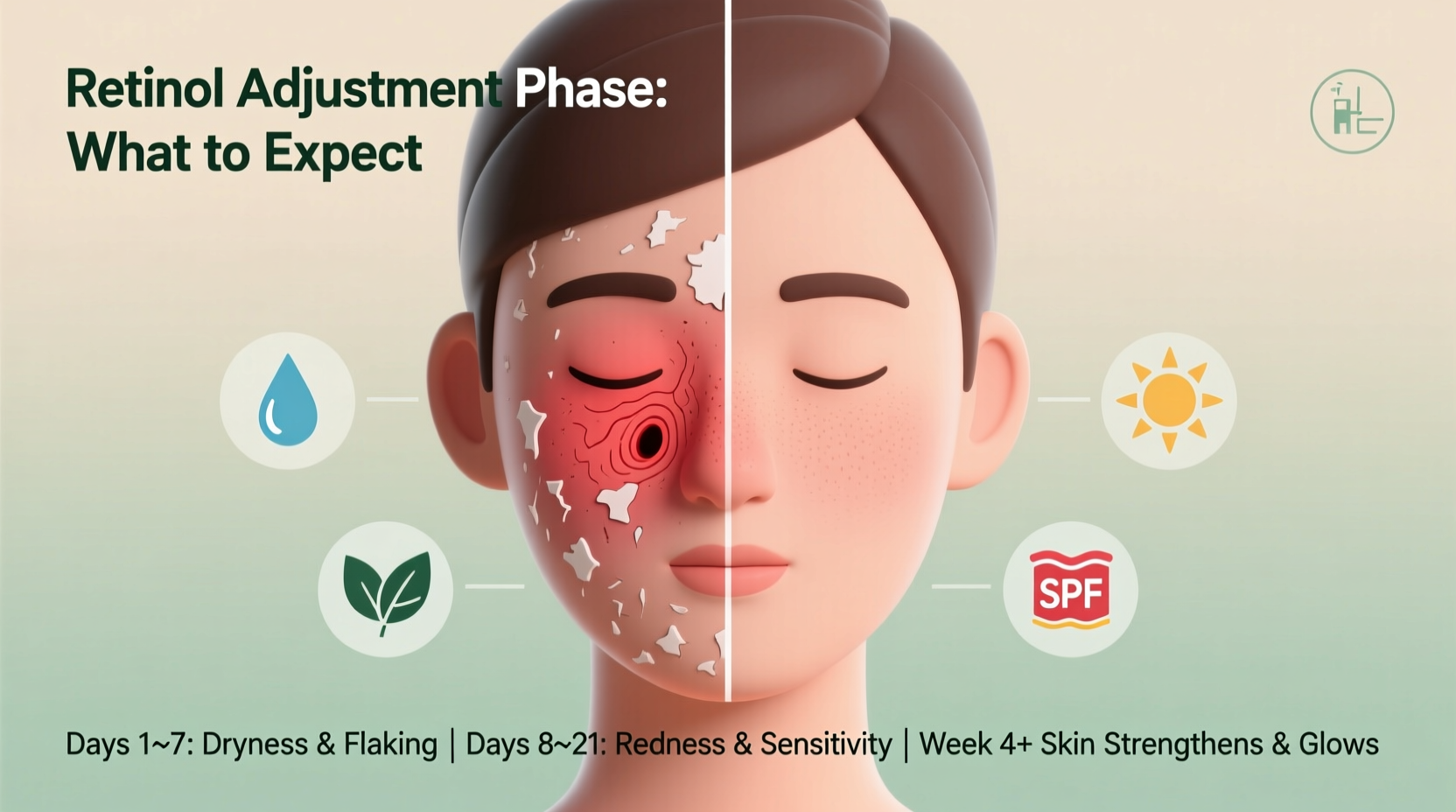
Retinol, a derivative of vitamin A, works by accelerating cellular turnover—the process by which old skin cells are shed and replaced with new ones. This sounds beneficial, and long-term, it absolutely is. However, when you first introduce retinol, this sudden increase in cell renewal disrupts your skin’s equilibrium. The outermost layer begins shedding faster than usual, exposing newer, more sensitive skin underneath before it's fully acclimated.
This disruption often manifests as irritation, dryness, peeling, and even acne-like flare-ups. These reactions are commonly referred to as “retinization,” the adjustment phase that most users undergo. Dermatologists agree that mild to moderate discomfort during the first few weeks is normal—but not inevitable. How your skin responds depends on concentration, frequency, formulation, and your individual skin barrier health.
“Retinol doesn’t cause acne, but it can bring underlying congestion to the surface faster. What looks like a breakout may actually be purging—a temporary clearing-out process.” — Dr. Lena Patel, Board-Certified Dermatologist
Purging vs. Irritation: Knowing the Difference
One of the biggest misconceptions about retinol is that all breakouts caused by it are part of a “purge.” In reality, not every negative reaction is purging. Understanding the difference is critical to deciding whether to continue or discontinue use.
Purging occurs when an active ingredient speeds up the skin cycle, pushing out microcomedones (clogged pores that haven’t surfaced yet). It typically appears in areas where you normally get breakouts and resolves within 4–6 weeks.
Irritation-induced breakouts, on the other hand, result from a compromised skin barrier. When retinol is too strong or used too frequently, it strips moisture and weakens the protective layer, leading to inflammation, redness, and new blemishes—often in atypical areas like the jawline or cheeks.
Key Differences Between Purging and Irritation
| Factor | Purging | Irritation |
|---|---|---|
| Location | Areas where you usually break out | New or unusual zones (e.g., jawline, neck) |
| Type of Blemish | Blackheads, whiteheads, small pimples | Cystic, inflamed, or pustular lesions |
| Duration | 4–6 weeks | Prolongs beyond 6 weeks or worsens |
| Skin Sensation | Mild dryness, slight flakiness | Burning, tightness, visible redness |
| Resolution | Improves with continued use | Worsens unless product is stopped or adjusted |
What to Expect During the First 8 Weeks
The timeline of retinol adaptation varies, but most users follow a predictable pattern if they start slowly and build tolerance. Here’s a week-by-week breakdown of typical experiences:
- Week 1–2: Slight tightness, minor flaking. Skin may feel rougher than usual. No major breakouts expected if starting with a low concentration.
- Week 3–4: Peak of potential purging or irritation. Breakouts may surface; redness and sensitivity become noticeable. This is the make-or-break phase.
- Week 5–6: Improvement begins. Flaking reduces, skin tone evens out, and early signs of smoother texture emerge.
- Week 7–8: Skin stabilizes. Barrier function strengthens, and benefits like reduced pore appearance and fading discoloration become visible.
By week 8, most users who’ve followed a gradual approach report net improvement—even if the middle phase was uncomfortable. However, persistence only pays off if you’re managing the process correctly.
How to Minimize Negative Side Effects
You don’t have to suffer through severe irritation to benefit from retinol. Strategic usage can significantly reduce adverse reactions while still delivering results.
Start Low and Slow
Begin with a low-concentration formula (0.1%–0.3%) and apply it only once or twice a week. Gradually increase frequency every 7–10 days as your skin tolerates it. Avoid jumping straight into prescription-strength tretinoin or high-dose retinol without preparation.
Use the “Sandwich Method”
To buffer retinol and protect your barrier, apply a light moisturizer before and after application. This technique reduces direct exposure and minimizes irritation without sacrificing efficacy.
Avoid Combining with Harsh Actives
Never pair retinol with exfoliating acids (like glycolic or salicylic acid) or vitamin C in the same routine, especially when starting out. These combinations increase pH disruption and elevate the risk of over-exfoliation.
Apply at Night and Use Sunscreen Daily
Retinol increases photosensitivity. Always use it at night and wear broad-spectrum SPF 30+ every morning—even on cloudy days. Skipping sunscreen undermines progress and heightens the risk of pigmentation.
Checklist: Retinol Success Plan
- ✅ Start with a low-strength retinol (0.25% or less)
- ✅ Use 1–2 nights per week initially
- ✅ Apply to completely dry skin
- ✅ Moisturize before and after (sandwich method)
- ✅ Avoid other actives (AHAs, BHAs, vitamin C) for first 4 weeks
- ✅ Wear SPF 30+ daily
- ✅ Increase frequency gradually every 7–10 days
- ✅ Stop immediately if burning, swelling, or oozing occurs
When to Stop Using Retinol
While some discomfort is normal, certain symptoms indicate it’s time to pause or discontinue use:
- Persistent stinging or burning upon application
- Cracking or bleeding skin
- Severe redness resembling a rash
- Increased breakouts lasting beyond 8 weeks
- Allergic reactions such as itching, hives, or swelling
If any of these occur, cease use and focus on repairing your skin barrier. Incorporate ceramides, squalane, and niacinamide into your routine. Once healed, consider reintroducing a gentler retinoid (such as hydroxypinacolone retinoate) or consult a dermatologist for prescription alternatives.
Real Example: Sarah’s Retinol Journey
Sarah, 32, started using an over-the-counter 0.5% retinol serum three times a week to target early signs of aging. By week two, she developed flaky patches around her nose and chin. By week three, small papules appeared along her jawline. Alarmed, she nearly quit—but consulted a licensed esthetician instead.
The professional confirmed she was likely experiencing purging combined with mild irritation due to overuse. Sarah switched to applying the serum only once a week, used a thicker moisturizer, and paused her chemical exfoliant. She also began applying moisturizer first, then retinol on top (reverse sandwich method).
By week six, flaking subsided. Her skin felt smoother, and post-acne marks began fading. At eight weeks, her complexion looked brighter and more even. Sarah now uses retinol twice weekly and credits her success to patience and proper technique.
Frequently Asked Questions
Can retinol cause hormonal acne?
No, retinol does not trigger hormonal acne. However, it can temporarily worsen existing congestion by bringing clogged pores to the surface faster. True hormonal breakouts—deep, painful cysts along the jaw and chin—are not caused by retinol and may require medical treatment.
How long does retinol purge last?
Most purging phases resolve within 4 to 6 weeks. If breakouts persist beyond two months, especially with ongoing irritation, it’s likely not purging but a sign of incompatibility or overuse.
Can I use retinol if I have sensitive skin?
Yes, but with caution. Opt for encapsulated retinol or gentler derivatives like bakuchiol. Start with once-weekly application and prioritize barrier support with soothing ingredients like colloidal oatmeal and panthenol.
Conclusion: Navigating the Retinol Adjustment Phase
Retinol can make your skin appear worse before it improves, but this isn’t universal or unavoidable. Temporary purging and mild irritation are common, especially in the first month, but severe reactions signal misuse or incompatibility. By starting slow, protecting your barrier, and distinguishing between purging and damage, you can harness retinol’s transformative benefits without unnecessary suffering.
Skincare is not one-size-fits-all. Listen to your skin, respect its limits, and adjust accordingly. With consistency and care, most people find that the initial challenges fade—revealing clearer, firmer, more radiant skin beneath.




 浙公网安备
33010002000092号
浙公网安备
33010002000092号 浙B2-20120091-4
Comments
No comments yet. Why don't you start the discussion?