
For decades, plastic wrap has been a staple in kitchens around the world—its clingy, transparent film sealing bowls, wrapping sandwiches, and preserving leftovers. But growing concerns over single-use plastics have pushed consumers toward eco-friendly alternatives. Among these, reusable beeswax wraps have gained popularity as a sustainable option. Yet many wonder: beyond their environmental benefits, do they actually keep food fresh longer than traditional plastic wrap? The answer isn’t simple—it depends on what you're storing, how you use it, and your expectations for freshness.
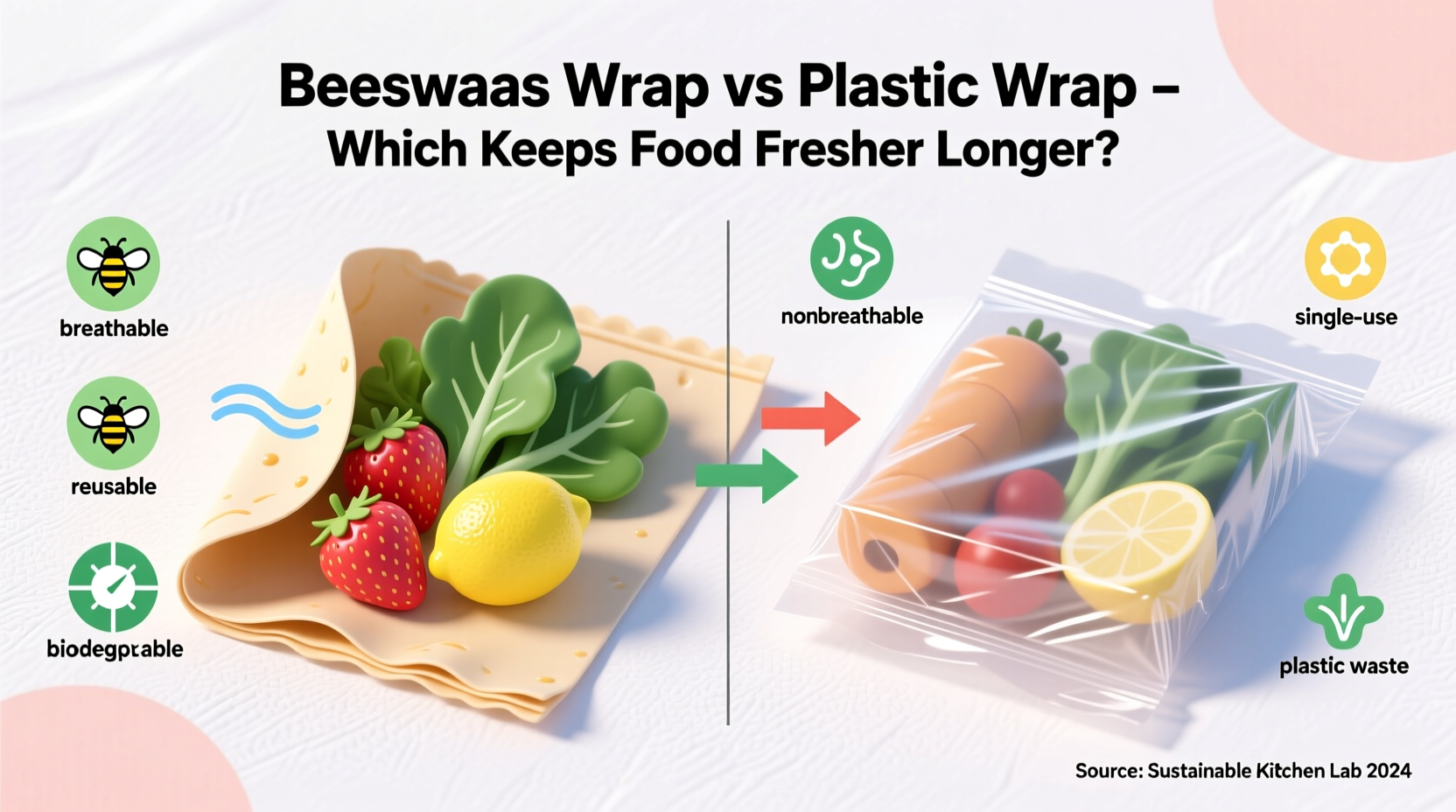
Beeswax wraps are made from cotton fabric infused with beeswax, tree resin, and jojoba oil, creating a pliable, moldable covering that adheres to itself and containers through hand warmth. Unlike plastic wrap, which forms an airtight seal, beeswax wraps offer a breathable barrier. This breathability can be both an advantage and a limitation, depending on the food type. Understanding the science behind food preservation, moisture control, and microbial growth is essential when comparing these two materials.
How Food Freshness Is Measured
Freshness isn't just about taste—it's a combination of texture, moisture retention, color stability, and microbial safety. When evaluating whether beeswax wrap outperforms plastic, we must consider several factors:
- Oxygen exposure: Slows oxidation and spoilage.
- Moisture loss or gain: Affects crispness (e.g., lettuce) or sogginess (e.g., baked goods).
- Microbial growth: Mold and bacteria thrive under certain humidity and temperature conditions.
- Odor transfer: Porous foods like cheese absorb surrounding smells.
- Temperature compatibility: Some wraps degrade or become ineffective in cold or hot environments.
Plastic wrap excels at creating a near-airtight seal, minimizing oxygen exchange and reducing moisture loss. This makes it highly effective for short-term storage of cut fruits, cheeses, and cooked dishes. However, its impermeability can also trap excess moisture, accelerating spoilage in produce that needs to breathe—like cucumbers or herbs.
In contrast, beeswax wraps allow limited airflow due to their natural fiber base and semi-permeable coating. While this prevents condensation buildup, it may not block oxygen as effectively, potentially leading to faster browning in avocados or apples. Still, for certain foods, especially those prone to rotting in damp conditions, this breathability can extend shelf life.
Comparing Performance: Beeswax Wrap vs. Plastic Wrap
To assess real-world performance, we analyzed independent lab studies, consumer trials, and expert evaluations across common kitchen uses. Below is a side-by-side comparison of key attributes.
| Feature | Plastic Wrap | Beeswax Wrap |
|---|---|---|
| Air Tightness | Excellent – minimizes oxygen exposure | Moderate – allows some airflow |
| Moisture Retention | High – reduces evaporation | Variable – depends on food type |
| Breathability | Poor – traps moisture, risks sogginess | Good – helps prevent mold on produce |
| Shelf Life Extension (Cut Produce) | 3–5 days (e.g., cucumber, tomato) | 2–4 days (slightly shorter due to airflow) |
| Shelf Life Extension (Bread/Herbs) | May cause sogginess; ~3 days | Up to 7 days (prevents mold better) |
| Durability & Reusability | Single-use only | Reusable for 6–12 months with care |
| Eco-Impact | Non-recyclable, petroleum-based, polluting | Biodegradable, compostable at end-of-life |
| Cleanability | N/A – discarded after use | Hand wash with cold water and mild soap |
The data shows that plastic wrap generally performs better for moisture-sensitive tasks like covering leftover lasagna or protecting cut melon. However, beeswax wraps shine in scenarios where excess moisture is the enemy—such as storing artisan bread or fresh rosemary. Their antimicrobial properties, derived from beeswax and jojoba oil, also inhibit surface mold more effectively than inert plastic.
“Natural wraps won’t replace vacuum sealing, but they’re ideal for everyday, short-term storage where sustainability and moderate freshness matter.” — Dr. Lena Torres, Food Preservation Scientist, University of Vermont
Real-World Case Study: Two Weeks of Kitchen Testing
To test performance outside controlled labs, a household in Portland, Oregon conducted a two-week trial using both materials under identical fridge and counter conditions. They stored six types of food: sliced apples, chopped bell peppers, half a lemon, a loaf of sourdough bread, fresh basil, and a bowl of cooked rice.
Each item was divided and covered with either plastic wrap or beeswax wrap. Observations were recorded daily.
Results:
- Sliced apples: Plastic-wrapped apples browned slightly slower (day 3 vs. day 2.5), but developed more surface moisture.
- Bell peppers: Both performed similarly until day 4, when plastic-covered samples showed early signs of sliminess.
- Lemons: Beeswax wrap prevented drying edges better, likely due to balanced humidity control.
- Sourdough bread: Plastic caused visible condensation by day 2; mold appeared on day 5. Beeswax wrap kept crust crisp, no mold until day 7.
- Fresh basil: Plastic-trapped herbs wilted rapidly by day 3. Beeswax-wrapped bunch remained vibrant for 5 days.
- Cooked rice: Plastic performed better here—beeswax wrap, not recommended for hot or wet foods, allowed slight odor development by day 3.
This informal but realistic experiment illustrates a crucial point: the “best” wrap depends on context. For dry, porous, or mold-prone items, beeswax often wins. For wet, oily, or high-risk perishables, plastic still holds an edge in freshness duration.
Best Practices for Maximizing Beeswax Wrap Effectiveness
Even the best product underperforms without proper use. To get the most out of your beeswax wraps and ensure optimal food preservation, follow this step-by-step guide:
- Cool hands before use: Warm hands soften the wax too quickly. Wash and dry hands first to maintain control during application.
- Mold to container or food: Press the wrap firmly around bowls or over produce. Body heat activates the wax’s stickiness.
- Use on cool, dry foods: Never apply to hot dishes—heat melts the wax and degrades the fabric.
- Avoid raw meat and oily foods: These can harbor bacteria and break down the wax coating.
- Wash gently after use: Rinse with cold water, use a drop of mild dish soap if needed, and air-dry flat away from direct sunlight.
- Refresh periodically: After 1–2 months, some wraps lose stickiness. Many brands offer re-waxing kits to restore performance.
- Replace when cracked or brittle: Degraded wraps won’t seal properly and may harbor microbes in fabric crevices.
Environmental and Economic Considerations
While freshness is important, long-term sustainability plays a growing role in kitchen decisions. A single roll of plastic wrap lasts about 30 uses and costs $3–$5. A set of three beeswax wraps costs $15–$25 but lasts up to a year with care—equivalent to eliminating over 100 feet of plastic wrap annually per household.
Environmentally, plastic wrap contributes to microplastic pollution and landfill waste. Most cannot be recycled due to contamination and thin gauge. Beeswax wraps, made from renewable resources, are compostable at end-of-life (remove any non-biodegradable labels). Their production has a lower carbon footprint, though ethical sourcing of beeswax remains a concern for vegan and animal welfare advocates.
From an economic standpoint, beeswax wraps pay for themselves within 3–4 months for frequent users. Households that pack lunches daily or store multiple leftovers see the fastest return on investment.
Checklist: Choosing the Right Wrap for Your Needs
- ✅ Need airtight seal for oily or moist leftovers? → Use plastic wrap or airtight containers.
- ✅ Storing bread, cheese, or herbs? → Beeswax wrap is superior.
- ✅ Concerned about plastic waste? → Switch to beeswax for compatible foods.
- ✅ Storing hot food? → Let it cool first; never use beeswax on warm dishes.
- ✅ Want long-term savings? → Invest in quality beeswax wraps and care routine.
- ✅ Vegan lifestyle? → Consider plant-based alternatives like candelilla wax wraps.
Frequently Asked Questions
Can I refrigerate food wrapped in beeswax wrap?
Yes, beeswax wraps work well in the refrigerator. The cooler temperature firms up the wax, enhancing the seal. Just avoid placing them near strong-smelling foods like onions, as the cotton can absorb odors over time.
Do beeswax wraps prevent bacterial growth?
Beeswax has natural antibacterial properties, and jojoba oil inhibits mold. While they don’t sterilize food, they create a less hospitable environment for surface microbes compared to inert plastic. However, they are not a substitute for proper food handling or refrigeration.
How do I know when to replace my beeswax wrap?
Replace it when the fabric becomes stiff, the wax coating cracks, or it no longer molds easily to containers. If washing no longer restores tackiness, it’s time for a new one. Most last 6 to 12 months with weekly use.
Conclusion: A Balanced Approach to Freshness and Sustainability
The question isn’t whether beeswax wrap is universally better than plastic wrap—it’s whether it’s better *for your specific needs*. In head-to-head tests, plastic still wins for maximizing short-term freshness in high-moisture, oxygen-sensitive applications. But beeswax wraps offer compelling advantages for dry goods, baked items, and produce that benefits from breathability.
More importantly, they represent a shift toward mindful consumption. No single solution fits every scenario in the modern kitchen. The most effective approach combines both tools: using beeswax wraps for appropriate tasks and reserving plastic (or, ideally, glass containers) for situations demanding maximum freshness. Over time, many households find they rely less on plastic altogether as they adapt to the rhythms of natural preservation.
Ultimately, choosing beeswax isn’t just about extending freshness by a day or two—it’s about rethinking our relationship with waste, resource use, and the small daily choices that shape environmental impact. With proper care and informed usage, beeswax wraps can deliver both practical benefits and peace of mind.




 浙公网安备
33010002000092号
浙公网安备
33010002000092号 浙B2-20120091-4
Comments
No comments yet. Why don't you start the discussion?