
In an age where smartphones are extensions of our hands, screen time tracking has become a standard feature across devices. Apple’s Screen Time, Google’s Digital Wellbeing, and third-party apps promise greater awareness and control over our digital consumption. But while these tools aim to promote healthier habits, they may also be fueling a new kind of anxiety—one rooted in constant self-monitoring and guilt over usage. As we gain more data about our digital lives, are we becoming more mindful—or more stressed?
The intention behind screen time tracking is sound: understand your habits, set limits, and reclaim attention. However, for many users, the experience is less about empowerment and more about judgment. The red bars on weekly reports, the alerts when you exceed your app limits, and the stark comparisons between “productive” and “wasteful” apps can trigger feelings of failure rather than progress.
The Rise of Digital Self-Surveillance
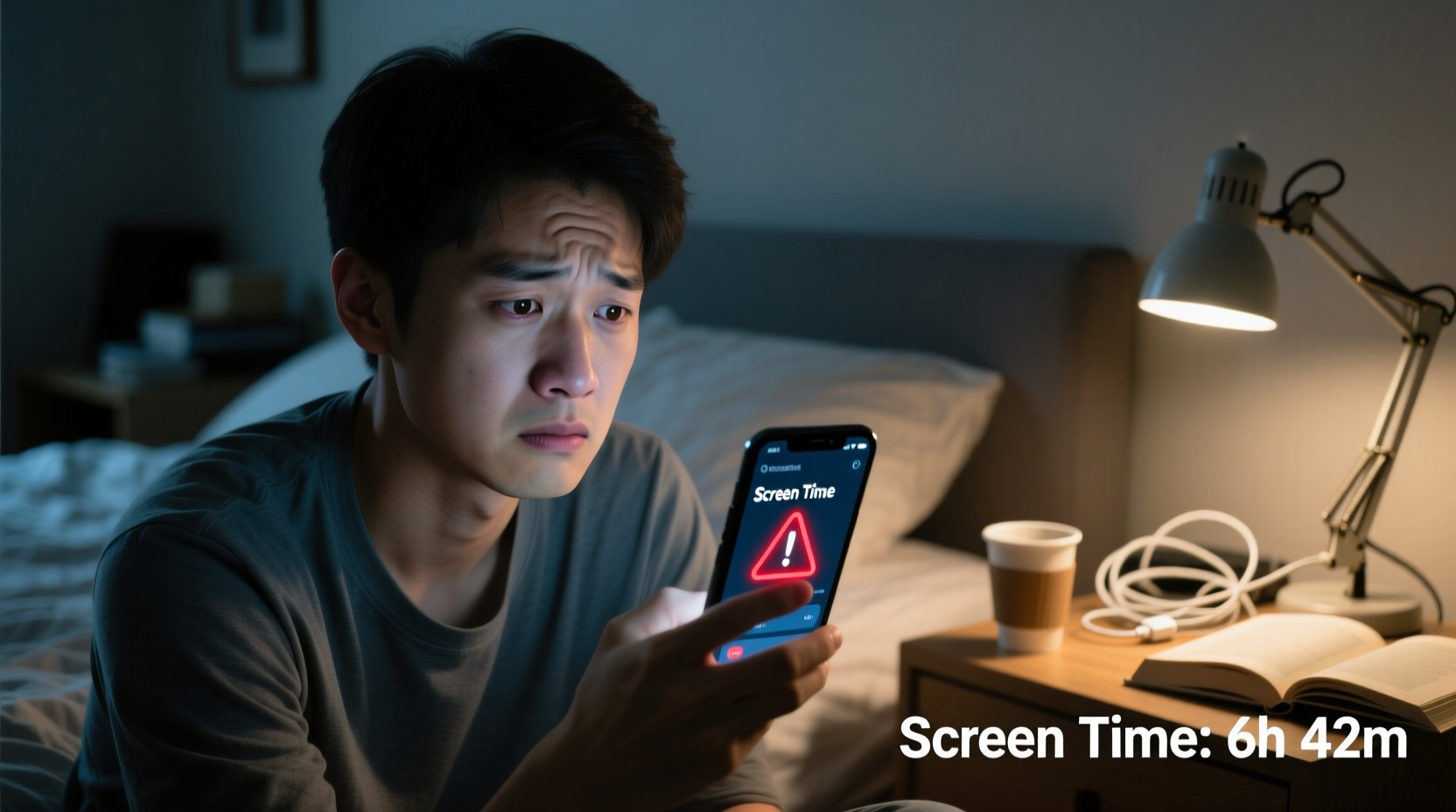
Screen time tracking turns every tap, scroll, and notification into measurable data. This shift reflects a broader cultural trend toward quantifying personal behavior—steps taken, calories burned, sleep cycles, and now, minutes spent on Instagram. While self-tracking can support goal-setting, it also introduces a performance mindset to everyday activities.
When checking social media becomes a metric subject to review, it's no longer just a casual habit—it's a behavior under scrutiny. Psychologists refer to this phenomenon as “self-surveillance,” where individuals internalize external monitoring systems and begin policing their own actions. Over time, this can erode intrinsic motivation and amplify stress.
The Psychological Impact of Usage Reports
A 2023 study published in Computers in Human Behavior found that participants who received daily screen time summaries reported higher levels of digital guilt and lower mood, even when their actual usage didn’t change. The mere awareness of being monitored altered their emotional response to technology.
This effect is amplified by how the data is presented. Most screen time dashboards emphasize total hours, app rankings, and percentage increases—formats that naturally invite comparison and self-criticism. Few platforms highlight positive trends, such as reduced late-night usage or longer breaks between sessions.
“We’ve designed feedback systems that shame more than they support. When people see a red bar next to ‘Social Media,’ they don’t think, ‘I’m human.’ They think, ‘I failed again.’” — Dr. Lena Patel, Cognitive Behavioral Therapist specializing in digital wellness
The irony is that the very tool meant to reduce compulsive phone use can reinforce it. Users report checking their screen time stats multiple times a day, sometimes more than they check their messages. This compulsive data-checking mimics the behaviors these tools aim to curb.
When Awareness Turns Into Obsession
Consider the case of Maya, a 28-year-old graphic designer from Portland. After enabling Screen Time to reduce her Instagram use, she began setting aggressive limits—30 minutes per day. Each time she hit her cap, a gray overlay appeared, blocking access. Initially, it helped. But within weeks, Maya started feeling anxious if she hadn’t used her full allowance by evening, leading her to “use it or lose it” scrolling.
She also began gaming the system—switching devices, using browsers instead of apps, or disabling restrictions after a stressful day. The result? She spent more time managing her tracking than actually changing her habits. “It felt like I was cheating on a diet,” she said. “But the scale was my phone.”
Maya’s experience isn’t isolated. Clinical psychologists report a growing number of patients distressed by their screen time reports, describing symptoms akin to orthorexia—a fixation on “correct” behavior that undermines well-being.
Do’s and Don’ts of Healthy Screen Time Monitoring
To avoid falling into the anxiety trap, consider how you engage with tracking tools. The following table outlines common behaviors and their psychological consequences:
| Behavior | Recommended? | Rationale |
|---|---|---|
| Checking screen time multiple times a day | No | Encourages obsessive monitoring; increases anxiety without improving habits. |
| Setting rigid app limits without flexibility | No | Can lead to frustration and all-or-nothing thinking; real life requires adaptability. |
| Reviewing weekly reports once, reflectively | Yes | Provides context for long-term trends without daily pressure. |
| Using downtime settings during sleep hours | Yes | Supports circadian rhythm and reduces nighttime disruption. |
| Comparing your usage to others’ | No | Misleading and counterproductive; usage varies by job, lifestyle, and needs. |
Towards a Healthier Relationship with Tracking
The solution isn’t to abandon screen time tools altogether, but to use them with intention. Like a fitness tracker, screen time data is most useful when it informs—not dictates—behavior. Here’s a step-by-step approach to using tracking mindfully:
- Define your purpose. Are you trying to sleep better? Reduce distraction at work? Be more present with family? Clarity of intent helps focus on meaningful changes.
- Limit data checks. Review your screen time once a week, ideally at the same time (e.g., Sunday evening). Avoid real-time monitoring.
- Look for patterns, not numbers. Instead of fixating on “3 hours on TikTok,” ask: Was I bored? Stressed? Procrastinating? Context matters more than duration.
- Adjust one variable at a time. Try delaying your first check of email by 30 minutes, or moving social media off your home screen. Small shifts create sustainable change.
- Remove judgment from the process. A high usage day isn’t a moral failure. It might reflect a busy week, emotional need, or creative research.
- Take breaks from tracking. Consider a “digital detox” from the tracker itself every few months. Reassess whether it’s still serving you.
What the Research Says About Effectiveness
A 2022 meta-analysis of 47 studies on digital wellbeing tools concluded that while screen time tracking increases awareness, it rarely leads to sustained behavioral change. Only 18% of participants maintained reduced usage beyond three months. Notably, those who combined tracking with behavioral strategies—like environmental design (e.g., turning off notifications) or mindfulness practices—were more successful.
This suggests that data alone is insufficient. Lasting change requires understanding the “why” behind usage and building supportive habits. For example, someone scrolling late at night might benefit more from a bedtime routine than a 10 PM app lockout.
“Tools don’t change behavior—people do. Technology should support human goals, not replace self-awareness.” — Dr. Rajiv Mehta, Director of the Center for Digital Habit Research, MIT
Alternatives to Constant Monitoring
For those who find screen time tracking counterproductive, there are gentler approaches to digital wellness:
- Behavioral nudges: Use grayscale mode to reduce visual appeal of apps, or enable notification summaries to batch alerts.
- Environmental design: Charge your phone outside the bedroom, keep tablets in a shared space, or use a physical alarm clock.
- Mindful tech practices: Practice “phone-free zones” during meals or conversations. Try a five-minute breathing exercise before unlocking your device.
- Digital sabbaticals: Designate one day a month as screen-light—limit non-essential usage and reconnect with offline activities.
These methods focus on reducing temptation and increasing intentionality without relying on surveillance. They align with behavioral science principles that emphasize ease and environment over willpower.
FAQ
Does screen time tracking actually reduce usage?
Short-term, yes—for some users. Studies show modest reductions in the first few weeks. However, long-term adherence is low, and many revert to previous habits. Success depends on combining tracking with deeper behavioral strategies.
Should I disable screen time tracking if it stresses me out?
If it causes anxiety, guilt, or obsessive behavior, stepping back is wise. Tracking should serve your well-being, not undermine it. Consider alternative approaches focused on habit design rather than measurement.
Are some people more prone to screen time anxiety?
Yes. Individuals with tendencies toward perfectionism, self-criticism, or obsessive-compulsive traits may be more vulnerable. If you have a history of disordered behaviors around food, exercise, or productivity, apply similar caution to digital tracking.
Conclusion: Reclaiming Control Without Self-Policing
Screen time tracking was introduced with noble intentions: to help us live more intentionally in a hyperconnected world. But its current form often conflates awareness with accountability, turning personal data into a report card. For many, this breeds anxiety rather than autonomy.
The path forward isn’t less information—it’s wiser engagement with it. We must shift from a culture of digital shame to one of compassionate self-understanding. Tools should illuminate patterns, not punish deviations. They should support rest, reflection, and connection—not become another source of stress.
If your screen time dashboard leaves you feeling worse about yourself, it’s time to reassess. Turn it off. Journal instead. Sit with boredom. Rediscover what it feels like to use technology without being watched—even by yourself.




 浙公网安备
33010002000092号
浙公网安备
33010002000092号 浙B2-20120091-4
Comments
No comments yet. Why don't you start the discussion?