
For many, slipping into bed with a pair of cozy socks feels like a small luxury—especially during colder months. But beyond comfort, a growing number of people are asking: Is sleeping with socks on actually healthy? And more specifically, can this simple habit enhance blood flow and support better circulation? The answer isn't just a yes or no; it depends on individual health, the type of socks worn, and underlying conditions. This article dives deep into the science behind nocturnal sock-wearing, its circulatory benefits, potential risks, and best practices for optimizing both sleep and vascular health.
The Science Behind Warming Feet and Sleep Regulation
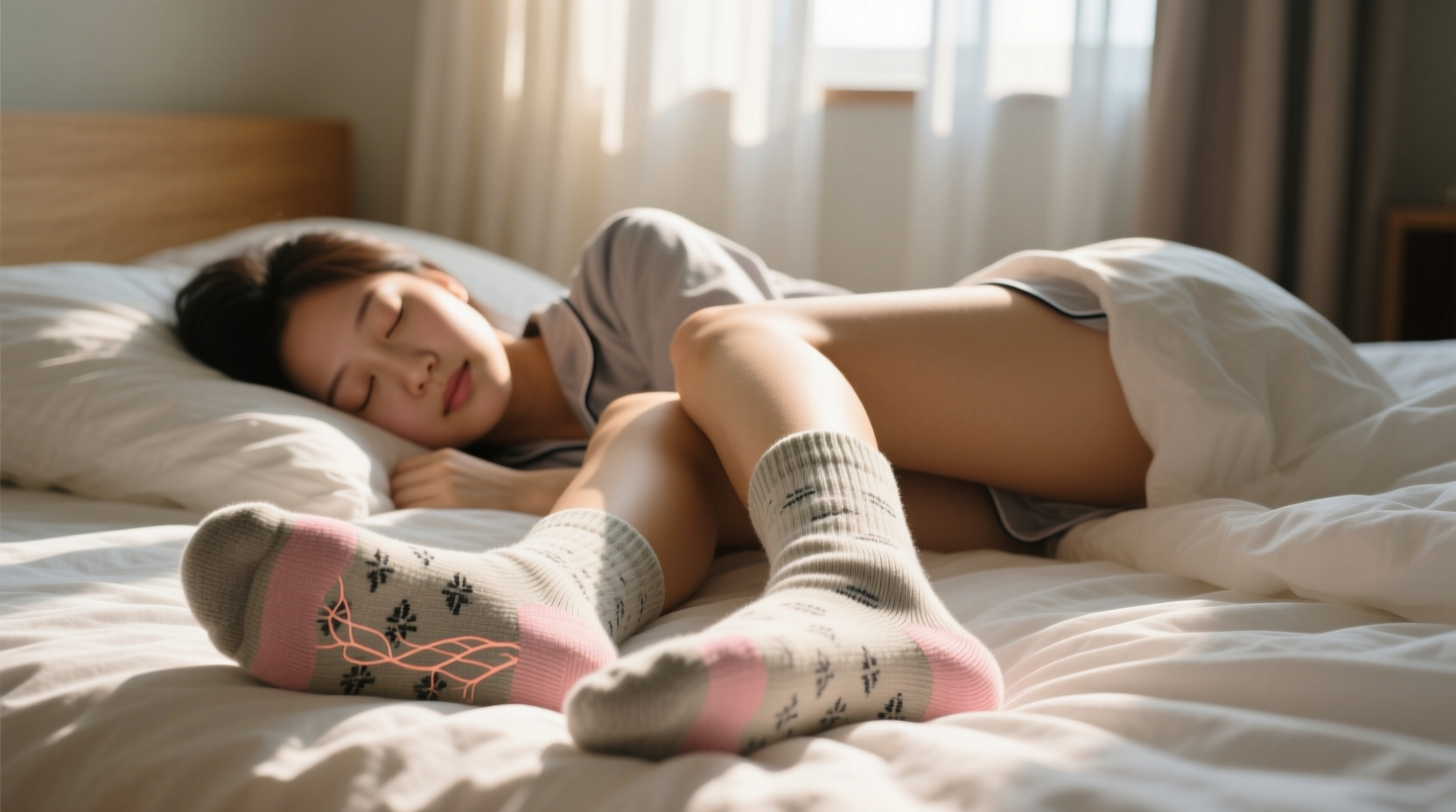
The human body follows a natural thermoregulatory rhythm as part of its sleep-wake cycle. Core body temperature drops slightly in the evening to signal the brain that it's time to rest. One way the body dissipates heat is through the extremities—particularly the hands and feet. When feet are warmed, blood vessels near the skin dilate (a process called vasodilation), increasing blood flow and helping to lower core temperature more efficiently.
Research published in the journal *Nature* has shown that warm feet before bedtime correlate with faster sleep onset and improved sleep quality. In one study, participants who wore socks to bed fell asleep an average of 7.5 minutes faster than those who didn’t. This effect is attributed to the role of the distal skin temperature in triggering the body’s internal clock.
“Warming the feet before bed sends a strong signal to the brain’s sleep center that it’s time to wind down.” — Dr. Christopher Winter, Sleep Specialist and Author of *The Sleep Solution*
This mechanism doesn’t just promote quicker sleep—it may also support cardiovascular function by encouraging consistent peripheral blood flow during the night.
How Socks May Improve Circulation During Sleep
Circulation refers to the movement of blood through arteries, capillaries, and veins. Poor circulation—often experienced as cold hands and feet, numbness, or tingling—can stem from various causes, including Raynaud’s disease, diabetes, peripheral artery disease (PAD), or simply low ambient temperatures.
Wearing socks to bed can aid circulation in several ways:
- Vasodilation stimulation: Warm feet trigger dilation of blood vessels, allowing more oxygenated blood to reach the extremities.
- Reduced vasoconstriction: Cold exposure causes blood vessels to constrict, limiting flow. Socks act as insulation, preventing this response.
- Improved endothelial function: Consistent warmth may support the lining of blood vessels, promoting healthier vascular responses over time.
A 2020 review in the *Journal of Clinical Sleep Medicine* noted that patients with mild circulatory issues reported fewer nighttime leg cramps and less discomfort when wearing lightweight thermal socks. However, the key lies in moderation—overheating or using overly tight socks can negate these benefits.
Potential Risks and Who Should Be Cautious
While generally safe for most people, sleeping with socks on isn’t universally beneficial. Certain individuals should exercise caution—or avoid the practice altogether.
People with diabetes, for example, often experience reduced sensation in their feet (diabetic neuropathy). If socks are too tight or have seams that rub, they may cause unnoticed pressure sores or restrict blood flow, increasing the risk of ulcers. Similarly, those with venous insufficiency or edema might find that compression-like effects from snug socks worsen swelling.
Additionally, overheating can disrupt sleep architecture. Excess warmth may lead to night sweats, increased wakefulness, or even contribute to insomnia in sensitive individuals.
| Group | Benefit Potential | Risks |
|---|---|---|
| Healthy adults | High – improves sleep onset and comfort | Minimal if proper socks used |
| Older adults | Moderate – helps counter age-related poor circulation | Skin fragility, sensitivity to pressure |
| Diabetics | Low to moderate – only with doctor approval | Unnoticed irritation, infection risk |
| Raynaud’s patients | High – reduces vasospasm episodes at night | Overheating may trigger rebound symptoms |
| People with swollen legs | Low – may exacerbate fluid retention | Increased discomfort, restricted flow |
When Socks Become a Problem
Tight elastic bands around the ankle can compress superficial veins and nerves, potentially leading to temporary numbness or even contributing to circulatory stagnation. Avoid socks with thick, restrictive cuffs. Also, synthetic materials that trap moisture increase the risk of fungal infections like athlete’s foot, particularly in humid environments.
Best Practices for Healthy Nocturnal Sock-Wearing
If you're considering adding socks to your bedtime routine for better circulation or sleep quality, follow these evidence-based guidelines to maximize benefits and minimize risks.
- Choose the right material: Opt for breathable, moisture-wicking fabrics such as merino wool, bamboo, or cotton blends. Avoid polyester-heavy socks unless designed for thermal regulation.
- Ensure a loose fit: Socks should stay on without squeezing the ankle or toes. Look for “bed socks” or “recovery socks” labeled as non-binding.
- Maintain hygiene: Wear clean socks every night and wash them regularly to prevent bacterial or fungal buildup.
- Monitor foot condition: Check your feet daily for red marks, blisters, or signs of irritation, especially if you have neuropathy.
- Regulate bedroom temperature: Keep the room cool (around 65°F or 18°C) while warming the feet—this combination supports ideal sleep physiology.
Real Example: Managing Raynaud’s Symptoms at Night
Sarah, a 42-year-old office worker diagnosed with Raynaud’s phenomenon, struggled with painfully cold feet each winter night. Her fingers and toes would turn white and numb when exposed to cold—even indoors. After consulting her rheumatologist, she began wearing lightweight, seamless thermal socks to bed made from a blend of merino wool and spandex.
Within two weeks, Sarah noticed she was falling asleep faster and waking less frequently due to foot discomfort. She also started using a humidifier to prevent dry air from cracking her skin. Her doctor emphasized avoiding tight socks and checking for discoloration. Over time, Sarah integrated this habit into a broader strategy—including stress reduction and avoiding caffeine late in the day—which collectively reduced her Raynaud’s flare-ups by nearly 60%.
This case illustrates how targeted interventions, even seemingly minor ones like bedtime socks, can significantly impact circulatory comfort when tailored to individual needs.
Frequently Asked Questions
Can wearing socks to bed cause poor circulation?
Only if the socks are too tight. Socks with constricting elastic bands can compress blood vessels and nerves, reducing blood flow. As long as socks are loose-fitting and non-binding, they are unlikely to impair circulation—and may actually improve it by promoting warmth-induced vasodilation.
Are there special socks designed for sleeping?
Yes. Many brands now offer \"bed socks\" or \"recovery socks\" specifically engineered for overnight wear. These typically feature seamless toes, non-slip soles, breathable fabric, and gentle elasticity. Some even incorporate copper or silver fibers for antimicrobial properties.
Is it bad to wear socks every night?
No, not inherently. For most people, wearing socks nightly is safe and may enhance sleep quality and foot warmth. However, if you notice excessive sweating, odor, or skin irritation, reevaluate the material or frequency. People with medical conditions affecting the feet should consult a healthcare provider before adopting the habit long-term.
Step-by-Step Guide: How to Safely Start Sleeping with Socks
Adopting this habit correctly ensures you gain the benefits without unintended side effects. Follow this sequence:
- Assess your health: If you have diabetes, neuropathy, or vascular disease, speak with your doctor first.
- Select appropriate socks: Buy a pair labeled for sleep or recovery—loose, breathable, and seamless.
- Test for fit: Put them on before bed. Ensure no pinching, sliding, or pressure points.
- Warm feet gently: Take a warm (not hot) foot bath or use a heating pad briefly before putting on socks.
- Monitor results: Track changes in sleep onset, foot temperature, and comfort over a week.
- Adjust as needed: Switch materials or brands if you experience sweating or discomfort.
“The feet are a thermostat for the brain. When they’re warm, the body interprets that as a signal to relax and prepare for deep rest.” — Dr. Matthew Walker, Neuroscientist and Author of *Why We Sleep*
Conclusion: A Simple Habit With Meaningful Impact
Sleeping with socks on is more than a comfort ritual—it’s a small behavioral tweak with potential ripple effects on sleep quality and circulatory health. For many, especially those prone to cold extremities or struggling with sleep initiation, this practice offers a drug-free, cost-effective way to support well-being. The science is clear: warm feet facilitate faster sleep onset and may enhance peripheral blood flow through vasodilation.
However, like any health habit, context matters. Choosing the right socks, ensuring a proper fit, and understanding personal health conditions are crucial steps in making this practice safe and effective. When done correctly, wearing socks to bed becomes a subtle yet powerful ally in the pursuit of restorative sleep and improved circulation.




 浙公网安备
33010002000092号
浙公网安备
33010002000092号 浙B2-20120091-4
Comments
No comments yet. Why don't you start the discussion?