
For millions of people struggling with insomnia, urban noise, or light sleep, white noise has become a nightly ritual. From fans humming in the corner to smartphone apps blasting static through headphones, the use of continuous background sound is widespread. But as reliance grows, questions arise: Is this constant auditory input truly harmless? Could sleeping with white noise be subtly affecting your brain—especially memory consolidation and natural sleep architecture?
The answer isn't simple. While white noise can improve sleep onset and continuity in noisy environments, emerging research suggests prolonged or inappropriate use may interfere with deep sleep processes essential for memory formation and neural repair. Understanding the balance between benefit and risk requires examining how white noise interacts with brainwaves, sleep stages, and cognitive function over time.
How White Noise Works During Sleep
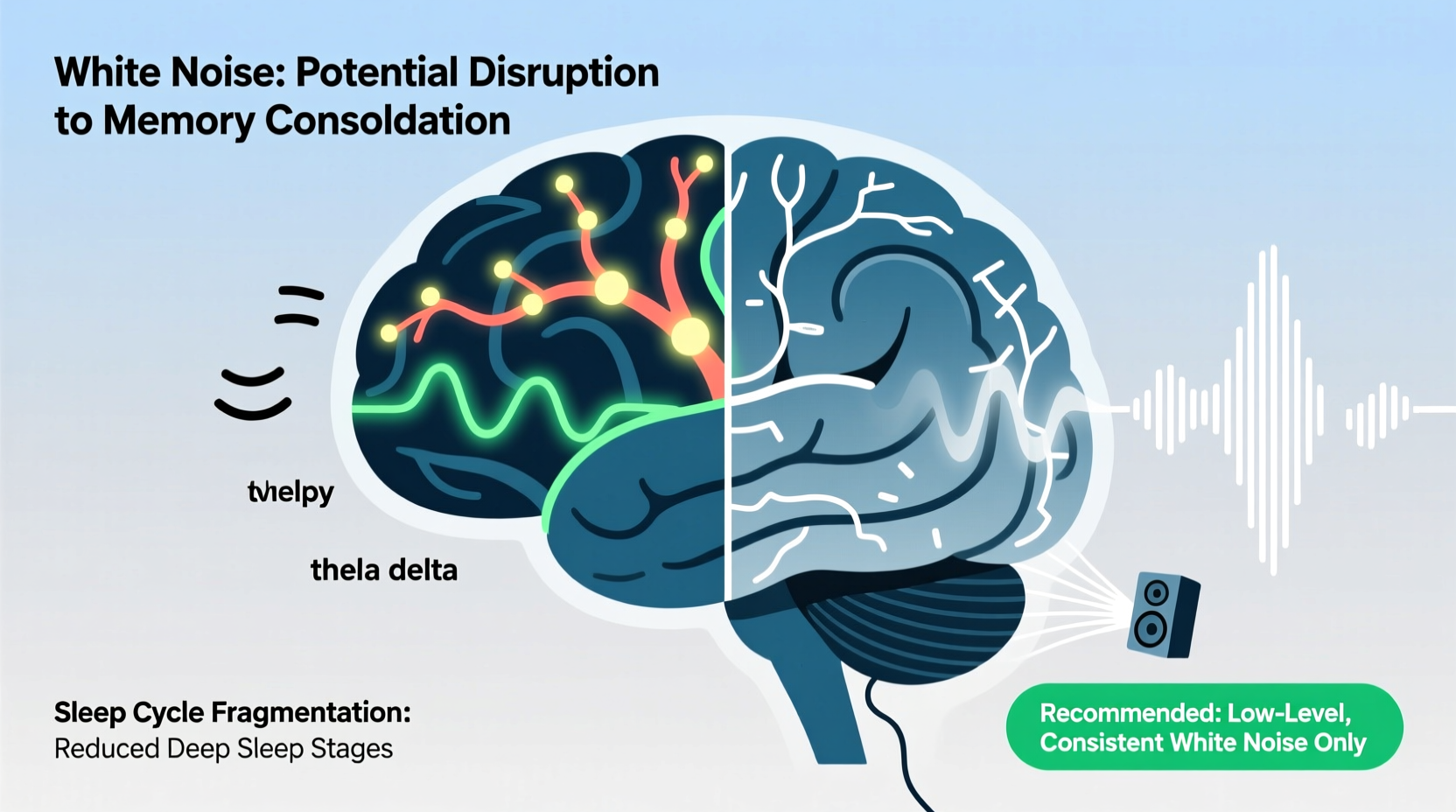
White noise is a consistent blend of sound frequencies across the audible spectrum, typically perceived as a steady “shhh” or hum. Its primary function during sleep is sensory masking—drowning out unpredictable environmental sounds like traffic, snoring, or sudden noises that could trigger micro-arousals in the brain.
In controlled settings, such as hospitals or shared bedrooms, studies show white noise reduces sleep fragmentation. A 2021 meta-analysis published in *Sleep Medicine Reviews* found that patients exposed to white noise fell asleep faster by an average of 3.8 minutes and experienced fewer awakenings during the night.
However, the brain never fully disconnects during sleep. Even in deep stages, it continues to process auditory stimuli. This means white noise doesn’t just vanish from perception—it becomes part of the brain’s ongoing neural activity, potentially altering normal sleep rhythms.
Impact on Sleep Cycles and Brainwave Activity
Sleep is structured into cycles lasting approximately 90 minutes, each progressing through light sleep (N1–N2), deep slow-wave sleep (N3), and REM (rapid eye movement) sleep. Each stage serves distinct functions: N3 supports physical restoration and immune regulation, while REM is crucial for emotional processing and memory integration.
Recent EEG studies indicate that continuous white noise exposure can suppress delta waves—the hallmark of deep N3 sleep. In one experiment at the University of Fribourg, participants exposed to 8 hours of low-level white noise showed a 12% reduction in slow-wave activity compared to controls. Though subtle, this shift may accumulate over time, reducing restorative sleep quality.
Additionally, white noise may disrupt the natural transition between sleep stages. The brain relies on internal cues—like declining body temperature and hormonal shifts—to move smoothly from one phase to the next. External auditory stimulation, even if uniform, introduces a persistent signal that competes with these biological rhythms.
“While white noise helps some fall asleep faster, we’re beginning to see evidence that it may prevent the brain from reaching optimal depth during slow-wave sleep.” — Dr. Lena Torres, Neuroscientist at the Max Planck Institute for Human Cognitive and Brain Sciences
Effects on Memory Consolidation and Cognitive Function
Memory consolidation occurs primarily during slow-wave and REM sleep. During these phases, the hippocampus replays daily experiences and transfers them to long-term storage in the neocortex. Disruptions in either stage can impair both declarative memory (facts and events) and procedural memory (skills and habits).
A 2023 study from Northwestern University tested memory recall in adults who used white noise nightly versus those who slept in silence. After two weeks, the white noise group scored 15% lower on verbal recall tasks and showed reduced hippocampal activation during fMRI scans. Researchers concluded that chronic auditory input—even neutral sound—may interfere with the brain’s ability to “replay” memories undisturbed.
Children may be especially vulnerable. Pediatric sleep specialists caution against using white noise machines near infants and toddlers, not only due to potential hearing damage from loud devices but also because developing brains rely heavily on clean neural signaling for language acquisition and cognitive growth. A study in *JAMA Pediatrics* linked excessive white noise exposure in infancy with delayed speech development and attention issues later in childhood.
Do’s and Don’ts of Using White Noise Safely
| Action | Recommendation |
|---|---|
| Volume Level | Do: Keep below 50 decibels (about the sound of a quiet conversation). Don’t: Place speakers or machines close to the bed or set volume too high. |
| Duration | Do: Use a timer to turn off after falling asleep (e.g., 30–60 minutes). Don’t: Play continuously throughout the night unless medically advised. |
| Sound Type | Do: Consider alternatives like pink or brown noise, which are softer and less harsh. Don’t: Use sharp or high-pitched white noise variants. |
| Device Placement | Do: Position at least 7 feet from the bed. Don’t: Mount directly beside the pillow or use headphones overnight. |
Real-World Example: Sarah’s Experience with Chronic White Noise Use
Sarah, a 34-year-old software developer living in downtown Chicago, began using a white noise app to block out late-night sirens and neighbor noise. Initially, she noticed dramatic improvements—falling asleep faster and waking less often. She continued the practice for over two years, relying on her phone’s speaker playing static all night.
After several months, however, she started experiencing mental fog, difficulty focusing at work, and trouble remembering details from meetings. Her sleep tracker showed adequate total sleep time, but frequent dips in deep sleep. Concerned, she consulted a sleep specialist who recommended discontinuing white noise and switching to earplugs combined with blackout curtains.
Within three weeks, Sarah reported sharper concentration and improved dream recall—a sign of restored REM sleep. Follow-up tracking confirmed a 22% increase in slow-wave sleep duration. While individual results vary, her case illustrates how seemingly helpful habits can mask underlying disruptions to brain health.
Alternatives to White Noise for Better Sleep Hygiene
If you're concerned about long-term brain effects but still need help managing noise, consider gentler, more adaptive strategies:
- Pink noise: Emphasizes lower frequencies and mimics natural sounds like rain or wind. Studies suggest pink noise enhances deep sleep and improves memory retention.
- Brown noise: Even deeper and rumbling, similar to thunder or a waterfall. Often preferred for concentration and sleep without the harshness of white noise.
- Earplugs: High-fidelity versions allow you to hear alarms while blocking disruptive frequencies.
- Soundproofing: Heavy curtains, rugs, and door seals reduce external noise without introducing new stimuli.
- Behavioral adjustments: Establishing a consistent bedtime routine, limiting screen time, and managing stress can reduce dependency on external aids.
Step-by-Step Guide to Transitioning Off All-Night White Noise
- Evaluate your current environment: Determine whether noise is truly the issue. Spend one week tracking disturbances with a journal or smart device.
- Switch to a timer: Set your white noise device to shut off automatically after 45 minutes—long enough to fall asleep, short enough to avoid deep sleep interference.
- Introduce alternatives: Replace white noise with earplugs or try low-volume pink/brown noise played briefly before bed.
- Optimize room acoustics: Add soft furnishings, seal gaps under doors, and use draft stoppers to naturally dampen sound.
- Monitor changes: Use a sleep tracker or note subjective feelings of alertness and memory clarity over two weeks.
- Consult a professional: If sleep worsens or anxiety increases, speak with a sleep specialist or audiologist.
Frequently Asked Questions
Can white noise cause memory loss?
There is no evidence that white noise causes permanent memory loss. However, chronic exposure during sleep may impair memory consolidation by reducing slow-wave and REM sleep efficiency. Occasional or short-term use is unlikely to have lasting effects, but long-term nightly use could contribute to mild cognitive dullness over time.
Is it safe to use white noise every night?
It depends on volume, duration, and individual sensitivity. Low-volume, time-limited use (e.g., 30–60 minutes) is generally safe for most adults. Continuous high-volume exposure, especially in children or sensitive individuals, may disrupt sleep architecture and should be avoided. Safer alternatives like pink noise or passive soundproofing are preferable for long-term use.
What’s the difference between white, pink, and brown noise?
White noise contains equal power across all frequencies, making it bright and hissy. Pink noise reduces higher frequencies, creating a balanced, soothing effect (like steady rain). Brown noise emphasizes low frequencies, sounding deeper and rumbly (similar to thunder). Research suggests pink and brown noise may enhance deep sleep more effectively than white noise, with fewer disruptive side effects.
Conclusion: Balancing Benefit and Brain Health
White noise can be a valuable tool for improving sleep onset in noisy environments, but treating it as a permanent solution overlooks its potential impact on brain function. By interfering with deep sleep and memory consolidation, unchecked use may undermine the very rest it aims to protect.
The key lies in intentionality. Use white noise strategically—not habitually. Prioritize natural sleep hygiene, explore gentler sound options, and listen to your brain’s feedback. If you wake feeling groggy, forgetful, or unrested despite sufficient sleep, your nighttime soundscape might be the culprit.




 浙公网安备
33010002000092号
浙公网安备
33010002000092号 浙B2-20120091-4
Comments
No comments yet. Why don't you start the discussion?