
Sleep quality is influenced by more than just duration—it's deeply tied to the environment in which we rest. One increasingly popular tool for improving sleep is white noise. From sound machines to smartphone apps, many people rely on a steady hum to drown out disruptive sounds and fall asleep faster. But does this constant auditory backdrop actually support deep, restorative sleep—or could it be interfering with our body’s natural sleep architecture? The answer isn’t straightforward, but understanding the science behind sound and sleep can help determine whether white noise is a benefit or a potential liability.
The Science of Sleep Stages and Brain Waves
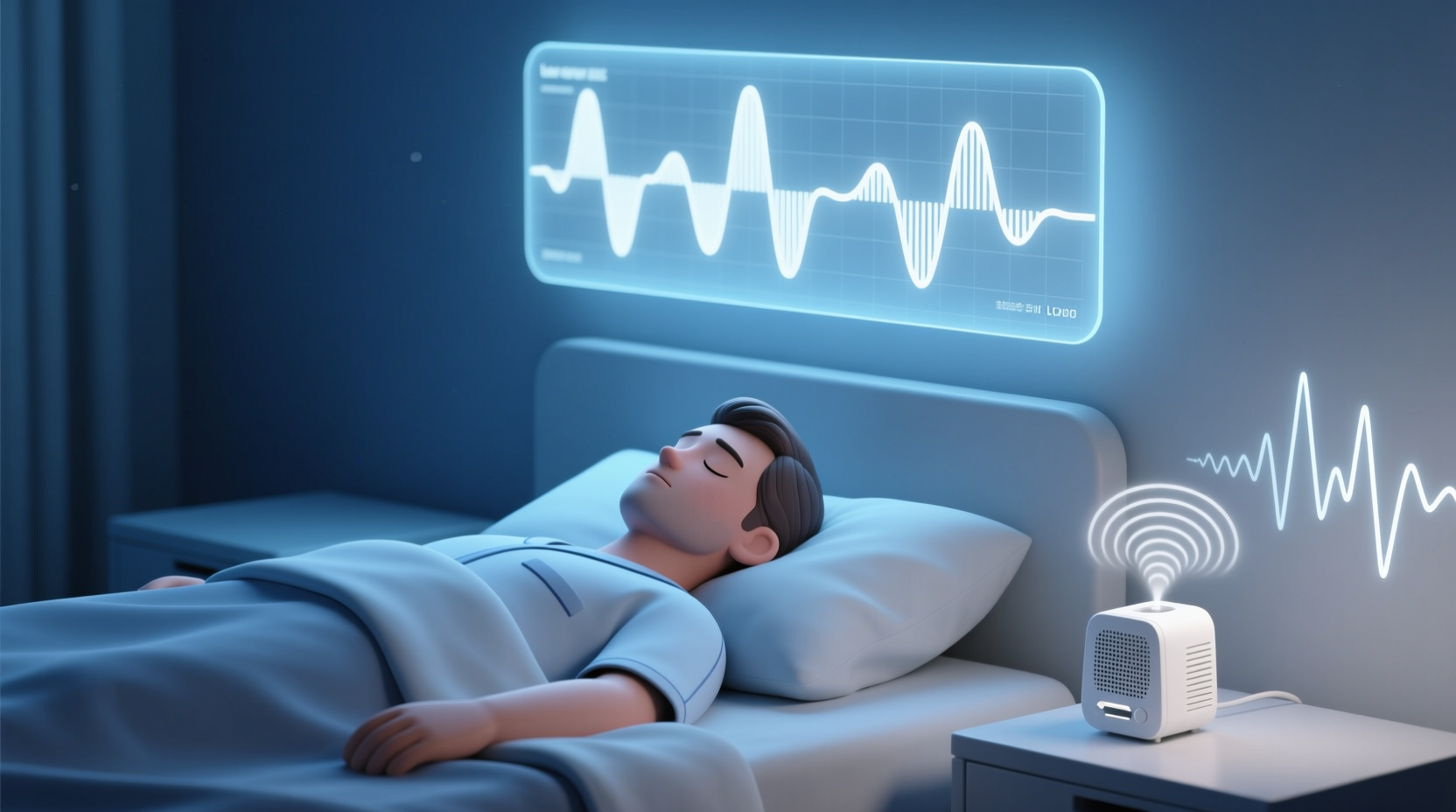
Sleep occurs in cycles that typically last 90 to 120 minutes, each composed of four distinct stages: N1 (light sleep), N2 (deeper relaxation), N3 (deep or slow-wave sleep), and REM (rapid eye movement) sleep. Deep sleep—specifically stage N3—is crucial for physical restoration, immune function, and memory consolidation. During this phase, brain activity slows into delta waves, heart rate decreases, and the body repairs tissues and builds bone and muscle.
Environmental stimuli, including sound, can influence transitions between these stages. Even if you don’t fully wake up, sudden noises—like a barking dog or a slamming door—can cause micro-arousals, briefly shifting your brain out of deep sleep. These disruptions may not leave you conscious, but they fragment sleep continuity and reduce overall sleep quality.
This is where white noise comes in. By providing a consistent auditory backdrop, it masks unpredictable environmental sounds, potentially reducing the number of sleep interruptions. However, the long-term impact of continuous sound exposure—even at low volumes—on brainwave regulation and sleep depth remains a topic of active research.
How White Noise Works: Masking Disturbances
White noise contains all audible frequencies at equal intensity, creating a “blanket” of sound that drowns out sudden or jarring noises. Think of it like visual static on an old TV screen—but for your ears. Its masking effect is particularly useful in noisy environments such as cities, shared homes, or near busy streets.
A 2016 study published in Neuroscience & Biobehavioral Reviews found that hospital patients exposed to white noise experienced fewer nighttime awakenings and reported improved subjective sleep quality. Similarly, infants often respond well to white noise, with studies showing faster sleep onset and longer stretches of uninterrupted sleep.
But while short-term benefits are clear, questions arise about chronic use. Could the brain become dependent on external sound to initiate or maintain sleep? And might constant auditory input interfere with the delicate process of transitioning into deep sleep?
Potential Benefits for Deep Sleep
For certain individuals, white noise can enhance deep sleep by stabilizing the sleep environment. This is especially true for light sleepers or those living in high-noise areas. When background disturbances are unpredictable, the brain remains partially alert, anticipating disruptions. White noise reduces this hypervigilance, allowing the nervous system to relax more fully.
Some research suggests that specific types of sound—not just white noise, but pink or brown noise—may actively promote deeper sleep. Unlike white noise, which emphasizes higher frequencies, pink noise balances all frequencies with equal energy per octave, creating a softer, more natural sound (like steady rain). A 2017 study in Frontiers in Human Neuroscience showed that older adults exposed to pink noise during sleep exhibited increased slow-wave activity and performed better on memory tests the next day.
Similarly, brown noise—deeper and richer, resembling thunder or a rushing river—may be even more effective for deep sleep due to its emphasis on low-frequency tones. While not technically \"white\" noise, these variants are often grouped under the same umbrella in consumer products.
“Stable auditory environments can reduce cortical arousals during sleep, helping individuals reach and sustain deep sleep more effectively.” — Dr. Rebecca Scammell, Sleep Neurologist, Harvard Medical School
Risks and Disruptions: When Sound Becomes a Problem
Despite its advantages, prolonged or improper use of white noise carries potential downsides. The primary concern is auditory dependency: over time, some people find it difficult to fall asleep without it. This reliance can make travel or unexpected power outages more disruptive, undermining sleep resilience.
More concerning is the possibility that continuous sound—even at low levels—might subtly alter sleep architecture. The brain never fully disconnects from auditory processing during sleep. Research from the University of Pennsylvania indicates that chronic exposure to background noise may lead to desensitization or habituation, requiring louder volumes over time to achieve the same masking effect. This increases the risk of noise-induced hearing changes, especially when using earphones or bedside speakers at close range.
Additionally, some individuals report that white noise feels “harsh” or mentally stimulating, particularly if it contains high-pitched frequencies. This can paradoxically increase arousal rather than reduce it, making it harder to enter deep sleep. Children exposed to white noise throughout the night may also face developmental concerns; a 2014 AAP report warned that excessive sound exposure in infancy could affect auditory processing and language development.
Do’s and Don’ts of Using White Noise for Sleep
| Do’s | Don’ts |
|---|---|
| Use low-volume settings (below 50 dB) | Place devices too close to your head |
| Choose softer alternatives like pink or brown noise | Use earphones or headphones overnight |
| Turn off after falling asleep (use timers) | Run continuously all night unless necessary |
| Test different sounds to find what relaxes you | Assume it works the same for everyone |
| Keep devices out of children’s cribs | Expose infants to loud or constant noise |
Real-World Example: Sarah’s Experience with White Noise
Sarah, a 34-year-old graphic designer living in downtown Chicago, struggled with sleep due to late-night traffic and neighbor noise. After trying earplugs and blackout curtains with limited success, she began using a white noise machine. Initially, she noticed dramatic improvements—falling asleep 20 minutes faster and waking less frequently.
However, after six months of nightly use, she realized she couldn’t sleep during a weekend trip without her device. Even more troubling, she began experiencing mild tinnitus when in silence. Concerned, she consulted a sleep specialist who recommended gradually reducing usage and switching to intermittent pink noise triggered only when ambient noise exceeded a threshold. Over eight weeks, Sarah retrained her sleep patterns and now uses white noise only occasionally, reporting more natural and resilient sleep.
Her case illustrates both the power and pitfalls of auditory sleep aids: effective when used strategically, but potentially problematic when relied upon excessively.
Step-by-Step Guide to Using White Noise Safely
To maximize benefits while minimizing risks, follow this structured approach:
- Assess your environment: Determine whether noise is truly disrupting your sleep. Keep a sleep journal for one week noting awakenings and potential sound triggers.
- Start conservatively: Begin with short trials (e.g., 30 minutes at bedtime) using a speaker across the room at low volume.
- Experiment with sound types: Try white, pink, and brown noise to see which feels most soothing. Many apps offer free samples.
- Use a timer: Set the device to turn off after 60–90 minutes, once you’re likely in stable sleep.
- Monitor dependency: Once a month, try sleeping without white noise. If you struggle consistently, consider tapering usage.
- Protect hearing: Avoid using headphones or earbuds for sleep sounds. Maintain distance from the sound source.
- Reevaluate regularly: Every few months, assess whether the noise still helps or has become a crutch.
Frequently Asked Questions
Can white noise prevent deep sleep?
Not necessarily. When used appropriately, white noise can protect deep sleep by blocking disruptive sounds. However, if the volume is too high or the sound is overly stimulating, it may interfere with sleep continuity. Low-volume, low-frequency options like pink or brown noise are generally safer for sustaining deep sleep.
Is it safe to use white noise every night?
Occasional use is generally safe, but nightly reliance may lead to auditory dependency or reduced sensitivity to natural sleep cues. It’s advisable to use timers, keep volume low, and periodically test unassisted sleep to maintain flexibility.
What’s the difference between white, pink, and brown noise?
White noise contains equal intensity across all frequencies (sounds like static). Pink noise balances frequencies so lower tones are emphasized (like rainfall). Brown noise goes further, boosting bass frequencies (similar to thunder). Many users find pink and brown noise more soothing and less harsh than traditional white noise.
Conclusion: Finding Balance for Better Rest
Whether white noise improves or disrupts deep sleep depends largely on how it’s used. For those in noisy environments or struggling with sound-related sleep interruptions, it can be a valuable tool—especially when applied thoughtfully and temporarily. However, treating it as a permanent fix may lead to dependency, diminished sleep resilience, or unintended auditory strain.
The goal isn’t to eliminate all sound, but to create a stable, calming sleep environment that supports the brain’s natural rhythms. By experimenting with different noise types, monitoring personal responses, and integrating white noise as part of a broader sleep hygiene routine, individuals can harness its benefits without compromising long-term sleep health.




 浙公网安备
33010002000092号
浙公网安备
33010002000092号 浙B2-20120091-4
Comments
No comments yet. Why don't you start the discussion?