
In recent years, snail mucin has emerged as a star ingredient in skincare, particularly within the K-beauty movement. Revered for its healing properties, it’s now found in serums, moisturizers, and sheet masks. But as more people incorporate it into their routines, questions arise: Can this slimy secretion actually help with dry patches? And more importantly, does it clog pores—especially for those with oily or acne-prone skin?
The truth lies not in hype but in science and formulation. Snail mucin isn’t a one-size-fits-all miracle, nor is it universally problematic. Its impact depends on concentration, product formulation, skin type, and application method. This article explores how snail mucin interacts with dry skin and pore health, offering evidence-based guidance to help you decide if it belongs in your regimen.
What Is Snail Mucin and How Does It Work?
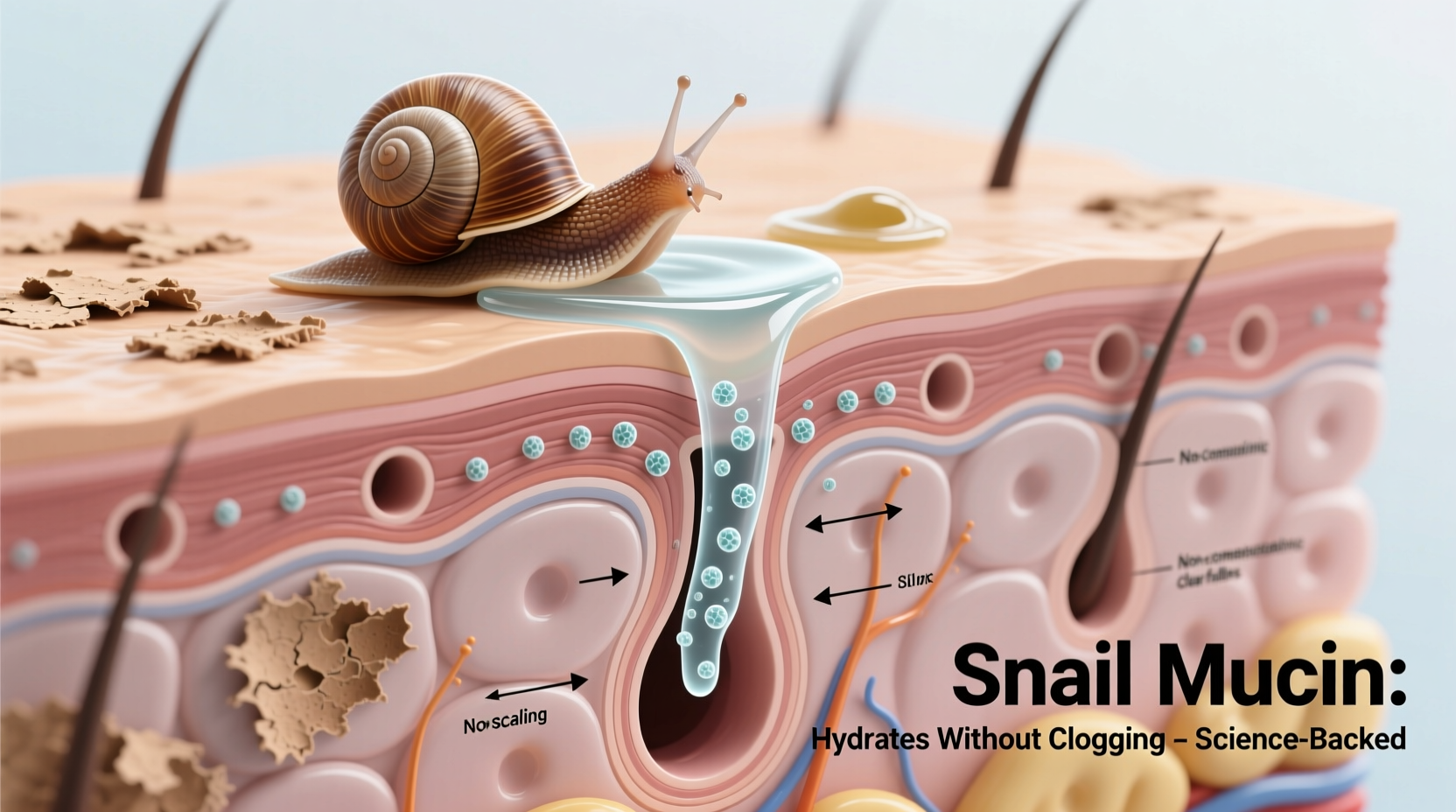
Snail mucin, also known as snail secretion filtrate (SSF), is the slimy substance produced by garden snails (typically *Cryptomphalus aspersa*) as they move. It serves multiple biological functions: protecting the snail from environmental damage, aiding locomotion, and promoting rapid wound healing. In skincare, these same regenerative qualities are harnessed.
The key components of snail mucin include:
- Glycoproteins: Support skin repair and barrier function.
- Hyaluronic acid: A powerful humectant that draws moisture into the skin.
- Glycolic acid: A gentle alpha-hydroxy acid (AHA) that exfoliates dead skin cells.
- Allantoin: Soothes irritation and promotes cell turnover.
- Collagen and elastin precursors: Aid in maintaining skin elasticity.
Together, these elements create a multifunctional ingredient that hydrates, repairs, and gently exfoliates—making it appealing for addressing dryness without overloading the skin.
“Snail mucin is uniquely balanced—it delivers hydration while supporting the skin’s natural recovery process. That makes it especially useful for compromised barriers.” — Dr. Lena Park, Board-Certified Dermatologist
Moisturizing Dry Patches: How Effective Is Snail Mucin?
Dry patches often result from a weakened skin barrier, environmental stressors, or conditions like eczema and psoriasis. Traditional occlusives like petroleum jelly seal in moisture but can feel heavy. Snail mucin offers a lighter alternative with active healing benefits.
Its high hyaluronic acid content allows it to bind up to 1,000 times its weight in water, making it highly effective at surface-level hydration. Unlike heavier creams, it absorbs quickly and doesn’t leave a greasy residue—ideal for targeting flaky areas on cheeks, elbows, or knees.
A 2019 clinical study published in the *Journal of Drugs in Dermatology* found that participants using a cream containing 5% snail mucin showed significant improvement in transepidermal water loss (TEWL) after four weeks—indicating better moisture retention and strengthened barrier function.
For best results on dry patches:
- Use a concentrated serum before moisturizer.
- Layer with a ceramide-rich moisturizer to reinforce the lipid barrier.
- Apply twice daily during flare-ups, then reduce to once daily for maintenance.
Real Example: Addressing Winter-Induced Dryness
Sophia, a 32-year-old graphic designer in Chicago, struggled each winter with red, flaky patches on her cheeks. Over-the-counter moisturizers provided temporary relief but didn’t prevent recurrence. After consulting a dermatologist, she added a snail mucin serum to her morning routine. Within two weeks, the patches softened and began to fade. By week six, her skin was consistently smooth—even during sub-zero temperatures.
Her success wasn’t just due to the mucin itself but how she layered it: she applied the serum to wet skin, followed by a fragrance-free moisturizer and SPF. This simple change reduced inflammation and improved overall resilience.
Pore Clogging: Myth or Reality?
One of the most common concerns about snail mucin is whether it causes breakouts. The misconception likely stems from associating “slimy” textures with comedogenic (pore-clogging) ingredients. However, texture alone doesn’t determine pore safety.
The comedogenic scale rates ingredients from 0 to 5 based on their likelihood to clog pores. Pure snail secretion filtrate ranks between 0 and 1—meaning it's extremely unlikely to cause congestion. What matters more is what else is in the product.
| Ingredient | Comedogenic Rating | Common in Snail Mucin Products? |
|---|---|---|
| Snail Secretion Filtrate | 0–1 | Yes (primary) |
| Coconut Oil | 4 | Sometimes (as emollient) |
| Isopropyl Myristate | 5 | Rarely (in cheaper formulations) |
| Squalane (plant-derived) | 1–2 | Frequently (non-comedogenic) |
| Shea Butter | 0–2 | Occasionally (depends on refinement) |
As shown above, snail mucin itself is low-risk. Problems usually arise when it’s combined with heavy oils or synthetic esters in poorly formulated products. Always check the full ingredient list—not just the marketing claims.
Who Should Be Cautious?
While snail mucin is generally safe, certain individuals should proceed with care:
- Acne-prone skin: Opt for gel-based or water-based formulas without added oils.
- Fungal acne sufferers: Avoid products with fatty alcohols like lauryl alcohol, which may feed Malassezia yeast.
- Allergy-prone users: Though rare, some report sensitivity to proteins in mollusk secretions. Patch test behind the ear first.
“I’ve seen patients mistakenly blame snail mucin for breakouts when the culprit was actually dimethicone or coconut oil in the same product.” — Dr. Rajiv Mehta, Cosmetic Dermatologist
How to Use Snail Mucin Without Compromising Skin Health
To get the benefits of snail mucin while minimizing risks, follow a strategic approach. Here’s a step-by-step guide tailored to different skin types:
Step-by-Step Guide: Incorporating Snail Mucin Safely
- Patch Test First: Apply a small amount on your jawline or behind the ear. Wait 24 hours to check for redness or itching.
- Cleanse Gently: Use a sulfate-free cleanser to avoid stripping natural oils.
- Apply to Damp Skin: Right after washing, while skin is still slightly wet, apply 2–3 drops of snail mucin serum.
- Wait 60 Seconds: Allow absorption before layering other products.
- Follow with Moisturizer: Seal in hydration with a non-comedogenic moisturizer suited to your skin type.
- Monitor Weekly: Track changes in dryness, texture, and breakouts over three weeks.
Checklist: Choosing the Right Snail Mucin Product
- ✅ Look for \"snail secretion filtrate\" high on the ingredient list (ideally top 3).
- ✅ Choose alcohol-free, fragrance-free formulas if sensitive.
- ✅ Avoid coconut oil, cocoa butter, or lanolin if prone to clogged pores.
- ✅ Prefer lightweight gels or serums over thick creams for oily skin.
- ✅ Check for third-party testing or dermatologist-tested labels.
Debunking Common Misconceptions
Despite growing popularity, several myths persist about snail mucin:
- Myth: It’s made by harming snails. Reputable brands use ethical harvesting methods where snails glide over nets in a stress-free environment, producing mucus naturally.
- Myth: It’s only for Asian skin types. There is no scientific basis for this. Skin biology responds to ingredients, not ethnicity.
- Myth: More mucin = better results. Overuse can lead to pilling or imbalance. Stick to recommended amounts.
Additionally, some believe snail mucin replaces moisturizers entirely. While hydrating, it lacks sufficient lipids to fully protect the barrier. Think of it as a booster—not a standalone solution.
Frequently Asked Questions
Can I use snail mucin every day?
Yes, most people can use snail mucin daily. Its soothing and hydrating properties make it suitable for both morning and night routines. Start with once daily if new to the ingredient, then increase frequency as tolerated.
Does snail mucin help with acne scars?
Indirectly, yes. While it won’t erase deep scars, its allantoin and glycolic acid content promote cell turnover and improve skin texture over time. Paired with sunscreen, it can reduce post-inflammatory hyperpigmentation.
Is snail mucin vegan?
No, technically it is not vegan since it comes from an animal source. However, many vegetarians accept it due to the non-lethal extraction process. Vegan alternatives like bio-fermented peptides mimic similar effects.
Final Thoughts: Balancing Benefits and Risks
Snail mucin stands out as a rare ingredient that bridges hydration and repair—making it particularly effective for dry patches. Its lightweight nature and low comedogenic rating mean it rarely clogs pores when used correctly. Yet, like any skincare component, its performance hinges on formulation and compatibility with your unique skin.
The key is mindfulness: read labels, understand your skin’s needs, and introduce new products gradually. Whether you’re battling winter dryness or seeking a gentle way to support healing, snail mucin may be worth exploring—if chosen wisely.




 浙公网安备
33010002000092号
浙公网安备
33010002000092号 浙B2-20120091-4
Comments
No comments yet. Why don't you start the discussion?