
Spinach is often celebrated as a nutritional powerhouse—packed with iron, vitamins A and K, antioxidants, and fiber. But one persistent question continues to surface: can this leafy green actually contribute meaningfully to your daily protein intake? While Popeye’s exaggerated strength from eating canned spinach may be more myth than science, there’s real nutritional merit behind the legend. The truth is nuanced: spinach does contain protein, but not in the quantities typically associated with true high-protein foods like meat, legumes, or dairy. Understanding its role requires looking beyond headlines and examining both quantity and quality—how much protein it offers, how well your body can use it, and how it fits into a balanced diet.
The idea that vegetables can be meaningful sources of protein isn’t new, especially in plant-forward and vegetarian cuisines. However, confusion arises when claims about “high-protein vegetables” are taken out of context. Spinach, for instance, is sometimes cited as having “more protein than meat” by weight—but only when comparing raw greens to cooked steak without accounting for water content or bioavailability. This article breaks down the facts, explores the science of plant-based protein, and provides practical guidance on how to leverage spinach as part of a protein-rich diet—even if it shouldn’t be your primary source.
Definition & Overview
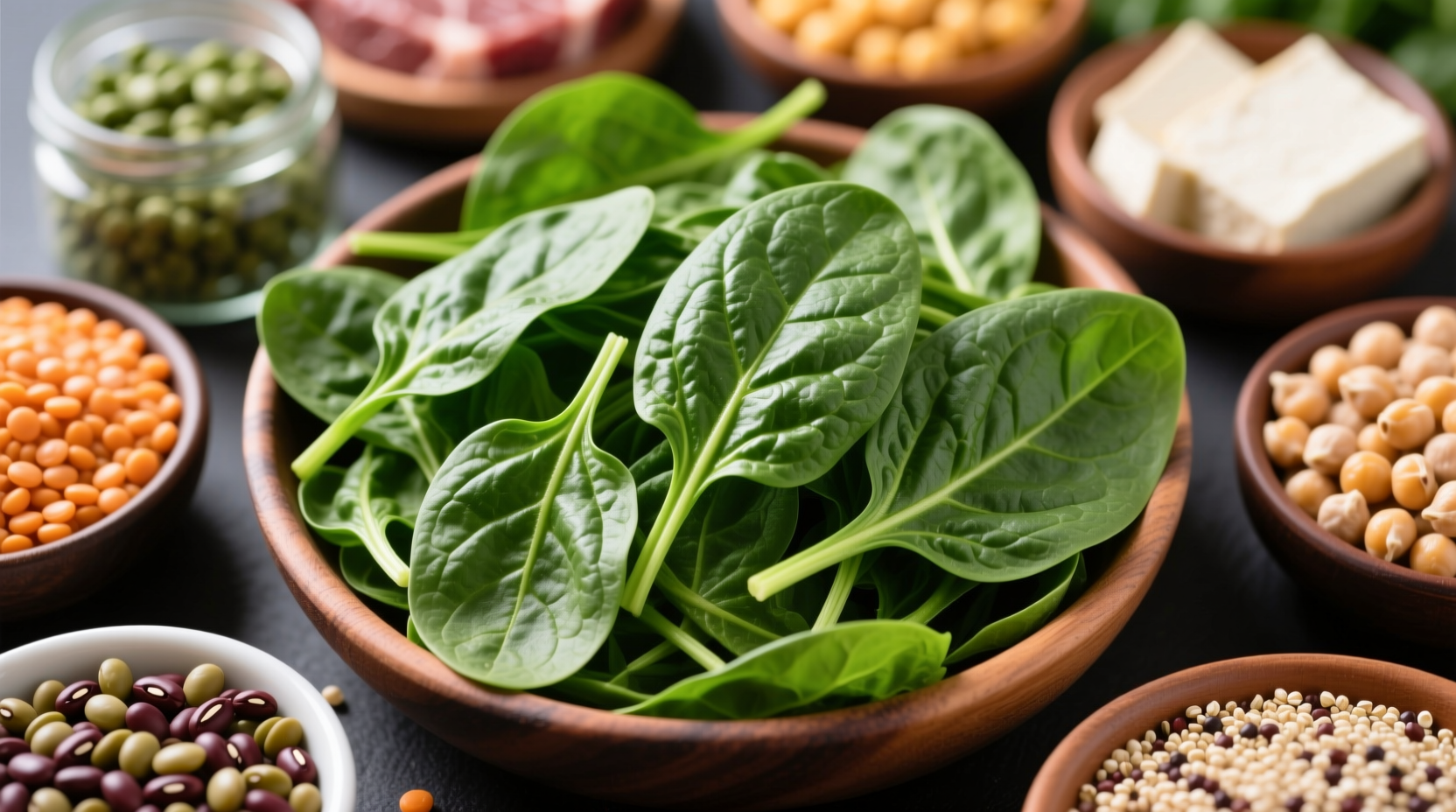
Spinach (Spinacia oleracea) is a flowering plant in the Amaranthaceae family, native to central and western Asia. It has been cultivated for over two millennia, first gaining prominence in Persia before spreading through the Mediterranean and eventually worldwide. Today, it's one of the most widely consumed leafy greens, valued for its mild flavor, versatility, and dense nutrient profile.
Culinarily, spinach falls into the category of tender leafy greens, used both raw and cooked. Its flavor is mildly earthy with a slight mineral bitterness, especially when mature or sautéed. Young leaves are sweet and delicate, ideal for salads, while older leaves hold up better to cooking methods like steaming, wilting, or braising.
Nutritionally, spinach is best known for its high levels of vitamin K (critical for blood clotting and bone health), vitamin A (as beta-carotene), folate, magnesium, and potassium. It also contains notable amounts of calcium and iron—though absorption of these minerals can be limited by naturally occurring compounds like oxalates. And yes, it does contain protein—about 2.9 grams per cooked cup (180g). That’s significantly more than lettuce or cucumber, but less than what most adults need in a single meal.
Key Characteristics
| Characteristic | Description |
|---|---|
| Flavor Profile | Mildly earthy, slightly sweet when young; develops a mineral note when cooked or mature. |
| Aroma | Subtle, fresh green scent; minimal when raw, slightly grassy when cooked. |
| Color & Form | Deep green, broad oval leaves; available loose, bunched, or pre-washed. |
| Protein Content | 2.9g per 180g cooked (0.6g per 30g raw). |
| Water Content | Approximately 91–93%, which affects nutrient concentration by volume. |
| Culinary Function | Adds bulk, color, nutrients; thickens sauces when puréed; wilts easily. |
| Shelf Life | 3–7 days refrigerated, depending on freshness and storage method. |
How Much Protein Does Spinach Actually Provide?
To assess whether spinach is a “good” source of protein, we must define what “good” means in context. The Recommended Dietary Allowance (RDA) for protein is 0.8 grams per kilogram of body weight per day for the average adult. For a 70kg (154 lb) person, that’s about 56 grams of protein daily. Athletes, older adults, pregnant individuals, and those recovering from illness may require more—up to 1.2–2.0 g/kg depending on activity level and goals.
One cup (30g) of raw spinach contains roughly 0.6 grams of protein. When cooked, that same volume shrinks dramatically due to water loss—so one cup of cooked spinach (180g) delivers about 2.9 grams of protein. While this represents nearly a fivefold increase by volume, it still accounts for only about 5% of the daily requirement for an average adult.
More telling is the concept of protein density: grams of protein per calorie. Spinach scores impressively here. With just 7 calories per cup raw and 41 per cup cooked, it provides approximately 0.08 grams of protein per calorie—making it one of the most protein-efficient vegetables by caloric cost. Compare that to beef (about 0.25 g/kcal) or lentils (~0.18 g/kcal), and you see why spinach is considered efficient, though not abundant.
“Vegetables like spinach aren’t meant to replace legumes or animal proteins—they complement them. Their value lies in delivering essential amino acids without excess calories, fats, or sodium.” — Dr. Elena Torres, Registered Dietitian and Plant Nutrition Specialist
Variants & Types of Spinach
Not all spinach is created equal. Different varieties offer subtle differences in texture, flavor, and suitability for various dishes. Choosing the right type can enhance both culinary results and nutrient retention.
- Savoy Spinach: Characterized by dark green, crinkly leaves. It has a robust structure, making it excellent for sautéing, soups, and casseroles. Slightly higher in fiber and holds up well to heat.
- Flat-Leaf (or Smooth-Leaf) Spinach: Has smoother, easier-to-clean leaves. Often preferred for raw applications like salads and blending into smoothies. Also cooks evenly and breaks down quickly.
- Baby Spinach: Harvested early, with tender leaves and a milder taste. Most common in pre-packaged salads. Lower in oxalates than mature spinach, potentially improving mineral absorption.
Tip: Use baby spinach raw for maximum vitamin C retention. Opt for mature savoy spinach when cooking—it yields more volume after wilting and contributes slightly more protein per serving due to denser leaf mass.
Protein Quality: Are Spinach Proteins Complete?
Not all proteins are equal. Animal proteins are “complete,” meaning they contain all nine essential amino acids your body cannot produce on its own. Most plant proteins are “incomplete,” lacking or low in one or more essential amino acids—particularly lysine, methionine, or tryptophan.
Spinach protein is primarily composed of ribulose-1,5-bisphosphate carboxylase/oxygenase (RuBisCO), a photosynthetic enzyme. While unusual as a dietary protein, RuBisCO contains a relatively balanced amino acid profile compared to other plant enzymes. Spinach does provide all essential amino acids, but in varying proportions. It is particularly low in methionine and cysteine, sulfur-containing amino acids important for tissue repair and detoxification.
This doesn’t render spinach useless—it simply means it should not be relied upon as a sole protein source. In the context of a varied diet, however, its amino acids contribute to overall nitrogen balance and metabolic function.
Comparison with Other Plant-Based Protein Sources
Understanding where spinach stands among other plant foods helps clarify its role. The table below compares 1 cup of cooked spinach to other common plant-based protein options.
| Food (1 cup cooked unless noted) | Protein (g) | Calories | Protein per Calorie | Complete Protein? |
|---|---|---|---|---|
| Spinach | 2.9 | 41 | 0.07 | Limited in methionine |
| Lentils | 18 | 230 | 0.08 | No (low in methionine) |
| Chickpeas | 15 | 269 | 0.06 | No |
| Quinoa | 8 | 222 | 0.04 | Yes |
| Tofu (½ cup) | 10 | 94 | 0.11 | Yes |
| Broccoli | 2.6 | 55 | 0.05 | Limited in methionine |
From this comparison, spinach ranks surprisingly high in protein efficiency—second only to tofu in grams of protein per calorie. However, total protein yield remains low. You would need to eat over six cups of cooked spinach to match the protein in a single cup of lentils.
Practical Usage: How to Maximize Protein from Spinach
While spinach won’t meet your daily protein needs alone, it can play a strategic role in boosting the nutritional quality of meals—especially when combined wisely. Here are actionable ways to incorporate spinach effectively:
- Blend into Smoothies: Combine 1–2 cups of raw baby spinach with Greek yogurt (17g protein per cup), banana, chia seeds, and almond butter. The spinach adds nutrients without altering flavor, while the dairy and seeds provide complete proteins.
- Add to Eggs and Omelets: Sauté spinach with garlic and onions, then fold into eggs. One large egg has 6g of protein; adding a cup of cooked spinach increases micronutrient density without diluting protein content.
- Incorporate into Grain Bowls: Layer cooked quinoa (a complete protein) with roasted vegetables, chickpeas, avocado, and wilted spinach. This creates a synergistic effect—complementary amino acids improve overall protein quality.
- Stir into Soups and Stews: Add chopped spinach during the last few minutes of cooking lentil soup, chili, or curry. It absorbs flavors and contributes additional protein to already robust dishes.
- Use in Stuffed Dishes: Mix finely chopped cooked spinach with ricotta, feta, or cottage cheese (all high-protein dairy) for fillings in manicotti, spanakopita, or stuffed chicken breasts.
Pro Tip: Lightly cook spinach to reduce oxalic acid, which can inhibit iron and calcium absorption. Pair it with vitamin C-rich foods (like tomatoes or lemon juice) to enhance non-heme iron uptake—a critical consideration for plant-based diets.
Common Misconceptions About Spinach and Protein
The myth that spinach is exceptionally high in protein dates back to a supposed decimal point error in 19th-century nutrition data—claiming it had 35mg of iron per 100g instead of 3.5mg. Though debunked, the legacy persists. Modern analysis confirms spinach is rich in iron relative to other vegetables, but bioavailability is limited.
Similarly, claims that “spinach has more protein than steak” are misleading. By dry weight, spinach contains about 30% protein—compared to steak’s 50–60%. But because raw spinach is 93% water, you’d need to eat over 10 cups (cooked) to match the protein in a 4-ounce steak. Such comparisons ignore physical satiety, digestibility, and practicality.
Storage, Shelf Life, and Substitutions
Maximizing spinach’s utility starts with proper handling. Fresh spinach should be stored unwashed in a breathable container or perforated plastic bag in the crisper drawer. It lasts 3–5 days; signs of spoilage include yellowing, sliminess, or off odors.
For longer storage, blanch and freeze spinach in portioned bags. Frozen spinach retains most nutrients and is ideal for cooked dishes. Note: frozen spinach is denser—1 cup frozen equals about 1.5 cups cooked fresh.
If substituting:
- Kale: Higher in protein (2.9g per cup cooked) and fiber, but tougher and more bitter. Best when massaged or cooked.
- Swiss Chard: Similar nutrient profile, slightly lower in protein (1.6g per cup). Vibrant stems add color.
- Arugula: Lower in protein (0.7g per cup raw), peppery flavor. Use raw for contrast.
Frequently Asked Questions
Can I build muscle eating spinach as a main protein source?
No. While spinach contributes amino acids, it lacks sufficient total protein and key essential amino acids like methionine to support muscle synthesis independently. Combine it with legumes, grains, dairy, or soy for effective muscle-building nutrition.
Does cooking spinach destroy protein?
No. Cooking does not degrade protein significantly. In fact, it makes some nutrients more bioavailable. However, prolonged boiling may leach water-soluble vitamins—steaming or sautéing is preferable.
Is spinach protein suitable for vegans?
Yes. Spinach is entirely plant-based and contributes to overall protein intake. However, vegans should pair it with complementary proteins (e.g., beans and rice) to ensure adequate amino acid intake.
How much spinach should I eat daily for optimal nutrition?
One to two cups of cooked spinach per day is a safe and beneficial amount. This provides substantial vitamins, minerals, and a modest protein boost without excessive oxalate intake, which may affect kidney stone risk in susceptible individuals.
Are there risks to eating too much spinach?
Excessive consumption may lead to high oxalate intake, potentially contributing to kidney stones in predisposed individuals. Those on blood thinners should monitor intake due to high vitamin K content, which affects clotting.
Summary & Key Takeaways
Spinach is not a high-protein food in absolute terms, but it is a highly efficient one—delivering meaningful nutrients with minimal calories. One cup of cooked spinach provides nearly 3 grams of protein, along with exceptional levels of vitamins, minerals, and antioxidants. While it shouldn’t replace legumes, meat, or dairy as a primary protein source, it enhances the nutritional quality of meals when used strategically.
The key is integration: combine spinach with complete or complementary proteins to create balanced, satisfying dishes. Whether blended into a post-workout smoothie, folded into an egg scramble, or layered into a grain bowl, spinach plays a supportive yet valuable role in a protein-conscious diet.
Ultimately, labeling spinach a “good” source of protein depends on context. If “good” means concentrated and abundant, the answer is no. But if “good” means nutrient-dense, accessible, and versatile—then yes, spinach earns its place on the plate.
Next time you prepare a meal, consider how small additions like spinach can amplify nutrition without compromising flavor. Start with one serving today—and let its quiet power build over time.




 浙公网安备
33010002000092号
浙公网安备
33010002000092号 浙B2-20120091-4
Comments
No comments yet. Why don't you start the discussion?