
For decades, office workers have been chained to their desks for hours on end, often without realizing the toll prolonged sitting takes on their bodies. In response, standing desks have surged in popularity, promising improved posture, better circulation, and enhanced energy. But is standing while working actually healthier over the long term? While early enthusiasm painted standing as a panacea, recent research reveals a more nuanced picture—one that balances benefits with potential risks if not managed properly.
The truth lies not in choosing between sitting or standing, but in understanding how each affects the body over time and integrating movement into the workday intelligently. This article explores the science behind standing at work, its long-term physiological impacts, and how to implement it safely and effectively.
The Hidden Dangers of Prolonged Sitting
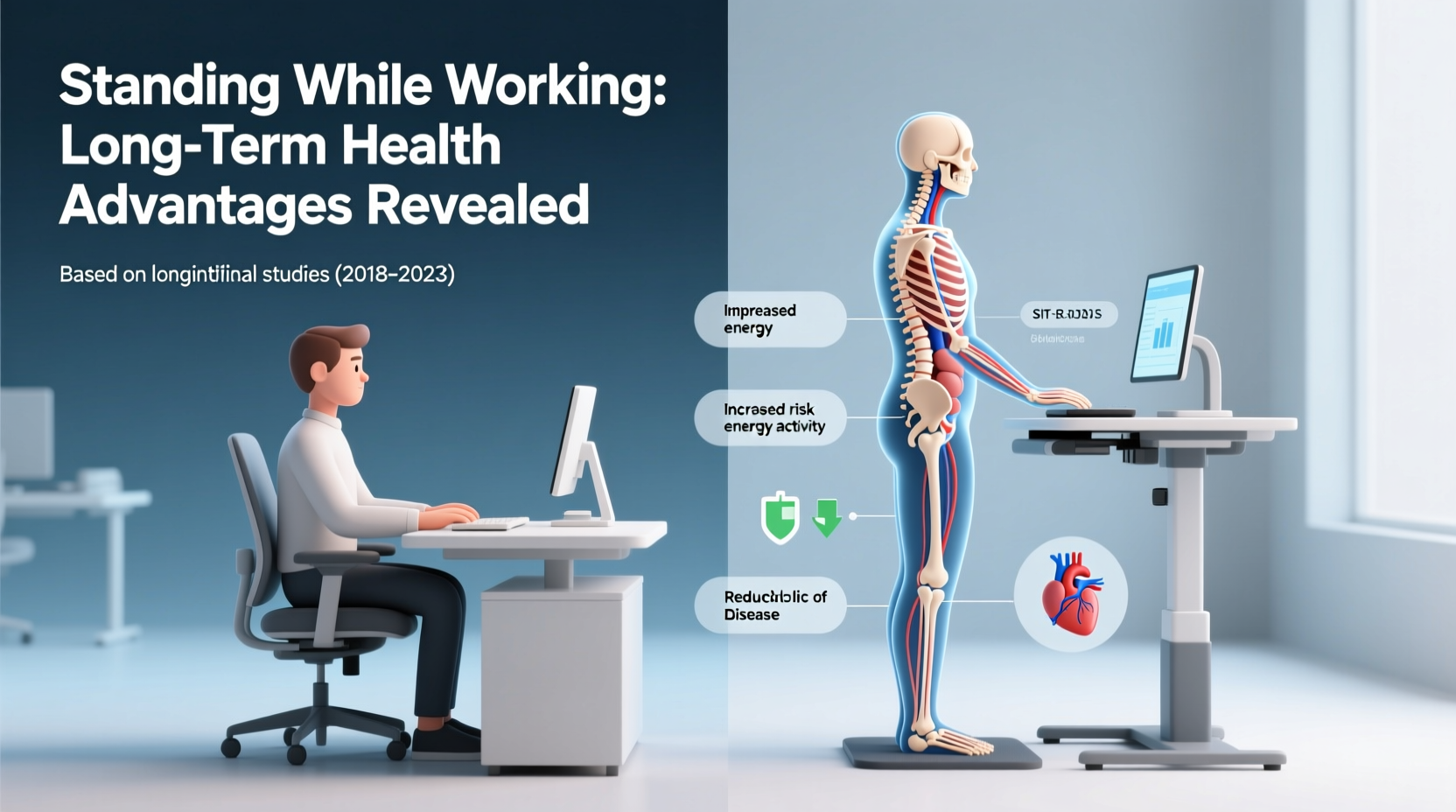
Before evaluating standing, it’s essential to understand why so many people sought an alternative to sitting. Research consistently links extended sedentary behavior to a range of chronic health issues:
- Increased cardiovascular risk: A 2019 study published in the Journal of the American College of Cardiology found that individuals who sit for more than eight hours daily with minimal physical activity face a mortality risk comparable to obesity and smoking.
- Poor metabolic health: Prolonged sitting slows metabolism and reduces insulin sensitivity, increasing the likelihood of type 2 diabetes.
- Musculoskeletal strain: Hours in a seated position contribute to tight hip flexors, weak glutes, and spinal compression, often leading to chronic lower back pain.
- Reduced circulation: Sitting compresses blood vessels in the legs, slowing blood flow and raising the risk of deep vein thrombosis (DVT), especially during long flights or car rides combined with desk jobs.
These findings prompted widespread adoption of standing desks, but simply replacing sitting with continuous standing introduces new challenges.
The Long-Term Effects of Standing While Working
Standing burns slightly more calories than sitting—about 0.15 extra calories per minute—but the real benefit lies in breaking up sedentary time and engaging postural muscles. However, standing for too long has its own set of long-term consequences:
Benefits of Standing
- Improved posture and core engagement: When done correctly, standing encourages a neutral spine and activates stabilizing muscles in the abdomen and back.
- Better blood sugar regulation: A 2013 study from the European Journal of Preventive Cardiology showed that alternating between sitting and standing throughout the day led to a 11% reduction in post-meal glucose spikes.
- Enhanced alertness and focus: Many users report feeling more awake and productive when using a standing desk, likely due to increased blood flow and reduced fatigue.
- Lower risk of certain diseases: Reducing sitting time correlates with decreased risk of heart disease, some cancers, and all-cause mortality, according to meta-analyses by the World Health Organization.
Risks of Excessive Standing
- Varicose veins and venous insufficiency: Prolonged standing increases pressure in leg veins, potentially leading to swelling, discomfort, and visible varicosities over time.
- Lower back and joint pain: Standing without proper support or footwear can strain the lumbar spine and knees, particularly in individuals with pre-existing conditions.
- Plantar fasciitis: Extended weight-bearing on hard surfaces may inflame the connective tissue along the bottom of the foot.
- Increased risk of pregnancy complications: Some studies suggest that women who stand for more than six hours daily during pregnancy face higher odds of preterm birth and low birth weight.
“Neither sitting nor standing all day is optimal. The human body evolved to move. The goal should be frequent transitions, not static postures.” — Dr. Joan Vernikos, former Director of Life Sciences at NASA and author of *Sitting Kills, Moving Heals*
Optimal Work Posture: The Dynamic Balance Approach
The most effective strategy isn’t to choose between sitting and standing—it’s to integrate both throughout the day. Experts recommend a dynamic approach that emphasizes movement and posture variation.
Step-by-Step Guide to Balanced Desk Ergonomics
- Invest in an adjustable sit-stand desk: Ensure your desk allows smooth transitions between sitting and standing heights.
- Set ergonomic alignment: Whether sitting or standing, keep your elbows at 90 degrees, wrists neutral, and monitor at eye level.
- Alternate every 30–60 minutes: Use a timer or smartwatch reminder to shift positions. A common recommendation is 30 minutes standing, 30 minutes sitting.
- Engage in micro-movements: Shift your weight, perform calf raises, or gently sway side-to-side while standing to promote circulation.
- Walk regularly: Take short walking breaks every hour—even two minutes of movement helps reset metabolic processes.
Do’s and Don’ts of Standing Desk Use
| Do’s | Don’ts |
|---|---|
| Wear supportive, flat shoes or stand barefoot on an anti-fatigue mat | Stand in high heels or unsupportive flip-flops |
| Keep your weight balanced over the middle of your feet | Lock your knees or lean heavily on one leg |
| Take stretch breaks every 30 minutes | Stand rigidly still for hours |
| Use a footrest or small stool to shift leg position | Ignore signs of foot or back pain |
| Pair standing with light tasks like phone calls or reading | Perform detailed typing or writing while fatigued from standing |
Real-World Case Study: Sarah’s Transition to a Hybrid Work Model
Sarah, a 38-year-old software developer, spent nearly ten years working in a traditional office with a standard desk. After developing chronic lower back pain and noticing her energy crashing by mid-afternoon, she consulted an occupational therapist. Diagnosed with mild disc compression and poor core stability, Sarah was advised to reduce sitting time and incorporate movement.
She transitioned to a remote role and invested in an electric sit-stand desk. Initially, she stood for three hours straight each morning, believing more standing equaled better health. Within two weeks, she developed sharp pain in her right heel—diagnosed as early-stage plantar fasciitis.
After adjusting her routine to alternate every 45 minutes and adding five-minute stretching sessions hourly, her symptoms improved. She also began walking during meetings and used a small footrest to shift weight. Six months later, Sarah reported a 70% reduction in back pain, improved sleep, and greater mental clarity.
Her experience underscores a critical lesson: moderation and personalization are key. What works for one person may harm another without proper adjustments.
Expert Recommendations for Sustainable Standing Practices
Health professionals emphasize that the goal isn’t to eliminate sitting but to avoid prolonged immobility. Here’s what top experts advise:
- Dr. James Levine, co-director of the Arizona State University Obesity Solutions: “The best posture is the next posture.” He advocates for constant subtle shifts in position rather than rigid adherence to any single stance.
- American Physical Therapy Association (APTA): Recommends incorporating “movement snacks”—brief bursts of motion such as shoulder rolls, neck stretches, or walking—to counteract static postures.
- Ergonomics researchers at Cornell University: Suggest setting up dual monitors or a laptop riser to maintain proper neck alignment when standing, reducing the risk of cervical strain.
Checklist: Building a Healthy Standing Routine
Use this checklist to ensure your standing desk setup supports long-term health:
- ✅ Desk height allows elbows to rest at 90° when typing
- ✅ Monitor top is at or slightly below eye level
- ✅ Anti-fatigue mat is in place (if standing on hard flooring)
- ✅ Timer or app set to remind you to change positions every 30–60 minutes
- ✅ Supportive footwear or barefoot option available
- ✅ Footrest or balance board accessible for weight shifting
- ✅ Daily step count includes at least 10 minutes of intentional walking
- ✅ Stretching routine performed at least twice daily (morning and afternoon)
Frequently Asked Questions
Can standing all day cause permanent damage?
While occasional standing is safe, chronic excessive standing without breaks may lead to lasting issues such as venous insufficiency, joint degeneration, or chronic foot pain. These conditions develop gradually and are preventable with proper ergonomics and movement variation.
How much standing is ideal during an 8-hour workday?
There’s no universal standard, but most experts suggest aiming for 2 to 4 hours of standing spread throughout the day. Start with shorter intervals (e.g., 30 minutes every 2 hours) and increase gradually based on comfort and energy levels.
Are standing desks worth the investment?
For many, yes—especially those experiencing discomfort from prolonged sitting. However, the value depends on consistent use and correct implementation. A poorly adjusted standing desk offers little benefit and may worsen posture. Pair the desk with education on ergonomics for maximum return.
Conclusion: Movement Is the Real Solution
Standing while working isn't inherently healthier in the long term—nor is sitting. The real issue is immobility. The human body thrives on variability: shifting positions, engaging different muscle groups, and responding to gravity in diverse ways. Standing desks are valuable tools, but only when used as part of a broader strategy centered on movement.
The healthiest workplace isn’t defined by whether you sit or stand, but by how often you move. By embracing a dynamic work environment—alternating postures, taking walking breaks, and listening to your body’s signals—you can protect your musculoskeletal health, boost energy, and enhance long-term well-being.




 浙公网安备
33010002000092号
浙公网安备
33010002000092号 浙B2-20120091-4
Comments
No comments yet. Why don't you start the discussion?