
In 2025, the average U.S. household subscribes to nearly four streaming platforms at any given time. With monthly fees stacking up—Netflix at $15.99, Disney+ at $13.99, Max at $15.99, and Hulu at $14.99—the math adds up quickly. A full lineup of major services can exceed $60 per month, rivaling traditional cable packages from a decade ago. Yet, despite growing costs, consumers continue to sign up, cancel, and rotate through platforms in search of value. The real question isn’t whether these services offer entertainment—it’s whether maintaining multiple subscriptions is financially sustainable or simply a digital indulgence with diminishing returns.
The streaming market has matured. What began as a disruptive alternative to cable has evolved into a fragmented ecosystem where content is siloed across competing platforms. Exclusive shows, regional licensing, and platform-specific algorithms now dictate what viewers can access. This fragmentation forces consumers into a subscription shuffle: signing up for a season finale, canceling after, then rejoining months later. While flexible, this behavior raises concerns about long-term affordability and actual usage. Is it smarter to pay more for access, or less for focus?
Rising Costs and Subscription Fatigue
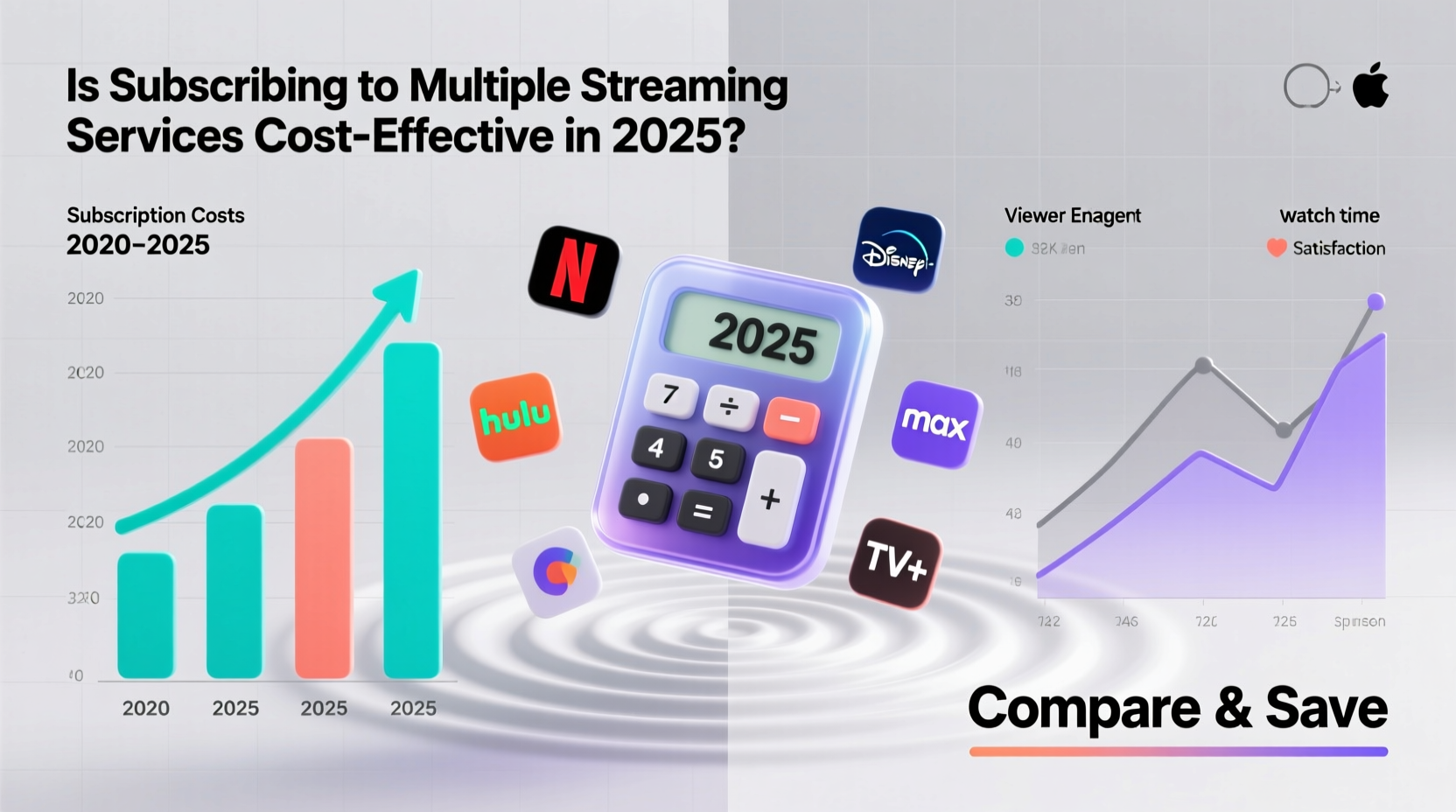
Streaming prices have steadily climbed since 2020. Netflix led the charge with multiple increases, followed by Disney+, Amazon Prime Video, and others. In 2025, ad-free tiers are no longer the default; they’re the premium option. Even services that once positioned themselves as budget-friendly, like Paramount+ and Peacock, now offer limited content on their base plans, pushing users toward pricier upgrades.
This trend contributes to “subscription fatigue”—a phenomenon where consumers feel overwhelmed by recurring charges they barely use. A 2024 Deloitte survey found that 42% of subscribers forget they’re paying for at least one streaming service. Another study by Consumer Reports revealed the average user spends $57 monthly on video streaming alone, yet watches content from only two platforms regularly.
Usage Patterns vs. Subscription Count
Most households don’t watch content across all subscribed platforms equally. Viewing data from Nielsen and Samba TV shows that 70% of streaming hours are spent on just two services. For many families, that means paying for four or five subscriptions but deriving 80% of their entertainment from one or two.
Consider a typical household profile:
- Primary Viewer (Parent): Uses Netflix for documentaries and Max for HBO originals.
- Teenager: Watches anime on Crunchyroll and YouTube Premium.
- Young Child: Streams cartoons exclusively on Disney+.
- Occasional User (Partner): Logs into Hulu once a month for reality TV recaps.
In this scenario, three services (Netflix, Max, Disney+) serve core needs. Crunchyroll and YouTube Premium cater to niche interests. Hulu is underused. The total monthly cost: approximately $75. But if the family dropped Hulu and shared Crunchyroll login with a friend, they’d save $25/month—$300 annually—with minimal impact on viewing satisfaction.
Cost Comparison: Bundles vs. Individual Subscriptions
Some providers offer bundled options to improve perceived value. For example, the Disney Bundle (Disney+, Hulu, ESPN+) costs $16.99/month for the ad-supported plan—nearly half the price of subscribing to each separately ($24.99). Similarly, Amazon Prime includes Prime Video, music, and shipping benefits for $14.99/month, making standalone Prime Video ($8.99) a poor value unless you already have Prime.
| Service Combination | Individual Cost (Monthly) | Bundled Cost (Monthly) | Savings |
|---|---|---|---|
| Disney+, Hulu, ESPN+ | $24.99 | $16.99 | $8.00 |
| Netflix Standard + Max Ad-Free | $31.98 | No bundle available | $0.00 |
| Amazon Prime (includes Prime Video) | $14.99 | $14.99 | N/A |
| YouTube Premium Family Plan | $23.99 | $23.99 (supports 6 members) | Per-user cost drops to ~$4 if shared |
Bundles can deliver real savings, but only when they align with your actual viewing habits. Paying for ESPN+ when you never watch sports diminishes the deal. Likewise, ad-supported tiers may save $5/month but interrupt viewing with frequent breaks—reducing overall enjoyment.
“Consumers are trading convenience for cost without realizing how much they’re overpaying for unused access.” — Dr. Lena Torres, Media Economist at Northwestern University
Strategies for Maximizing Value in 2025
Staying entertained doesn’t require blanket subscriptions. Strategic planning can reduce costs while preserving access to desired content. Here are proven approaches:
1. Rotate Subscriptions Based on Content Drops
Many viewers successfully adopt a “subscribe-and-cancel” model. When a highly anticipated show premieres—such as a new Marvel series on Disney+ or a final season of a hit drama on Netflix—they sign up, binge-watch, then cancel before the next billing cycle. This requires discipline and calendar tracking but can cut annual spending by 50% or more.
2. Share Accounts Legally
Most major platforms allow account sharing with household members or, in some cases, extended networks. Netflix permits two additional authorized devices outside the home for $7.99/month, effectively enabling semi-private sharing. YouTube Premium and Amazon Prime allow family plan distribution. Leveraging these features responsibly reduces individual costs without violating terms of service.
3. Prioritize Ad-Supported Tiers
If budget is tight, consider ad-supported plans. Disney+, Hulu, Max, and Peacock all offer lower-priced tiers with commercials. While interruptions average 4–6 minutes per hour, the trade-off can be worth $5–$7 in monthly savings. Over a year, that’s $60–$84 redirected elsewhere.
4. Use Free, Legal Alternatives
Platforms like Tubi, Pluto TV, Crackle, and Roku Channel offer extensive libraries at no cost. Backed by ads, they feature movies, classic TV, and even original programming. In 2025, Tubi reported over 75 million monthly active users—a testament to the viability of free streaming. Integrating one or two free services into your routine can justify dropping a paid subscription.
Mini Case Study: The Martinez Family’s Streaming Reset
The Martinez family of four in Austin, Texas, used to spend $82 monthly on streaming: Netflix ($17.99), Hulu ($14.99), Max ($15.99), Disney+ ($13.99), YouTube Premium Family ($23.99), and Apple TV+ ($6.99). They rarely watched Apple TV+ and only used Max during award season.
In January 2025, they conducted a usage audit. Results showed:
- Disney+ was used daily by the kids.
- Hulu was primarily used for one weekly show.
- Netflix was the main platform for adult viewing.
- Max and Apple TV+ were accessed fewer than three times in six months.
Action plan:
- Canceled Max and Apple TV+—saving $22.98/month.
- Switched Hulu to its ad-supported tier—saving $5/month.
- Added Tubi to replace occasional Max viewing.
- Kept YouTube Premium for music and offline downloads.
New monthly cost: $58.03—a 29% reduction. No major content loss. The family redirected $288 saved annually toward a summer vacation fund.
Checklist: Optimizing Your 2025 Streaming Strategy
Use this checklist to evaluate and refine your current setup:
- ✅ List all active streaming subscriptions and their monthly costs.
- ✅ Track which services you’ve used in the past 30 days.
- ✅ Identify overlapping content (e.g., same movie on two platforms).
- ✅ Explore bundled options (e.g., Disney Bundle).
- ✅ Consider downgrading to ad-supported plans where acceptable.
- ✅ Investigate free platforms like Tubi or Pluto TV.
- ✅ Set calendar reminders to cancel before renewal if testing a service.
- ✅ Share eligible accounts with trusted family members to split costs.
FAQ
Can I really save money by canceling and rejoining streaming services?
Yes, if done strategically. Many platforms retain your watch history and preferences for 6–12 months after cancellation. Rejoining to finish a series or catch a new season typically doesn’t require repurchasing content. Just ensure you cancel before the next billing date and track upcoming releases.
Is account sharing still allowed in 2025?
Policies vary. Netflix introduced paid \"extra member\" options, but unlimited informal sharing is discouraged. Hulu, Disney+, and Max allow household sharing. Always review the platform’s current terms. Sharing within a trusted circle remains a viable cost-saving method, especially with family plans.
Are free streaming platforms safe and legal?
Yes, reputable free platforms like Tubi, Pluto TV, and the Roku Channel are fully licensed and ad-supported. They do not host pirated content. Avoid unofficial third-party apps or sites claiming “free Netflix,” as these often violate copyright laws and may expose devices to malware.
Conclusion: Smarter Access Over More Access
Subscribing to multiple streaming services in 2025 is not inherently cost-effective—but it doesn’t have to be wasteful either. The key lies in intentionality. Mindless subscription stacking leads to financial leakage. In contrast, a deliberate approach—rooted in actual viewing behavior, smart bundling, and timely cancellations—can deliver rich entertainment at a fraction of the cost.
The future of streaming isn’t about owning access to everything. It’s about curating access to what matters. As content continues to fragment and prices climb, the most valuable skill won’t be choosing platforms, but knowing when to let go. Evaluate your habits, apply the strategies outlined here, and build a leaner, more satisfying viewing experience.




 浙公网安备
33010002000092号
浙公网安备
33010002000092号 浙B2-20120091-4
Comments
No comments yet. Why don't you start the discussion?