
In 2015, cutting the cable cord felt revolutionary. For the first time, consumers could access premium TV shows, blockbuster movies, and original programming without a bloated $100 monthly bill or long-term contracts. Fast forward a decade, and the landscape has shifted dramatically. What once promised affordability and convenience now presents a new dilemma: subscribers are paying more than ever for less cohesive content, scattered across platforms that seem to raise prices as frequently as they release new seasons.
The average U.S. household now subscribes to four streaming services, spending over $90 per month—nearly matching traditional cable packages from a decade ago. At the same time, studios have pulled their most popular titles from one platform to another in pursuit of exclusive viewership, a phenomenon known as content fragmentation. The result? Consumers must juggle subscriptions just to watch a single show. So, is this model still sustainable—or even worthwhile?
The Rising Cost of Convenience
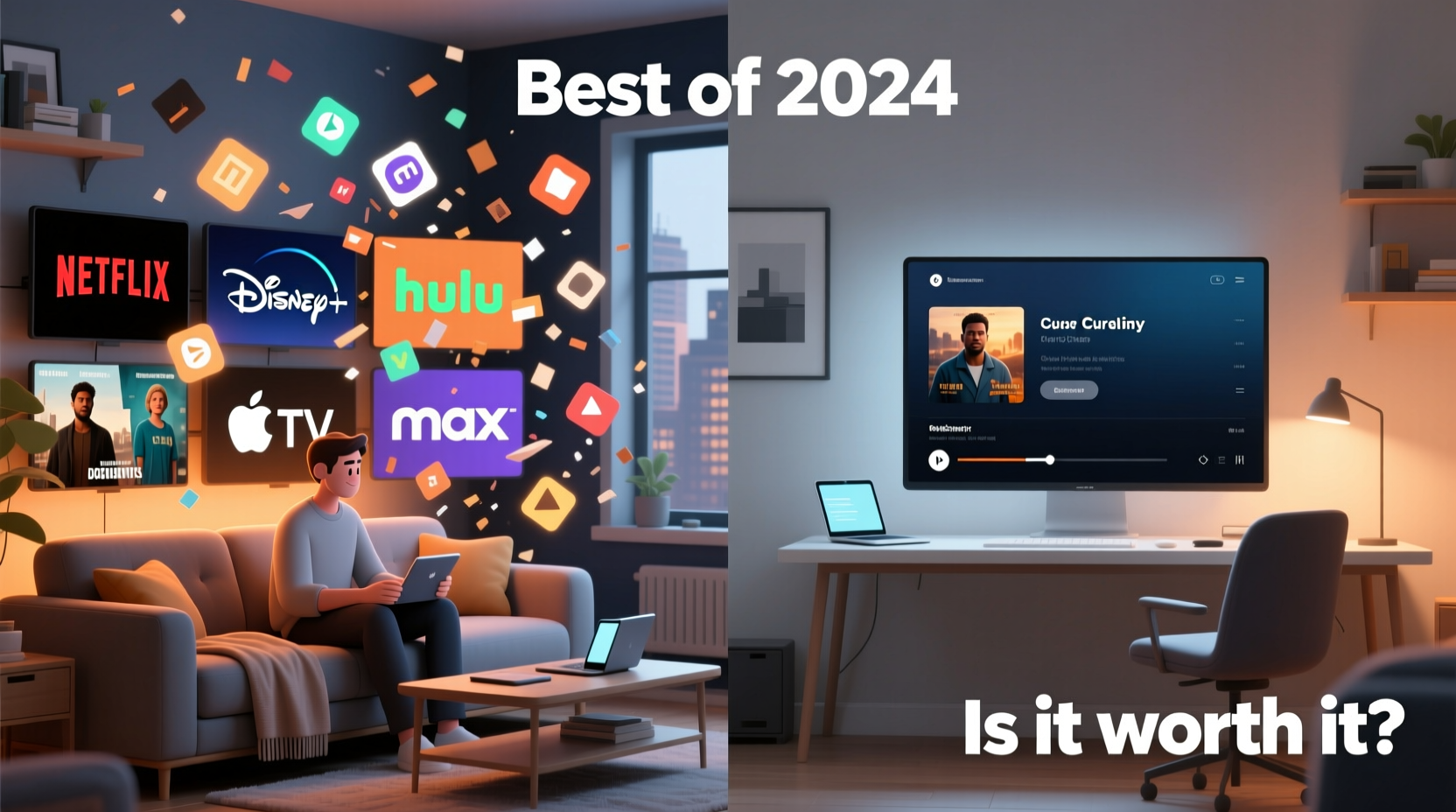
Streaming began as a disruptor, offering leaner pricing and on-demand flexibility. Netflix’s basic plan launched at $7.99/month; Hulu offered ad-supported plans for $5.99. But those days are gone. Today, Netflix’s standard plan costs $15.49, Disney+ sits at $10.99 for ad-free viewing, Max (formerly HBO Max) charges $15.99, and Apple TV+ has risen to $9.99. Add in Peacock, Paramount+, and Amazon Prime Video, and the total easily exceeds $80–$100 monthly.
What’s worse, many services now offer tiered models where core features—like 4K resolution or offline downloads—are locked behind higher-priced plans. Even shared family plans no longer deliver the same value, as some platforms limit simultaneous streams or require additional fees for extra users.
Content Fragmentation: The Hidden Tax on Viewers
Content fragmentation refers to the dispersal of TV shows, movies, and franchises across competing platforms due to corporate ownership changes and exclusivity strategies. When Disney acquired 21st Century Fox, it moved *The Simpsons* and *Family Guy* exclusively to Disney+. Warner Bros. Discovery pulled *South Park* from Hulu to launch on Max. Netflix lost *Friends* and *The Office* to HBO Max and Peacock, respectively.
This strategy boosts subscriber acquisition for individual platforms but penalizes consumers who simply want to watch what they love. Instead of one all-in-one hub, fans now need multiple accounts to follow a single genre, franchise, or actor’s work.
A telling example: To watch every season of *Star Trek*, a fan may need both Paramount+ (for new series like *Strange New Worlds*) and Netflix (for older remastered episodes). Meanwhile, *The Lord of the Rings* films sit on Amazon Prime, while the new series *The Rings of Power* is Prime-exclusive—forcing viewers into a single-platform dependency regardless of overall content quality.
“Consumers are being forced into subscription fatigue not by choice, but by corporate siloing. The value proposition has flipped.” — Dr. Lena Patel, Media Economist at Northwestern University
Comparative Value: Are You Getting Your Money’s Worth?
To assess whether multiple subscriptions are still worth it, consider usage versus cost. A useful metric is cost per hour of watched content. If you pay $15 for a service but only watch two hours of content per month, you’re effectively paying $7.50 per hour—more than a movie ticket.
Below is a comparison of major platforms based on average monthly cost, original content output, library size, and user engagement (based on 2023 Nielsen and Parks Associates data):
| Service | Monthly Cost (Ad-Free) | Original Series (New/Year) | Library Size (Titles) | Recommended For |
|---|---|---|---|---|
| Netflix | $15.49 | 80+ | 15,000+ | Binge-watchers, international content lovers |
| Max | $15.99 | 25 | 12,000 | HBO fans, prestige drama viewers |
| Disney+ | $10.99 | 15 | 8,000 | Families, Marvel/Star Wars devotees |
| Apple TV+ | $9.99 | 12 | 250 | Quality-over-quantity viewers |
| Paramount+ | $11.99 | 20 | 6,000 | Sports fans, reality TV audiences |
| Peacock | $11.99 | 18 | 20,000+ | Comedy lovers, live sports, classic NBC |
While Netflix and Peacock offer vast libraries, Apple TV+ wins on cost efficiency per original show—but only if its limited catalog aligns with your taste. The data suggests that stacking three or more services rarely maximizes value unless you're a high-volume viewer with diverse interests.
Smart Strategies to Optimize Streaming Spend
Blindly renewing subscriptions each month is no longer a viable strategy. Instead, adopt a dynamic, intentional approach to streaming consumption. Below is a step-by-step guide to regaining control over your digital entertainment budget.
- Track Your Viewing Habits: Use built-in platform analytics (e.g., Netflix’s “Recently Watched”) or third-party tools like Reelgood or JustWatch to log what you actually watch.
- Assign a Value Threshold: Decide how many hours per month justifies a subscription. For example, if you don’t watch at least 10 hours on a platform, it may not be worth keeping.
- Rotate Subscriptions Strategically: Cancel services when you finish a show, then resubscribe later for a new season. Many people use this tactic for shows like *Stranger Things* or *The Last of Us*.
- Leverage Free Ad-Supported Platforms: Services like Tubi, Pluto TV, Crackle, and Roku Channel offer thousands of movies and shows at no cost. While they include ads, they’re ideal for background viewing or nostalgic content.
- Share Accounts Responsibly: Most platforms allow 2–4 profiles. Split costs with trusted family or friends—but avoid violating terms of service through resale or public sharing.
Mini Case Study: How Sarah Cut Her Streaming Bill by 60%
Sarah, a 34-year-old teacher from Portland, was spending $98 monthly on six streaming services. She realized she only regularly watched *Ted Lasso* on Apple TV+ and Korean dramas on Viki, which is free. After tracking her usage for a month, she found she hadn’t opened Max or Paramount+ at all. She canceled four services, kept Netflix and Hulu (which she shares with her sister), and now spends $27/month. When a friend recommended *The White Lotus*, she borrowed login access for two weeks, watched the season, and unsubscribed. Her annual savings: $852.
Emerging Alternatives and the Future of Streaming
The current model appears unsustainable. In response, new trends are emerging that could reshape how we consume digital entertainment:
- Aggregator Platforms: Services like Xumo Play, Samsung TV Plus, and Amazon’s Freevee integrate free, ad-supported content from multiple studios into a unified interface, reducing the need for multiple paid apps.
- Rental Hybrids: Apple and Amazon allow users to rent or buy individual movies outside of subscription libraries. This à la carte model is making a comeback for occasional viewers.
- Bundling Options: Some providers now offer joint plans. For example, the “Max & Discovery+” bundle gives access to both for $19.99/month—a slight discount compared to separate purchases.
- Ad-Tier Dominance: As price sensitivity grows, more users are switching to cheaper, ad-supported tiers. Over 60% of Hulu subscribers now choose the $7.99 plan with ads, according to internal reports.
Industry analysts predict a consolidation phase within the next five years. Smaller platforms like AMC+ or Shudder may struggle to retain subscribers, while giants like Netflix and Disney focus on global expansion and theatrical hybrid releases to offset declining growth.
FAQ
Can I share streaming accounts with friends without getting caught?
Most platforms allow multiple profiles within a single household. However, sharing login details across cities or charging others money violates terms of service and can lead to account suspension. Use shared plans only with people in your home or immediate circle.
Are ad-supported plans worth it?
Yes—for casual viewers. Hulu’s $7.99 plan, Peacock’s free tier, and Paramount+’s $5.99 option offer nearly full content access with 4–8 minutes of ads per hour. If you watch under 15 hours monthly, these save significant money.
Will streaming prices keep going up?
Likely yes. Inflation, production costs, and competition for talent drive increases. However, price hikes may slow as churn rates rise. Companies risk losing customers if they fail to deliver proportional value.
Checklist: Optimizing Your Streaming Strategy
- ☐ Audit all active subscriptions and their monthly costs
- ☐ Track actual viewing time on each platform for 30 days
- ☐ Cancel services with less than 10 hours of monthly usage
- ☐ Explore free ad-supported alternatives (Tubi, Pluto TV, etc.)
- ☐ Schedule seasonal re-subscriptions for specific shows
- ☐ Consider bundled or shared plans to reduce per-service cost
- ☐ Switch to ad-supported tiers where acceptable
Conclusion: Rethinking Value in the Streaming Era
The golden age of effortless, affordable streaming is fading. With prices climbing and content splintered across walled gardens, the default assumption that “more subscriptions equal better entertainment” no longer holds. The smartest consumers aren’t those with the most logins—they’re the ones who treat streaming like a utility: monitored, optimized, and adjusted regularly.
You don’t need every service. You need the right ones—at the right time. By rotating subscriptions, embracing ad-supported options, and tracking real usage, it’s entirely possible to enjoy rich, diverse entertainment for half the cost. The future of streaming isn’t about loyalty to platforms—it’s about intentionality, flexibility, and reclaiming control over your viewing life.




 浙公网安备
33010002000092号
浙公网安备
33010002000092号 浙B2-20120091-4
Comments
No comments yet. Why don't you start the discussion?