
In 2025, the average U.S. household subscribes to nearly four streaming platforms, spending over $100 per month on digital entertainment. With prices rising, content fragmentation increasing, and new AI-driven features entering the market, many consumers are asking: Is maintaining multiple subscriptions still worth it? The answer isn’t a simple yes or no—it depends on how you use these services, what you value in content, and whether you’re optimizing your spending.
This comprehensive breakdown analyzes real-world costs, viewing habits, and strategic alternatives to help you determine if stacking Netflix, Hulu, Disney+, Max, and others fits your lifestyle—or if it’s time to scale back.
Streaming Costs in 2025: The Numbers Don’t Lie
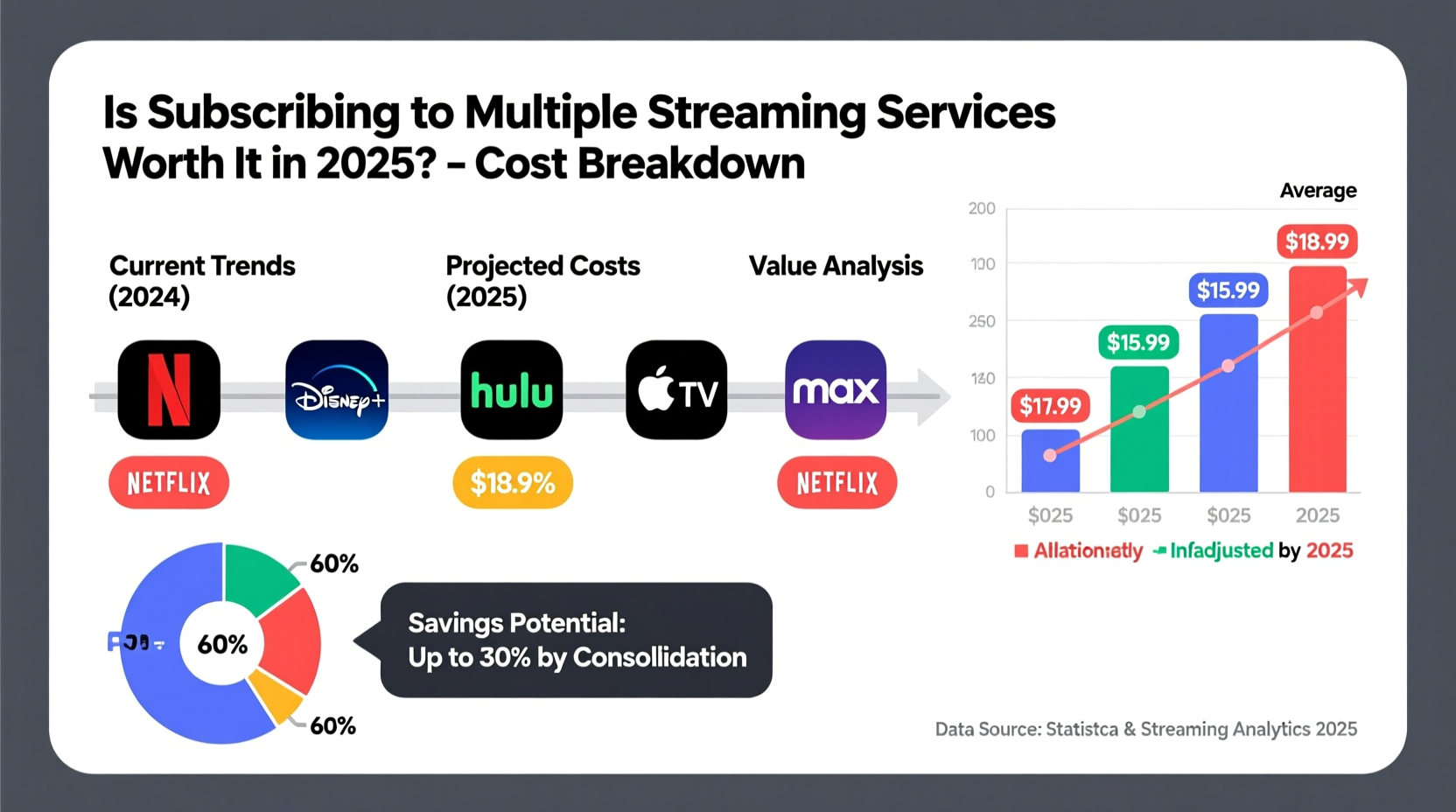
Gone are the days when a single $9.99 plan gave you access to most of the world’s top shows. In 2025, premium tiers dominate. Basic ad-supported plans still exist, but they often come with limitations like delayed releases, lower resolution, or device restrictions. Meanwhile, standard and 4K plans have increased by an average of 15–25% since 2023 due to inflation, licensing fees, and platform competition.
Consider the monthly cost of a typical “full” streaming lineup:
| Service | Plan Type (2025) | Monthly Cost |
|---|---|---|
| Netflix | Standard (2 screens, HD) | $15.49 |
| Hulu | No Ads + Live TV | $84.99 |
| Disney+ | Premium (4K, No Ads) | $13.99 |
| Max | Ad-Free with Ads Option | $15.99 |
| Amazon Prime Video | Standalone Add-on | $8.99 |
| Apple TV+ | Base Plan | $6.99 |
| YouTube Premium | Family Plan (Optional) | $22.99 |
| Total (All Subscribed) | $168.43 |
That’s nearly $170 a month—more than many cable bills from a decade ago. And this doesn’t include rentals, in-app purchases, or internet upgrades needed for 4K streaming. For context, the average American spends about $113 monthly on all forms of entertainment, according to the Bureau of Labor Statistics. Streaming alone now exceeds that benchmark for heavy users.
Content Fragmentation: Why You Need More Services Than Ever
One major reason consumers accumulate subscriptions is content exclusivity. Studios have doubled down on platform-specific releases. Marvel content lives almost entirely on Disney+. HBO originals like *Succession* and *The Last of Us* are locked behind Max. Netflix invests billions annually in original programming, while Apple TV+ uses high-profile series like *Ted Lasso* and *Severance* to lure subscribers.
Even sports are splintering across platforms. NFL Sunday Ticket moved to YouTube TV, NBA League Pass is standalone, and Premier League games are split between Peacock, NBC, and USA Network. If you want live sports without cable, you’ll likely need at least two add-ons.
As media companies prioritize direct-to-consumer revenue, they’re pulling licensed content off third-party platforms. A show that aired on Hulu last year might vanish and reappear exclusively on Disney+ the next. This forces viewers into a cycle of signing up, watching a season, then canceling—only to return months later.
“Consumers aren’t paying for access—they’re paying for patience. The system rewards those willing to jump through hoops.” — Dr. Lena Patel, Media Economist at NYU Stern School of Business
Usage vs. Cost: Are You Getting Your Money’s Worth?
The real question isn’t just how much you spend—but how much value you extract. A $15 subscription feels reasonable if you watch 30 hours of content each month. But if you only log in twice, that same plan costs $7.50 per viewing session.
Let’s analyze based on actual user behavior:
- Heavy Streamer (60+ hrs/month): Likely benefits from multiple subscriptions, especially if spread across genres (drama on Max, family content on Disney+, documentaries on Hulu).
- Moderate Viewer (20–40 hrs/month): May only need 2–3 key services. Could save significantly by rotating subscriptions monthly.
- Casual Watcher (<10 hrs/month): Almost certainly overpaying. Better off using free ad-supported platforms (Tubi, Pluto TV) or renting individual titles.
A 2024 Consumer Reports survey found that 41% of streaming subscribers admitted to forgetting they were still paying for at least one service. Another 28% said they primarily watch content from just one platform despite having three or more active accounts.
Mini Case Study: The Johnson Family’s $130/Month Habit
The Johnsons—a family of four in Austin, Texas—had been paying $130 monthly for Netflix, Hulu (with Live TV), Disney+, and YouTube Premium. They believed they needed all four: Netflix for adult dramas, Hulu for current-season network shows, Disney+ for their kids, and YouTube for music and background videos.
After tracking usage via built-in screen time reports, they discovered:
- Only one parent watched Netflix regularly (avg. 8 hrs/week).
- Live TV was rarely used; they relied on on-demand content.
- Disney+ remained active, but YouTube Premium was mostly redundant with free YouTube.
They switched to Hulu’s on-demand-only plan ($7.99), kept Disney+, downgraded Netflix to mobile-only ($6.99), and canceled YouTube Premium. New total: $47.97/month. Savings: $82.03.
They redirected part of the savings toward occasional movie theater trips and digital rentals of specific films, improving overall satisfaction.
Smart Strategies to Optimize Your Streaming Spend
You don’t have to abandon streaming altogether. Instead, adopt a strategic approach to maximize value and minimize waste. Here’s how:
1. Rotate Subscriptions Monthly
If you’re waiting for a specific show or movie, time your subscription accordingly. Sign up the month a finale drops, binge it, then cancel. Most platforms allow immediate reactivation without penalty.
2. Share Accounts Legally
Many services now offer tiered sharing:
- Netflix: Up to five profiles, two simultaneous streams on Standard plan.
- Disney+: Includes Hulu and ESPN+ in bundle; can share login within household.
- Max: Allows six profiles and three concurrent streams on the most expensive tier.
3. Use Aggregators and Watchlists
Tools like JustWatch.com or Reelgood aggregate availability across platforms. Enter a title, and they tell you which service hosts it—helping you avoid unnecessary sign-ups.
4. Embrace Ad-Supported Tiers
In 2025, ad-supported plans are more user-friendly than ever. Hulu’s no-ads upgrade is optional after a trial, and Disney+ introduced a mid-tier option with limited commercials but full 4K access. For non-essential viewing, ads are a small price for big savings.
Checklist: Optimizing Your 2025 Streaming Strategy
- Track your actual viewing time across all platforms for one month.
- List every subscription and its monthly cost.
- Identify which services host content you actually watch.
- Cancel at least one underused subscription.
- Switch one premium plan to an ad-supported alternative.
- Set calendar reminders to review subscriptions every 90 days.
- Use a watchlist tool to avoid impulse sign-ups.
Emerging Alternatives in 2025
The market is responding to subscription fatigue. Several trends are gaining traction:
- Transactional Streaming: Rent or buy individual movies/shows instead of subscribing. Platforms like Apple TV, Amazon, and Vudu make this seamless.
- Free Ad-Supported Streaming TV (FAST): Services like Tubi, Pluto TV, and Roku Channel offer thousands of hours of content at zero cost. In 2025, FAST accounts for 18% of total streaming hours in the U.S., per Nielsen.
- Bundled Deals: Providers like Xfinity and Verizon offer discounted streaming packages with internet plans. Some bundles include free tiers of Max, Disney+, or Apple TV+ for 12–24 months.
- AI-Powered Curation: New platforms use machine learning to recommend content across services, reducing decision fatigue and helping users discover value in existing subscriptions.
For example, Samsung and LG smart TVs now integrate unified watchlists that pull from all connected apps, alerting users when a desired show becomes available—eliminating the need to subscribe just to check.
Frequently Asked Questions
Can I really save money by canceling and rejoining services?
Yes—most major platforms allow you to pause or cancel without losing viewing history or preferences. As long as you don’t exceed the allowed inactive period (usually 6–12 months), you can reactivate seamlessly. Just remember to set reminders so you don’t miss key release dates.
Are ad-supported plans worth it in 2025?
They’ve improved dramatically. Modern ad loads average 4–6 minutes per hour, down from 8–10 in 2020. Many include 4K, Dolby Audio, and early access to select content. For casual viewers or secondary services, they offer excellent value.
What’s the cheapest way to watch live sports without cable?
It depends on the sport. For NFL: YouTube TV or NFL+ (mobile-only). NBA: NBA League Pass or ESPN+ (for out-of-market games). MLB: MLB.TV. Soccer: Peacock (Premier League), ESPN+ (La Liga), or FuboTV. Consider short-term subscriptions during playoffs rather than year-round commitments.
Conclusion: Make Intentional Choices in 2025
Subscribing to multiple streaming services isn’t inherently wasteful—but doing so without scrutiny is. In 2025, the average consumer has more choice than ever, but also more pressure to manage costs intelligently. Blindly renewing four or five subscriptions can cost as much as a gym membership, a phone plan, or even a car payment—all for entertainment you may not fully use.
The solution lies in intentionality. Track your habits. Prioritize quality over quantity. Leverage tools and shared plans. And remember: access doesn’t equal value. True savings come not from cutting everything, but from aligning your spending with your actual lifestyle.




 浙公网安备
33010002000092号
浙公网安备
33010002000092号 浙B2-20120091-4
Comments
No comments yet. Why don't you start the discussion?