
The average American household now subscribes to more than four streaming platforms, spending over $100 per month on digital entertainment. With Netflix, Hulu, Disney+, Max, Apple TV+, and a growing list of niche services like Shudder or Mubi, the modern viewer has never had more choice. But does that abundance translate into value? Or are we paying for access we rarely use? As subscription fatigue sets in, many are reevaluating whether stacking services is still sustainable—or if it’s finally time to cut the cord.
Streaming once promised freedom from cable’s rigid bundles and high prices. Yet today’s landscape risks repeating history: bloated subscriptions, fragmented content, and declining satisfaction. Understanding when multiple services add real value—and when they’re just draining your wallet—requires looking beyond convenience and into actual viewing habits, financial impact, and long-term media strategy.
The Hidden Cost of Streaming Overload
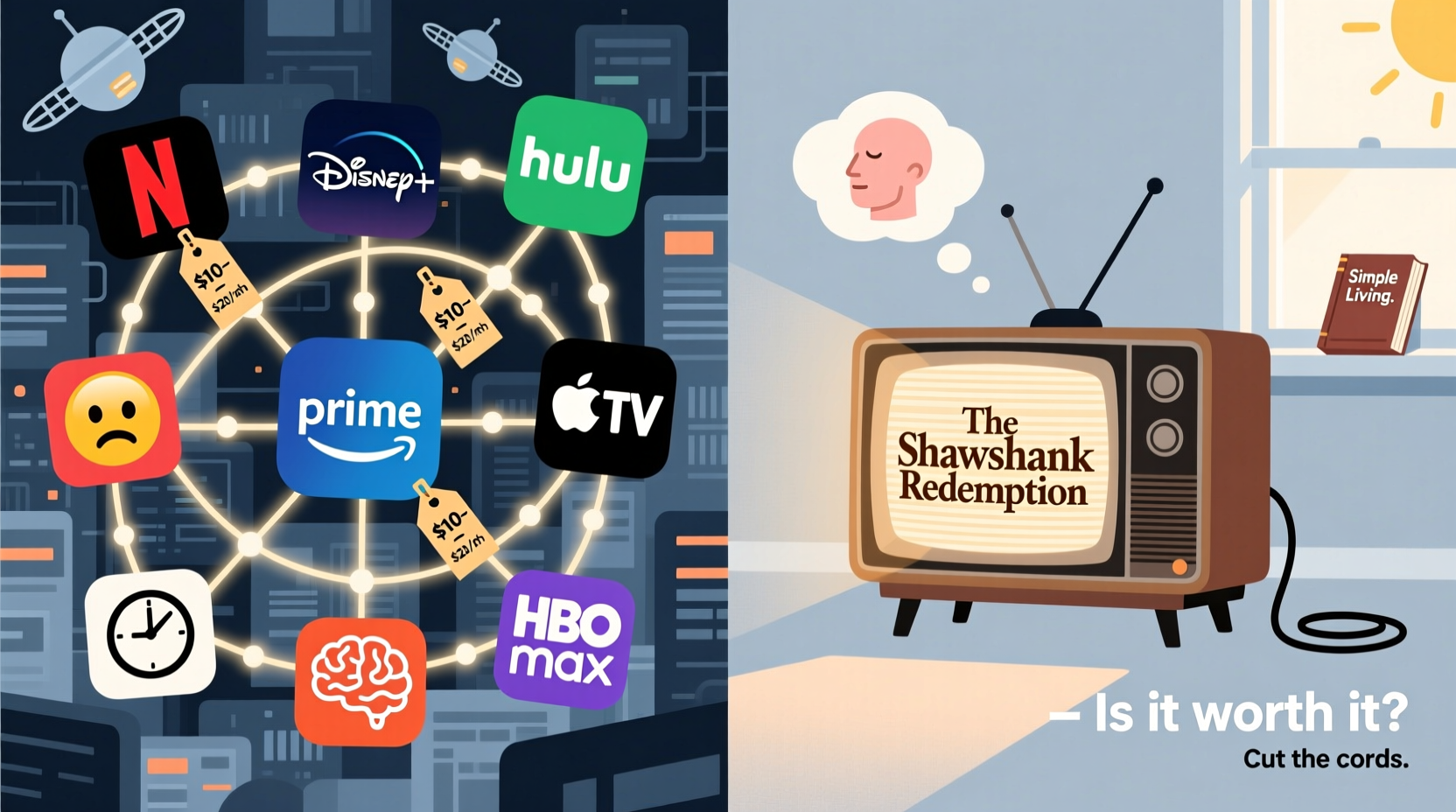
At first glance, individual streaming plans seem affordable. A standard Netflix plan runs $15.49/month; Hulu is $7.99 with ads; Disney+ clocks in at $13.99. But these numbers add up quickly. A household using Netflix, Hulu, Max, and Apple TV+ pays nearly $50 monthly before taxes or price hikes. Add YouTube Premium or Spotify for music, and that climbs past $70. For families splitting costs, this may feel manageable. But for singles or light viewers, the math becomes harder to justify.
More insidious than the base cost is the phenomenon known as “subscription creep.” Platforms routinely increase prices—Netflix raised its U.S. pricing by 25% in 2023 alone. Simultaneously, they remove content due to licensing deals expiring, leaving subscribers with less for more. One study found that 68% of users have forgotten about at least one subscription they were still being charged for. The ease of signing up online often outweighs the friction of canceling, creating a passive revenue stream for companies and a silent drain on personal budgets.
When Multiple Subscriptions Make Sense
Not all multi-subscription setups are wasteful. For certain households and lifestyles, access across platforms delivers genuine value. Consider a family with diverse tastes: parents who enjoy prestige dramas on Max, teens hooked on anime via Crunchyroll, and younger kids entertained by Peppa Pig on Paramount+. In such cases, spreading across services ensures everyone gets content they love without compromise.
Heavy viewers also benefit. If you watch two or more hours of curated content daily, rotating between platforms keeps the experience fresh. Binge-watchers catching up on series like *Stranger Things* (Netflix), *The Last of Us* (Max), and *Loki* (Disney+) may find overlapping access necessary during peak release seasons. Additionally, some creators and franchises are exclusive to specific platforms—Martin Scorsese films on Apple TV+, Studio Ghibli on HBO Max, or Korean dramas on Viki—making selective subscriptions unavoidable for fans.
Travelers and remote workers gain flexibility too. Services like Netflix and Amazon Prime Video allow offline downloads, enabling entertainment during flights or commutes. Having multiple apps preloaded increases variety when internet access is limited.
“Consumers used to pay for channels they didn’t watch. Now they’re paying for entire platforms they only use occasionally.” — Dr. Lena Torres, Media Economist at Columbia University
When It’s Time to Cut the Cord
Cutting the cord doesn’t necessarily mean abandoning streaming altogether—it means optimizing. Many people maintain subscriptions out of habit rather than active use. Ask yourself: How many times last month did I log into each service? Was I scrolling aimlessly because nothing felt compelling? Did I forget my password?
If usage is low, consider pausing or canceling. Most platforms allow you to suspend accounts temporarily without losing watchlists or preferences. Others, like Hulu, offer seasonal plans that pause during summer months when viewing drops. You can also rotate subscriptions—keep Netflix for three months to finish a series, then switch to Max for a new show premiere.
Broadband costs compound the issue. Canceling cable might save money, but high-speed internet remains essential for streaming. Without a bundled discount, standalone internet can cost $60–$80/month. When combined with four streaming services, total monthly spending rivals old-school cable packages—without the local channels or sports networks.
Alternatives to Stacking Subscriptions
There are smarter ways to access content without multiplying bills:
- Ad-supported tiers: Hulu, Peacock, and Paramount+ offer cheaper plans with limited commercials. For casual viewers, the trade-off is often worth it.
- Bundle deals: Disney+’s bundle with Hulu and ESPN+ provides three services for $15.99/month—less than Netflix alone.
- Free ad-supported platforms: Tubi, Pluto TV, and The Roku Channel offer full libraries at no cost. While selection leans toward older or niche content, they’re surprisingly robust.
- Library access: Services like Kanopy and Hoopla are free with a library card and feature award-winning films and documentaries.
- Rental economy: Instead of subscribing, rent new releases ($3.99–$5.99) on Amazon or Apple when available.
Case Study: The Johnson Family’s Streaming Audit
The Johnsons, a family of four in Austin, Texas, spent $137 monthly on entertainment: $18 for Netflix, $14 for Disney+, $8 for Hulu (with ads), $15 for Max, $12 for Apple TV+, $10 for YouTube Premium, $15 for Spotify Family, and $45 for internet. They believed they were saving compared to their old $160 cable bill.
After tracking usage for a month, they discovered startling inefficiencies. Netflix was used heavily for two weeks while finishing *Squid Game* Season 2, then ignored. Disney+ saw only weekend use by the kids. Max was opened twice. Apple TV+ hadn’t been accessed in over six weeks. Hulu was primarily used for one weekly show.
They implemented a rotation model: keeping Disney+ and Hulu year-round (core usage), alternating Netflix and Max every quarter based on upcoming releases, and switching Apple TV+ to an on-demand rental basis. They canceled YouTube Premium in favor of local downloads and kept Spotify. Their new average monthly cost? $68—a 50% reduction—with no loss in satisfaction.
Streaming Decision Checklist
Before renewing or adding a subscription, run through this checklist:
- Have I used this service at least 8 times in the past month?
- Is the content I want exclusive to this platform?
- Am I paying for features I don’t use (e.g., 4K, multiple profiles)?
- Is there a cheaper tier (ad-supported) that meets my needs?
- Can I access similar content elsewhere (library, free platform, rental)?
- Do I already have overlapping shows across other services?
- Is this subscription driving real enjoyment, or am I holding onto it out of habit?
Comparing Value Across Major Platforms
| Service | Monthly Cost (USD) | Key Originals | Ad-Supported Option? | Best For |
|---|---|---|---|---|
| Netflix | $6.99–$22.99 | Stranger Things, The Crown, Squid Game | Yes ($6.99) | Binge-watchers, global content lovers |
| Hulu | $7.99–$17.99 | The Handmaid’s Tale, Only Murders in the Building | Yes ($7.99) | Current-season TV, FX content |
| Disney+ | $8.99–$15.99 | Loki, The Mandalorian, Pixar films | Yes ($8.99) | Families, Marvel/Star Wars fans |
| Max | $9.99–$19.99 | Succession, House of the Dragon, HBO documentaries | Yes ($9.99) | Prestige drama, film enthusiasts |
| Apple TV+ | $9.99 | Ted Lasso, Severance, Foundation | No | High-quality originals, minimal clutter |
| Peacock | Free–$11.99 | The Office, Yellowstone, WWE | Yes (Free & $5.99) | Sports, reality TV, NBC shows |
Note: Prices reflect U.S. standard rates as of 2024. Bundles (e.g., Disney+/Hulu/ESPN+) may offer better value.
Frequently Asked Questions
Can I share streaming accounts to reduce costs?
Yes, most platforms allow shared access. Netflix permits up to five profiles, and many offer “extra member” options for $7.99/month to share with someone outside your household. However, recent enforcement of account-sharing policies means logging in from different locations may trigger password resets or additional fees. Always review the platform’s current terms.
Are free streaming services reliable?
Increasingly so. Platforms like Tubi and Pluto TV are backed by major media companies (Fox and Paramount, respectively) and offer thousands of movies and shows with minimal buffering. While ads appear every 8–10 minutes, the content is legal, safe, and often includes cult classics, documentaries, and older network TV seasons not available on paid services.
What’s the best way to keep up with shows without subscribing to everything?
Adopt a hybrid approach: rely on one or two core subscriptions (e.g., Disney+ for family, Max for adults), use free platforms for filler content, and rent new releases. Set calendar reminders for show premieres so you can temporarily resubscribe, watch, and cancel. Tools like JustWatch.com notify you when titles become available on your existing platforms.
Conclusion: Reclaim Control Over Your Viewing Experience
The era of unchecked streaming subscriptions is ending. What began as a liberating alternative to cable has, for many, become another form of passive consumption and financial leakage. The solution isn’t to abandon streaming—but to engage with it intentionally. Audit your usage, prioritize quality over quantity, and leverage flexible models like bundling, rotating access, and ad-supported tiers.
Technology should serve your life, not complicate it. By cutting redundant services and reclaiming control over your entertainment budget, you gain more than savings—you gain time, clarity, and better viewing satisfaction. Don’t let algorithms and auto-renewals decide what you watch. Take back your screen time, one subscription at a time.




 浙公网安备
33010002000092号
浙公网安备
33010002000092号 浙B2-20120091-4
Comments
No comments yet. Why don't you start the discussion?