
Teeth grinding, also known as bruxism, affects millions of people worldwide—many without even realizing it. Often occurring during sleep or in moments of intense concentration, this unconscious habit can lead to serious dental complications, including enamel erosion, jaw pain, and tooth sensitivity. While multiple factors contribute to bruxism, one of the most significant—and often overlooked—is psychological stress. Understanding the connection between stress and teeth grinding is the first step toward protecting your smile. More importantly, knowing how to intervene can prevent long-term damage to your enamel and overall oral health.
The Science Behind Stress and Teeth Grinding
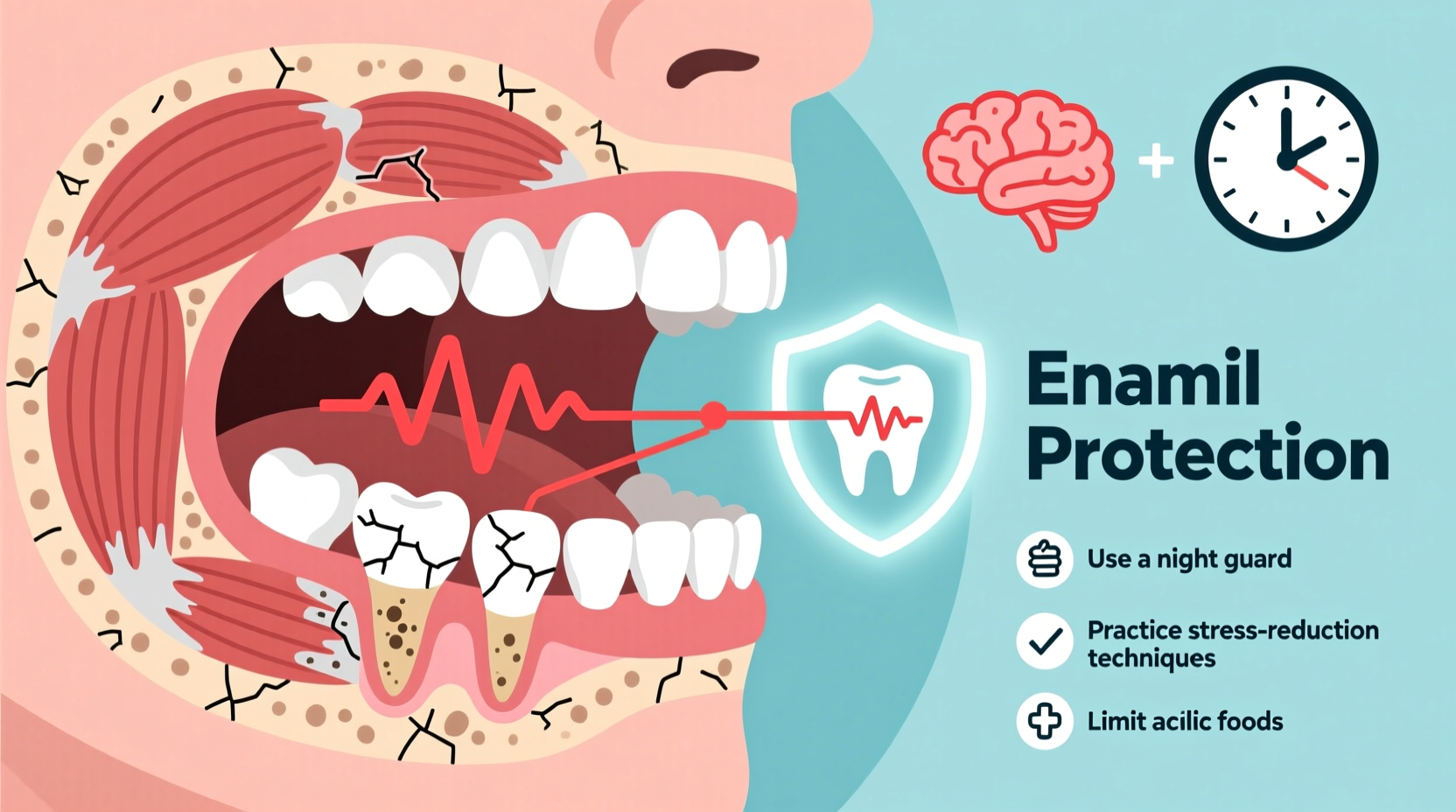
Bruxism manifests in two primary forms: awake bruxism and sleep bruxism. Awake bruxism typically involves clenching the jaw during the day, often triggered by emotional states such as anxiety, frustration, or deep focus. Sleep bruxism, on the other hand, occurs unconsciously during sleep and is frequently associated with stress-related arousal patterns in the central nervous system.
Research consistently shows a strong correlation between elevated stress levels and increased bruxism activity. A 2020 study published in the *Journal of Oral Rehabilitation* found that individuals reporting high work-related stress were nearly three times more likely to experience nighttime grinding than those with low stress levels. The body’s natural response to stress—activation of the sympathetic nervous system—can trigger muscle tension, including in the jaw muscles, leading to involuntary clenching or grinding.
“Stress doesn’t just affect your mind—it expresses itself physically, and for many, that physical expression shows up in the mouth. Bruxism is often the body’s silent reaction to unmanaged pressure.” — Dr. Lena Patel, Clinical Dentist and Sleep Medicine Specialist
The link isn’t limited to acute stress. Chronic stress, whether from ongoing job pressure, financial concerns, or personal relationships, can create a persistent state of muscle hyperactivity. Over time, this wears down enamel—the hardest substance in the human body—but not indestructible.
How Enamel Damage Occurs and Why It Matters
Enamel serves as a protective shield for your teeth. Once damaged, it cannot regenerate. Unlike bone or skin, enamel lacks living cells and therefore has no capacity for self-repair. When bruxism is left unchecked, the repetitive force of grinding—sometimes exceeding 300 pounds per square inch—gradually erodes this vital layer.
Symptoms of enamel wear include:
- Increased tooth sensitivity to hot, cold, or sweet foods
- Flattened, chipped, or cracked teeth
- Dull or worn edges visible upon close inspection
- Muscle fatigue or soreness in the jaw, especially in the morning
- Headaches originating from the temples
As enamel thins, the underlying dentin becomes exposed, increasing the risk of cavities, discoloration, and even tooth loss. In severe cases, restorative procedures like crowns, veneers, or root canals may become necessary—not because of decay, but due to mechanical wear from grinding.
Effective Strategies to Reduce Grinding and Protect Enamel
Addressing bruxism requires a dual approach: managing the root cause (stress) and implementing physical protections for your teeth. Here are proven methods to reduce grinding and preserve enamel integrity.
1. Use a Custom-Fit Night Guard
One of the most effective ways to protect enamel is wearing a professionally fitted night guard. Unlike over-the-counter boil-and-bite models, custom guards are molded to your exact dental structure, offering superior comfort and protection.
| Type | Pros | Cons |
|---|---|---|
| Custom Dental Guard | Precise fit, durable, reduces muscle strain | Higher cost (~$200–$500) |
| Boil-and-Bite Guard | Affordable, widely available | Poor fit, may worsen jaw alignment |
| Soft vs. Hard Material | Soft: comfortable; Hard: longer-lasting | Soft may wear faster under heavy grinding |
2. Practice Daily Stress Management
Since stress is a major contributor, integrating relaxation techniques into your routine can significantly reduce bruxism episodes. Effective practices include:
- Mindfulness meditation: Even 10 minutes daily can lower cortisol levels and reduce muscle tension.
- Progressive muscle relaxation: Focus on systematically tensing and releasing muscle groups, starting from the feet up to the jaw.
- Breathing exercises: Diaphragmatic breathing helps activate the parasympathetic nervous system, promoting calm.
3. Modify Lifestyle Triggers
Certain habits amplify bruxism risk. Reducing or eliminating them supports both mental and dental health:
- Limited caffeine after noon—stimulants increase nervous system activity.
- Avoid alcohol in the evening—it disrupts sleep architecture and increases grinding episodes.
- Stop chewing gum or non-food items (e.g., pens), which trains jaw muscles to stay active.
Step-by-Step Guide to Managing Bruxism at Home
Implementing a structured plan increases your chances of success. Follow this six-week timeline to reduce grinding and protect enamel:
- Week 1: Awareness & Tracking
Keep a journal noting stress levels, jaw discomfort, and sleep quality each morning. Note any clenching during the day. - Week 2: Schedule a Dental Checkup
Visit your dentist to assess enamel wear and discuss night guard options. Early intervention prevents further damage. - Week 3: Begin Stress-Reduction Routine
Start a daily 10-minute mindfulness practice. Apps like Insight Timer or Calm offer guided sessions tailored to stress relief. - Week 4: Optimize Sleep Hygiene
Establish a consistent bedtime, eliminate screens one hour before bed, and keep your bedroom cool and dark. - Week 5: Introduce a Night Guard
Begin wearing your custom-fitted guard nightly. Clean it daily with a soft brush and mild soap. - Week 6: Evaluate Progress
Review your journal. Look for reductions in jaw pain, improved sleep, and fewer grinding sensations.
Real-Life Example: How One Professional Reduced Her Grinding
Sarah, a 34-year-old project manager, began experiencing frequent morning headaches and noticed her molars felt unusually sensitive. After a dental exam revealed significant enamel wear, her dentist asked about her stress levels. Sarah admitted to working 60-hour weeks and often feeling “wired” at night despite exhaustion.
She was diagnosed with moderate sleep bruxism. Following her dentist’s advice, she took a multi-pronged approach:
- Obtained a custom night guard
- Started a daily 15-minute meditation practice using a guided app
- Switched from afternoon coffee to herbal tea
- Set a firm 8 p.m. cutoff for work emails
After eight weeks, Sarah reported a 70% reduction in jaw pain and no more morning headaches. A follow-up dental exam showed no further enamel deterioration. “I didn’t realize how much my stress was showing up in my teeth,” she said. “Fixing my habits didn’t just help my mouth—it improved my sleep and mood too.”
Do’s and Don’ts for Protecting Your Enamel
| Do’s | Don’ts |
|---|---|
| Wear a night guard consistently | Ignore signs like jaw fatigue or tooth sensitivity |
| Practice jaw relaxation techniques | Chew on hard objects (ice, pens, fingernails) |
| Use fluoride toothpaste to strengthen enamel | Consume acidic drinks (soda, citrus juice) right before bed |
| Visit your dentist every 6 months | Use abrasive whitening toothpastes—they can accelerate wear |
| Stay hydrated to maintain saliva flow (natural enamel protector) | Grind teeth during the day without awareness |
Frequently Asked Questions
Can children grind their teeth due to stress too?
Yes. While childhood bruxism is often linked to growth and development, emotional stress—such as school pressure, family changes, or bullying—can also trigger grinding. Parents should watch for complaints of sore jaws, disrupted sleep, or worn-down baby teeth and consult a pediatric dentist if concerned.
Is it possible to stop bruxism permanently?
For many, bruxism can be effectively managed or resolved, especially when stress is addressed. Some adults outgrow sleep bruxism, while others require long-term use of a night guard. The key is early detection and consistent lifestyle adjustments. Complete cessation is possible, particularly when psychological contributors are treated.
Does Botox really help with teeth grinding?
Emerging evidence supports the use of Botox (botulinum toxin) injections in the masseter muscles to reduce grinding intensity. By temporarily weakening the jaw muscles, Botox decreases the force of clenching. Effects last 3–6 months and require repeat treatments. It’s typically considered for severe cases unresponsive to other therapies and should only be administered by a qualified medical professional.
Final Thoughts: Take Control Before Damage Sets In
Teeth grinding is more than just a bad habit—it’s a physical manifestation of internal stress that can silently compromise your dental health. The good news is that it’s highly manageable with the right awareness and tools. From adopting relaxation techniques to investing in a custom night guard, small changes today can prevent costly and painful consequences tomorrow.
Your enamel is irreplaceable. Once lost, it’s gone for good. But by recognizing the signs of bruxism early and addressing its root causes, you can preserve your natural teeth for decades. Don’t wait for a cracked molar or chronic jaw pain to act. Start monitoring your habits, talk to your dentist, and prioritize stress reduction as an essential part of oral care.




 浙公网安备
33010002000092号
浙公网安备
33010002000092号 浙B2-20120091-4
Comments
No comments yet. Why don't you start the discussion?