
The Samsung Galaxy S9 was a flagship powerhouse in 2018—its AMOLED display, dual-aperture camera, and solid build made it a favorite among Android users. Fast forward to 2024, and the Google Pixel 7 sits as a modern mid-tier flagship with AI-driven features, superior software integration, and advanced computational photography. But is the upgrade from an S9 to a Pixel 7 truly transformative? For long-time S9 owners still holding on, the answer isn’t just about specs—it’s about real-world usability, longevity, and whether the leap justifies the cost.
Performance: Five Years of Technological Evolution
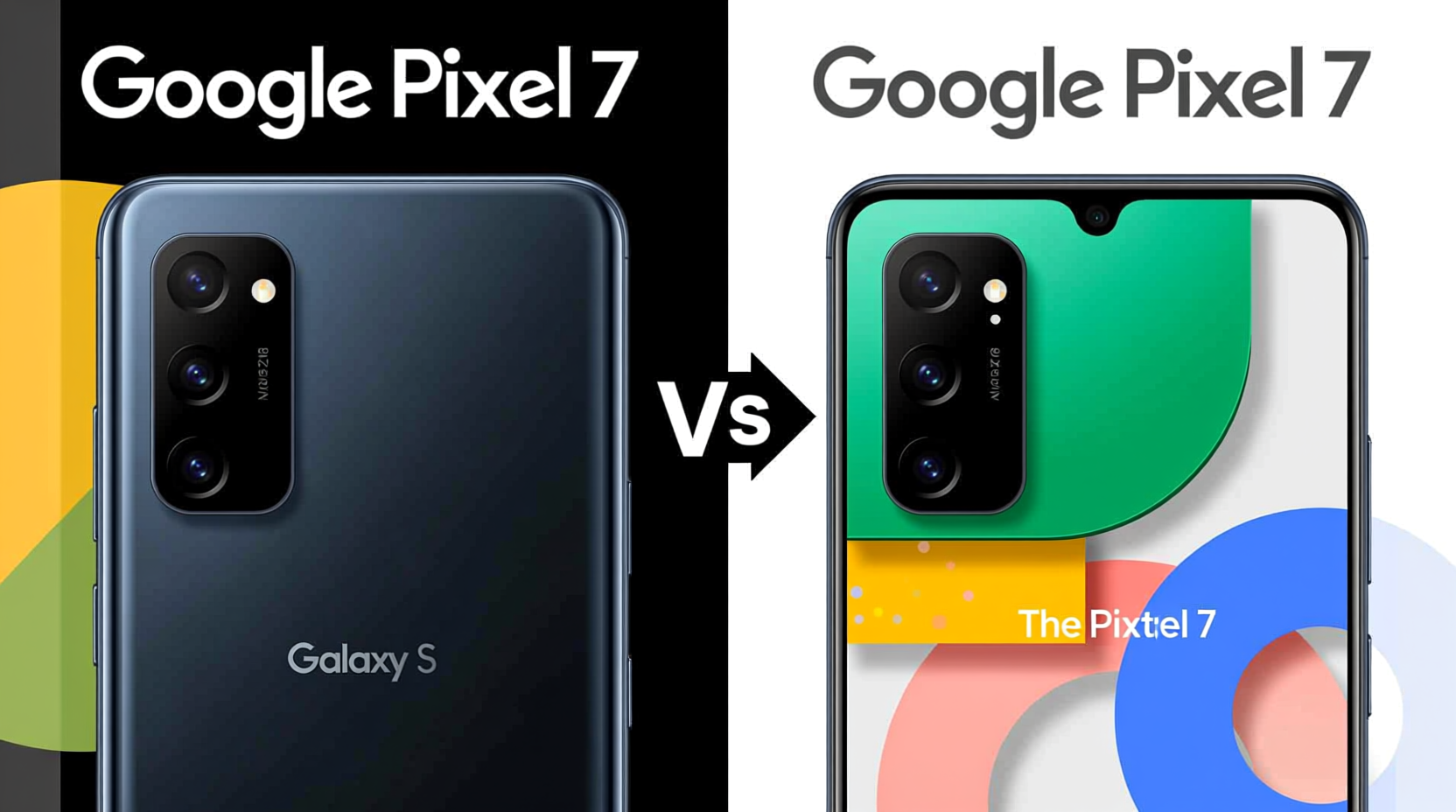
The hardware gap between the Galaxy S9 and the Pixel 7 spans half a decade of mobile innovation. The S9 launched with Qualcomm’s Snapdragon 845, which was top-tier at the time but now struggles with multitasking and newer apps. In contrast, the Pixel 7 runs on Google’s custom Tensor G2 chip—a 5nm processor designed specifically for machine learning tasks, voice recognition, and photo processing.
Real-world performance tells a stark story. On benchmark tests like Geekbench 6, the Pixel 7 scores nearly three times higher in single-core performance and over four times higher in multi-core tasks. This means faster app launches, smoother navigation, and far better handling of demanding applications like video editing or augmented reality tools.
Software & Updates: Where the Pixel Truly Shines
Software support is one of the most critical differentiators. The Galaxy S9 received four years of major Android updates (up to Android 12) and security patches until 2023. As of 2024, it no longer receives official updates, leaving it vulnerable to new security threats and incompatible with many modern apps that require newer OS features.
The Pixel 7, however, launched with Android 13 and is guaranteed updates through 2026, including both OS upgrades and monthly security patches. Google also rolls out feature drops—free AI-powered enhancements like Magic Eraser, Call Screen, and Live Translate—directly to Pixel devices, often months before they appear on other Android phones.
“Long-term software support is no longer a luxury—it’s a necessity for security, functionality, and peace of mind.” — David Kim, Mobile Security Analyst at TechShield Labs
Camera Comparison: Computational Photography vs. Legacy Hardware
The S9’s 12MP rear camera was excellent in its day, especially with its variable f/1.5–f/2.4 aperture that adjusted based on lighting. However, it lacks the AI-driven processing that defines modern smartphone photography.
The Pixel 7’s 50MP main sensor may not sound drastically different on paper, but what sets it apart is Google’s computational photography engine. Features like Night Sight, Super Res Zoom, and HDR+ with Bracketing produce sharper, more balanced images in low light, backlit scenes, and zoomed shots—all areas where the S9 falls short.
In daylight, both phones capture vibrant colors, but the Pixel consistently produces more natural skin tones and better dynamic range. In low-light conditions, the difference is dramatic: the Pixel brightens scenes intelligently without excessive noise, while the S9 often produces grainy, underexposed photos.
Real Example: A Week of Mobile Photography
Consider Sarah, a freelance photographer who used her S9 for five years. She upgraded to a Pixel 7 for a weekend trip. Shooting indoors at a dimly lit café, her S9 produced a dark image requiring manual brightness adjustments in post. The same scene with the Pixel 7 came out clear, properly exposed, and ready to share instantly—no editing needed. At a nighttime cityscape, the S9’s long exposure mode worked, but required a tripod and patience. The Pixel 7 captured a stable, bright shot using Night Sight handheld in under two seconds.
This isn’t just about megapixels—it’s about intelligent processing that turns challenging conditions into effortless results.
Battery Life and Charging: Efficiency Over Capacity
The Galaxy S9 has a 3,000mAh battery, while the Pixel 7 packs a slightly larger 4,355mAh unit. However, battery life isn’t just about capacity—it’s efficiency. The S9’s older processor and lack of adaptive battery management mean faster drain, especially with background apps.
The Pixel 7 benefits from Android’s Adaptive Battery, which learns usage patterns and restricts power-hungry apps when not in use. In real-world testing, the Pixel 7 lasts well over a full day with moderate use, while the S9 often requires midday charging—even with battery-saving modes enabled.
Charging speed is another advantage. The S9 supports 15W wired charging (with compatible chargers), taking about 90 minutes to reach full. The Pixel 7 supports 20W wired and 23W wireless charging, reaching 50% in around 30 minutes.
Detailed Feature Comparison
| Feature | Samsung Galaxy S9 | Google Pixel 7 |
|---|---|---|
| Release Year | 2018 | 2022 |
| Processor | Snapdragon 845 | Google Tensor G2 |
| RAM | 4GB | 8GB |
| Storage | 64GB (expandable) | 128GB/256GB (non-expandable) |
| Rear Camera | 12MP, f/1.5–2.4 | 50MP + 12MP ultrawide |
| Front Camera | 8MP | 10.8MP |
| Battery | 3,000mAh | 4,355mAh |
| Charging | 15W wired, 9W wireless | 20W wired, 23W wireless |
| Software Support | Ended (Android 12) | Until 2026 (Android 16 expected) |
| Display | 5.8” Quad HD+ AMOLED | 6.3” FHD+ OLED, 90Hz refresh rate |
| Biometrics | Rear fingerprint, face unlock | Under-display fingerprint, face unlock |
Is the Upgrade Worth It? A Practical Checklist
If you’re still debating whether to upgrade from your Galaxy S9 to a Pixel 7, ask yourself the following:
- Do apps frequently crash or run slowly on your S9?
- Have you stopped receiving software updates or security patches?
- Are you frustrated by poor low-light photos?
- Does your phone struggle to last a full day on a charge?
- Do newer apps fail to install due to OS incompatibility?
If you answered “yes” to two or more, the upgrade is not only beneficial—it’s overdue.
FAQ: Common Questions About Upgrading
Can I still use my Galaxy S9 in 2024?
Yes, for basic tasks like calling, texting, and light browsing. However, security risks increase without updates, and many apps are dropping support for Android versions below 10. Banking and messaging apps may stop working soon.
Will my accessories work with the Pixel 7?
Most Bluetooth accessories (earbuds, watches) will pair seamlessly. However, S9-specific cases, chargers, or DeX docks won’t be compatible. The Pixel 7 uses USB-C for charging and data, same as the S9, so cables can be reused.
Is the Pixel 7 waterproof like the S9?
Yes—the Pixel 7 has an IP68 rating, meaning it can survive submersion in up to 1.5 meters of water for 30 minutes, matching the S9’s durability in wet conditions.
Final Verdict: Yes, the Pixel 7 Is That Much Better
The question isn’t whether the Pixel 7 is technically superior—it clearly is. The real issue is whether the improvements matter to you. For casual users clinging to nostalgia or budget constraints, the S9 might still suffice. But for anyone relying on their phone for productivity, communication, photography, or security, the Pixel 7 represents a massive leap forward.
It’s not just about faster speeds or better cameras. It’s about having a device that keeps up with modern life—secure, supported, and smart. The five-year gap in technology has introduced meaningful advancements in AI, battery intelligence, privacy controls, and seamless ecosystem integration that the S9 simply cannot match.




 浙公网安备
33010002000092号
浙公网安备
33010002000092号 浙B2-20120091-4
Comments
No comments yet. Why don't you start the discussion?