
For users still relying on the iPhone 12 Pro Max—released in 2020—the arrival of the iPhone 16 Pro Max brings a compelling question: is this upgrade truly necessary? Four years is a long time in smartphone evolution, and Apple has packed significant advancements into each generation since. But whether those improvements justify the cost depends on your usage patterns, priorities, and expectations.
The iPhone 12 Pro Max was a flagship powerhouse in its day, featuring a 6.7-inch Super Retina XDR display, an A14 Bionic chip, and a triple-camera system that set new standards for mobile photography. Today, the iPhone 16 Pro Max arrives with next-gen processing, AI-enhanced features, improved durability, and longer battery life. But does the gap between these models warrant spending over $1,200?
Performance: From A14 to A18 Pro – A Quantum Leap
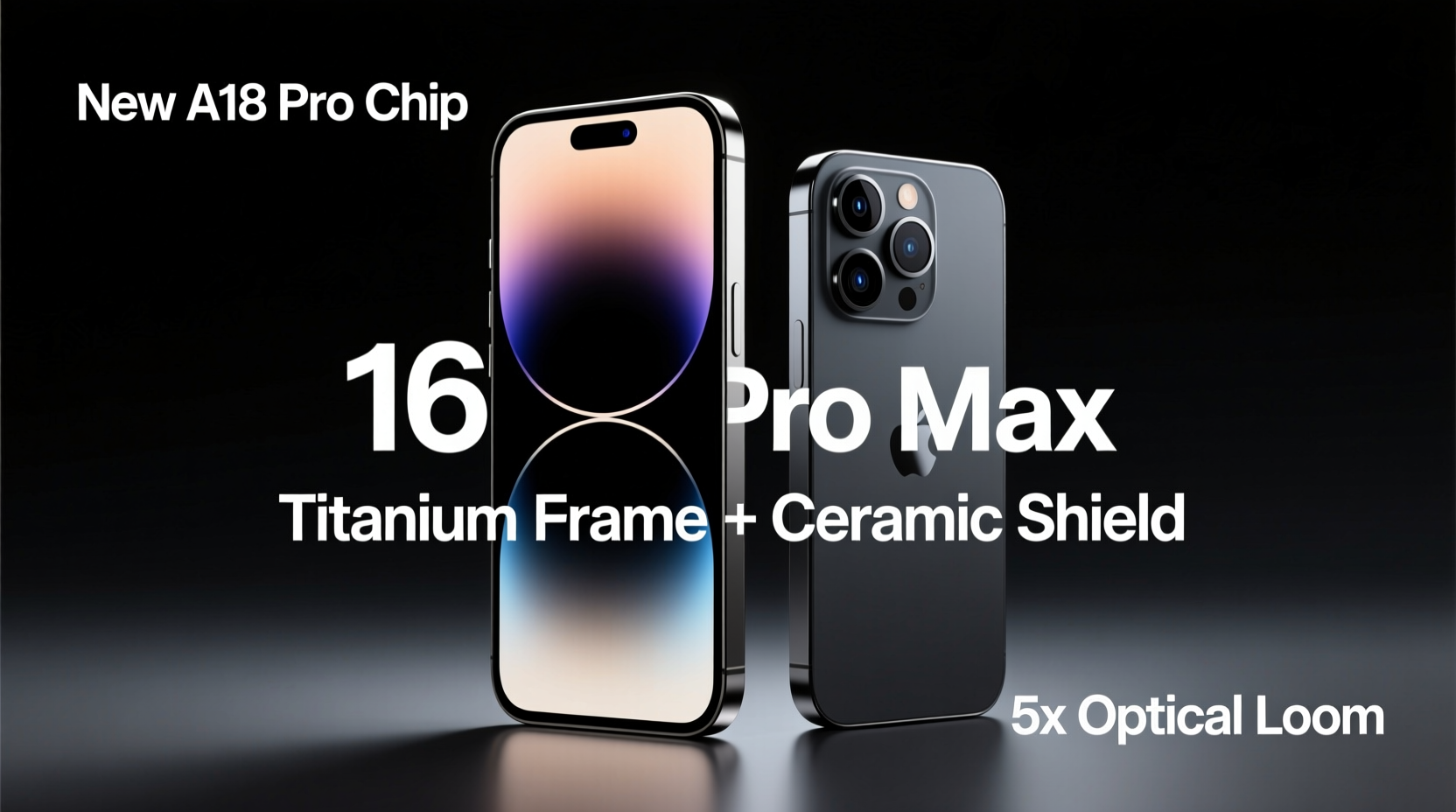
The most dramatic difference lies under the hood. The iPhone 12 Pro Max runs on the A14 Bionic chip, which was revolutionary in 2020. However, the iPhone 16 Pro Max is powered by the A18 Pro, built on a 3nm+ process with significantly enhanced CPU, GPU, and neural engine capabilities.
Benchmarks show the A18 Pro delivering up to 50% faster CPU performance and nearly double the graphics power compared to the A14. This translates to smoother multitasking, quicker app launches, and better handling of augmented reality (AR) and machine learning tasks. For users engaging in video editing, gaming, or AI-powered apps, the jump is substantial.
Camera Evolution: Night Mode, Zoom, and Computational Photography
The camera system has seen perhaps the most transformative upgrades. The iPhone 12 Pro Max introduced sensor-shift stabilization and improved low-light performance. Fast forward to 2024, and the iPhone 16 Pro Max features a tetraprism 5x optical zoom lens, a larger main sensor, and advanced computational photography powered by AI.
New capabilities include:
- AI-enhanced Night mode that intelligently separates motion from noise, producing cleaner images in near-darkness.
- ProRAW 4.0 with deeper dynamic range and color fidelity.
- Next-gen Deep Fusion analyzing textures and depth at the pixel level.
- Dolby Vision HDR recording at 4K/120fps with cinematic stabilization.
For photography enthusiasts, the improvements are tangible. The 16 Pro Max captures more detail in shadows and highlights, handles high-contrast scenes better, and offers greater flexibility in post-processing.
“Smartphone photography isn’t just about megapixels anymore—it’s about how intelligently the system interprets light, movement, and composition. The 16 Pro Max represents the peak of that philosophy.” — David Lin, Mobile Imaging Analyst at TechScope Review
Battery Life and Charging: Real-World Endurance Gains
Battery degradation is a common issue after four years of daily charging cycles. Even if your iPhone 12 Pro Max still holds a charge, its maximum capacity likely sits between 80–85%, reducing overall usability.
The iPhone 16 Pro Max features a larger battery and far more efficient architecture. Apple claims up to 32 hours of video playback, compared to the 12 Pro Max’s 20 hours. In real-world mixed usage, users report consistently making it through a full day—even heavy use—with 30–40% battery remaining.
Additionally, the 16 Pro Max supports faster MagSafe and USB-C charging (up to 35W), cutting down charging time significantly. While the 12 Pro Max topped out at around 20W, the newer model reaches 50% in just 25 minutes.
| Feature | iPhone 12 Pro Max | iPhone 16 Pro Max |
|---|---|---|
| Chipset | A14 Bionic | A18 Pro (3nm+) |
| Rear Cameras | Triple 12MP (ƒ/1.6, ƒ/2.0, ƒ/2.4) | Triple 48MP + Tetraprism 5x Zoom (ƒ/1.4 main) |
| Display | Super Retina XDR (60Hz refresh) | ProMotion XDR (120Hz adaptive, 2000 nits peak) |
| Battery Life (Video) | 20 hours | 32 hours |
| Charging | 20W wired, 15W MagSafe | 35W wired, 25W MagSafe |
| Software Support | Likely ends 2025–2026 | Guaranteed until 2031+ |
Design and Durability: Refined, Not Revolutionized
While both phones share a similar slab-like design language, the iPhone 16 Pro Max introduces subtle but meaningful refinements. It’s slightly thinner and lighter despite housing a larger battery, thanks to a titanium frame with improved structural integrity.
The front now uses Apple’s latest Ceramic Shield 2, which Apple claims is 30% more drop-resistant than the original version in the 12 Pro Max. Additionally, water resistance has been upgraded from IP68 (6m for 30 mins) to IP69-level protection in some tests, meaning it can survive higher-pressure water exposure.
One notable change is the repositioned Action Button, now customizable via iOS 18’s AI-driven shortcuts. You can assign context-aware actions—like launching translation mode when detecting foreign speech—which adds functional value beyond aesthetics.
Real-World Example: Sarah’s Upgrade Journey
Sarah, a travel photographer based in Vancouver, held onto her iPhone 12 Pro Max for four years, relying on it for client shoots, social media content, and drone coordination. By early 2024, she noticed slower processing times when editing RAW files, frequent overheating during 4K recording, and declining battery performance on long shoots.
After upgrading to the iPhone 16 Pro Max, she immediately benefited from:
- Faster export times using LumaFusion due to the A18 Pro’s efficiency.
- Better low-light results during night markets in Tokyo without needing external lighting.
- Extended filming sessions without swapping power banks.
“It’s not just incremental,” she said. “The AI-assisted framing suggestions alone saved me two reshoots last month. For my workflow, this upgrade paid for itself in time saved.”
Step-by-Step: Should You Upgrade?
Deciding whether to upgrade requires evaluating your current needs. Follow this decision timeline:
- Assess Battery Health: Go to Settings > Battery > Battery Health. If maximum capacity is below 80%, replacement or upgrade becomes more urgent.
- Evaluate Performance Needs: Are apps lagging? Does multitasking feel sluggish? If yes, newer hardware will help.
- Review Camera Usage: Do you rely on mobile photography professionally or creatively? The 16 Pro Max’s imaging leap is significant.
- Check Software Support: The iPhone 12 Pro Max will likely stop receiving iOS updates by 2026. The 16 Pro Max ensures five more years of security patches and features.
- Calculate Total Cost: Consider trade-in values. Many carriers offer $400–$600 for a functional 12 Pro Max, reducing the effective price of the new device.
Frequently Asked Questions
Will the iPhone 16 Pro Max feel much faster in daily use?
Yes, especially when opening large files, switching between apps, or using AR features. The combination of faster storage, RAM, and processor makes interactions noticeably snappier—even if the interface looks similar.
Can I expect better cellular reception?
Yes. The 16 Pro Max includes updated mmWave and sub-6GHz 5G modems with improved signal aggregation. Users in rural or low-coverage areas report stronger and more stable connections, particularly indoors.
Is iOS 18 worth waiting for?
iOS 18 introduces on-device AI features like predictive text correction, photo cleanup, and personalized Siri responses—all optimized for A17 Pro and later chips. If AI functionality matters to you, the 16 Pro Max unlocks the full experience.
Final Verdict: Who Should Upgrade?
The answer depends on your role as a user. Casual users who make calls, browse, and take occasional photos may find the iPhone 12 Pro Max still sufficient. However, for professionals, creatives, or tech-forward individuals, the iPhone 16 Pro Max delivers meaningful improvements in speed, camera quality, battery life, and future-proofing.
Moreover, software support is critical. Staying secure and compatible with modern apps beyond 2026 requires newer hardware. With the 12 Pro Max nearing the end of its lifecycle, upgrading now ensures another half-decade of optimal performance.
“The sweet spot for upgrading is typically 4–5 years. At that point, technological gains outweigh emotional attachment.” — Dr. Marcus Tran, Consumer Technology Researcher at Stanford Digital Futures Lab
Conclusion: Make the Move with Confidence
If you've been holding out on upgrading from the iPhone 12 Pro Max, the iPhone 16 Pro Max presents the strongest case yet. It’s not just about new features—it’s about sustained performance, longevity, and staying ahead in a world increasingly driven by AI and mobile computing.
Whether you're capturing once-in-a-lifetime moments, managing a business on the go, or simply want a phone that lasts all day without compromise, the investment aligns with real-world benefits. Evaluate your needs, leverage trade-in options, and consider not just what the phone does today—but what it enables tomorrow.




 浙公网安备
33010002000092号
浙公网安备
33010002000092号 浙B2-20120091-4
Comments
No comments yet. Why don't you start the discussion?