
Tinsel has long shimmered at the center of holiday debates. Once a staple on nearly every Christmas tree, this reflective decoration now divides opinion between nostalgic charm and dated clutter. In an era where minimalist Scandinavian designs, rustic farmhouse themes, and eco-conscious décor dominate interior trends, many homeowners wonder: does tinsel still have a place on a modern Christmas tree?
The answer isn’t a simple yes or no. Tinsel’s relevance today depends less on broad fashion rules and more on context—how it’s used, what aesthetic it complements, and the intention behind the display. Far from being universally obsolete, tinsel is experiencing a quiet renaissance when applied with thoughtfulness and restraint.
A Brief History of Tinsel: From Luxury to Ubiquity
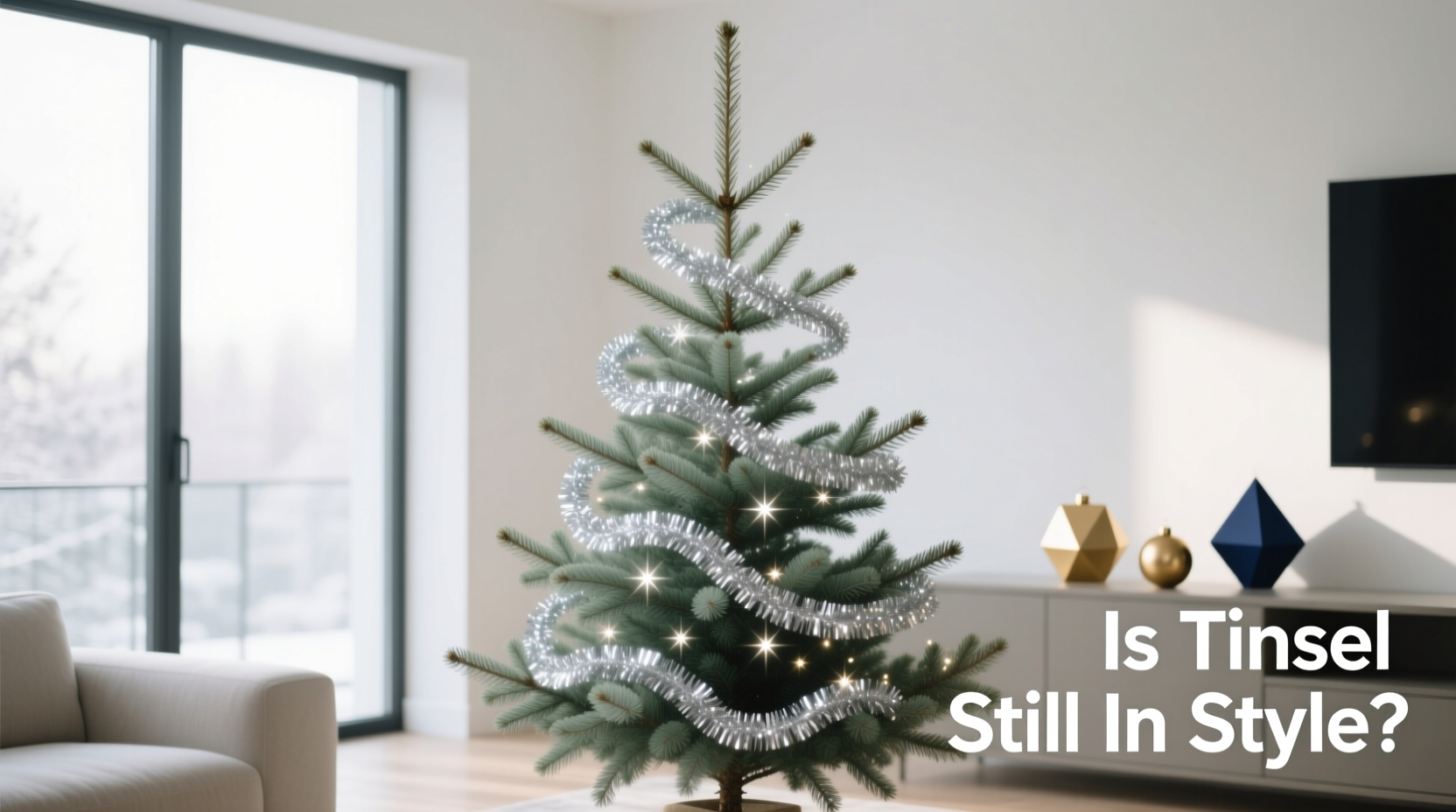
Tinsel originated in 17th-century Germany, where artisans crafted it from real silver. Strips were hand-cut and placed around candles on trees to reflect flickering light, creating a dazzling effect in dimly lit homes. Because silver tarnished quickly, it was often reserved for special occasions and cleaned meticulously after each use.
By the early 20th century, tinsel made from cheaper materials like aluminum and later PVC became widely available. Its affordability and sparkle made it a favorite during the mid-century American Christmas boom. Entire trees were often blanketed in thick layers of tinsel, sometimes applied strand by strand using forks—a labor-intensive tradition passed down through generations.
However, by the 1980s and 1990s, overuse led to visual fatigue. Trees overloaded with tinsel began to look chaotic, especially under bright indoor lighting. Environmental concerns also emerged—early plastic tinsel wasn’t biodegradable and posed risks to pets if ingested. As tastes shifted toward cleaner lines and curated ornamentation, tinsel fell out of favor in design-forward circles.
“Tinsel was never the problem—it was the quantity. When used with balance, it adds dimension and movement that few other decorations can replicate.” — Clara Bennett, Interior Stylist & Holiday Design Consultant
The Modern Christmas Tree Aesthetic: Where Does Tinsel Fit?
Today’s popular tree styles emphasize cohesion, texture, and intentional composition. Whether you're drawn to monochromatic palettes, natural elements like dried citrus and pinecones, or bold jewel tones with metallic accents, the key is harmony. Tinsel can belong in any of these schemes—if treated as a design element rather than an afterthought.
Modern designers distinguish between “decorating” and “styling.” Decorating fills space; styling tells a story. The outdated image of tinsel stems from decades of heavy-handed application—draped haphazardly, obscuring ornaments, overwhelming the tree’s shape. But when styled intentionally, tinsel enhances rather than dominates.
Consider how light interacts with your tree. LED lights offer a cool, even glow, but they lack the warmth and flicker of candlelight that tinsel was originally designed to amplify. Adding a modest amount of reflective tinsel can reintroduce dynamic sparkle, especially in rooms with limited natural light.
Tinsel Do’s and Don’ts: A Designer’s Guide
To determine whether tinsel works on your tree, consider both material quality and application technique. Below is a comparison of best practices versus common missteps.
| Do | Don't |
|---|---|
| Choose high-quality, flame-resistant PVC or mylar tinsel in matte or semi-reflective finishes | Use old, brittle tinsel that sheds or looks plasticky |
| Lay strands gently along outer branches to catch light | Bundle or stuff tinsel into the tree’s core |
| Match tinsel color to your palette (e.g., rose gold for blush themes, charcoal for moody trees) | Mix multiple tinsel colors without coordination |
| Combine with textured ornaments like velvet, wood, or ceramic | Pair with too many shiny balls, which compete visually |
| Use biodegradable or reusable tinsel options when possible | Leave tinsel outdoors or where pets can access it |
The goal is subtle enhancement. A well-styled tree should invite closer inspection, revealing thoughtful details like a single strand of copper tinsel curling around a handmade star or silver flecks catching the reflection of a nearby candle.
Step-by-Step: How to Apply Tinsel Like a Pro
Applying tinsel effectively requires patience and precision. Follow this timeline to integrate it gracefully into your tree setup.
- Step 1: Choose Your Tinsel (Before Hanging Ornaments)
Opt for wider, ribbon-style tinsel or chunky strands instead of thin, spider-web varieties. These look more intentional and last longer without fraying. - Step 2: Prep the Tree Structure
After placing lights and before adding most ornaments, assess the tree’s silhouette. Identify areas where light doesn’t reach and spots that could benefit from added depth. - Step 3: Section the Tinsel
Cut or tear tinsel into 12–18 inch lengths. This prevents clumping and allows for controlled placement. - Step 4: Layer Strategically
Starting from the top third of the tree, drape one strand at a time over horizontal branches, letting ends hang naturally. Focus on outward-facing limbs to maximize visibility. - Step 5: Balance with Ornaments
Add larger statement ornaments first, then fill gaps with smaller ones. Avoid placing shiny balls near tinsel-heavy zones to reduce visual competition. - Step 6: Final Light Check
Turn off room lights and view the tree in darkness. Adjust tinsel placement to enhance shadow play and highlight key features.
This method takes slightly longer than traditional “fork-fluffing,” but the result is a more sophisticated, gallery-worthy display.
Real Example: Reviving a Family Tradition with Modern Taste
Sarah Thompson, a graphic designer in Portland, Oregon, inherited a box of vintage silver tinsel from her grandmother. While sentimental, she hesitated to use it on her otherwise minimalist white-and-fir tree. Concerned it would clash with her aesthetic, she consulted a local stylist who suggested a compromise.
Instead of covering the entire tree, Sarah applied the tinsel only to the upper quarter, weaving it subtly among frosted pinecone ornaments and matte silver stars. She paired it with warm white LEDs and avoided any additional shiny elements below. The result? A bridge between eras—honoring her family’s past while aligning with her present taste.
“It felt meaningful without looking costumey,” she said. “The tinsel caught the light just enough to feel magical, but didn’t scream ‘1985.’” Her photos went viral on a holiday décor forum, sparking conversations about heritage and modernization in seasonal styling.
Eco-Friendly Alternatives and Sustainable Practices
One reason tinsel gained a bad reputation was its environmental impact. Traditional PVC tinsel is not recyclable and can take centuries to decompose. However, new options are emerging:
- Paper tinsel: Made from recycled kraft paper or FSC-certified cellulose, these biodegradable strands offer soft shine and compost cleanly.
- Metallic fabric scraps: Upcycled ribbons from old garments or event décor can be cut into tinsel-like strips.
- Edible alternatives: Popcorn strings, while traditional, add organic texture and can be composted or fed to birds after the holidays.
If you keep using classic tinsel, extend its life by storing it properly. Wrap strands around cardboard tubes or store in compartmentalized boxes to prevent tangling. Avoid plastic bags, which trap moisture and accelerate degradation.
When Tinsel Works—and When It Doesn’t
Tinsel suits certain settings better than others. Consider these scenarios:
- Works well: Formal dining rooms with chandeliers, trees viewed from a distance, black-tie holiday parties, vintage-themed décors, photo backdrops.
- Less effective: Small apartments with limited space, pet-friendly homes, ultra-minimalist spaces, trees decorated with delicate handmade ornaments.
Also consider audience. A family gathering may welcome nostalgic touches, while a modern office lobby might benefit from sleek, understated elegance. Context shapes appropriateness.
Frequently Asked Questions
Can I mix tinsel with LED lights?
Yes, but choose warm-white or soft-glow LEDs instead of cool blue tones. Warm light blends better with reflective surfaces and creates a cozier ambiance. Avoid multicolor blinking lights, which compete with tinsel’s sparkle.
Is tinsel safe for homes with cats or dogs?
Traditional plastic tinsel poses risks if ingested—it can cause intestinal blockages. If you have curious pets, opt for paper tinsel, fabric ribbons, or skip it altogether. Always supervise animals around decorated trees.
How do I remove static from tinsel?
Static causes tinsel to cling and tangle. To reduce it, lightly mist strands with a mix of water and a drop of fabric softener before applying. Alternatively, run a dryer sheet over your hands and the tinsel during application.
Final Checklist: Is Tinsel Right for Your Tree?
- ☑ I’ve chosen a cohesive color scheme that includes metallic tones
- ☑ My tinsel is high-quality, non-shredding, and stored properly
- ☑ I plan to use it sparingly—no more than 3–5 strands per foot of tree height
- ☑ I’m avoiding overcrowding with shiny ornaments
- ☑ Pets and children won’t be at risk from loose strands
- ☑ I’m open to blending nostalgia with contemporary design
Conclusion: Style Evolves, But Never Erases the Past
Tinsel isn’t outdated—it’s been redefined. What once symbolized excess now, in skilled hands, represents intentionality and emotional resonance. The shift isn’t away from tinsel, but toward smarter, more expressive use of all holiday décor.
Rather than discard traditions because they’re deemed “old-fashioned,” consider how they can evolve. A strand of tinsel doesn’t need to cover every branch to matter. Sometimes, the most powerful design choices are the quietest ones—subtle glimmers that honor memory while embracing the present.
If you’ve dismissed tinsel as passé, give it another look. Experiment with a small section of your tree. Try a single color. Pair it with natural textures. You might rediscover not just a decoration, but a way to weave light, history, and personal meaning into your holiday celebration.




 浙公网安备
33010002000092号
浙公网安备
33010002000092号 浙B2-20120091-4
Comments
No comments yet. Why don't you start the discussion?