
In an era where technology seamlessly integrates into personal care, smart mirrors have emerged as a futuristic addition to bathrooms and vanities. These interactive devices promise real-time skin analysis, personalized product recommendations, and even augmented reality (AR) makeup trials—all while functioning as a regular mirror. But for those focused on improving their daily skincare routine, the critical question remains: Is investing in a smart mirror truly worth the cost?
The answer isn't a simple yes or no. It depends on your skincare goals, budget, and how much value you place on data-driven personalization. While smart mirrors may seem like luxury gadgets, some models offer tangible benefits that go beyond novelty. This article explores the functionality, advantages, limitations, and real-world applications of smart mirrors in skincare to help you make an informed decision.
How Smart Mirrors Work in Skincare Routines
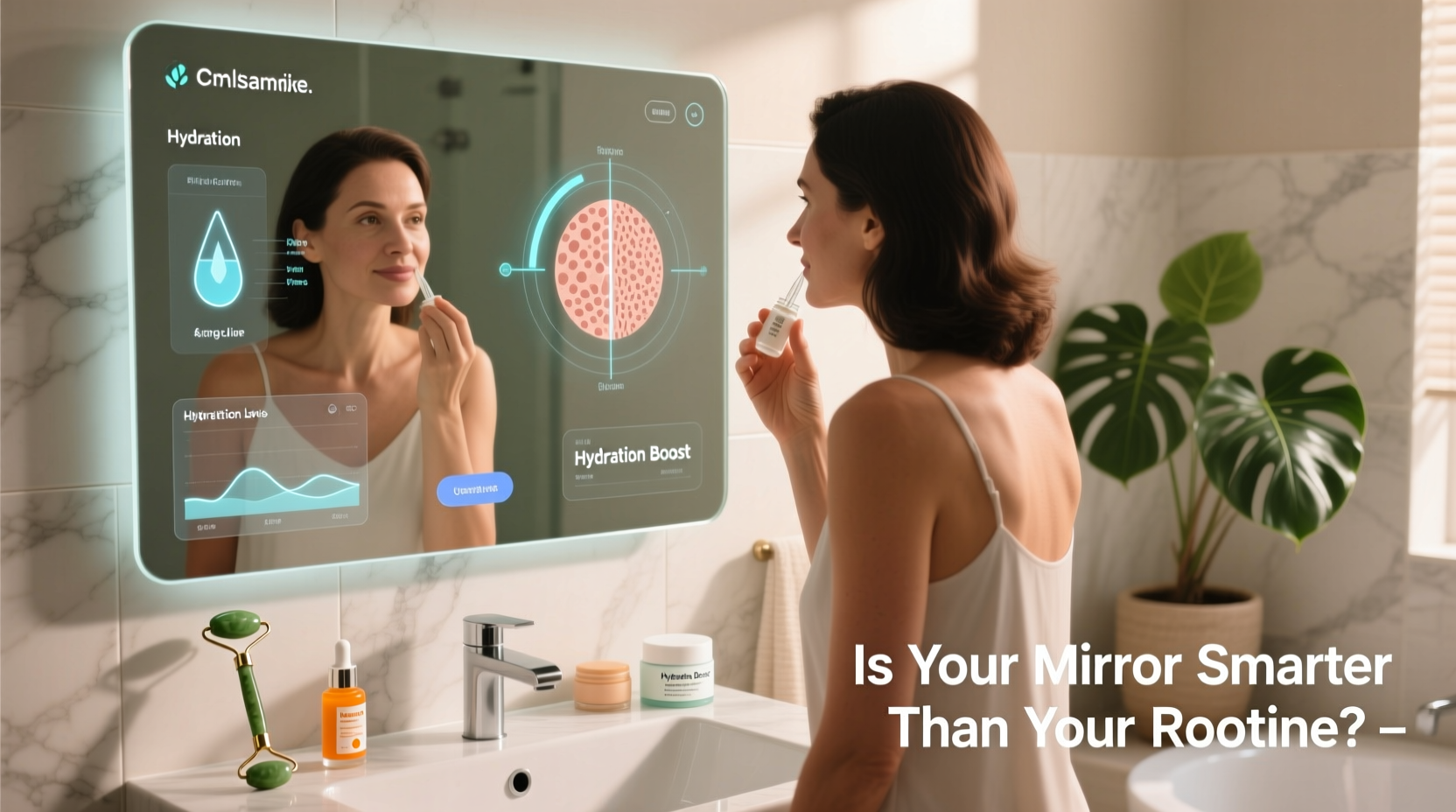
Smart mirrors are equipped with high-resolution cameras, ambient lighting sensors, artificial intelligence (AI), and sometimes infrared imaging. When you stand in front of one, it captures detailed images of your skin under consistent lighting conditions—something difficult to replicate with bathroom lighting and smartphone cameras.
The AI then analyzes these images to detect concerns such as:
- Wrinkles and fine lines
- Pore size and congestion
- Hyperpigmentation and dark spots
- Redness and inflammation
- Moisture levels and texture
Over time, the mirror tracks changes in your skin, offering trend reports that show improvement—or regression—in specific areas. Some models sync with skincare apps or allow dermatologists to remotely review your skin health progress.
Benefits of Using a Smart Mirror for Skincare
1. Objective Skin Monitoring
Most people assess their skin subjectively, often influenced by mood, lighting, or temporary irritation. A smart mirror removes this bias by providing quantifiable data. Instead of guessing whether a new serum is working, you can see measurable reductions in pore visibility or redness over weeks.
2. Personalized Product Recommendations
Advanced models integrate with skincare databases to suggest products based on your skin type and concerns. For example, if the mirror detects increased dryness during winter months, it might recommend incorporating a ceramide-rich moisturizer.
3. Enhanced Routine Consistency
Some smart mirrors include built-in displays that guide users through their morning and evening routines step-by-step. This feature is particularly helpful for those managing complex regimens involving serums, acids, and retinoids.
4. Early Detection of Skin Issues
By consistently monitoring your skin, a smart mirror can flag subtle changes—like a new mole or patch of discoloration—that might otherwise go unnoticed until they become more serious. While not a substitute for professional dermatology, this early alert system encourages timely check-ups.
“Technology like smart mirrors can empower patients with longitudinal data about their skin, which complements clinical assessments.” — Dr. Lena Patel, Board-Certified Dermatologist
Cost vs. Value: Are Smart Mirrors Worth the Investment?
Smart mirrors range from $300 for basic models to over $2,000 for premium versions with medical-grade imaging and telehealth integration. To determine if the investment pays off, consider what you’re gaining compared to traditional skincare methods.
| Feature | Smart Mirror (Average) | Traditional Skincare Approach |
|---|---|---|
| Skin Analysis Accuracy | High (controlled lighting, AI tracking) | Low to Moderate (subjective, variable lighting) |
| Trend Tracking Over Time | Automated, visual reports | Manual notes or memory-based |
| Personalized Recommendations | AI-powered, adaptive | Based on trial, error, or influencer advice |
| Integration with Dermatology | Possible with select models | In-person visits only |
| Upfront Cost | $300–$2,500 | $0–$100 (journal, good lighting) |
| Maintenance & Updates | Software updates, potential subscription fees | None |
For skincare enthusiasts already spending hundreds on products annually, a smart mirror could be seen as a long-term tool to optimize spending. If it helps you avoid ineffective products or identify issues earlier, the ROI may justify the initial price tag.
Real-World Example: Sarah’s Experience with a Smart Mirror
Sarah, a 34-year-old marketing executive in Chicago, struggled with persistent breakouts along her jawline. She tried multiple cleansers, toners, and spot treatments without lasting success. After purchasing a mid-range smart mirror ($799), she began tracking her skin weekly.
Within three weeks, the mirror’s analysis revealed a recurring spike in oil production and inflammation every month, coinciding with her menstrual cycle. The device suggested hormonal acne patterns and recommended consulting a dermatologist about spironolactone—a suggestion she hadn’t considered before.
After confirming the diagnosis, Sarah adjusted her treatment plan and used the mirror to monitor progress. Over six months, her breakout frequency decreased by 70%. “It wasn’t just about seeing clearer skin,” she said. “It was finally understanding *why* things were happening.”
Key Considerations Before Buying a Smart Mirror
Before making a purchase, evaluate these factors to ensure the device aligns with your needs:
- Data Privacy: Smart mirrors capture sensitive biometric data. Check the manufacturer’s privacy policy—does it store images locally or in the cloud? Is data encrypted?
- Subscription Requirements: Some brands require monthly subscriptions ($10–$30) for full AI features or software updates.
- Compatibility: Ensure the mirror works with your existing devices (iOS/Android) and preferred skincare apps.
- Lighting Conditions: Even smart mirrors perform poorly in inconsistent environments. Install it in a well-lit area away from direct sunlight.
- Durability: Bathroom humidity can damage electronics. Look for IP-rated water resistance if installing near showers.
Step-by-Step Guide: Integrating a Smart Mirror Into Your Skincare Routine
If you decide to adopt a smart mirror, follow this timeline to maximize its benefits:
- Week 1: Setup and Baseline Scan
Install the mirror in optimal lighting. Perform your first scan with clean, bare skin. Let the AI establish a baseline profile. - Week 2–4: Observe and Adjust
Use the mirror 2–3 times per week to track changes. Note any discrepancies between how your skin feels and what the mirror reports. - Month 2: Refine Your Routine
Review the trend report. If the mirror flags dehydration, introduce a hydrating essence. Avoid changing multiple products at once to isolate results. - Month 3+: Long-Term Tracking
Compare your Month 1 and Month 3 scans side-by-side. Share reports with your dermatologist if applicable. - Ongoing: Maintain Consistency
Stick to a regular scanning schedule. Update your profile if you change climate, medications, or lifestyle habits (e.g., starting a new workout regimen).
Common Misconceptions About Smart Mirrors
Despite growing popularity, several myths persist:
- Myth: Smart mirrors replace dermatologists.
Reality: They complement professional care but cannot diagnose skin cancer or prescribe medication. - Myth: All smart mirrors offer medical-grade accuracy.
Reality: Only FDA-cleared devices (like certain HiMirror models) meet clinical standards. Most consumer versions are for informational use only. - Myth: You need technical skills to use them.
Reality: Most operate via intuitive touchscreens or voice commands, similar to smartphones.
Checklist: Is a Smart Mirror Right for You?
Answer the following questions to assess suitability:
- ☐ Do you struggle to see progress in your skincare despite consistent effort?
- ☐ Are you willing to invest $300+ in a device that may improve routine efficiency?
- ☐ Do you frequently switch products due to uncertainty about what works?
- ☐ Are you comfortable sharing facial images with a connected device?
- ☐ Do you consult dermatologists or want easier ways to share skin trends with them?
If you answered “yes” to three or more, a smart mirror could add meaningful value to your regimen.
Frequently Asked Questions
Can a smart mirror diagnose acne or eczema?
No. While smart mirrors can detect visible symptoms like redness or texture changes, they cannot provide medical diagnoses. Always consult a licensed dermatologist for confirmed conditions.
Do smart mirrors work for all skin tones?
Early models had limitations detecting concerns on deeper skin tones due to camera calibration biases. However, newer versions from brands like HiMirror and CareOS have improved inclusivity through diverse training datasets. Research model-specific performance before buying.
Are there affordable alternatives to smart mirrors?
Yes. You can simulate partial functionality using a smartphone app with AI skin analysis (e.g., Neutrogena’s SkinScanner) combined with a ring light and a consistent photo routine. While less automated, this approach costs under $100.
Final Verdict: Who Should Buy a Smart Mirror?
A smart mirror is most valuable for individuals deeply invested in their skincare journey—those who track ingredients, rotate actives, and seek precision over guesswork. It’s also ideal for people managing chronic conditions like acne, rosacea, or post-inflammatory hyperpigmentation, where small improvements matter.
However, casual users or those on a tight budget will likely find limited return on investment. The emotional satisfaction of seeing clearer skin reflected—literally—is undeniable, but the financial and practical payoff hinges on consistent usage and integration into a structured routine.
If you're tech-savvy, data-oriented, and committed to long-term skin health, a smart mirror isn’t just a gadget—it’s a tool for empowerment. For everyone else, proven basics like sunscreen, gentle cleansing, and professional consultations remain the gold standard.




 浙公网安备
33010002000092号
浙公网安备
33010002000092号 浙B2-20120091-4
Comments
No comments yet. Why don't you start the discussion?