
As the holiday season approaches, homeowners across the country begin planning their festive light displays. For many, the appeal of Command™ hooks lies in their promise of no-damage installation and easy removal. But when it comes to applying these adhesive hooks to porous, textured surfaces like brick and stucco, the reality is more complicated. While convenient, Command hooks may not always be the safest or most reliable option for hanging Christmas lights on such exterior walls. Understanding the limitations, risks, and better alternatives can help you decorate with confidence—without compromising your home’s integrity.
Understanding How Command Hooks Work
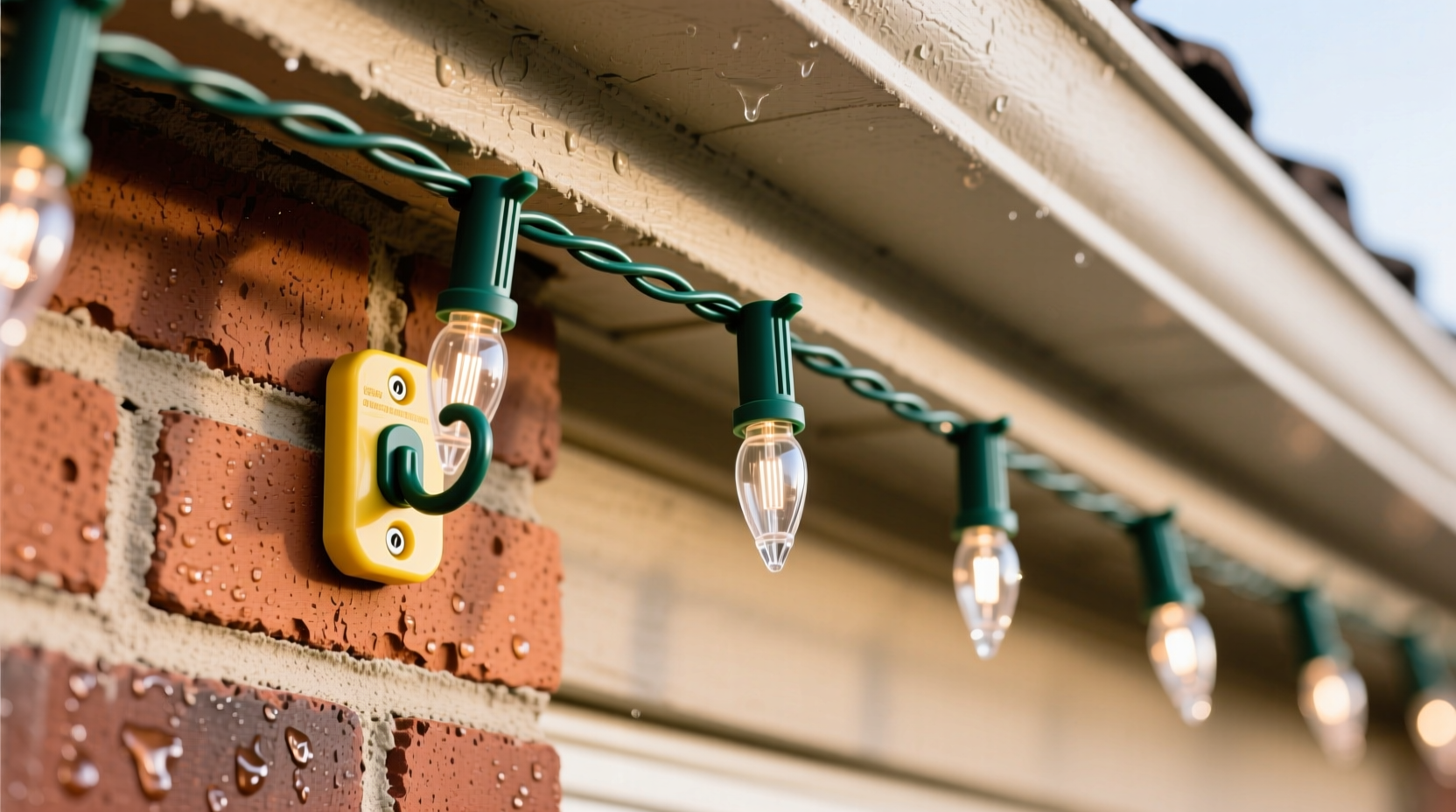
Command™ hooks rely on a strong yet removable adhesive foam backing that bonds to clean, smooth surfaces. The technology is designed primarily for indoor use on painted drywall, glass, tile, and wood. When properly applied and removed, they leave little to no residue and do not require drilling.
The key to their effectiveness is surface contact. The adhesive needs a flat, non-porous surface to create an airtight seal. On uneven or porous materials like brick and stucco, this seal is nearly impossible to achieve consistently. These surfaces are inherently rough, with microscopic pores and grooves that prevent full adhesion. As a result, the hook’s grip weakens significantly, increasing the risk of detachment—especially under weight or seasonal weather stress.
Risks of Using Command Hooks on Brick and Stucco
While the idea of a drill-free setup is appealing, several practical concerns arise when using adhesive hooks on masonry exteriors:
- Poor Adhesion: The bumpy texture of stucco and brick prevents even contact, leading to premature failure.
- Moisture Interference: Outdoor humidity, rain, or frost can degrade the adhesive bond over time.
- Weight Limitations: Even heavy-duty Command hooks are rated for a few pounds at most—often less than the total weight of a long string of lights, especially when wet.
- Surface Damage Risk: When the hook fails, the sudden release can pull loose chunks of aged stucco or mortar, particularly in older homes.
- Temperature Sensitivity: Adhesives lose strength in extreme cold, which is common during winter months when decorations are up.
A failed hook doesn’t just mean a fallen strand of lights—it could lead to water infiltration if damaged stucco exposes the underlying sheathing. Over time, moisture intrusion accelerates deterioration and may invite mold or structural issues.
“Adhesive products are engineered for controlled environments. Applying them outdoors on porous substrates drastically reduces reliability, regardless of manufacturer claims.” — Dr. Alan Reeves, Building Materials Engineer, University of Colorado Boulder
Better Alternatives for Hanging Lights on Brick and Stucco
For a secure, long-term solution, consider methods specifically designed for masonry surfaces. These options provide stronger support and reduce the risk of property damage.
1. Brick Clips (No-Drill Solution)
Brick clips are specially designed to slide into the mortar joints between bricks. They require no adhesive and apply zero pressure to the brick face. Most are made from UV-resistant plastic or coated metal and can support multiple strands of lights.
- Reusable season after season
- No tools required for installation
- Minimal visual impact when not in use
2. Screw-in Hooks with Caulking
Small screw hooks can be installed directly into mortar joints. Choose corrosion-resistant brass or stainless steel hooks rated for outdoor use. After removal, fill the hole with matching mortar or paintable caulk to maintain appearance.
3. Magnetic Rope Lights for Metal Surfaces
If your home has metal soffits, gutters, or trim, magnetic rope lights offer a clean, secure alternative. They adhere firmly without any fasteners and are ideal for straight runs along eaves.
4. Temporary Net Lights for Shrubs and Trees
Instead of wall-mounted displays, drape net lights over bushes or trees near the house. This reduces strain on exterior walls while still creating a festive glow.
Step-by-Step Guide: Installing Christmas Lights Safely on Stucco
Stucco poses unique challenges due to its brittle nature and susceptibility to cracking. Follow this process to hang lights securely without causing damage:
- Inspect the Surface: Look for existing cracks, soft spots, or areas where the stucco is peeling. Avoid attaching anything to compromised sections.
- Clean the Area: Use a damp cloth to remove dust and debris. Let dry completely before proceeding.
- Choose Attachment Method: For stucco, avoid adhesives. Instead, use small plastic anchors and screws driven into sound areas. Pre-drill with a masonry bit to prevent cracking.
- Install Anchors: Insert plastic wall anchors into pre-drilled holes, then screw in small cup-style hooks.
- Hang Lights: Drape lights gently over hooks, avoiding tension or pulling. Use additional supports every 12–18 inches.
- Seal After Removal: Once lights are taken down, remove screws, fill holes with paint-matched elastomeric caulk, and blend with surrounding texture.
This method ensures durability during the season and preserves your home’s exterior aesthetics year-round.
Comparison Table: Hanging Methods for Brick and Stucco
| Method | Surface Compatibility | Max Weight Capacity | Risk of Damage | Reusability |
|---|---|---|---|---|
| Command Hooks | Low – poor on porous textures | 1–3 lbs per hook | Medium-High (stucco chipping, adhesive residue) | Single-use, often fail upon removal |
| Brick Clips | High – designed for mortar joints | 5–7 lbs per clip | Very Low | Reusable for years |
| Screw Hooks + Anchors | High – with proper installation | Up to 10 lbs | Low (if sealed after use) | Hooks reusable; anchors replaceable |
| Adhesive Strips (Generic) | Very Low – fails quickly outdoors | 1–2 lbs | High (tears stucco, leaves residue) | Not reusable |
Real Example: A Homeowner’s Holiday Mistake
In suburban Atlanta, Sarah M. decided to use heavy-duty Command hooks to hang icicle lights along her stucco front porch. The installation looked neat initially, and she appreciated the “no-drill” convenience. However, two weeks into December, a sudden freeze-thaw cycle caused the adhesive to weaken. Overnight, half the lights detached, dragging down a section of crumbling stucco along the edge.
She contacted a contractor who quoted $450 to repair the patch and match the texture. “I thought I was being careful,” Sarah said. “But I didn’t realize how fragile old stucco can be. Next year, I’m using brick clips—even if it takes longer.”
Her experience highlights a common misconception: just because a product works indoors doesn’t mean it’s suitable for exterior masonry applications.
Checklist: Safe Christmas Light Installation on Brick and Stucco
Before hanging your lights, go through this checklist to ensure safety and minimize damage:
- ✅ Inspect exterior walls for cracks or weak stucco
- ✅ Choose mechanical fasteners (clips, screws) over adhesives
- ✅ Install supports every 12–18 inches to prevent sagging
- ✅ Use UL-listed, outdoor-rated lights and extension cords
- ✅ Avoid placing cords where water can pool or ice forms
- ✅ Plan removal and sealing process before installation
- ✅ Test lights before hanging to avoid mid-air troubleshooting
Frequently Asked Questions
Can I use Command hooks on painted stucco?
Painted stucco offers slightly better adhesion than raw stucco, but the surface remains too uneven for reliable bonding. Temperature fluctuations and moisture can cause the paint layer to peel when the hook detaches. Mechanical fasteners are still the safer choice.
What if I already used Command hooks and they’re holding fine?
Even if the hooks appear secure now, environmental conditions can change rapidly. Cold snaps, wind, or rain may compromise the bond without warning. Monitor them closely and have a plan to transition to a more secure method next season.
Are there any adhesive products that work on brick?
Some industrial-grade construction adhesives (like polyurethane-based sealants) can bond to brick, but they are permanent and not designed for temporary decor. There are currently no consumer-grade removable adhesives proven effective on unmodified brick or stucco.
Conclusion: Prioritize Safety and Long-Term Home Care
While Command hooks offer undeniable convenience, their use on brick and stucco introduces real risks that outweigh the benefits. From potential surface damage to safety hazards posed by falling lights, the cost of a shortcut can be high. By choosing purpose-built solutions like brick clips or properly anchored hooks, you protect both your home and your holiday spirit.
Decorating should enhance your home, not endanger it. Take the extra time to install your lights securely using methods suited to your exterior materials. Your future self—and your wallet—will thank you when spring cleanup means simply coiling lights, not repairing walls.




 浙公网安备
33010002000092号
浙公网安备
33010002000092号 浙B2-20120091-4
Comments
No comments yet. Why don't you start the discussion?