
Many people reach for hand soap when cleansing their face—especially in a rush or while traveling. It’s convenient, readily available, and gets the job done, right? Not exactly. While it might seem harmless to use hand soap as a facial cleanser occasionally, doing so regularly can compromise your skin's health over time. The delicate facial skin has different needs than the thicker, more resilient skin on your hands, and using the wrong product can lead to dryness, irritation, and even accelerated aging. Understanding the science behind skin pH, surfactants, and the skin barrier reveals why this habit, though common, is one worth breaking.
The Science of Skin: Why Face and Hands Are Different
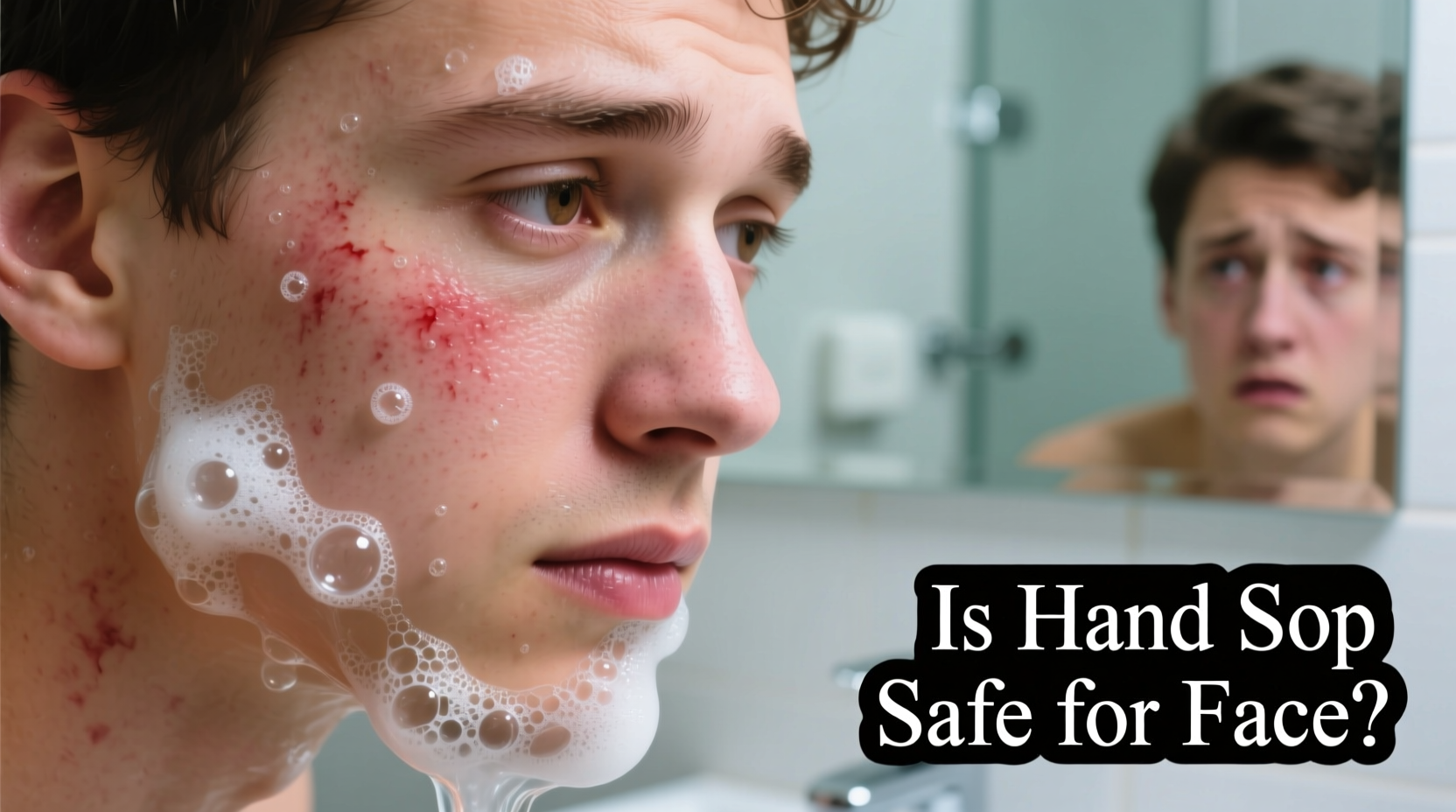
Your face and hands may both be part of your body’s exterior, but they are far from identical in structure and function. Facial skin is significantly thinner—especially around the eyes—and contains a higher density of sebaceous (oil) glands. This makes it more sensitive and reactive to external irritants. In contrast, the skin on your hands is built to endure frequent washing, friction, and exposure to harsh environments. It has a thicker stratum corneum (the outermost layer), which acts as a protective shield.
Because of these differences, products formulated for the hands are often too aggressive for facial use. Hand soaps are designed to remove dirt, bacteria, and oils effectively—sometimes at the expense of skin comfort. They typically contain strong surfactants like sodium lauryl sulfate (SLS) or triclosan, which strip away natural oils. While this is acceptable for hands that produce less oil and are less prone to imbalance, it can disrupt the facial microbiome and lipid barrier.
“Using hand soap on the face is like using a sledgehammer to crack a nut. It works, but it causes unnecessary damage.” — Dr. Lena Patel, Board-Certified Dermatologist
pH Imbalance: The Hidden Culprit Behind Skin Damage
One of the most overlooked aspects of skincare is pH balance. Healthy facial skin maintains a slightly acidic pH between 4.5 and 5.5. This acidity forms what’s known as the “acid mantle,” a thin film on the skin’s surface that protects against pathogens, locks in moisture, and supports the skin’s natural repair processes.
Most hand soaps, especially bar soaps, have a high pH—often between 9 and 10. When applied to the face, they neutralize the acid mantle, leaving the skin vulnerable. Temporary redness or tightness after washing may be the first sign, but repeated exposure leads to chronic issues:
- Increased transepidermal water loss (TEWL), causing persistent dryness
- Overproduction of oil as the skin tries to compensate for lost lipids
- Greater susceptibility to acne-causing bacteria and environmental pollutants
- Exacerbation of conditions like rosacea, eczema, and dermatitis
A study published in the International Journal of Cosmetic Science found that prolonged use of alkaline cleansers disrupted skin barrier recovery and increased inflammation markers. For individuals with already compromised skin barriers—such as those with sensitive or acne-prone skin—the consequences are even more pronounced.
Surfactants and Additives: What’s Really in Your Hand Soap?
Hand soaps are engineered for efficacy, not gentleness. To achieve deep cleaning, they rely on potent surfactants that lift oils and microbes from the skin. However, these same ingredients can be overly stripping when used on the face.
Common problematic components include:
- Sodium Lauryl Sulfate (SLS): A powerful foaming agent that removes oil efficiently but can cause micro-tears and irritation with repeated use.
- Fragrances and Dyes: Often added for appeal, but many are allergens that trigger sensitivities, especially in facial skin.
- Antibacterial Agents (e.g., triclosan): Once common, now largely phased out due to concerns about antibiotic resistance and endocrine disruption.
- Alcohol Denat: Found in some liquid hand soaps, it dries out skin rapidly and increases sensitivity.
In contrast, facial cleansers are formulated with milder surfactants such as cocamidopropyl betaine or decyl glucoside, which cleanse without compromising the lipid layer. They also often include humectants like glycerin or hyaluronic acid to retain moisture and soothe the skin during cleansing.
Comparison: Hand Soap vs. Facial Cleanser Ingredients
| Component | Typical in Hand Soap | Typical in Facial Cleanser | Impact on Facial Skin |
|---|---|---|---|
| pH Level | 9–10 (alkaline) | 4.5–5.5 (acidic) | Alkaline pH disrupts acid mantle |
| Primary Surfactant | SLS, SLES | Cocamidopropyl betaine, Decyl glucoside | Milder cleansing, less irritation |
| Fragrance | High (synthetic) | Low or fragrance-free | Fewer allergy risks |
| Moisturizing Agents | Rare | Common (glycerin, ceramides) | Helps prevent dryness |
| Antibacterial Additives | Often present | Generally absent | Unnecessary for facial hygiene |
Long-Term Consequences of Using Hand Soap on the Face
The immediate effects—tightness, flakiness, or stinging—are warning signs. But the real danger lies in cumulative damage. Over months or years, daily use of hand soap can lead to:
1. Chronic Barrier Dysfunction
The skin barrier is made up of lipids (ceramides, cholesterol, fatty acids) that act like mortar between skin cells. Harsh soaps dissolve these lipids, weakening the structure. Once compromised, the skin struggles to retain moisture and fend off irritants, leading to a cycle of dryness, reactivity, and inflammation.
2. Accelerated Aging
Persistent dehydration and inflammation contribute to premature fine lines and loss of elasticity. Oxidative stress from repeated exposure to alkaline pH can degrade collagen and impair cell turnover, diminishing skin resilience over time.
3. Worsening of Acne and Rosacea
Paradoxically, aggressively cleansing oily or acne-prone skin can make breakouts worse. Stripping natural oils signals the sebaceous glands to produce more sebum, increasing clogged pores. Additionally, inflammation from pH disruption can flare rosacea and post-inflammatory hyperpigmentation.
4. Increased Sensitivity and Allergic Reactions
With repeated exposure to fragrances and harsh detergents, facial skin becomes sensitized. This can manifest as contact dermatitis, redness, itching, or burning—even with products previously tolerated.
“Patients who switch from hand soap to a gentle facial cleanser often report reduced redness, fewer breakouts, and improved texture within weeks.” — Dr. Marcus Tran, Clinical Dermatologist
Mini Case Study: Sarah’s Skin Transformation
Sarah, a 28-year-old nurse, washed her face with antibacterial hand soap every morning and night for over five years. Her job required frequent handwashing, and she assumed the same soap would keep her face clean and germ-free. Over time, she noticed persistent dryness, occasional flaking around her nose, and an increase in small papules along her jawline.
After visiting a dermatologist, she learned her routine was disrupting her skin barrier. She switched to a fragrance-free, low-pH foaming cleanser and incorporated a hydrating toner and moisturizer. Within six weeks, her skin felt softer, her breakouts decreased, and her overall complexion appeared more balanced. The change wasn’t due to expensive serums or treatments—just eliminating a single damaging habit.
Step-by-Step Guide to Transitioning to a Safer Cleansing Routine
If you’ve been using hand soap on your face, transitioning to a proper facial cleanser doesn’t have to be complicated. Follow this timeline to restore your skin’s health gradually:
- Week 1: Assess Your Current Skin Condition
Take note of dryness, oiliness, redness, or sensitivity. This baseline will help track improvement. - Week 2: Purchase a Gentle Facial Cleanser
Choose a non-comedogenic, fragrance-free formula suited to your skin type (e.g., creamy for dry skin, gel-based for oily skin). - Week 3: Replace Hand Soap Gradually
Use the facial cleanser once daily (preferably at night) and continue hand soap in the morning. Monitor how your skin reacts. - Week 4: Full Transition
Use only the facial cleanser twice daily. Avoid hot water and scrubbing; instead, use lukewarm water and gentle circular motions with fingertips. - Ongoing: Monitor and Adjust
After a month, evaluate changes. If dryness persists, add a hydrating serum. If breakouts occur, consider consulting a dermatologist.
Checklist: Choosing a Safe Facial Cleanser
- ✅ pH between 4.5 and 5.5
- ✅ Free from sulfates (SLS/SLES)
- ✅ No synthetic fragrances or dyes
- ✅ Contains moisturizing ingredients (glycerin, ceramides, hyaluronic acid)
- ✅ Labeled “non-comedogenic” if you’re acne-prone
- ✅ Dermatologist-tested or suitable for sensitive skin
Frequently Asked Questions
Can I use hand soap on my face in an emergency?
Occasional use—such as when traveling and no facial cleanser is available—is unlikely to cause lasting harm. However, rinse thoroughly and follow immediately with a moisturizer to mitigate drying effects. Make it a rare exception, not a habit.
Are all bar soaps bad for the face?
Not necessarily. Some modern bar cleansers are formulated for facial use and maintain a balanced pH. Look for terms like “syndet bar” (synthetic detergent bar) or “facial cleansing bar” with moisturizing ingredients. Traditional alkaline bars should still be avoided.
Does antibacterial soap provide extra benefits for acne?
No. Acne is primarily caused by hormonal fluctuations, clogged pores, and bacterial overgrowth of C. acnes, not everyday germs. Antibacterial agents like triclosan don’t target acne effectively and may disrupt the skin microbiome. Salicylic acid or benzoyl peroxide are better, proven options.
Conclusion: Protect Your Skin’s Longevity
Your face deserves more thoughtful care than convenience allows. While hand soap may seem like a quick fix, its long-term use undermines the very foundation of healthy skin: the barrier. By switching to a properly formulated facial cleanser, you’re not just preventing dryness—you’re investing in resilience, clarity, and longevity.
The shift requires minimal effort but yields significant results. Start tonight: place a gentle facial cleanser by your sink and leave the hand soap where it belongs. Small changes compound into lasting transformation. Your skin will thank you years from now.




 浙公网安备
33010002000092号
浙公网安备
33010002000092号 浙B2-20120091-4
Comments
No comments yet. Why don't you start the discussion?