
In an age where technology increasingly shapes our daily routines, it’s no surprise that mindfulness practices have also gone digital. Virtual reality (VR) meditation has emerged as a novel way to experience guided relaxation, immersive nature escapes, and structured mental wellness sessions—all through a headset. But with skepticism around tech-driven wellness trends, many are asking: Is VR meditation genuinely beneficial, or is it merely a flashy distraction masquerading as self-improvement?
The answer isn’t binary. While some dismiss VR meditation as a passing fad, growing evidence suggests it can offer tangible psychological benefits—especially for those who struggle with traditional meditation methods. To understand its true value, we need to examine how it works, what science says about its effectiveness, and who stands to benefit most.
How Virtual Reality Meditation Works
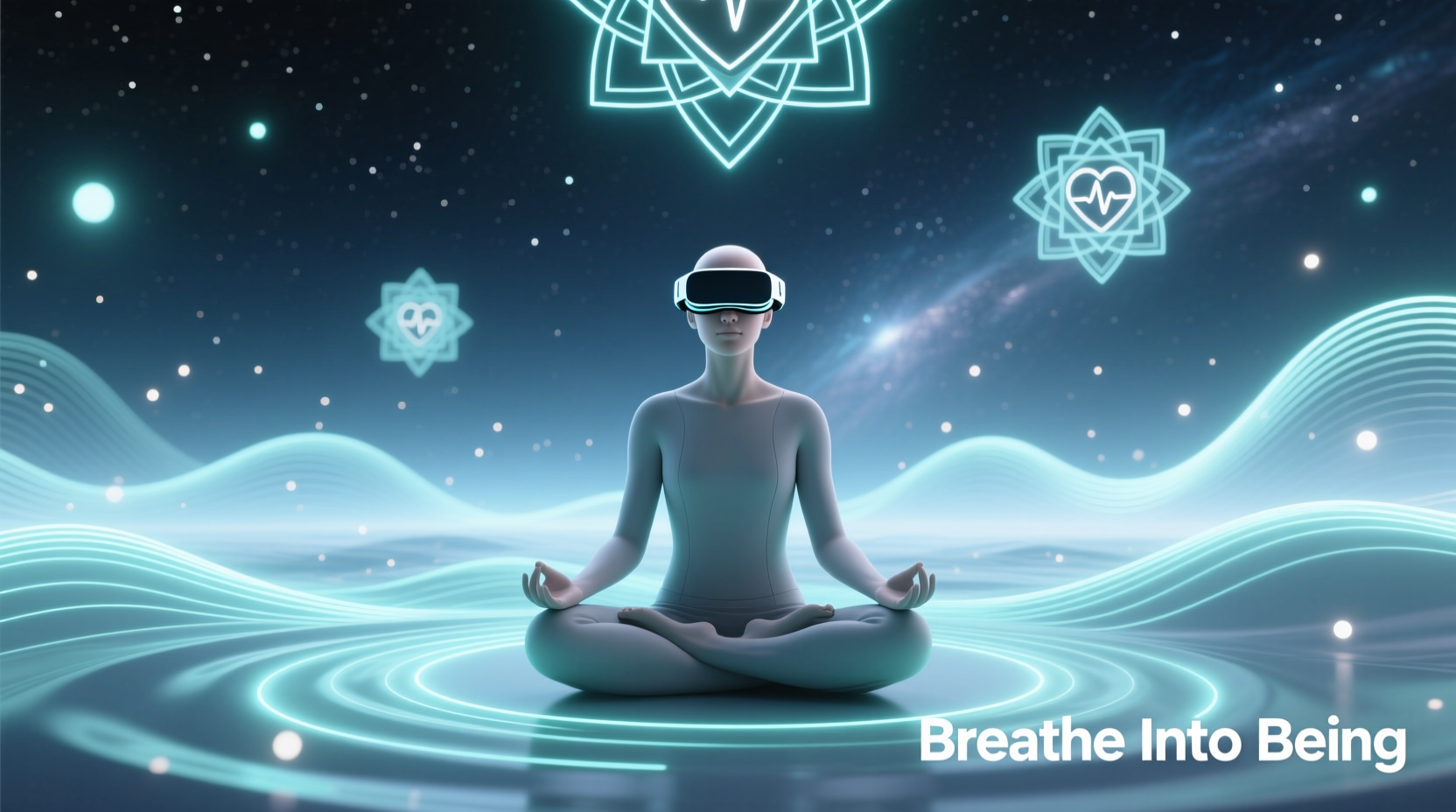
Unlike conventional meditation, which typically involves closing your eyes and focusing on breath or sound, VR meditation immerses users in a 3D environment designed to promote calm and presence. Using a VR headset, individuals enter simulated spaces such as serene forests, tranquil beaches, or abstract floating worlds. These environments often include synchronized audio guidance, ambient music, breathing cues, and even haptic feedback to deepen the sense of immersion.
The goal is to reduce external distractions by replacing them with controlled, soothing stimuli. This can be particularly helpful for people whose minds wander easily or who find silence unsettling. By engaging multiple senses simultaneously, VR creates a “presence effect”—a psychological state where the brain accepts the virtual environment as real, at least temporarily. This illusion of being somewhere peaceful can make it easier to relax and focus.
Platforms like Tripp, Guided Meditation VR, and MindCotine use neuroscience-backed design principles to structure their experiences. For example, rhythmic visual pulsations may align with slow breathing patterns, helping regulate heart rate and induce parasympathetic activation—the body’s rest-and-digest response.
Scientific Backing: What Research Says
While VR meditation is relatively new, early research shows promising results. A 2022 study published in JMIR Mental Health found that participants using VR-based mindfulness apps reported significantly greater reductions in anxiety and stress compared to those using standard audio-only meditation. The immersive nature appeared to enhance engagement and emotional regulation.
Another clinical trial conducted at Oxford University tested VR meditation on patients with generalized anxiety disorder. After six weekly 20-minute sessions in a virtual forest setting, over 70% showed measurable improvement in symptom severity—comparable to outcomes from cognitive behavioral therapy (CBT) in similar populations.
“VR doesn’t replace traditional meditation, but it lowers the barrier to entry. For people overwhelmed by stillness or distracted by their surroundings, immersion provides scaffolding for mindfulness.” — Dr. Lena Patel, Cognitive Neuroscientist and Digital Therapeutics Researcher
The key mechanism seems to be attentional anchoring. In regular meditation, maintaining focus requires constant effort. In VR, the environment itself acts as an anchor—your gaze follows gentle movements, your ears tune into spatialized soundscapes, and your posture adapts to the perceived space. This multisensory support reduces cognitive load, making deep relaxation more accessible.
Benefits vs. Limitations: A Balanced View
Like any tool, VR meditation comes with trade-offs. Understanding both sides helps determine whether it’s right for your lifestyle and goals.
| Advantages | Drawbacks |
|---|---|
| Enhanced Focus: Immersive visuals minimize mental drift. | Cost: Quality headsets range from $300–$1,000. |
| Accessibility: Ideal for beginners or those with ADHD. | Motion Sickness: Some users report dizziness or nausea. |
| Emotional Engagement: Environments evoke stronger calming responses than audio alone. | Portability: Headsets aren't easily used on commutes or in public. |
| Consistency: Structured programs encourage regular practice. | Screen Dependency: May reinforce digital fatigue if overused. |
| Privacy: Can meditate effectively in noisy or shared spaces. | Learning Curve: Requires setup time and technical comfort. |
One major advantage is privacy. You can sit in a crowded apartment, wear a headset, and instantly feel miles away. This makes VR especially useful for urban dwellers, shift workers, or caregivers with limited quiet time. However, relying too heavily on technology could undermine the core principle of mindfulness: cultivating awareness without external crutches.
Who Benefits Most from VR Meditation?
Not everyone will gain equal value from VR meditation. Certain groups tend to see faster, more consistent results:
- Beginners: Those new to meditation often struggle with boredom or frustration. VR provides immediate sensory rewards, increasing motivation to continue.
- High-Stress Professionals: Lawyers, healthcare workers, and first responders dealing with chronic stress respond well to immersive decompression.
- Neurodivergent Individuals: People with ADHD or autism spectrum traits sometimes find traditional meditation overwhelming. Predictable, visually engaging VR environments offer a gentler entry point.
- Chronic Pain Patients: Studies show VR can modulate pain perception by redirecting attention and altering brain activity in pain-processing regions.
Still, it’s not universally effective. Some users report feeling disconnected after removing the headset, experiencing a kind of “re-entry shock” when returning to reality. Others find the artificiality of the experience jarring, preferring authentic natural settings or silent introspection.
A Real Example: Sarah’s Experience with VR Meditation
Sarah, a 38-year-old software engineer based in Chicago, struggled with insomnia and work-related anxiety for years. She tried various meditation apps but found her mind racing within minutes. “I’d lie there listening to ocean sounds, but all I could think about was my unfinished tasks,” she recalls.
On a friend’s recommendation, she borrowed a Meta Quest 2 and downloaded a VR meditation app focused on forest visualization. Her first session placed her beside a glowing stream under a canopy of fireflies. A soft voice guided her breath while the water shimmered in sync with her inhales and exhales.
“It felt like I was actually there,” Sarah says. “My body relaxed before my mind even caught up. After ten minutes, I didn’t want to take the headset off.” Over four weeks, she practiced three times a week. Her sleep improved, and she began noticing reduced reactivity during high-pressure meetings.
Eventually, she transitioned to shorter, non-VR sessions—using the skills she’d developed through immersion. “VR taught me what focus feels like. Now I can access that state without needing the headset.”
Getting Started: A Practical Guide
If you're considering trying VR meditation, follow this step-by-step approach to maximize benefits and avoid common pitfalls.
- Evaluate Your Needs: Are you seeking stress relief, better sleep, or help with focus? Identify your primary goal to choose the right program.
- Choose the Right Equipment: Entry-level headsets like Meta Quest 3 or Pico 4 offer standalone functionality without requiring a PC. Ensure the device fits comfortably and supports wellness apps.
- Select a Reputable App: Look for platforms developed with input from psychologists or mindfulness experts. Top options include Tripp, Healium, and MindfulVR.
- Start Short: Begin with 5–10 minute sessions to assess comfort and response. Avoid jumping into hour-long journeys.
- Create a Dedicated Space: Clear a small area free of obstacles. Sit or recline comfortably to prevent strain.
- Monitor Your Response: Track changes in mood, sleep quality, or anxiety levels over two weeks. Adjust frequency accordingly.
- Transition Gradually: Once comfortable, alternate VR sessions with traditional meditation to build independent focus.
Checklist: Before You Buy a VR Headset for Meditation
- ✅ Does the headset support standalone operation (no PC required)?
- ✅ Is it lightweight and adjustable for extended wear?
- ✅ Are there user-reviewed meditation-specific apps available?
- ✅ Can you return it if motion sickness occurs?
- ✅ Is there parental control or usage tracking if sharing the device?
- ✅ Have you considered hygiene (replaceable face cushions, wipeable materials)?
Frequently Asked Questions
Can VR meditation replace traditional mindfulness practices?
Not entirely. While VR enhances accessibility and engagement, long-term mindfulness development benefits from unassisted practice. Think of VR as a bridge—not a destination. It can teach foundational skills, but integrating them into daily life without technology is essential for lasting growth.
Is VR meditation safe for children or seniors?
With supervision, yes. Children under 12 should limit sessions to 10–15 minutes due to developing visual systems. Seniors may benefit greatly, especially those with mobility issues limiting outdoor access. However, those with epilepsy, vertigo, or severe anxiety should consult a doctor before use.
Does VR meditation cause eye strain or addiction?
Limited use (under 30 minutes daily) rarely causes harm, but prolonged exposure may lead to eye fatigue or disorientation. Balance VR sessions with screen-free activities. There’s no evidence of addiction, but habitual reliance on digital escape instead of addressing root stressors should be monitored.
Final Thoughts: Beyond the Gimmick
Virtual reality meditation is neither a miracle cure nor a hollow trend. Its value lies in its ability to meet people where they are—especially those who’ve failed with traditional methods. When used intentionally, it can serve as a powerful catalyst for mental clarity, emotional regulation, and sustained well-being.
The risk isn’t in the technology itself, but in how we use it. Treating VR meditation as entertainment will yield fleeting results. Approaching it as a disciplined practice—with clear intentions and periodic reflection—can unlock meaningful transformation.
As with any wellness tool, context matters. For someone living in a loud city with no access to nature, VR might be the closest thing to peace they can find. For others, a quiet room and a few deep breaths may suffice. The goal isn’t to adopt every innovation, but to find what fosters genuine presence.




 浙公网安备
33010002000092号
浙公网安备
33010002000092号 浙B2-20120091-4
Comments
No comments yet. Why don't you start the discussion?