
Vitamin C serum has earned its reputation as a skincare powerhouse—brightening dark spots, reducing fine lines, and defending against environmental damage. But for some users, introducing this antioxidant into their routine comes with an unexpected side effect: breakouts. If you’ve started using a vitamin C serum and suddenly noticed more pimples, blackheads, or redness, you're not alone. The real question isn’t whether vitamin C causes acne—but why it might seem to trigger one, and how to use it in a way that benefits your skin rather than disrupts it.
The truth is, pure vitamin C (L-ascorbic acid) is highly effective but also notoriously unstable and potentially irritating, especially when used incorrectly. Misuse can compromise your skin barrier, increase sensitivity, and create conditions favorable to breakouts. Understanding the science behind the reaction—and learning how to apply the serum properly—can make all the difference between glowing skin and frustrating flare-ups.
Why Vitamin C Serum Might Seem to Cause Breakouts
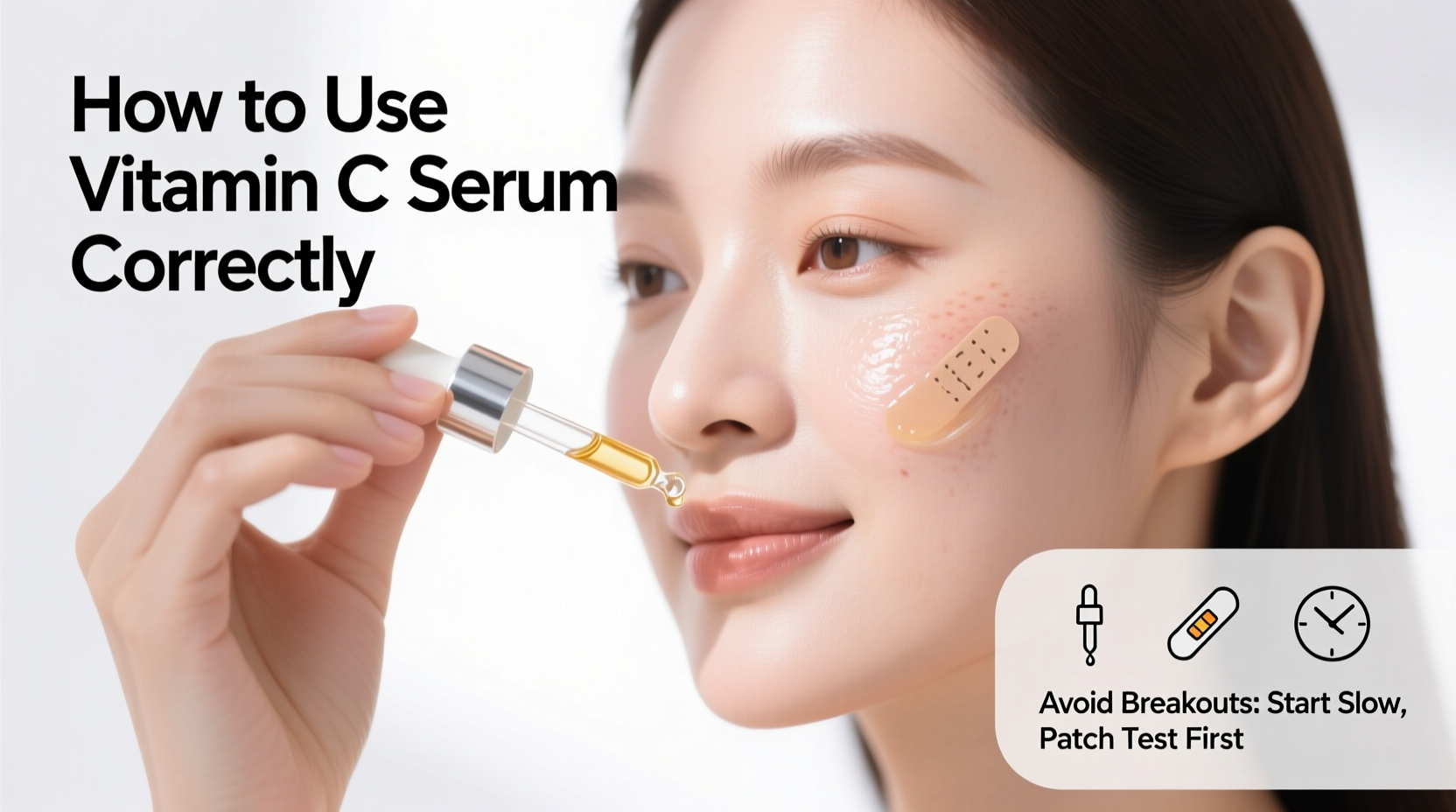
It’s rare for vitamin C itself to directly cause acne. Instead, what many people interpret as “breakouts” are often one of three things: purging, irritation-induced congestion, or reactions to other ingredients in the formula.
- Purging: When active ingredients accelerate cell turnover, trapped debris and oil rise to the surface faster, creating temporary blemishes. This typically occurs within the first 2–6 weeks and resolves on its own.
- Irritation: High concentrations of L-ascorbic acid (above 15–20%) or low pH levels (below 3.0) can compromise the skin barrier. A damaged barrier leads to increased trans-epidermal water loss, inflammation, and overproduction of sebum—conditions that invite breakouts.
- Fragrance, oils, or emollients: Some serums contain comedogenic ingredients like silicones, oils, or synthetic fragrances that clog pores, especially in acne-prone individuals.
A 2020 review published in the Dermatology and Therapy journal noted that while topical vitamin C is generally well-tolerated, improper formulation or application increases the risk of adverse reactions, particularly in sensitive or oily skin types.
“Vitamin C doesn’t cause acne, but aggressive formulations or incorrect usage can disrupt the skin’s equilibrium, leading to secondary breakouts.” — Dr. Lena Patel, Board-Certified Dermatologist
Choosing the Right Vitamin C Serum for Your Skin Type
Not all vitamin C serums are created equal. Selecting the right one based on your skin type minimizes the risk of irritation and breakouts.
| Skin Type | Recommended Formula | Ingredients to Avoid |
|---|---|---|
| Oily/Acne-Prone | Water-based, lightweight serums with 10–15% L-ascorbic acid | Coconut oil, lanolin, fragrance, thick silicones (e.g., dimethicone) |
| Dry/Sensitive | Lower concentration (5–10%) with added hydrators like hyaluronic acid | Alcohol denat., essential oils, high acidity |
| Combination | Balanced formulas with ferulic acid and vitamin E for stability | Heavy occlusives, artificial dyes |
| Mature | Higher potency (15–20%) with antioxidants for collagen support | Irritating additives; ensure gradual introduction |
Look for stabilized forms of vitamin C such as magnesium ascorbyl phosphate or sodium ascorbyl phosphate if you have reactive skin. These are less acidic and less likely to provoke irritation, though they may take longer to show visible results.
Step-by-Step Guide: How to Use Vitamin C Serum Correctly
Even the best serum can backfire if applied incorrectly. Follow this timeline to integrate vitamin C safely and effectively into your routine.
- Week 1–2: Patch Test & Frequency Control
Apply a small amount behind the ear or on the jawline every other day. Monitor for redness, itching, or bumps. If no reaction occurs after 72 hours, proceed to full-face application. - Week 3: Introduce Slowly
Use once every other morning after cleansing and before moisturizing. Start with 2–3 drops. Do not layer with exfoliants (AHAs/BHAs) on the same day. - Week 4+: Build Tolerance
If skin tolerates it well, increase to daily use. Apply to clean, dry skin—damp skin increases penetration and potential stinging. - Ongoing: Layer Smartly
Wait 1–2 minutes after applying vitamin C before adding moisturizer or sunscreen. Never mix with niacinamide unless formulated together—some combinations cause flushing or irritation.
Common Mistakes That Trigger Breakouts
Many users unknowingly sabotage their results by making simple errors. Here are the most frequent missteps:
- Using too much product: More isn’t better. Excess serum sits on the skin, mixes with sweat and bacteria, and clogs pores.
- Applying on wet skin: Low-pH serums absorb too quickly on damp skin, increasing the risk of tingling, redness, and micro-inflammation.
- Layering with incompatible actives: Combining vitamin C with benzoyl peroxide, retinoids, or AHAs without spacing them out weakens the skin barrier.
- Ignoring expiration dates: Oxidized vitamin C turns yellow or brown and becomes pro-oxidant—damaging instead of protective.
- Skipping sunscreen: Vitamin C increases photosensitivity. Without SPF, UV exposure worsens pigmentation and inflammation.
“Introducing multiple new products at once makes it impossible to identify the culprit when breakouts occur. Always introduce vitamin C in isolation.” — Dr. Alicia Ramirez, Clinical Skincare Specialist
Mini Case Study: From Breakouts to Brighter Skin
Sophia, 28, with combination-acne prone skin, began using an over-the-counter vitamin C serum hoping to fade post-acne marks. Within ten days, she developed small, painful bumps along her forehead and chin. Assuming vitamin C didn’t suit her, she nearly gave up—until she consulted a dermatology nurse practitioner.
Upon reviewing the ingredient list, they discovered the serum contained tocopherol (vitamin E) in a heavy silicone base (dimethicone), known to trap oil in follicles. Additionally, Sophia had been applying the serum immediately after her glycolic acid toner every morning—a recipe for barrier disruption.
She switched to a minimalist 10% L-ascorbic acid serum with hyaluronic acid and used it every other morning on dry skin, skipping acids on those days. Within four weeks, the breakouts subsided, and her complexion appeared noticeably brighter and more even.
This case highlights that the issue wasn’t vitamin C itself, but the formulation and routine synergy—or lack thereof.
Checklist: Using Vitamin C Without Breakouts
Follow this actionable checklist to minimize risks and maximize benefits:
- ✅ Choose a serum with 10–15% L-ascorbic acid (or gentler derivative for sensitive skin)
- ✅ Check the ingredient list for non-comedogenic, fragrance-free, and alcohol-free formulas
- ✅ Perform a patch test for at least 72 hours before full application
- ✅ Apply only to clean, completely dry skin in the morning
- ✅ Use 2–3 drops—spread gently, don’t rub harshly
- ✅ Wait 1–2 minutes before applying moisturizer or sunscreen
- ✅ Avoid combining with exfoliants or retinoids initially
- ✅ Store in a dark, cool place and replace every 3 months after opening
- ✅ Wear broad-spectrum SPF 30+ daily—non-negotiable
- ✅ Track changes in a skincare journal for the first 6 weeks
Frequently Asked Questions
Can vitamin C serum clog pores?
Pure vitamin C does not clog pores. However, many commercial serums include thickening agents, oils, or silicones that can be comedogenic. Opt for water-based, lightweight formulas labeled “non-comedogenic” if you’re prone to congestion.
How do I know if my skin is purging or breaking out?
Purging usually occurs in areas where you commonly get acne, appears as small whiteheads or papules, and resolves within 4–6 weeks. True breakouts from irritation tend to appear in new areas, come with redness or burning, and persist or worsen over time. If in doubt, pause the product and reassess.
Can I use vitamin C if I have hormonal acne?
Yes, but cautiously. Vitamin C can help reduce inflammation and fade post-inflammatory hyperpigmentation (PIH). However, if your skin barrier is already compromised by aggressive acne treatments, start with a lower concentration and buffer with a moisturizer if needed.
Conclusion: Make Vitamin C Work For You, Not Against You
Vitamin C serum is one of the most researched and effective skincare ingredients available—but its power demands respect. It doesn’t inherently cause breakouts, but improper selection, storage, or application can lead to irritation, congestion, and temporary flare-ups. By choosing the right formula for your skin type, introducing it gradually, and avoiding common mistakes, you can harness its brightening, anti-aging, and protective benefits without the downsides.
Your skin deserves more than trial and error. Take the time to understand your serum, listen to your skin’s signals, and adjust accordingly. When used correctly, vitamin C isn’t the enemy of clear skin—it’s one of its greatest allies.




 浙公网安备
33010002000092号
浙公网安备
33010002000092号 浙B2-20120091-4
Comments
No comments yet. Why don't you start the discussion?