
For decades, holiday decorators have grappled with one persistent aesthetic dilemma: what to do with the base of an artificial Christmas tree. Often made of plastic, metal, or flimsy fabric, the trunk can clash with even the most thoughtfully curated tree. One long-standing solution—wrapping ribbon around the trunk—has cycled through phases of popularity, criticized as kitschy by some and cherished as nostalgic by others. Today, amid a resurgence of maximalist decor and personalized styling, the practice is reemerging in living rooms across the country. But is it truly making a design comeback, or is it a relic best left in the past?
The answer isn’t straightforward. While ribbon-wrapped trunks were once considered a hallmark of dated holiday styling, contemporary interior designers and DIY enthusiasts are reclaiming the technique—with a modern twist. The key lies not in whether you wrap the trunk, but in how you do it.
A Brief History of Tree Trunk Coverings
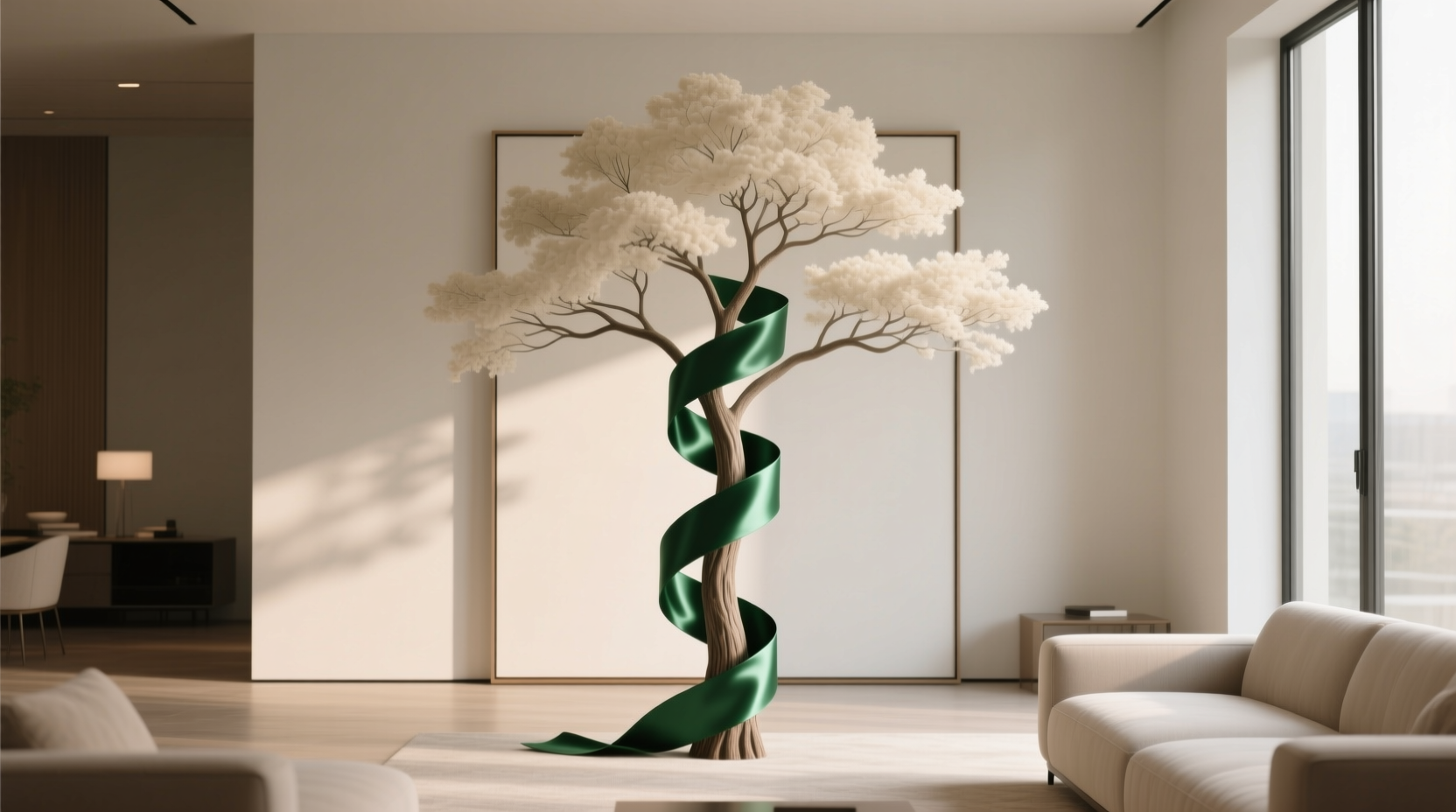
In the mid-20th century, as artificial trees gained popularity for their convenience and durability, manufacturers struggled to disguise the unattractive stands and bases. Early models often featured silver or gold metal poles, sometimes painted green but still visibly synthetic. Homeowners began using fabric, tinsel, or wide satin ribbons to conceal these eyesores, creating a seamless transition from floor to tree.
By the 1980s and 1990s, ribbon wrapping became a common practice, particularly among families who prioritized a polished, coordinated look. Wide velvet or wired ribbons in seasonal colors like burgundy, forest green, or gold were wound tightly from base to first branches, often finished with bows or tucked ends. However, as minimalist aesthetics rose in the 2000s, many dismissed the trend as excessive or overly traditional.
Fast forward to the 2020s, where maximalism, vintage revival, and “cozycore” aesthetics dominate social media platforms like Pinterest and Instagram. Designers now embrace intentional ornamentation, leading to renewed interest in decorative trunk treatments—including ribbon wrapping.
Why the Comeback? Shifting Design Trends
The return of ribbon-wrapping reflects broader shifts in interior design philosophy. Consumers today value personal expression, nostalgia, and tactile richness in their holiday decor. Rather than striving for sterile perfection, many now seek warmth, texture, and storytelling in their festive displays.
Ribbon wrapping contributes to this narrative. It allows homeowners to extend their theme from tree to stand, reinforcing color schemes and adding dimension. A well-wrapped trunk can elevate even a budget-friendly tree by masking cheap materials and suggesting craftsmanship.
“People don’t want their trees to look like they came out of a box. They want them to feel intentional. Wrapping the trunk is one of the easiest ways to add that layer of care.” — Lila Monroe, Interior Stylist & Holiday Design Consultant
Social media has played a significant role in normalizing the trend again. Hashtags like #WrappedTreeTrunk and #TreeSkirtAlternative have thousands of posts showcasing creative applications—from ombre organza wraps to plaid buffalo check ribbons paired with rustic themes. What was once mocked as outdated is now celebrated as charmingly homespun.
How to Wrap a Tree Trunk the Right Way: A Step-by-Step Guide
Not all ribbon wraps are created equal. A haphazard application can draw attention to flaws rather than hide them. To achieve a polished, design-forward result, follow this methodical approach:
- Choose the right ribbon: Opt for wired ribbon at least 2.5 inches wide. Wired edges allow for shaping and prevent flopping. Consider texture—velvet, satin, grosgrain, or burlap—to match your theme.
- Measure the trunk height: Unfold your tree and measure from the floor to just beneath the lowest branch line. Add 6–12 inches for overlap and finishing.
- Cut ribbon accordingly: Cut a single length or multiple strips depending on width. For wider coverage, use two ribbons offset to avoid visible seams.
- Start at the base: Position the ribbon end against the trunk near the floor. Use a small dot of removable adhesive (like poster putty) to secure it discreetly.
- Wrap upward in a spiral: Overlap each turn by about one-third to ensure full coverage. Keep tension even and maintain a consistent angle.
- Tuck or finish at the top: When reaching the first branches, gently tuck the end under the foliage or secure with a hidden clip. Avoid cutting mid-wrap; aim for a clean termination point.
- Add embellishments (optional): Attach pinecones, mini ornaments, or berries with floral wire for extra flair.
Alternatives to Ribbon Wrapping
While ribbon remains popular, it’s not the only option for concealing an artificial tree base. Some modern alternatives offer greater durability or visual impact:
| Method | Pros | Cons |
|---|---|---|
| Ribbon wrapping | Inexpensive, customizable, easy to store | Can wrinkle or loosen over time |
| Fabric skirt (traditional) | Classic look, hides presents well | Bulky storage, may not fit narrow bases |
| Custom tree collar | Sturdy, high-end appearance, reusable | Higher cost, takes up more space |
| Faux fur or sheepskin wrap | Luxurious texture, cozy aesthetic | Harder to clean, can attract dust |
| Greenery garland base | Natural look, complements farmhouse styles | Requires frequent misting if real |
Many decorators now combine methods—using a narrow ribbon wrap underneath a tree collar for added depth. This layered approach satisfies both practicality and aesthetics.
Mini Case Study: From Dated to Deliberate
Sarah K., a graphic designer in Portland, Oregon, inherited her mother’s artificial tree—a 7-foot pre-lit model with a shiny silver stand. For years, she avoided displaying it openly, embarrassed by the metallic base. In 2022, inspired by a viral TikTok video, she decided to experiment.
She purchased a 3-inch-wide emerald green velvet ribbon with gold edging, matching her Scandinavian-inspired decor. Following a tutorial, she wrapped the trunk in a tight spiral, securing the ends with clear clips. She then placed a woven wicker basket behind the tree to hold gifts, allowing the ribbon to peek through subtly.
The result transformed the tree from “department store display” to “intentionally styled centerpiece.” Friends asked where she’d bought such a beautiful base. Sarah now wraps her tree every year, rotating ribbon colors based on her annual theme. “It took 15 minutes,” she said, “and changed everything.”
Expert Tips for Modern Execution
To ensure your ribbon wrap feels current rather than cliché, consider these professional recommendations:
- Stick to one ribbon per season: Avoid mixing multiple ribbons on the same trunk, which can appear chaotic.
- Use color psychology: Deep reds evoke tradition, icy blues suggest winter calm, while metallics add glamour. Choose based on your desired mood.
- Coordinate with lighting: Warm white lights pair well with earth-toned ribbons; cool whites enhance silvers and frosted finishes.
- Store properly: Remove the ribbon after the season, roll it around a cardboard tube, and store in a sealed container to prevent crushing.
- Test before committing: Drape the ribbon loosely first to assess color harmony with ornaments and room lighting.
“Outdated isn’t about the technique—it’s about execution. A wrinkled, ill-fitting wrap looks cheap. A crisp, tailored one looks considered.” — Marcus Tran, Set Designer for Lifestyle Brands
Checklist: Is Your Ribbon Wrap Ready for a Comeback?
Before wrapping your tree this season, run through this checklist to ensure a polished result:
- ✅ Tree is fully assembled and standing upright
- ✅ Ribbon width is at least 2.5 inches with wired edges
- ✅ Color complements primary ornament scheme
- ✅ Length calculated with 6–12 inches of excess
- ✅ Adhesive method chosen (poster putty, clips, or none)
- ✅ Tools ready (scissors, measuring tape, optional floral wire)
- ✅ Plan for storage post-holiday
FAQ
Isn’t ribbon wrapping associated with old-fashioned decor?
It was, but design trends are cyclical. When executed with modern materials and thoughtful coordination, ribbon wrapping reads as intentional rather than dated. The key is alignment with your overall aesthetic—clean lines, quality materials, and restraint.
Can I reuse the same ribbon every year?
Yes, absolutely. High-quality wired ribbon can last 5–10 years if stored properly. Roll it around a sturdy tube, keep it away from moisture and direct sunlight, and inspect for fraying before reuse.
What if my tree has an unusual base shape?
For conical or tiered stands, consider using a flexible fabric wrap instead of rigid ribbon. Alternatively, drape a small throw or textured scarf around the base and secure it discreetly with clips. The goal is coverage, not perfect conformity.
Conclusion: Embrace Intentionality Over Trends
The question isn’t whether wrapping ribbon around an artificial tree trunk is outdated—it’s whether it serves your vision. In an era where authenticity and personalization reign, no single rule governs holiday decor. What matters is intention.
Ribbon wrapping, when done thoughtfully, is less about hiding imperfections and more about enhancing continuity. It’s a small act of care that signals attention to detail. Whether you choose satin, velvet, or nothing at all, the decision should reflect your style—not someone else’s idea of what’s “in.”
If you’ve dismissed ribbon wrapping as passé, reconsider it through a modern lens. With the right materials, precision, and confidence, it can be a subtle yet powerful element of a cohesive holiday display.




 浙公网安备
33010002000092号
浙公网安备
33010002000092号 浙B2-20120091-4
Comments
No comments yet. Why don't you start the discussion?