
Burlap-wrapped tree trunks have become a popular landscaping trend—especially during the fall and winter months. Whether adorning urban street trees or lining private driveways, the coarse, earth-toned fabric lends an instant touch of rustic elegance. But beneath the aesthetic appeal lies a growing concern among arborists and horticulturists: does this seasonal decoration come at the cost of tree health? While burlap is often marketed as a natural, breathable material, improper use can lead to moisture retention, bark suffocation, and even fungal infestations. This article explores both sides of the debate, offering science-based insights, practical alternatives, and real-world examples to help you make informed decisions about tree care and landscape design.
The Allure of Burlap-Wrapped Trees
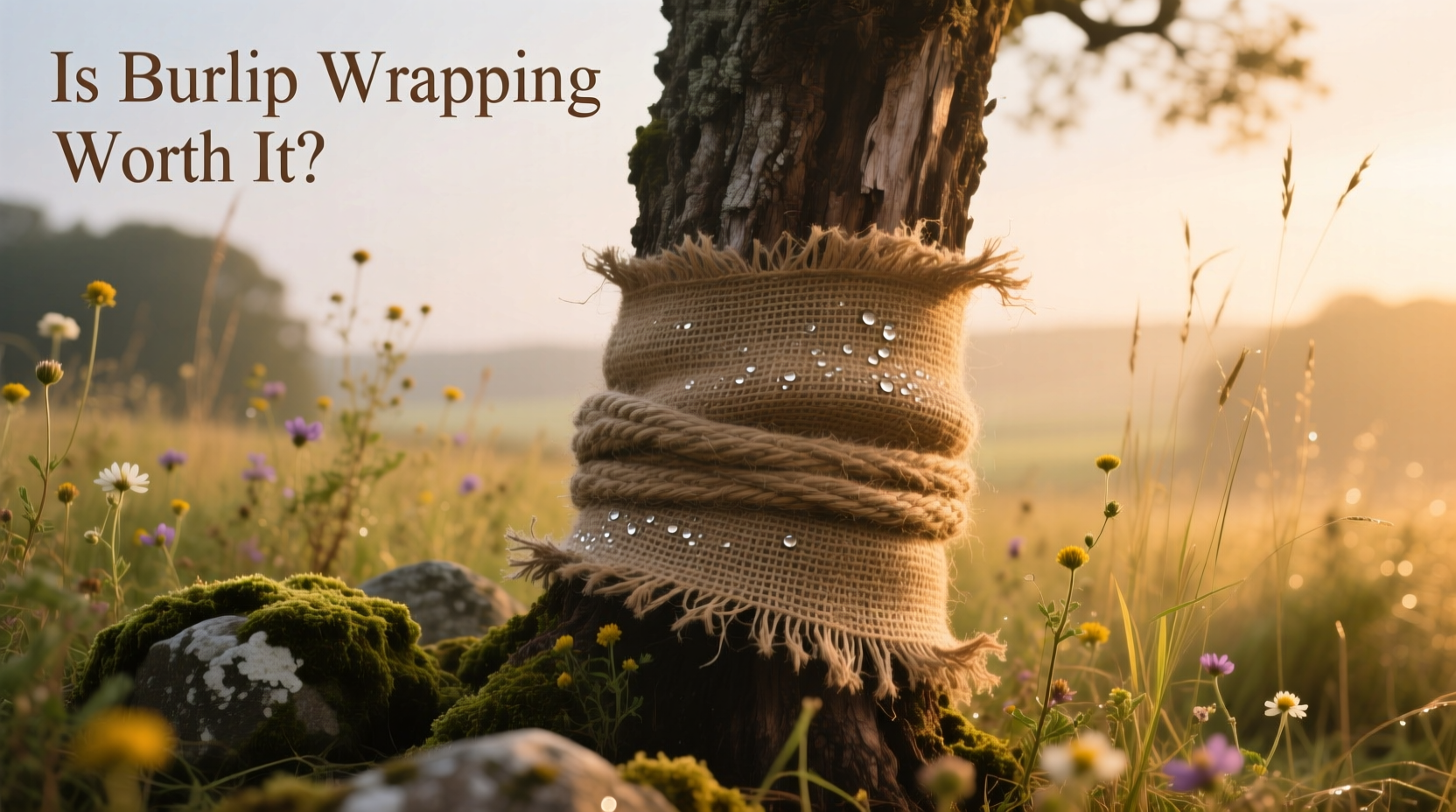
Burlap has long been associated with warmth, tradition, and simplicity. In gardens and public spaces, wrapping tree trunks in burlap creates visual cohesion during colder months, especially when paired with string lights or seasonal greenery. The texture contrasts beautifully against bare branches and snow-covered ground, making it a favorite among event planners, homeowners, and municipal landscapers alike.
Historically, burlap was used not for decoration but protection. Young trees, particularly thin-barked species like maples and lindens, were wrapped in burlap to shield them from sunscald (a condition caused by rapid temperature fluctuations on cold winter days) and animal damage such as deer rubbing or rodent gnawing. When applied correctly and temporarily, burlap served a functional purpose.
Today, however, the practice has evolved. Many people now leave burlap on trees for extended periods—not just through winter, but year-round—as a permanent design feature. This shift raises concerns about unintended consequences, particularly regarding airflow, moisture evaporation, and bark respiration.
How Burlap Affects Tree Physiology
Trees are living organisms that rely on their bark for more than just structure. The outer bark protects inner tissues, while the cambium layer beneath transports water and nutrients. Crucially, bark also allows for gas exchange—trees \"breathe\" through microscopic pores called lenticels. Any material that restricts this process can compromise long-term health.
Burlap is made from jute or hemp fibers and is generally considered permeable. However, its breathability depends on weave density, thickness, and exposure to weather. Once wet, burlap retains moisture longer than many realize. When wrapped tightly around a trunk, especially in humid climates or shaded areas, it creates a microenvironment conducive to mold, algae, and bacterial growth.
A study conducted by the University of Vermont’s Department of Plant and Soil Science found that trees wrapped continuously with burlap over six months showed significantly higher rates of bark decay compared to unwrapped controls. Researchers attributed this primarily to prolonged moisture contact, which softened the outer bark and allowed pathogens easier entry.
“Even ‘breathable’ materials can become problematic if left in constant contact with tree bark. Moisture accumulation is the silent killer.” — Dr. Laura Simmons, Urban Forestry Specialist, Cornell Cooperative Extension
Do’s and Don’ts of Tree Trunk Wrapping
| Action | Recommended? | Reason |
|---|---|---|
| Wrap young trees in winter for sunscald prevention | ✅ Yes | Protects thin bark from thermal stress |
| Leave burlap on year-round for decorative purposes | ❌ No | Traps moisture, promotes rot and pests |
| Use synthetic plastic tree guards instead | ⚠️ With caution | Non-breathable; only use short-term |
| Secure burlap with twist ties or nails | ❌ No | Damages bark and invites infection |
| Wrap loosely and remove seasonally | ✅ Yes | Allows airflow and prevents abrasion |
| Apply burlap over diseased or damaged bark | ❌ Never | Worsens existing conditions |
A Step-by-Step Guide to Safe and Effective Tree Wrapping
If you choose to wrap your tree—whether for protection or temporary aesthetics—follow these steps to minimize harm:
- Choose the right time: Begin wrapping in late fall (after leaf drop but before sustained freezing temperatures). Remove by early spring, before bud break.
- Select appropriate material: Use commercial tree wrap (crepe paper or specialized breathable fabric), not thick burlap sacks. These are designed to expand with growth and allow vapor transmission.
- Start at the base: Begin wrapping at ground level and spiral upward to about 18 inches above the soil line. Overlap each turn slightly to prevent gaps.
- Secure gently: Fasten the top end with a soft tie or biodegradable twine. Avoid metal staples, nails, or zip ties that cut into bark.
- Inspect regularly: Check every two weeks for moisture buildup, insect activity, or signs of constriction.
- Remove promptly: Take off the wrap once winter danger has passed. Leaving it on too long can girdle the trunk as the tree grows.
Real Example: The Case of Maple Lane Park
In 2021, the town of Ashford launched a holiday beautification project, wrapping 47 newly planted red maples along Maple Lane with burlap and fairy lights. Intended to last six weeks, the display remained through March due to popular demand. By May, park maintenance staff noticed several trees showing signs of distress: peeling bark, dark streaks near the base, and reduced leaf emergence.
An arborist inspection revealed extensive mildew colonies under the burlap and evidence of canker development on 12 trees. The report concluded that “prolonged contact with damp burlap created ideal conditions for pathogen proliferation.” Twelve trees required removal; the rest underwent remedial treatment. The town revised its policy, limiting decorative wraps to four weeks and mandating breathable materials and routine checks.
This case underscores how good intentions can backfire without proper oversight. Aesthetic choices must be balanced with biological realities.
Alternatives to Burlap Wrapping
You don’t need to sacrifice charm to protect your trees. Consider these safer, equally attractive options:
- Natural mulch rings: A 3-inch layer of shredded hardwood mulch around the base mimics organic forest floors, insulates roots, and looks polished without touching the trunk.
- Decorative stone or gravel borders: Create defined circles around trees with river stones or crushed granite. Adds texture and winter interest without moisture risk.
- Seasonal planters: Place potted evergreens, ornamental cabbages, or lighted urns near tree bases instead of wrapping trunks.
- Painted identification markers: For public spaces, use wooden stakes or engraved plaques to highlight tree species or seasonal themes.
- Strategic lighting: Uplighting from the ground casts dramatic shadows and highlights bark texture without physical contact.
These methods enhance visual appeal while supporting tree health, proving that beauty and biology can coexist.
Expert Insight: What Arborists Recommend
Professional tree care organizations remain cautious about any form of trunk covering. The International Society of Arboriculture (ISA) advises that “tree wraps should be used only when necessary and removed as soon as the threat has passed.”
“Trees don’t need fashion—they need function. Every intervention should serve a clear protective purpose, not just look nice for Instagram.” — Miguel Torres, ISA Certified Arborist and Urban Canopy Consultant
Torres emphasizes that mature trees rarely benefit from wrapping. Their bark is naturally adapted to withstand seasonal changes. The exception is newly planted or thin-barked species in exposed locations. Even then, he recommends commercial tree wrap over burlap due to its elasticity and moisture management properties.
FAQ: Common Questions About Burlap and Tree Wrapping
Can I reuse burlap from last year?
It’s not recommended. Old burlap may harbor mold spores, insect eggs, or bacteria. Even if it looks clean, microorganisms can transfer to healthy bark. Always use fresh, clean material if wrapping is necessary.
Does burlap attract rodents?
Yes. Mice, voles, and other small mammals often nest underneath burlap wraps, especially in winter. These animals may chew through the bark for food, causing girdling that can kill the tree. Keep wraps elevated above mulch and avoid creating enclosed spaces.
Are there eco-friendly tree wraps available?
Yes. Biodegradable tree wraps made from recycled paper or plant-based fibers are available commercially. They provide short-term protection and decompose safely if accidentally left in place.
Checklist: Responsible Tree Wrapping Practices
Before wrapping any tree, go through this checklist to ensure safety and sustainability:
- ☐ Confirm the tree is young or vulnerable (under 5 years old or thin-barked species)
- ☐ Choose a breathable, expandable wrap—not heavy burlap sacks
- ☐ Wrap only during high-risk months (typically November to March in temperate zones)
- ☐ Start below the soil line and extend to 18 inches up the trunk
- ☐ Secure without constricting—allow room for growth
- ☐ Schedule removal date and set a reminder
- ☐ Inspect monthly for moisture, pests, or disease signs
- ☐ Remove completely in spring and store properly if reusable
Conclusion: Balancing Beauty and Biology
Burlap-wrapped trees undeniably add character to seasonal landscapes. But charm should never come at the expense of tree vitality. When used thoughtlessly or indefinitely, what begins as a decorative gesture can become a slow-acting threat to one of nature’s most valuable assets.
The solution isn’t to abandon the practice entirely—but to refine it. Use burlap only when justified by climate, species, or developmental stage. Prioritize commercial-grade tree wraps over craft burlap. Limit duration, increase monitoring, and always err on the side of caution. And when in doubt, opt for non-contact enhancements like mulch, lighting, or surrounding plantings.
Your trees are more than scenery—they’re long-term investments in shade, air quality, and ecosystem stability. Treat them with the respect they deserve. Make thoughtful choices today so future generations can enjoy thriving urban forests tomorrow.




 浙公网安备
33010002000092号
浙公网安备
33010002000092号 浙B2-20120091-4
Comments
No comments yet. Why don't you start the discussion?