
Itchy, bumpy elbows are more than just a minor annoyance—they can disrupt daily comfort, affect confidence, and sometimes signal an underlying skin condition. Unlike smoother areas of the body, elbows endure constant friction, pressure, and exposure, making them prone to dryness, irritation, and textural changes. While occasional roughness is normal, persistent itching and raised bumps warrant attention. Understanding the root causes and implementing targeted care can restore smoothness and prevent recurrence.
Why Elbows Are Prone to Skin Issues
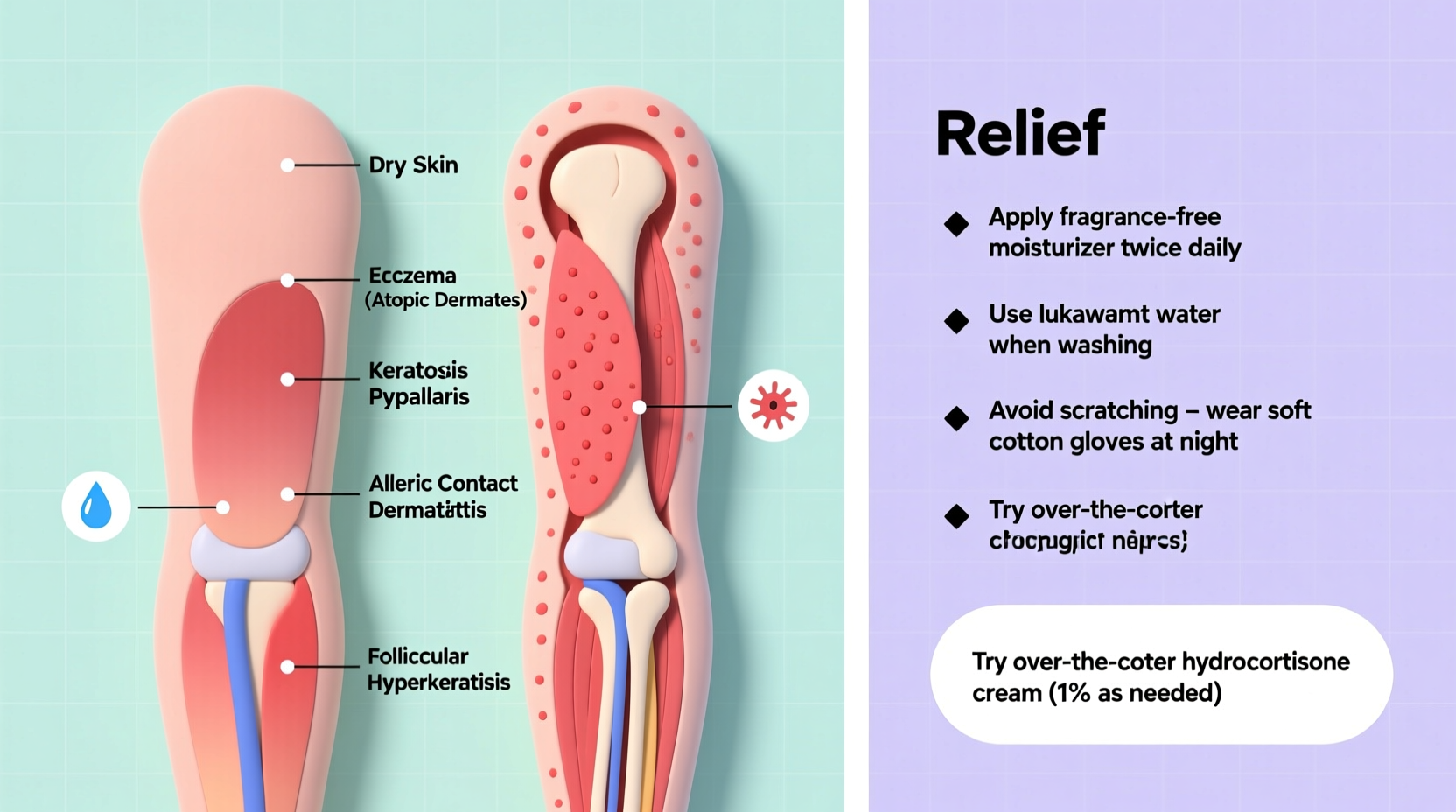
The skin on the elbows is naturally thicker and contains fewer oil glands than other parts of the body. This makes it more susceptible to dryness, especially in low-humidity environments or during colder months. Additionally, elbows frequently come into contact with surfaces—resting on desks, leaning on car doors, or pressing against gym equipment—increasing the risk of irritation and micro-trauma.
Frequent rubbing or pressure can trigger a process called lichenification, where the skin thickens and becomes leathery over time. This often accompanies chronic scratching, creating a cycle that worsens both itch and texture. Because of these unique challenges, elbow-specific care is essential for maintaining healthy skin.
Common Causes of Itchy, Bumpy Elbows
Several conditions can lead to the development of bumps and itching on the elbows. Identifying the likely cause is the first step toward effective treatment.
Eczema (Atopic Dermatitis)
Eczema is one of the most frequent culprits behind itchy, inflamed skin on the elbows. It typically appears as red, scaly patches that may crack or weep when severe. The inside (flexor aspect) of the elbows is a common site due to skin folds trapping moisture and irritants. Eczema flare-ups are often triggered by stress, allergens, sweat, or harsh soaps.
Keratosis Pilaris
Often referred to as “chicken skin,” keratosis pilaris causes small, rough bumps that resemble goosebumps. These develop when keratin builds up and blocks hair follicles. It commonly affects the outer (extensor) side of the elbows and is usually harmless but can be cosmetically bothersome. It tends to run in families and worsens in dry weather.
Psoriasis
Psoriasis is an autoimmune condition that accelerates skin cell turnover, leading to thick, silvery scales and red plaques. Elbows are a classic location for psoriatic lesions due to trauma-prone areas triggering the Koebner phenomenon (where skin injury prompts new lesions). The itching can range from mild to intense.
Contact Dermatitis
This form of dermatitis occurs when the skin reacts to an irritant or allergen—such as detergents, fragrances, metals, or synthetic fabrics. If you regularly rest your elbows on a treated surface or wear tight clothing that rubs the area, irritation can develop. Symptoms include redness, swelling, blistering, and intense itching.
Dry Skin (Xerosis)
Simple dryness can lead to flaking, cracking, and itching. In winter, indoor heating reduces humidity, stripping moisture from the skin. Without proper hydration, the elbows become rough and may develop tiny fissures that further intensify discomfort.
Effective Relief Strategies and Treatments
Managing itchy, bumpy elbows involves a combination of gentle cleansing, consistent moisturizing, and targeted treatments based on the underlying cause.
Moisturize Daily with the Right Products
Use emollients containing ceramides, hyaluronic acid, shea butter, or urea. These ingredients help repair the skin barrier and lock in moisture. Apply immediately after bathing while the skin is still damp to seal in hydration.
Exfoliate Gently
Weekly exfoliation removes dead skin cells and prevents clogged follicles. Use a soft washcloth or a chemical exfoliant with alpha-hydroxy acids (AHAs) like lactic acid or glycolic acid. Avoid harsh scrubs that can worsen irritation.
Topical Treatments
- For eczema: Over-the-counter hydrocortisone cream (1%) can reduce inflammation and itching. Use for short durations (up to one week) unless directed otherwise by a doctor.
- For keratosis pilaris: Lotions with salicylic acid, lactic acid, or urea help dissolve keratin plugs and smooth texture.
- For psoriasis: Medicated creams with salicylic acid or prescription options like corticosteroids or calcipotriene may be necessary.
“Treating bumpy elbows isn’t just about cosmetics—it’s about restoring skin function. A compromised barrier leads to more sensitivity and infections.” — Dr. Lena Torres, Board-Certified Dermatologist
Do’s and Don’ts: Skincare Dosage for Elbows
| Do | Don’t |
|---|---|
| Use fragrance-free, hypoallergenic moisturizers | Apply heavily perfumed lotions or alcohol-based products |
| Wear loose, breathable clothing to reduce friction | Scratch or pick at bumps—this worsens inflammation |
| Humidify your bedroom in dry seasons | Use loofahs or rough brushes aggressively |
| Test new products on a small area first | Ignore signs of infection like pus, warmth, or increasing pain |
Step-by-Step Evening Care Routine for Bumpy Elbows
A consistent routine can significantly improve skin texture and comfort within weeks. Follow this nightly protocol:
- Cleanse gently: Wash elbows with a mild, non-soap cleanser. Avoid scrubbing.
- Pat dry: Use a soft towel and avoid rubbing.
- Apply treatment: Use a medicated lotion or acid-based serum if treating keratosis pilaris or eczema.
- Moorize deeply: Apply a thick emollient (like CeraVe Healing Ointment or Eucerin Advanced Repair).
- Occlude (optional): For severe dryness, cover with cotton sleeves or wrap loosely in plastic wrap overnight to enhance absorption.
- Repeat: Perform this routine daily for at least four weeks before assessing improvement.
Real-Life Example: Sarah’s Experience with Keratosis Pilaris
Sarah, a 28-year-old office worker, noticed persistent rough patches on her elbows that worsened each winter. She initially tried scrubbing them with exfoliating gloves, which only caused redness and stinging. After consulting a dermatology nurse at a local clinic, she learned she had keratosis pilaris. She switched to a lactic acid lotion and began applying it every night after showering. Within three weeks, the bumps softened significantly. By combining consistent moisturizing with gentle exfoliation and wearing looser sleeves, her elbows became noticeably smoother. “I wish I hadn’t waited so long,” she said. “It wasn’t a rash—I just needed the right care.”
When to See a Doctor
While many cases improve with home care, certain symptoms require professional evaluation:
- Bumps spread rapidly or appear on other body parts
- Signs of infection: oozing, crusting, fever, or increasing pain
- No improvement after 4–6 weeks of consistent treatment
- Severe itching that disrupts sleep or daily activities
A dermatologist can perform a physical exam and possibly a skin biopsy to confirm diagnoses like psoriasis or allergic contact dermatitis. Prescription treatments such as stronger topical steroids, immunomodulators, or phototherapy may be recommended for persistent cases.
FAQ
Can diet affect bumpy elbows?
Indirectly, yes. Deficiencies in vitamins A and D have been linked to keratinization disorders like keratosis pilaris. While eating a balanced diet rich in fruits, vegetables, and healthy fats supports overall skin health, dietary changes alone rarely resolve bumpy elbows without topical care.
Is it safe to use steroid cream on my elbows long-term?
No. Long-term use of topical steroids, especially on thick skin like the elbows, can lead to skin thinning, discoloration, or telangiectasia (visible blood vessels). Use low-potency steroids like 1% hydrocortisone only as directed—typically no more than seven consecutive days—unless prescribed otherwise.
Can children get itchy elbows too?
Yes. Eczema is particularly common in children and often affects the inner elbows and knees. Parents should use fragrance-free products, keep nails short to prevent scratching injuries, and dress kids in soft cotton clothing to minimize irritation.
Final Thoughts and Next Steps
Itchy, bumpy elbows are a common yet manageable concern. Whether caused by dryness, eczema, or keratosis pilaris, the key lies in consistent, gentle care and avoiding aggravating factors. Most improvements take time—patience and persistence matter more than quick fixes. Start with a simple, effective routine: cleanse, treat, moisturize, and protect.
If self-care doesn’t bring results, don’t hesitate to seek expert advice. Skin conditions are highly individual, and personalized treatment can make all the difference. Your elbows deserve the same attention as any other part of your skin.




 浙公网安备
33010002000092号
浙公网安备
33010002000092号 浙B2-20120091-4
Comments
No comments yet. Why don't you start the discussion?