
An itchy scalp is more than just a minor annoyance—it can interfere with concentration, sleep, and overall comfort. While occasional itching may be normal, persistent or severe itchiness often signals an underlying issue. From dry skin to fungal infections, multiple factors can contribute to scalp discomfort. Understanding the root cause is essential for choosing the right treatment and achieving long-term relief.
Understanding the Scalp’s Natural Balance
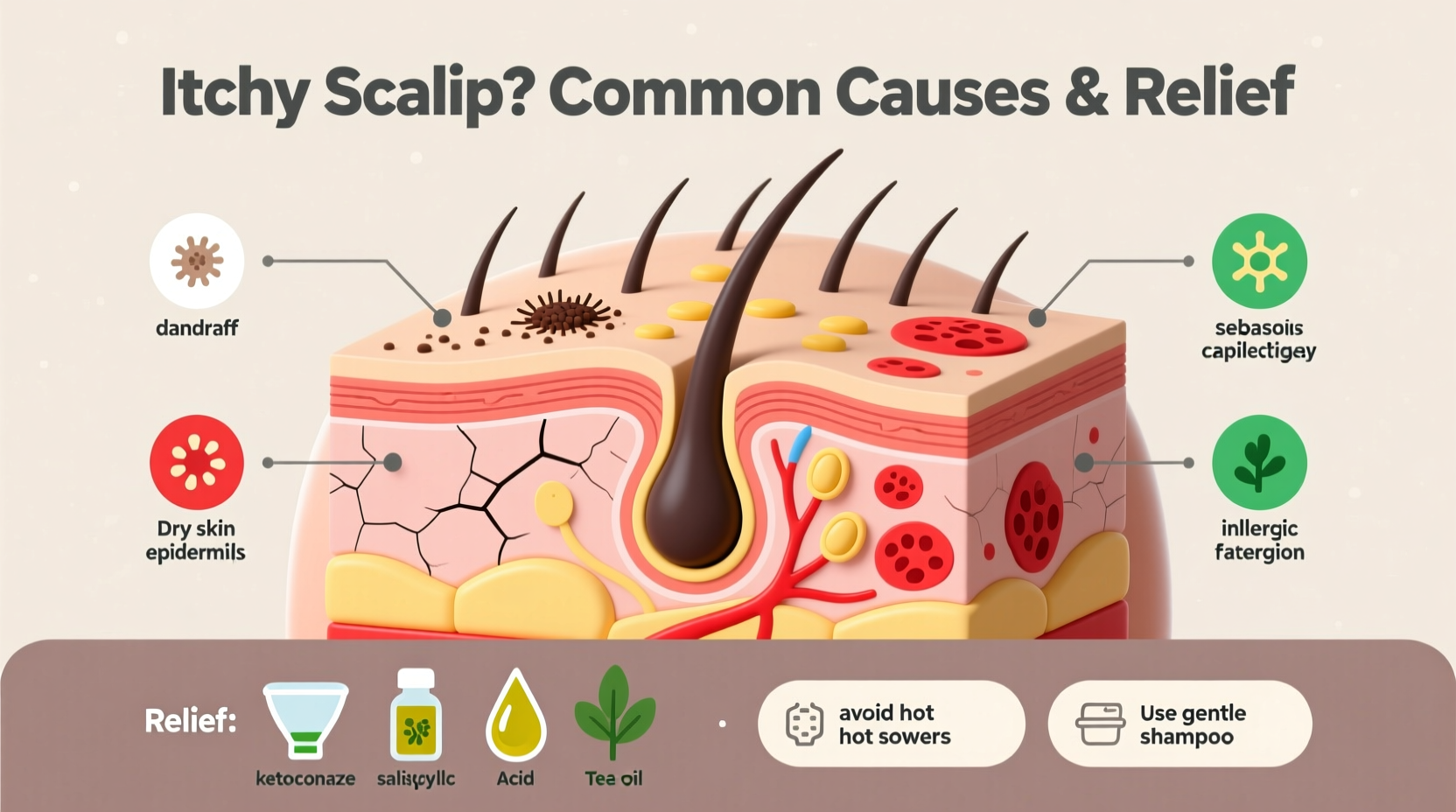
The scalp is an extension of the skin on your face and body, but it has unique characteristics. It contains a high density of sebaceous glands that produce sebum, a natural oil that moisturizes hair and protects the scalp. When this balance is disrupted—by overwashing, environmental stressors, or health conditions—the scalp can become dry, inflamed, or irritated, leading to itching.
Itching occurs when nerve endings in the scalp are stimulated by inflammation, allergens, or microbial activity. Scratching may offer temporary relief but can damage the skin barrier, increasing the risk of infection and worsening symptoms.
Common Causes of an Itchy Scalp
Several conditions and lifestyle factors can trigger scalp itchiness. Identifying which one applies to you is the first step toward targeted relief.
- Dry scalp: Often mistaken for dandruff, dry scalp results from lack of moisture due to cold weather, low humidity, or harsh shampoos.
- Seborrheic dermatitis: A chronic inflammatory condition causing flaky, greasy patches and redness, commonly known as dandruff when mild.
- Psoriasis: An autoimmune disorder that accelerates skin cell turnover, forming thick, silvery scales and itchy plaques on the scalp.
- Fungal infections (e.g., tinea capitis): Ringworm of the scalp causes intense itching, hair loss, and sometimes pus-filled sores.
- Allergic reactions: Contact dermatitis can result from hair dyes, shampoos, or styling products containing irritants like sulfates or fragrances.
- Lice infestation: Head lice feed on blood and cause relentless itching, especially at night.
- Stress and hormonal changes: Both can disrupt the skin’s immune response and oil production, contributing to irritation.
How to Diagnose the Cause at Home
While professional diagnosis is ideal, you can gather clues through careful observation. Consider the appearance, timing, and triggers of your symptoms.
| Symptom Pattern | Most Likely Cause | Supporting Clues |
|---|---|---|
| White flakes, dryness, worse in winter | Dry scalp | Flakes are small and dry; no redness or oiliness |
| Yellowish, oily flakes with redness | Seborrheic dermatitis | Affects hairline, ears, eyebrows; may worsen with stress |
| Thick, silvery scales, bleeding when scratched | Scalp psoriasis | May have joint pain or family history of psoriasis |
| Intense nighttime itching, visible nits | Head lice | Recent close contact with infected person; nits near roots |
| Itching after using new product | Contact dermatitis | Rash appears within hours; improves after stopping product |
“Many patients come in thinking they have dandruff, but their real issue is sensitivity to shampoo ingredients or early signs of psoriasis.” — Dr. Lena Patel, Board-Certified Dermatologist
Step-by-Step Guide to Finding Relief
Effective treatment depends on accurate identification of the cause. Follow this structured approach to reduce itching and restore scalp health.
- Stop using potential irritants: Switch to fragrance-free, sulfate-free shampoos and avoid heat styling tools temporarily.
- Assess your scalp daily: Use a mirror or take photos to track changes in flaking, redness, or lesions.
- Try an over-the-counter medicated shampoo: Look for active ingredients like:
- Pyridoxine (B6) – reduces fungal growth
- Zinc pyrithione – antibacterial and antifungal
- Ketoconazole – treats fungal causes
- Salicylic acid – exfoliates dead skin
- Coal tar – slows skin cell buildup (for psoriasis)
- Wash correctly: Lather twice, leave medicated shampoo on for 5 minutes before rinsing. Use lukewarm water.
- Maintain hydration: Apply a lightweight, non-comedogenic scalp serum with ceramides or hyaluronic acid if dryness persists.
- Monitor progress: Evaluate symptoms weekly. If no improvement in 3–4 weeks, consult a dermatologist.
When to See a Doctor
Some conditions require prescription treatments. Seek medical advice if you experience:
- Persistent itching lasting more than a month despite home care
- Open sores, oozing, or crusting on the scalp
- Hair thinning or bald patches
- Fever or swollen lymph nodes (possible infection)
- Scaling that spreads beyond the scalp
A dermatologist may perform a scalp scraping, biopsy, or fungal culture to confirm the diagnosis. Treatments could include topical corticosteroids, antifungal pills, or immunomodulators for autoimmune conditions.
Mini Case Study: Resolving Chronic Itch Without Hair Dye Elimination
Sarah, a 34-year-old graphic designer, experienced worsening scalp itching after coloring her hair monthly. She assumed it was dryness and used heavy oils, which only increased flaking. After tracking her symptoms, she noticed redness intensified within hours of dye application.
She switched to a patch test before her next color session and confirmed sensitivity to paraphenylenediamine (PPD), a common dye ingredient. Her dermatologist recommended PPD-free alternatives and a short course of hydrocortisone gel. Within two weeks, her itching subsided, and she resumed coloring safely with adjusted products.
This case highlights the importance of tracking triggers and not assuming all itchiness stems from dryness or dandruff.
Prevention Checklist
To maintain a healthy, itch-free scalp, follow this actionable checklist:
- ✅ Wash hair every 2–3 days with a gentle, pH-balanced shampoo
- ✅ Avoid sharing combs, hats, or towels to prevent lice and fungal spread
- ✅ Perform a patch test before using any new hair product
- ✅ Limit use of hot tools and tight hairstyles that strain the scalp
- ✅ Stay hydrated and eat a balanced diet rich in omega-3s and zinc
- ✅ Manage stress through mindfulness, exercise, or therapy
- ✅ Replace old brushes and wash pillowcases weekly in hot water
Frequently Asked Questions
Can dandruff cause hair loss?
Not directly. However, severe dandruff or seborrheic dermatitis can lead to inflammation that damages hair follicles over time. Excessive scratching can also weaken hair shafts and increase shedding. Treating the underlying condition typically prevents further loss.
Is apple cider vinegar safe for the scalp?
When diluted (1 part vinegar to 3 parts water), ACV can help restore scalp pH and loosen flakes. However, avoid it if you have open sores or sensitive skin, as its acidity may cause stinging or irritation. Always rinse thoroughly after 5–10 minutes.
How long does it take to cure an itchy scalp?
Response time varies. Mild dryness may improve in a week with proper moisturizing. Fungal or inflammatory conditions often require 2–4 weeks of consistent treatment. Chronic issues like psoriasis need ongoing management rather than a “cure.”
Final Thoughts and Call to Action
An itchy scalp is rarely dangerous, but it shouldn’t be ignored. With careful observation and the right interventions, most causes are manageable and often preventable. Don’t settle for temporary fixes—address the root cause for lasting comfort and confidence.
If you’ve struggled with scalp itching, consider keeping a symptom journal and trying one change at a time to identify what works. Share your experiences or questions below—your story might help someone else finally find relief.




 浙公网安备
33010002000092号
浙公网安备
33010002000092号 浙B2-20120091-4
Comments
No comments yet. Why don't you start the discussion?