
In November 2024, one of the most surreal moments in modern sports entertainment will unfold: Jake Paul, a 27-year-old YouTuber turned professional boxer, is set to face Mike Tyson, the 58-year-old former undisputed heavyweight champion and global icon. On paper, the matchup defies logic—age gap, era difference, and contrasting public personas make it seem more like a viral stunt than a legitimate contest. Yet, the fight is not only confirmed but selling out arenas and dominating headlines. So, why is Jake Paul vs Mike Tyson actually happening?
The answer lies at the intersection of celebrity culture, evolving media landscapes, economic incentives, and the blurring line between sport and spectacle. This isn't just about boxing—it's about what boxing has become in the digital age.
A Clash of Generations, Not Just Fighters
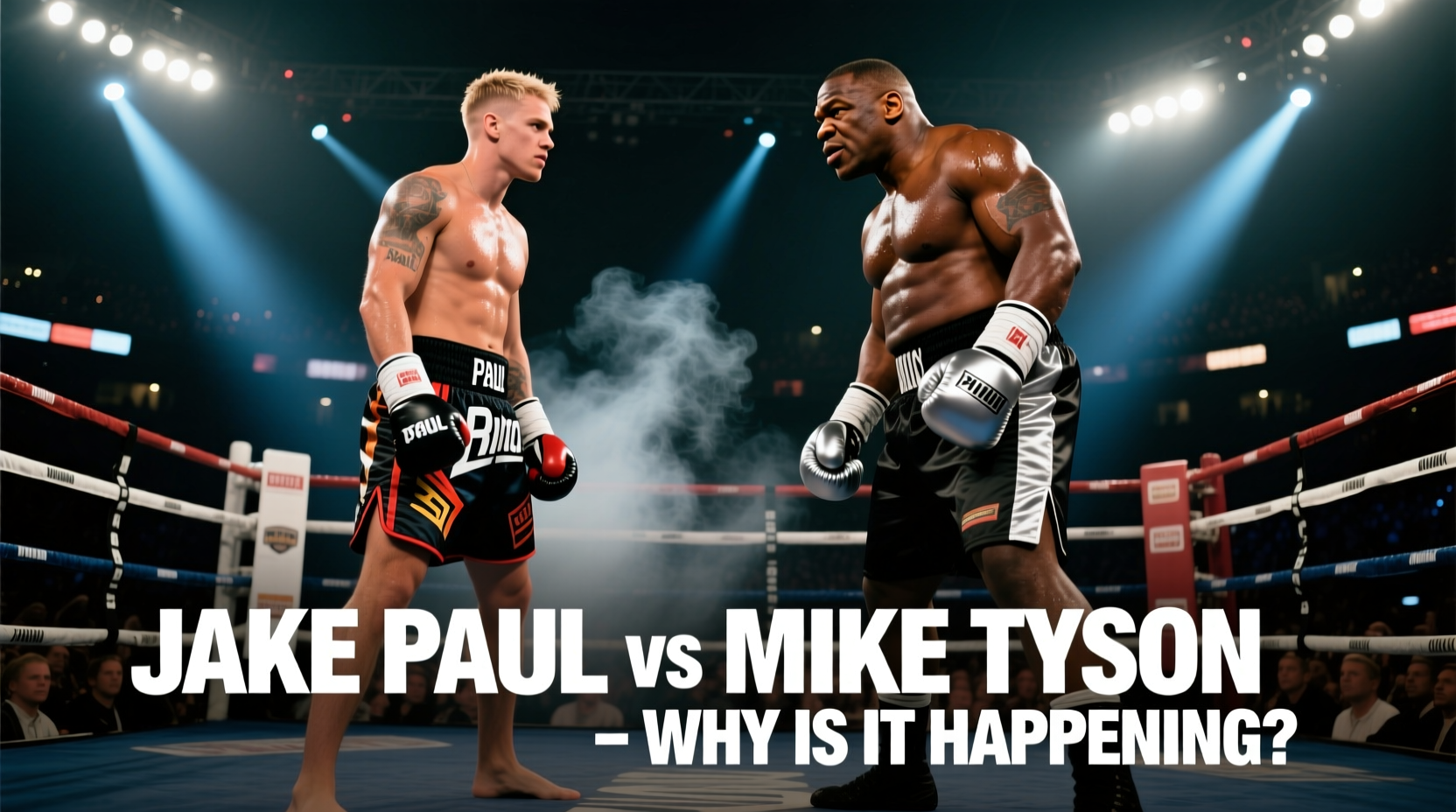
Mike Tyson represents the golden era of boxing—a time when athletes were larger-than-life figures built through years of grueling training, network television exposure, and mainstream credibility. His prime in the late 1980s and early 1990s coincided with HBO’s rise as a major sports broadcaster, turning fighters into household names. Tyson himself became a symbol of raw power, unpredictability, and controversy.
Jake Paul, by contrast, emerged from the social media revolution. He gained fame on Vine and YouTube, building a massive following through entertainment content before transitioning into boxing via influencer exhibitions. His path bypassed traditional athletic development; instead, he leveraged online popularity to secure high-profile fights against fellow internet personalities and retired MMA fighters.
This fight symbolizes a cultural shift: the passing of athletic legitimacy from earned respect through competition to acquired influence through digital reach. The pairing is less about competitive balance and more about narrative tension—the old guard versus the new wave, authenticity versus virality.
“Boxing used to be about legacy. Now, it’s often about attention. And in that economy, Jake Paul wins before the first bell even rings.” — David Aldridge, veteran sports journalist and analyst
The Business Behind the Brawl
At its core, the Jake Paul vs Mike Tyson fight exists because it makes money—lots of it. Reports suggest the event could generate over $100 million in revenue through pay-per-view sales, ticket sales, sponsorships, and global streaming rights. Both fighters stand to earn tens of millions, with Paul likely receiving a significant promoter share due to his role in organizing the bout through his Most Valuable Promotions (MVP) company.
But beyond individual paydays, the fight serves broader commercial interests:
- Sponsorship Appeal: Major brands see value in aligning with viral events. Crypto companies, energy drinks, and fashion labels are eager to attach themselves to cross-demographic spectacles.
- Streaming Expansion: Unlike traditional boxing, which relies on cable PPV, this fight will be distributed across multiple digital platforms, including MVP’s own app and international streaming partners, maximizing accessibility and ad revenue.
- Merchandising Boom: From T-shirts to NFTs, the event has already spawned a merchandise blitz targeting both nostalgic Tyson fans and Gen Z Paul followers.
How This Fight Became Possible: A Timeline
The road to Paul vs Tyson wasn’t spontaneous. It was carefully constructed through strategic steps designed to build momentum and legitimacy:
- 2020: Jake Paul enters the boxing world with exhibition matches, defeating NBA player Nate Robinson and former UFC fighter Ben Askren.
- 2022–2023: Paul transitions to professional boxing, compiling a 9-1 record while calling out established names and promoting high-profile events under MVP.
- July 2023: Mike Tyson returns to the ring for an exhibition against Roy Jones Jr., proving he can still draw interest despite being 57.
- Early 2024: Paul begins teasing a “legacy” fight, dropping hints about facing a boxing legend.
- May 2024: Tyson confirms negotiations, citing a desire to inspire older athletes and test himself one last time.
- June 2024: Official announcement made at a press conference in Los Angeles, with tickets selling out in minutes.
This progression shows how modern combat sports are now built like entertainment franchises—each event sets up the next, with storylines crafted for maximum engagement.
Legitimacy vs. Spectacle: The Debate
Critics argue the fight undermines the integrity of boxing. At 58, Tyson is well past his physical peak, and even in good health, the 31-year age gap creates an uneven playing field. Traditionalists point out that no credible sanctioning body would recognize this as a title bout or even a standard professional match.
Yet supporters counter that boxing has always embraced spectacle. Think of Ali vs. Inoki in 1976, Foreman vs. Five Men in 1990, or even Mayweather vs. McGregor in 2017—events that blended sport with showmanship. What’s different now is the platform: social media allows fighters like Paul to control their narratives directly, bypassing gatekeepers like promoters and journalists.
The truth is, this fight doesn’t need to be “fair” to be successful. It needs to be compelling—and in that regard, it already is.
| Aspect | Traditional Boxing Match | Paul vs Tyson Event |
|---|---|---|
| Primary Goal | Win championship, rankings | Generate revenue, viewership |
| Media Coverage | Sports networks, print media | Social media, viral clips, TikTok |
| Fan Base | Dedicated boxing enthusiasts | Mixed: Gen Z, casual viewers, nostalgia seekers |
| Legitimacy | Sanctioned, regulated, ranked | Unsanctioned exhibition, entertainment-focused |
| Revenue Model | PPV, sponsorships, tickets | PPV, digital subscriptions, global streaming, merch |
Real Impact: A Case Study in Modern Sports Marketing
Consider the case of Amanda Serrano, a seven-division boxing world champion who struggled for years to gain mainstream attention. In 2022, she finally headlined Madison Square Garden—not for a title defense, but as part of a co-main event with Jake Paul’s fight against Tyron Woodley. Overnight, her social media following tripled, and she landed major endorsement deals.
This illustrates the paradox of today’s combat sports landscape: legitimacy doesn’t always bring visibility, but visibility can create legitimacy. Paul’s ability to draw audiences gives him outsized influence in shaping who gets seen—even if critics question his credentials.
Likewise, the Tyson fight amplifies not just Paul’s brand, but the entire ecosystem around influencer boxing. Other creators are already planning similar ventures, hoping to replicate the formula: build a fanbase online, transition to combat sports, and stage a legacy showdown.
Frequently Asked Questions
Is the Jake Paul vs Mike Tyson fight a real boxing match?
No, it is officially classified as an exhibition bout. While it follows standard boxing rules, it won’t affect either fighter’s professional record, and no titles are on the line. Medical clearances and safety protocols are in place, but the focus is on entertainment rather than competitive outcome.
Why would Mike Tyson agree to fight someone so much younger?
Tyson has stated that he sees the fight as a final chapter in his lifelong relationship with boxing. He views it as a way to inspire people over 50 to stay active and challenge limits. Financial incentives and the chance to connect with a new generation of fans also play a role.
Can Jake Paul win this fight?
On paper, yes—Paul is in his prime, professionally trained, and has fought competitively in recent years. However, Tyson’s experience, power, and unpredictability mean any mistake could end the fight instantly. Most analysts expect Paul to rely on movement, volume punching, and stamina to manage distance.
Actionable Checklist: How to Understand Modern Combat Events Like This One
- ✅ Identify the primary goal: Is it sport, entertainment, or business?
- ✅ Check the fighters’ motivations: Legacy, money, redemption, or exposure?
- ✅ Follow the promotional strategy: Who controls the narrative—promoters or the fighters themselves?
- ✅ Evaluate the platform: Is it broadcast on traditional TV or streamed digitally?
- ✅ Assess the audience: Are hardcore fans or casual viewers the main target?
Conclusion: Why This Fight Matters Beyond the Ring
The Jake Paul vs Mike Tyson fight is happening because it reflects a fundamental transformation in how we consume sports. It’s not just about who wins or loses—it’s about who captures attention, drives conversation, and redefines what athletic competition can be in the digital era.
This event may not please purists, but it signals a new reality: where fame, marketing, and personal branding carry as much weight as skill and record. Whether you view it as exploitation or evolution, one thing is certain—this fight wouldn’t exist without the internet, and it won’t be the last of its kind.




 浙公网安备
33010002000092号
浙公网安备
33010002000092号 浙B2-20120091-4
Comments
No comments yet. Why don't you start the discussion?