
In the world of dining aesthetics, the placemat plays a subtle yet pivotal role. It frames the plate, defines the space, and sets the tone for the entire meal. While Western and Japanese cultures both value table presentation, their approaches to placemats differ significantly—rooted in contrasting philosophies of design, function, and cultural tradition. But are Japanese placemats truly superior when it comes to enhancing visual presentation? The answer lies not in absolutes, but in understanding the nuanced strengths of each.
The Philosophy Behind Japanese Placemats
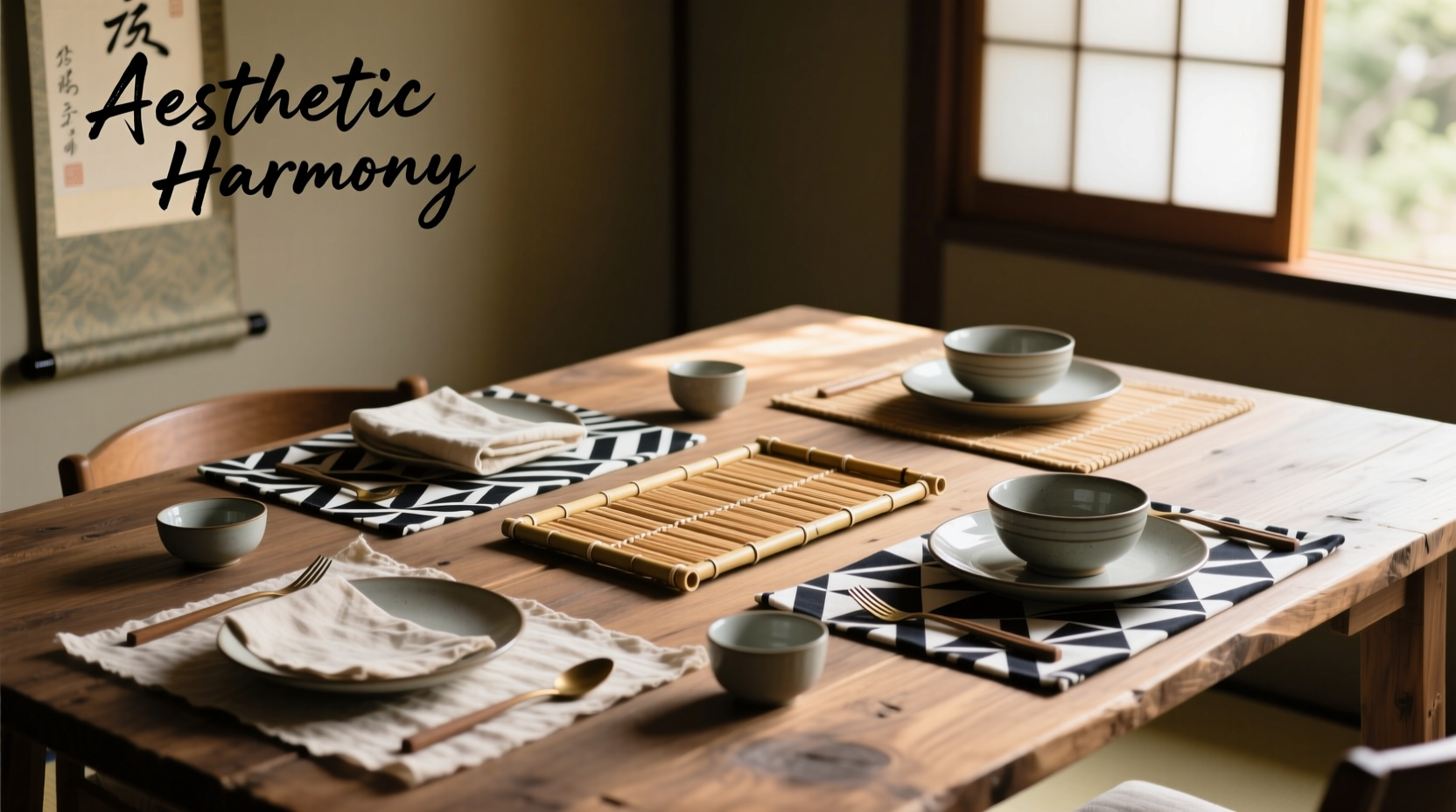
Japanese table culture emphasizes minimalism, harmony with nature, and mindfulness in everyday rituals. This extends to the use of placemats, which are often seen not merely as protective surfaces, but as integral elements of *kaiseki* (traditional multi-course dining) and *washoku* (Japanese cuisine). In Japan, the placemat is part of a broader aesthetic known as *wabi-sabi*—the beauty of imperfection, transience, and simplicity.
Materials like woven bamboo, rice straw (*tatami*-inspired), washi paper, and natural linen dominate Japanese placemat design. These are chosen not only for their eco-friendliness but also for their texture, warmth, and ability to complement seasonal themes. A summer meal might feature a cool, breathable bamboo mat, while a winter kaiseki dinner could include a softly textured indigo-dyed cotton placemat.
“Every object on a Japanese table has intention. The placemat isn’t decoration—it’s an extension of respect for food and guest.” — Hiroshi Tanaka, Tokyo-based culinary curator
Western Placemats: Function Meets Formality
In contrast, Western placemats often prioritize durability, ease of cleaning, and formality. Common materials include vinyl, oilcloth, cotton blends, and leather—chosen for stain resistance and longevity. Their designs range from solid colors in classic white or black to bold patterns that match tablecloths or dinnerware.
Western placemats are typically used in structured dining settings where symmetry and uniformity matter. They serve practical roles: protecting polished wood tables, defining individual place settings at large gatherings, and elevating the perceived formality of a meal. However, they often lack the tactile depth and seasonal adaptability found in Japanese versions.
That said, modern Western design has begun incorporating minimalist influences. Scandinavian-inspired placemats made from unbleached cotton or cork reflect a growing appreciation for understated elegance—a trend clearly influenced by Eastern aesthetics.
Comparative Analysis: Key Differences in Design and Use
| Feature | Japanese Placemats | Western Placemats |
|---|---|---|
| Primary Material | Bamboo, rice straw, washi, linen, silk | Vinyl, oilcloth, cotton, leather, plastic |
| Design Focus | Natural textures, asymmetry, seasonality | Symmetry, color coordination, pattern |
| Functionality | Aesthetic enhancement, ritual significance | Table protection, easy maintenance |
| Lifespan | Moderate (natural fibers degrade over time) | Long (synthetic materials resist wear) |
| Cultural Role | Part of mindful dining experience | Practical accessory for formal meals |
When Japanese Placemats Shine: Real-World Application
Consider a private sushi tasting event hosted in a Kyoto ryokan. Each guest sits before a low lacquered table. On it rests a handwoven bamboo placemat, slightly irregular in weave, dyed with natural pigments. The chef places a single piece of nigiri atop a small ceramic leaf-shaped dish. The placemat doesn’t compete with the food—it enhances it. Its earthy tone grounds the composition; its texture echoes the artisanal care in the meal.
This is where Japanese placemats excel: in moments of intentional dining. They don’t just hold plates—they create atmosphere. Their organic forms draw attention to the craftsmanship of both the meal and the table setting. Unlike glossy Western counterparts that can feel sterile, Japanese mats invite touch and contemplation.
However, in a bustling family brunch with spilled orange juice and scrambling toddlers, a washable vinyl placemat proves far more practical. The strength of Japanese placemats lies in context—not universal superiority.
Mini Case Study: A Fusion Dinner in San Francisco
A Michelin-starred restaurant in San Francisco recently hosted a fusion menu blending French techniques with Japanese ingredients. The chef collaborated with a table stylist to select placemats. After testing several options, they chose thin, slate-gray linen mats with hand-stitched edges—inspired by Japanese design but made from durable European fabric.
The result? Critics praised the “quiet elegance” of the table setting. One review noted, “The placemats didn’t shout, but they anchored every course in a sense of calm refinement.” This hybrid approach demonstrated that the best solution often lies in synthesis: borrowing Japanese sensibility while retaining Western practicality.
How to Choose the Right Placemat for Your Needs
Whether Japanese-style placemats are “better” depends entirely on your goals. Use this checklist to guide your decision:
- Are you aiming for a serene, meditative dining atmosphere?
- Do you serve seasonal or artfully plated dishes?
- Is sustainability and natural material important to you?
- Will the placemats be used daily or reserved for special occasions?
- Do you need frequent washing or high spill resistance?
Step-by-Step Guide to Styling with Japanese Placemats
- Select by season: Light, open-weave mats for spring/summer; heavier textiles like indigo cotton for fall/winter.
- Match plate size: Leave about 1–2 inches of mat visible beyond the plate edge for balanced framing.
- Coordinate with utensils: Use chopsticks on bamboo mats, or silverware on linen—avoid clashing styles.
- Add a centerpiece: A single branch in a small vase or a ceramic water scoop complements the mat without overwhelming it.
- Rotate regularly: Natural materials age gracefully, but rotating prevents uneven wear.
Frequently Asked Questions
Can Japanese placemats be washed?
It depends on the material. Woven bamboo and rice straw mats should be wiped gently with a damp cloth. Cotton or linen versions may be hand-washed or machine-washed on gentle cycle, but always check care labels. Avoid soaking natural fiber mats, as they may warp or discolor.
Are Japanese placemats suitable for Western dinnerware?
Yes—especially if the table setting leans toward minimalism. A neutral-toned Japanese mat pairs beautifully with white porcelain, matte ceramics, or rustic stoneware. Avoid pairing them with highly ornate, gold-trimmed sets, as the contrast can feel jarring.
Do Western placemats lack aesthetic value?
Not inherently. High-end Western placemats made from fine leather, hand-blocked cotton, or artisanal cork offer both beauty and durability. The key difference is intent: Western designs often prioritize utility first, while Japanese ones begin with aesthetics and symbolism.
Conclusion: Elevate Your Table with Intention
The debate between Japanese and Western placemats isn’t about which is objectively better—it’s about alignment with purpose. Japanese placemats elevate presentation through subtlety, texture, and cultural resonance. They transform meals into mindful experiences. Western placemats offer resilience, consistency, and accessibility, making them ideal for everyday use.
The most thoughtful tables today blend the best of both worlds: the quiet dignity of Japanese design with the practical endurance of Western materials. By understanding what each tradition offers, you can curate a dining experience that is not only visually striking but deeply intentional.




 浙公网安备
33010002000092号
浙公网安备
33010002000092号 浙B2-20120091-4
Comments
No comments yet. Why don't you start the discussion?