
Across much of North America, homeowners and gardeners have noticed an unusual spike in June bug activity this season. Lawns buzz with activity at dusk, porch lights attract swarms, and fruit trees show signs of leaf damage. While June bugs—also known as May beetles or June beetles—are a familiar summer presence, their numbers appear significantly higher this year. This surge isn’t random. A combination of environmental conditions, climate shifts, and ecological factors has created ideal breeding grounds for these insects. Understanding why they’re so prevalent and how to manage them effectively can help you reclaim your outdoor spaces without resorting to harsh chemicals.
Why June Bugs Are More Abundant This Year
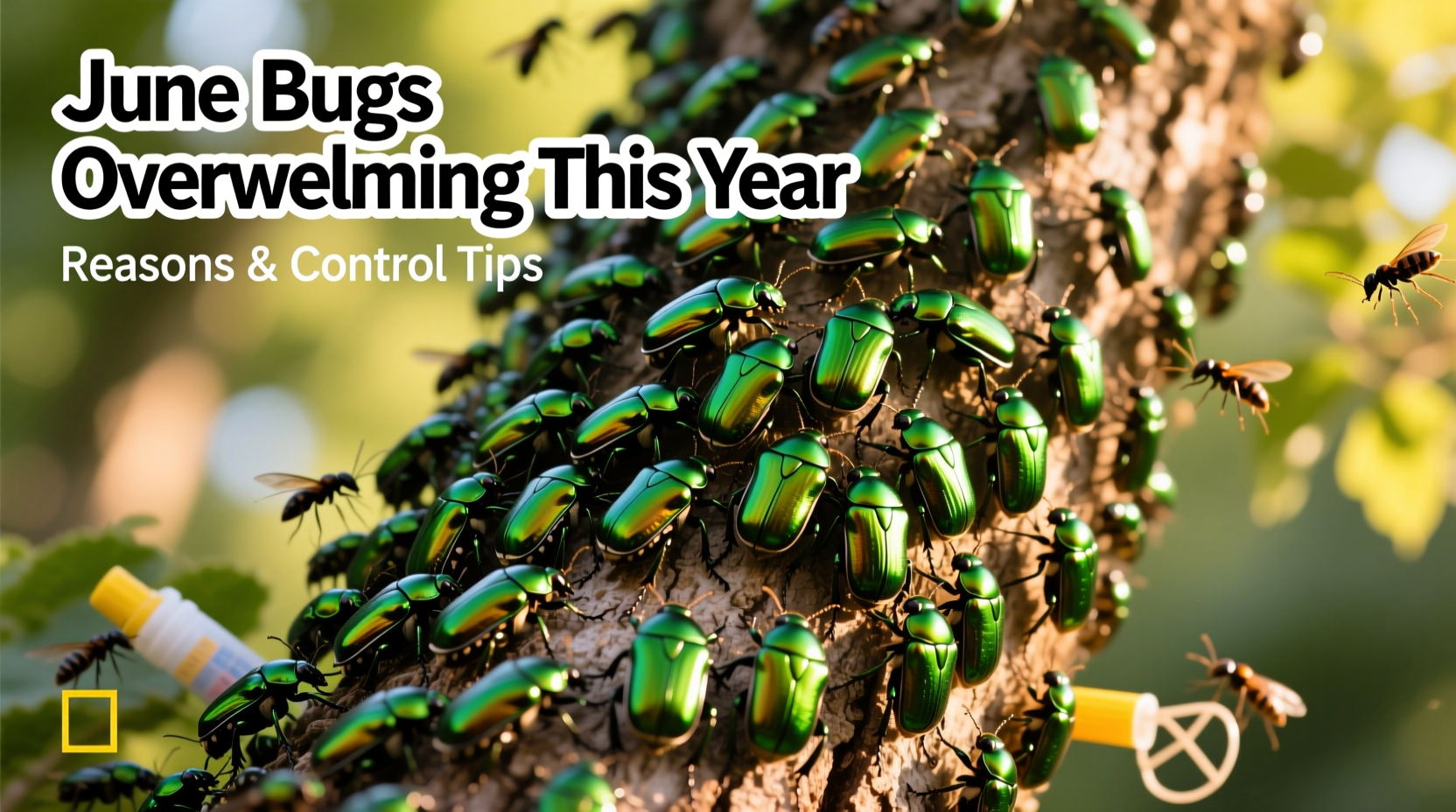
June bugs belong to the scarab beetle family (Phyllophaga spp.) and typically emerge in late spring to early summer. Their life cycle spans two to three years, with most of that time spent underground as grubs feeding on grass roots. The adult beetles live only a few weeks, but during that time, they mate and lay eggs that will hatch into next year’s grub population.
This year’s surge can be attributed to several key factors:
- Mild winter temperatures: Warmer-than-average winters allowed more grubs to survive through the cold months. Typically, prolonged freezing temperatures reduce overwintering survival rates.
- Wet spring conditions: Increased rainfall created moist soil environments ideal for egg-laying and larval development. Dry soils usually suppress reproduction, but consistent moisture gave populations a boost.
- Extended warm spells: Early warming in spring accelerated metamorphosis, leading to earlier and more synchronized emergence of adults.
- Reduced natural predation: Declines in bird, bat, and beneficial insect populations due to habitat loss may have reduced natural checks on June bug numbers.
“Population booms like this often follow favorable climatic patterns. When winter is mild and spring is wet, we see a ripple effect in soil-dwelling insects like June bugs.” — Dr. Alan Reyes, Entomologist, University of California Agriculture Department
How June Bugs Damage Your Yard and Garden
While adult June bugs are mostly a nuisance, their larval stage causes real harm. The white, C-shaped grubs feed aggressively on the roots of turfgrass, ornamental plants, and vegetable crops. This root damage leads to:
- Brown, patchy areas in lawns that lift easily like loose carpet
- Increased susceptibility to drought stress
- Secondary infestations by moles and skunks digging for grubs
Adults, though short-lived, feed on leaves of roses, grapes, raspberries, and other foliage. They chew irregular holes along leaf edges, giving plants a ragged appearance. Heavy feeding can weaken young trees and reduce fruit yield.
Commonly Affected Plants
| Plant Type | Susceptibility Level | Typical Damage |
|---|---|---|
| Turfgrass (Kentucky bluegrass, fescue) | High (via grubs) | Root destruction, thinning lawn, animal digging |
| Rose bushes | High (adults) | Notched leaf margins, defoliation |
| Grapevines | Moderate | Leaf skeletonization, reduced vigor |
| Fruit trees (apple, cherry) | Low to moderate | Minor foliage damage, rarely fatal |
| Vegetable gardens (beans, tomatoes) | Low | Occasional leaf chewing |
Effective Control Strategies: From Prevention to Elimination
Managing June bugs requires a multi-season approach. Because their lifecycle extends over multiple years, targeting both adults and larvae is essential for long-term success.
Step-by-Step Guide to Reducing June Bug Populations
- Early Summer – Target Adults: Use pheromone traps or hand-pick beetles at night when they’re active. Place traps away from porches and gardens to avoid attracting more bugs indoors.
- Late Summer – Treat Grub Eggs: Apply beneficial nematodes (Steinernema spp.) to moist soil. These microscopic worms infect and kill young grubs naturally.
- Fall – Prevent Overwintering: Maintain dry lawn conditions if possible. Aerating and dethatching reduces moisture retention and makes soil less hospitable.
- Spring – Monitor and Act: Check for grub presence by cutting a 1-foot square of turf and inspecting the top 2–3 inches of soil. If more than 5 grubs are found, consider biological treatment.
Organic vs. Chemical Control: What Works Best?
Many homeowners prefer non-toxic methods, especially in yards with pets and children. Here’s a comparison of common control options:
| Method | Type | Effectiveness | Best Time to Apply |
|---|---|---|---|
| Beneficial Nematodes | Organic | High (against grubs) | Late summer to early fall |
| Milky Spore (Paenibacillus popilliae) | Organic | Moderate (long-term buildup needed) | Fall or spring |
| Neem Oil | Organic | Moderate (repels adults, disrupts feeding) | Evening, during adult activity |
| Imidacloprid (systemic insecticide) | Chemical | Very High | Early summer (pre-grub hatching) |
| Chlorantraniliprole | Chemical | High with lower toxicity | Late spring to early summer |
While chemical options offer rapid results, they can harm pollinators and beneficial soil organisms. Organic solutions take longer but support ecosystem balance. For most residential settings, integrated pest management (IPM) combining monitoring, cultural practices, and targeted treatments is the safest and most sustainable path.
Real Example: A Suburban Garden’s Comeback
In central Ohio, homeowner Lisa Tran noticed her once-lush lawn turning patchy each summer. By mid-June, her patio was swarmed nightly by June bugs. She initially used chemical sprays, which provided temporary relief but harmed her flowering plants and discouraged fireflies.
The following year, she adopted an IPM strategy: she applied beneficial nematodes in August, reduced irrigation to discourage egg-laying, installed yellow LED lighting, and planted garlic and chives around vulnerable shrubs—natural repellents. Within two seasons, June bug sightings dropped by over 80%, and her lawn regained its thickness without synthetic inputs.
“I realized I didn’t need to wage war on every bug,” she said. “Just creating an environment they don’t like made all the difference.”
Prevention Checklist for Next Season
- ✅ Monitor lawn health weekly in late spring and early summer
- ✅ Reduce outdoor lighting or use insect-repellent bulbs
- ✅ Encourage natural predators like birds and toads with birdbaths and shelter
- ✅ Apply beneficial nematodes in late summer if grub history exists
- ✅ Avoid overwatering lawns, especially in June and July
- ✅ Hand-pick adult beetles in the evening and dispose of them in soapy water
- ✅ Maintain healthy grass with proper mowing and aeration to resist grub damage
Frequently Asked Questions
Are June bugs dangerous to humans or pets?
No, June bugs are not harmful. They do not bite, sting, or carry diseases. However, if ingested in large quantities, they may cause mild stomach upset in pets.
Can I eliminate June bugs permanently?
Complete eradication is unlikely and unnecessary. The goal should be population management. With consistent seasonal care, infestations can be reduced to negligible levels.
Do June bugs come back every year?
Yes, but severity varies. Years with mild winters and wet springs tend to produce larger emergences. Proactive lawn care can break the reproductive cycle over time.
Take Control Before Next Summer
The rise in June bug activity this year is a reminder of how closely insect populations respond to environmental changes. While their presence can be frustrating, they’re also a sign of healthy soil ecosystems—albeit slightly out of balance. By understanding their lifecycle and applying smart, sustainable strategies now, you can prevent next year’s outbreak before it begins.
Start with simple steps: adjust your lighting, monitor your lawn, and introduce natural controls. Small actions today can lead to quieter, greener summers ahead.




 浙公网安备
33010002000092号
浙公网安备
33010002000092号 浙B2-20120091-4
Comments
No comments yet. Why don't you start the discussion?