
Justin Trudeau’s rise to political prominence has been both rapid and polarizing. As Canada’s 23rd Prime Minister, he commands international attention not only for his policy decisions but also for his public persona. Unlike traditional political figures who often emerge through decades of incremental advancement, Trudeau entered the national spotlight with a blend of inherited legacy, charismatic appeal, and strategic positioning. His sustained influence over Canadian politics since 2015 raises an important question: what factors have contributed to his enduring prominence?
Understanding Trudeau’s visibility requires more than tracking election results or legislative outcomes. It involves examining cultural dynamics, communication strategies, generational shifts, and the evolving expectations of modern leadership. From social media fluency to symbolic representation, Trudeau has navigated a complex political landscape by aligning himself with broader societal trends—sometimes successfully, sometimes controversially.
Political Lineage and Public Recognition
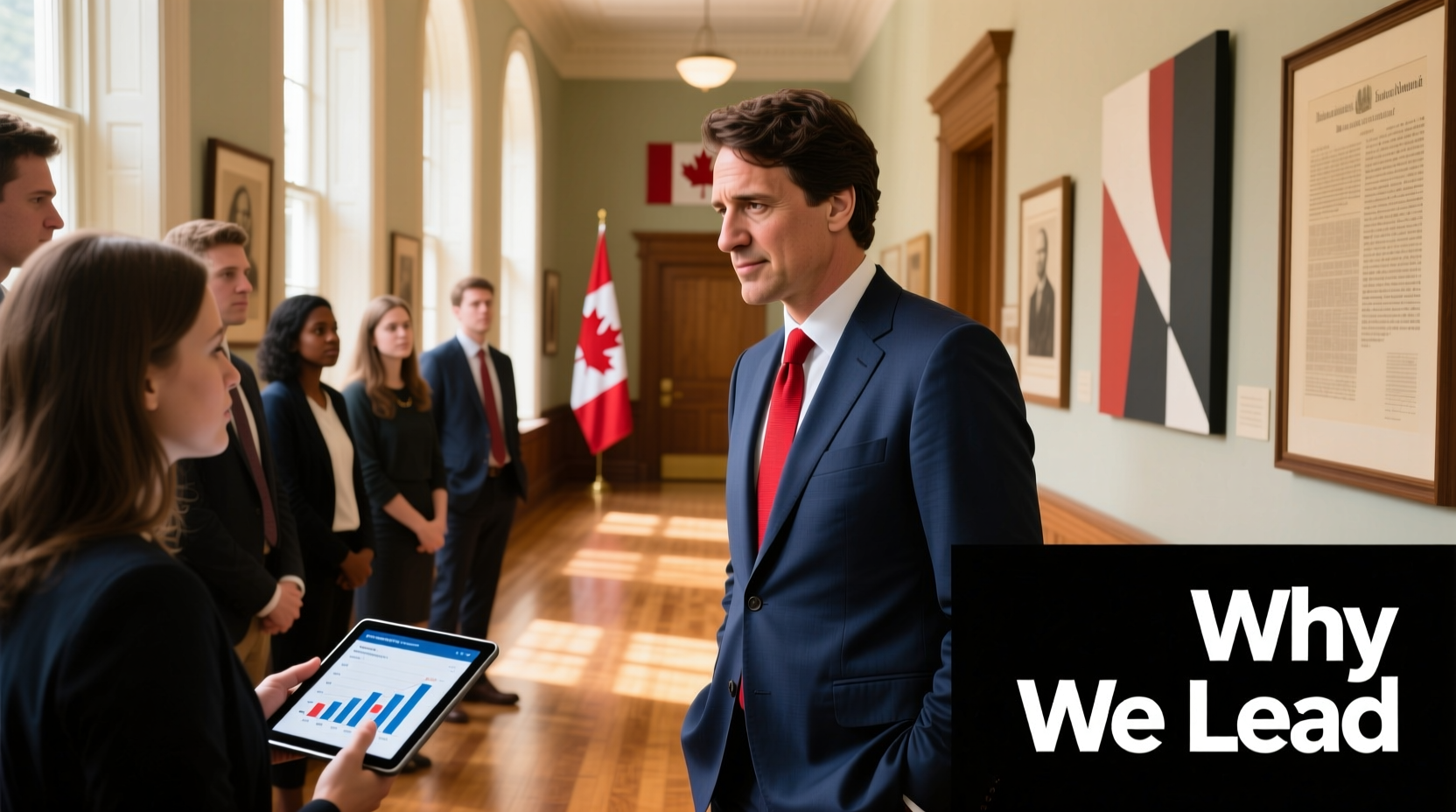
There is no denying that Justin Trudeau benefits from one of the most recognizable surnames in Canadian history. As the son of Pierre Elliott Trudeau, a transformative Prime Minister of the 1970s and 1980s, he inherited not just a name but a legacy of progressive reform, intellectualism, and national unity advocacy. While he has worked to establish his own identity, early public perception was inevitably shaped by this familial association.
Yet, lineage alone does not explain longevity in office. Many political heirs fail to gain traction despite their pedigrees. What set Trudeau apart was his ability to reframe inherited recognition into personal credibility. He transitioned from a high school drama teacher and occasional media personality into a serious political contender by emphasizing authenticity and relatability.
“Trudeau leveraged name recognition not as an entitlement, but as a platform to introduce a new generation to liberal values.” — Dr. Laura Simmons, Political Historian at McGill University
Modern Communication and Media Savvy
In an era where image and messaging are inseparable from governance, Trudeau has demonstrated exceptional command of modern communication tools. His administration was among the first to fully embrace digital outreach, using platforms like Instagram, Twitter (now X), and YouTube not merely for announcements, but for storytelling.
From participating in Pride parades in full regalia to posting family moments during national holidays, Trudeau curates a public image that blends accessibility with symbolism. This approach resonates particularly with younger voters who value transparency and emotional connection from leaders.
The Role of Symbolic Gestures in Leadership
One of Trudeau’s defining traits is his emphasis on symbolic actions—apologizing for historical injustices, promoting gender parity in cabinet appointments, and advocating for climate action on global stages. Critics argue these moves are performative, but supporters see them as necessary steps toward inclusive nation-building.
For example, in 2017, Trudeau delivered a formal apology in Parliament for the persecution of LGBTQ+ individuals under previous government policies. The moment was widely covered internationally and reinforced Canada’s reputation as a human rights leader. Such gestures amplify visibility and position him as a moral voice in global discourse.
Policy Direction and Electoral Strategy
Beyond optics, Trudeau’s prominence rests on tangible policy initiatives that align with contemporary priorities. Key pillars of his governance include:
- Legalization of cannabis (2018)
- National child care strategy with reduced parent fees
- Increased immigration targets to address labor shortages
- Carbon pricing framework to combat climate change
- Expansion of healthcare funding to include mental health and pharmacare initiatives
These policies reflect a center-left agenda tailored to urban, educated, and younger demographics—the very groups most engaged in civic participation today. While economic challenges such as housing affordability and inflation have drawn criticism, the overall direction maintains a loyal base.
| Policy Area | Initiative | Impact on Public Perception |
|---|---|---|
| Social Liberalism | Cannabis legalization | Boosted youth support; criticized for implementation delays |
| Environment | Carbon tax & emissions reduction targets | Praised internationally; faced regional opposition |
| Gender Equality | Gender-balanced cabinets | Symbolically powerful; limited structural change noted |
| Indigenous Relations | Funding for clean water, inquiry into missing/murdered Indigenous women | Mixed results; ongoing calls for deeper reform |
Controversies and Resilience
No discussion of Trudeau’s prominence is complete without addressing the controversies that have shadowed his tenure. Allegations related to the SNC-Lavalin affair, the use of vacation destinations owned by associates, and responses to foreign interference in elections have fueled opposition narratives.
Despite these challenges, Trudeau has retained power through three federal elections (2015, 2019, 2021), each time securing enough seats to form either a majority or minority government. This resilience suggests a degree of voter tolerance for imperfection when core values appear aligned with broader societal goals.
A key factor in weathering crises has been his consistent messaging around inclusivity, diversity, and forward-looking progressivism. Even when approval ratings dip, his ability to reframe setbacks as part of a larger journey helps maintain coalition stability.
Mini Case Study: The 2019 Re-Election Amid Scandal
In March 2019, the release of the Ethics Commissioner’s report on the SNC-Lavalin affair concluded that Trudeau improperly influenced then-Attorney General Jody Wilson-Raybould. The scandal dominated headlines for weeks, leading to cabinet resignations and widespread media scrutiny.
Instead of withdrawing from the campaign trail, Trudeau acknowledged mistakes while reaffirming his government’s achievements in job creation, middle-class tax cuts, and environmental investment. By focusing on economic stability and social progress, his party avoided collapse and won a second mandate—albeit as a minority government.
This episode illustrates how narrative control, combined with a loyal voter base, can offset reputational damage in modern democracies.
Generational Shift and Cultural Representation
Trudeau represents a generational shift in leadership style. At 43 when first elected, he was significantly younger than many of his G7 counterparts. His appearance—often in casual attire, engaging in dance routines or fitness challenges—contrasts sharply with the stiff formality associated with past leaders.
This cultural alignment with millennial and Gen Z values has bolstered his relevance. Whether it’s taking paternity leave after the birth of his youngest child or speaking openly about mental health, Trudeau models behaviors that resonate with changing norms around work-life balance and emotional intelligence in leadership.
“He doesn’t just speak to young people—he behaves like someone who understands their world. That’s rare in politics.” — Sarah Chen, Youth Engagement Analyst at Environics Institute
Checklist: Elements Behind Trudeau’s Continued Prominence
- ✅ Leverage of recognizable political heritage without relying solely on it
- ✅ Mastery of digital and visual communication platforms
- ✅ Commitment to symbolic acts that reinforce national values
- ✅ Policy focus on climate, equity, and social infrastructure
- ✅ Ability to survive scandals through narrative consistency and base loyalty
- ✅ Alignment with generational expectations of leadership authenticity
FAQ
Why is Justin Trudeau so well-known internationally?
Trudeau receives global attention due to his progressive stances on climate change, gender equality, and multiculturalism—issues that align with liberal democratic values prominent in Western nations. His communication style and media presence further enhance his international profile.
Has Trudeau’s popularity declined over time?
Yes, according to polling data from Angus Reid and Ekos, his approval ratings have fluctuated, particularly amid rising living costs and housing concerns. However, he remains more popular than most opposition leaders and continues to win elections, indicating sustained electoral viability despite declining favorability.
Is Trudeau’s prominence likely to continue beyond his current term?
While future prominence depends on post-office activities, his role in reshaping Canada’s global image and advancing social liberalism ensures he will remain a reference point in Canadian political discourse for years to come—even after leaving office.
Conclusion
Justin Trudeau’s prominence stems from a confluence of heritage, timing, communication excellence, and ideological positioning. He did not merely inherit a name—he rebuilt it for a new century. Whether one agrees with his policies or questions his judgment, his impact on how leaders engage with the public is undeniable.
His career underscores a broader truth: in the 21st century, political influence is no longer measured solely by legislation passed, but by the stories told, the symbols embraced, and the connections forged across diverse communities.




 浙公网安备
33010002000092号
浙公网安备
33010002000092号 浙B2-20120091-4
Comments
No comments yet. Why don't you start the discussion?