
As temperatures rise, the search for a cool, stylish, and effortlessly elegant summer outfit leads many to two popular options: the kaftan maxi dress and the classic sundress. Both promise comfort in the heat, but when it comes to flattery—enhancing your shape, balancing proportions, and making you feel confident—the choice isn’t always obvious. The answer depends on your body type, personal style, and how you plan to wear the dress. Let’s break down the strengths and limitations of each to help you decide which truly works better for you.
The Anatomy of a Kaftan Maxi Dress
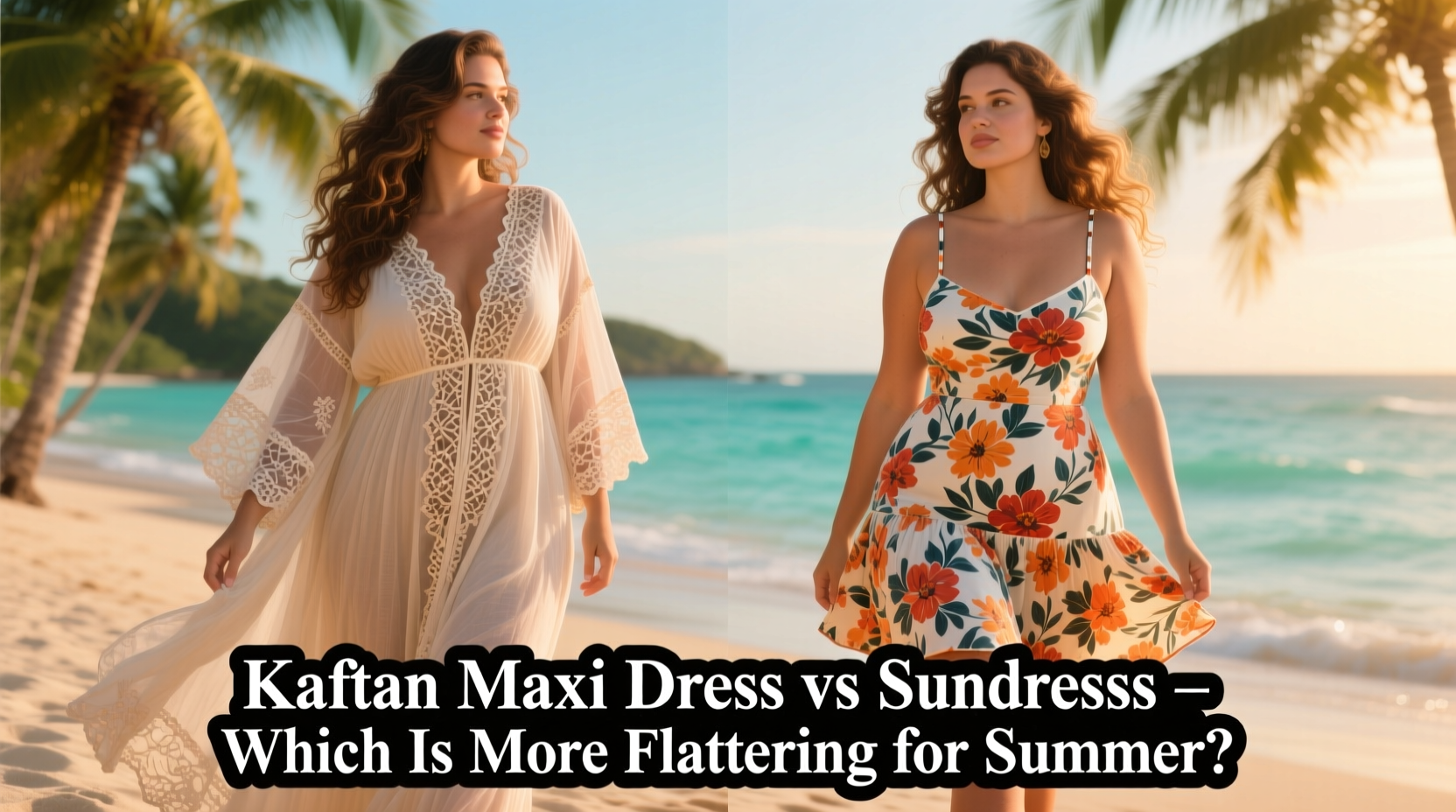
A kaftan maxi dress originates from traditional Middle Eastern and North African attire, historically worn as a loose, flowing garment by both men and women. In modern fashion, the kaftan has evolved into a chic, bohemian-inspired piece often made from lightweight fabrics like cotton voile, chiffon, or rayon. It typically features an open front or deep V-neckline, wide sleeves, and a floor-length silhouette that skims the body without clinging.
What makes the kaftan particularly appealing in summer is its breathability and coverage. The loose fit allows air circulation, keeping you cool even on scorching days. Many designs include intricate embroidery, bold prints, or delicate lace trims, making them ideal for beach cover-ups, resort wear, or evening strolls.
The Classic Sundress: Simplicity Meets Femininity
In contrast, the sundress is a staple of Western warm-weather wardrobes. Typically shorter (falling above or just below the knee), it features a fitted bodice, adjustable straps, and a flared skirt. Made from cotton, linen, or lightweight blends, the sundress emphasizes a natural waistline and offers a more structured silhouette than the kaftan.
Sundresses come in a variety of necklines—square, scoop, halter, or spaghetti strap—and are often adorned with floral prints, gingham, or solid pastels. Their tailored cut celebrates the female form, offering lift and support where needed while maintaining ease of movement.
Because they’re usually more form-fitting, sundresses can highlight curves in a flattering way, especially for hourglass, pear, or apple shapes when designed with thoughtful details like ruching, smocking, or adjustable ties.
Flattering Factors: How Each Dress Performs by Body Type
Not all silhouettes work equally well for every figure. Here’s how the kaftan and sundress compare across common body types:
| Body Type | Kaftan Maxi Dress | Sundress |
|---|---|---|
| Hourglass | Can flatten curves if unbelted; best with cinched waist. | Accentuates natural waist beautifully; highly flattering. |
| Pear Shape | Excellent for balancing hips; flowy hem disguises lower half. | Works well with A-line skirts; avoid tight bodices. |
| Apple Shape | Loose fit hides midsection; opt for V-neck to elongate torso. | Choose empire waist styles; avoid clingy fabrics. |
| Rectangle | Adds softness; belt to create illusion of curves. | Drapey fabrics with ruffles or gathers enhance shape. |
| Plus Size | Breathable and modest; vertical patterns slim visually. | Look for supportive straps and structured bodices. |
“Maxi kaftans offer graceful coverage, but without waist definition, they can wash out petite frames. A well-cut sundress, meanwhile, brings balance through proportion.” — Lena Torres, Fashion Stylist & Body Positivity Advocate
When the Kaftan Wins: Scenarios Where It Shines
The kaftan isn’t just a fashion statement—it’s a functional garment in specific contexts. Consider choosing a kaftan over a sundress if:
- You’re spending extended time at the beach or pool and need a quick, elegant cover-up.
- You prefer modest dressing but still want to stay cool.
- You're attending a destination wedding or cultural event where flowy, dramatic silhouettes are appropriate.
- You have sensitivities to friction or tight clothing—kaftans glide over skin without binding.
For travelers, kaftans are also a packing win: they wrinkle less, layer easily, and transition from day to night with a simple accessory change.
When the Sundress Takes the Lead
The sundress excels in everyday settings where structure and polish matter. Opt for a sundress when:
- You’re going to brunch, shopping, or running errands and want to look put-together.
- You’re petite—shorter hemlines prevent being overwhelmed by fabric.
- You want to highlight your legs or wear cute flats/sandals without fabric pooling around your feet.
- You prefer garments that require less styling effort—most sundresses are “grab and go.”
Modern innovations in stretch cotton and breathable linens have made sundresses more comfortable than ever, even in high humidity.
Real-Life Example: Choosing for a Summer Wedding
Maria, 34, was invited to a seaside wedding in Greece. She’s a size 14 with an apple-shaped body—carrying weight around her midsection but with slender arms and legs. She wanted to look elegant but stay cool under the Mediterranean sun.
She initially considered a floral sundress but found most online options clung too tightly around her waist. After trying on a belted kaftan with a deep V-neck and side slits, she felt both covered and stylish. The lightweight fabric moved with her, and the belt drew attention to her collarbones rather than her stomach. At the event, multiple guests complimented her look, asking where she bought it.
Maria’s experience shows that context and fit trump trends. For her body and occasion, the kaftan was the more flattering choice—even though she’d always associated sundresses with weddings.
Your Summer Dress Checklist: Making the Right Choice
Before purchasing or packing your next summer dress, ask yourself the following:
- What’s the primary activity? Beach lounging favors kaftans; daytime outings favor sundresses.
- Do I want coverage or exposure? Kaftans offer more skin protection and modesty.
- Does my body type benefit from definition or drape? Hourglass figures may prefer structure; rectangular or plus-size bodies often gain shape from draping.
- How easy is care? Kaftans often require hand-washing; cotton sundresses can usually be machine-washed.
- Will I wear it beyond summer? Layerable kaftans work into fall; sundresses are more seasonally limited.
Frequently Asked Questions
Can a short woman wear a kaftan without looking drowned?
Absolutely—but choose a shorter maxi length (just above the ankle) and pair it with wedges or platform sandals. Avoid overly large prints; vertical stripes or solid colors help elongate the frame.
Are sundresses outdated?
No. Sundresses remain a timeless summer essential. Modern updates—like puff sleeves, square necklines, and eco-friendly fabrics—keep them fresh and relevant.
Which is better for sun protection?
Kaftans generally provide more UV protection due to their longer sleeves and full coverage. Look for UPF-rated fabrics if you’ll be in direct sunlight for hours.
Final Verdict: It’s Not One-Size-Fits-All
So, which is more flattering—the kaftan maxi dress or the sundress? The truth is, neither universally wins. The most flattering summer dress is the one that aligns with your body, lifestyle, and confidence level.
If you crave freedom, modesty, and a touch of exotic elegance, the kaftan delivers. If you love celebrating your shape, showing off your legs, and enjoying a retro-chic vibe, the sundress is your ally.
Many women find that owning both gives them versatility: a kaftan for lazy beach days and a sundress for coffee dates or garden parties. The key is tailoring each to your form—belt the kaftan, size the sundress correctly, and prioritize fabric quality.




 浙公网安备
33010002000092号
浙公网安备
33010002000092号 浙B2-20120091-4
Comments
No comments yet. Why don't you start the discussion?