
When it comes to kawaii fashion accessories, few items spark as much joy as plush keychains and mini backpacks. Both are staples in Japanese streetwear, anime-inspired fashion, and everyday cuteness culture. But when you're choosing between a soft, huggable plush keychain and a tiny, functional backpack, how do you decide? Is one objectively cuter? Does the other win on practicality? The answer depends on your lifestyle, aesthetic preferences, and how you define usefulness.
This article breaks down both options with real-world insights, comparing design, utility, emotional appeal, and long-term value—so you can make a choice that aligns with both your heart and your daily routine.
The Aesthetic Appeal: What Makes Something “Cute”?
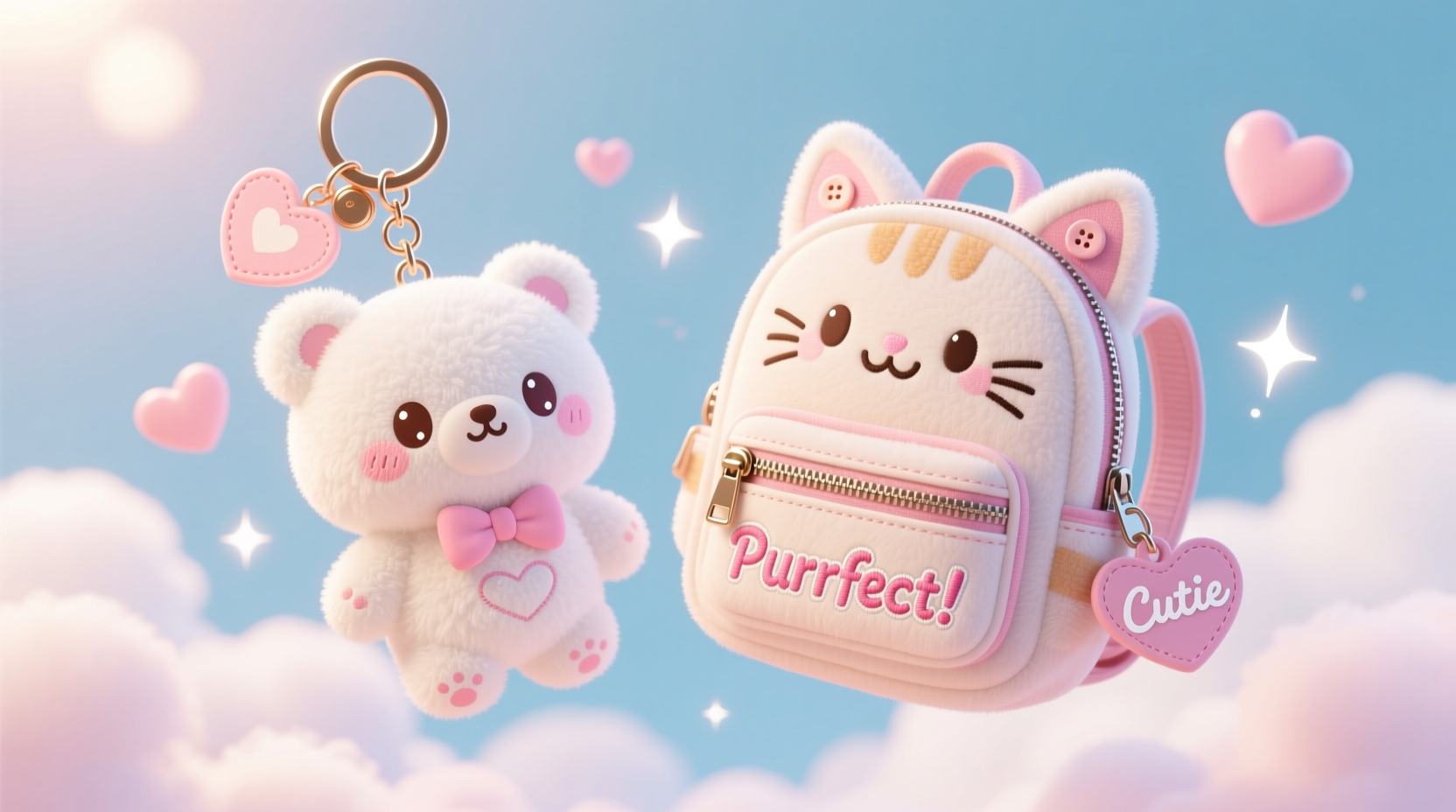
Cuteness, or *kawaii*, isn’t just about appearance—it’s an emotional response. In Japanese pop culture, kawaii centers around childlike innocence, soft textures, bright colors, and exaggerated features like oversized eyes or tiny limbs. Both plush keychains and mini backpacks tap into this psychology, but in different ways.
Plush keychains often feature beloved characters—think Sanrio’s Cinnamoroll, Pokémon, or original mochi-style animals. Their small size and fuzzy texture make them instantly touchable and comforting. They dangle from bags or keys, adding a playful pop of personality without demanding attention.
Mini backpacks, on the other hand, offer a bolder statement. Whether shaped like a cat, a cupcake, or a pastel cloud, they turn functionality into fashion. Their larger surface area allows for intricate embroidery, 3D ears, or even light-up details. While still undeniably cute, they lean toward performative charm—they’re meant to be seen.
“Cuteness in accessories works best when it feels personal. A plush keychain can be an intimate comfort object, while a mini backpack is wearable art.” — Lina Takahashi, Tokyo-based fashion curator
Functionality Face-Off: What Can Each Actually Do?
Usefulness is where these two accessories diverge sharply. Let’s assess based on real-world performance.
| Feature | Plush Keychain | Mini Backpack |
|---|---|---|
| Carrying Capacity | None (decorative only) | 1–3 small items (phone, wallet, keys) |
| Portability | Always attached; no extra effort | Must be carried separately |
| Durability | Prone to wear from friction and washing | Sturdier materials; zippers and straps built for use |
| Versatility | Can be used on keys, bags, zippers | Limited to shoulder/waist carry |
| Maintenance | Hard to clean; spot cleaning recommended | Easier to wipe down or hand wash |
The mini backpack clearly wins in terms of utility. It replaces a small crossbody or clutch in casual settings—perfect for concerts, shopping trips, or days when you want to travel light. Some models even include padded compartments for earbuds or cards.
Plush keychains, by contrast, serve no logistical purpose beyond holding keys together. Yet their emotional utility shouldn’t be underestimated. Many users report that fidgeting with a soft keychain reduces anxiety during commutes or stressful moments. In this sense, their “usefulness” lies in mental wellness rather than physical function.
Real-Life Scenario: Two Days in the Life
Case Study: Mika, 24, student and part-time illustrator
Mika owns both a strawberry-shaped plush keychain and a pastel pink bunny-eared mini backpack. On exam days, she attaches the keychain to her tote—its softness gives her something to squeeze during study breaks. “It’s silly, but I feel calmer knowing it’s there,” she says.
On weekends, she swaps to the mini backpack. “I don’t want to lug my big bag around cafes or flea markets. The mini backpack fits my phone, sketchbook, and lip balm. Plus, people always compliment it.”
For Mika, neither item is superior—each serves a distinct role. The keychain supports her emotionally; the backpack supports her logistically.
How to Choose Based on Your Lifestyle
Your daily habits should guide your decision. Ask yourself these questions:
- Do you frequently walk or commute with multiple bags?
- Are you prone to losing keys?
- Do you prioritize self-expression in your outfits?
- How important is carrying essentials hands-free?
If you already carry a large purse or backpack, a plush keychain adds charm without clutter. It keeps your keys visible and tactile, reducing the chance of misplacement. Its low profile means it won’t get caught on doors or snag in crowds.
If you often go out with just the basics—phone, ID, cash—a mini backpack becomes a functional necessity disguised as fun. It distributes weight across your shoulders, avoids strain, and eliminates the need to dig through a larger bag.
Step-by-Step Decision Guide
- Assess your daily load: List what you carry daily. If it exceeds three small items, lean toward the mini backpack.
- Evaluate your bag usage: If you already have a primary bag, a keychain enhances it. If you often go bag-free, consider the mini backpack as your main carrier.
- Consider durability needs: Plush toys degrade faster with frequent handling. If you’re rough on accessories, choose the sturdier option.
- Reflect on emotional value: Do you respond to tactile comfort? A plush keychain may soothe stress.
- Match to your style: Pastel streetwear? Go mini backpack. Minimalist with a hint of whimsy? Plush keychain.
Longevity and Care Tips
Both items require care to stay cute over time, but their maintenance differs significantly.
Mini backpacks made from synthetic leather or polyester can usually be wiped down with a disinfectant wipe. Avoid prolonged sun exposure to prevent color fading. Store both in a cool, dry place—never crumpled at the bottom of a drawer.
Over time, plush keychains may lose fluffiness or develop loose threads. Mini backpacks may experience zipper wear or strap loosening. Regular inspection helps catch issues early.
FAQ
Can I use a mini backpack as my only bag?
Yes—if your essentials fit. Most mini backpacks hold a smartphone, wallet, keys, and small cosmetics. They’re ideal for short outings, festivals, or running errands. For longer trips or workdays, pair it with a larger bag or use it as a crossbody pouch.
Are plush keychains only for kids?
No. Kawaii culture spans all ages. Adults use plush keychains for self-expression, nostalgia, or sensory comfort. In Japan, office workers often attach small charms to lanyards or briefcases as a form of quiet rebellion against formal dress codes.
Do mini backpacks come in waterproof materials?
Many do. Look for PVC-coated fabrics, ripstop nylon, or TPU-laminated exteriors. These resist rain and spills, making them suitable for outdoor events or travel.
Checklist: Before You Buy
- ✅ Measure your daily essentials against the mini backpack’s interior
- ✅ Check stitching quality—especially on plush seams and backpack zippers
- ✅ Confirm material safety (non-toxic dyes, hypoallergenic fabric if sensitive)
- ✅ Read reviews for durability feedback
- ✅ Decide whether cuteness or utility is your priority
Conclusion
So, which is cuter and more useful—the kawaii plush keychain or the mini backpack? The truth is, they fulfill different roles. The plush keychain wins on emotional charm and effortless integration into your existing life. The mini backpack triumphs in practicality, versatility, and bold self-expression.
Ultimately, “cuter” is subjective, and “more useful” depends entirely on context. You might even find, like many kawaii enthusiasts, that you don’t have to choose. Own both. Let the keychain comfort you on stressful days, and let the backpack carry your world—one adorable step at a time.




 浙公网安备
33010002000092号
浙公网安备
33010002000092号 浙B2-20120091-4
Comments
No comments yet. Why don't you start the discussion?