
When it comes to carrying essential items like keys, ID badges, or access cards, two common solutions dominate everyday use: keychain pendants and lanyards. Both have loyal followings and distinct advantages, but determining which is more practical depends on context—your lifestyle, profession, environment, and personal preferences. While a keychain pendant may seem sleek and compact, a lanyard offers hands-free convenience and visibility. This article breaks down both options with real-world insights, expert opinions, and structured comparisons to help you make an informed decision.
Durability and Longevity
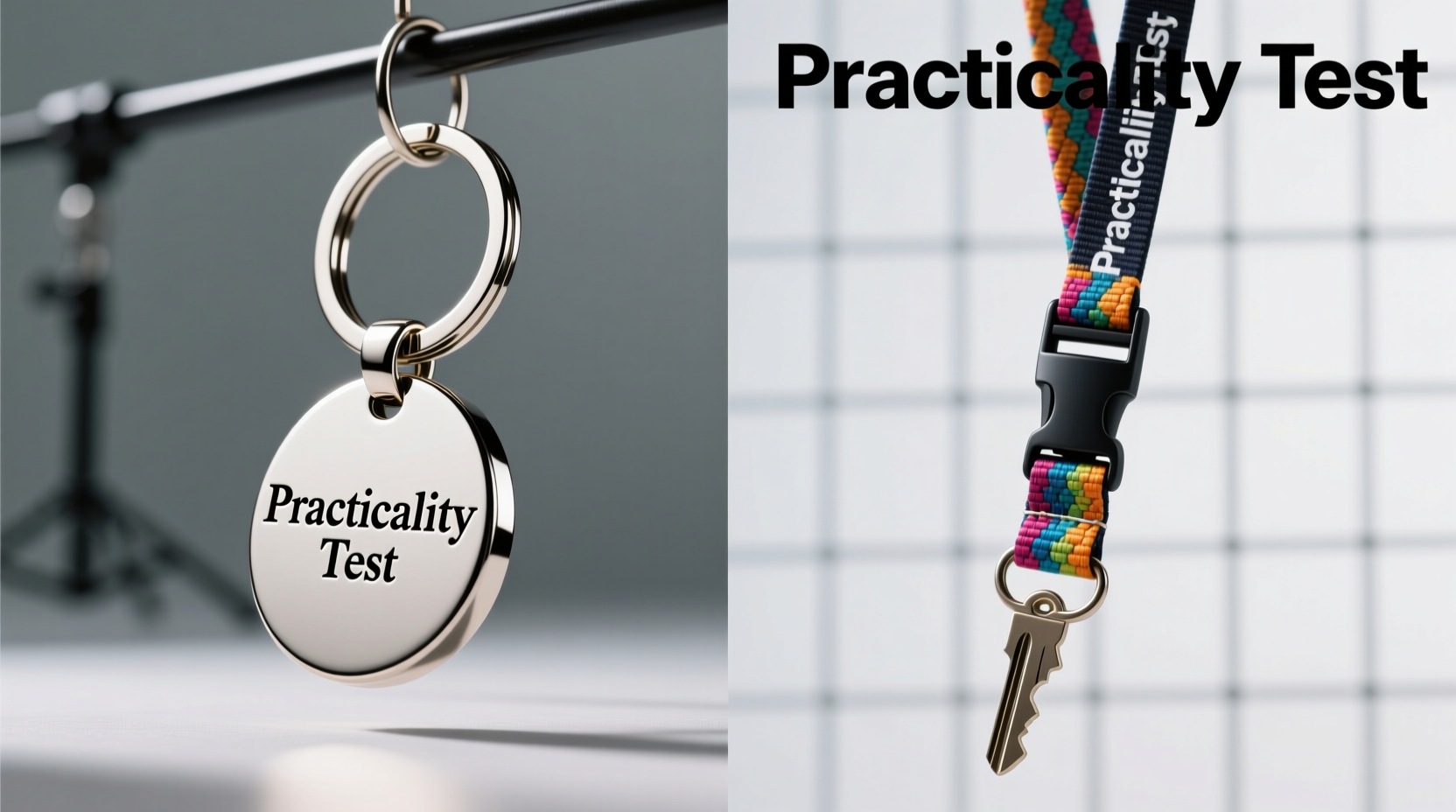
Durability is a primary factor in assessing practicality. A device that breaks or wears out quickly defeats its purpose, no matter how convenient it initially seems.
Keychain pendants, typically made of metal, plastic, or silicone, are compact and often built to last. Metal pendants resist wear from friction and weather better than softer materials. However, the weakest link in most keychains is the split ring or attachment point, which can bend or snap under stress—especially when loaded with multiple keys.
Lanyards, usually constructed from polyester, nylon, or woven fabric, vary widely in quality. Budget lanyards fray at the edges or stretch over time, particularly if exposed to moisture or constant tugging. High-quality lanyards with reinforced stitching and breakaway clasps offer better longevity and safety, especially in industrial or medical settings.
Accessibility and Daily Use
How quickly and easily you can access your item determines how seamlessly it integrates into your routine.
Keychain pendants are ideal for quick, frequent access. Attached directly to a pocket, bag, or belt loop, they allow users to grab keys or fobs instantly. Their small footprint makes them unobtrusive during activities like running, cycling, or commuting through crowded spaces.
In contrast, lanyards excel in environments where immediate visual identification is required. Office workers, event staff, hospital personnel, and students often wear lanyards around their necks to keep ID badges visible and accessible. The downside? Reaching for a lanyard-held item requires two hands and can feel awkward in tight quarters.
For people who frequently switch between tasks—unlocking doors, scanning badges, handling tools—a lanyard keeps everything within reach without digging through pockets. But for those prioritizing minimalism and speed, a well-designed keychain pendant wins on efficiency.
Real-World Example: Hospital Staff Routine
Sarah, a nurse at a regional medical center, carries her access badge, penlight, and room key daily. Initially using a standard keychain, she found herself constantly removing her badge from her scrubs pocket during patient rounds. After switching to a retractable badge reel on a lanyard, she reduced retrieval time by nearly 70%. “I don’t have to stop walking to check IDs anymore,” she says. “The lanyard pays off in seconds saved every hour.”
“Time savings compound over a shift. In high-motion jobs, reducing micro-delays improves both productivity and focus.” — Dr. Marcus Lin, Ergonomics Researcher at Boston Health Institute
Security and Risk of Loss
Practicality also involves minimizing risk—of loss, theft, or damage.
Keychain pendants are less likely to be left behind because they’re physically attached to another essential (like house or car keys). If you forget your keys, you notice immediately. This built-in redundancy reduces the chance of losing just the pendant or fob.
Lanyards, however, are prone to being set aside. It’s common to remove them when stepping out for lunch, attending meetings, or entering secure zones. Forgotten on desks or chairs, lanyards go missing far more often than keychains. A 2022 workplace audit at a tech firm revealed that employees lost an average of 1.8 lanyards per year—mostly due to temporary removal.
That said, lanyards with locking clips or tethered reels reduce detachment risks. Some models include RFID shielding to prevent digital cloning of access cards, adding a layer of cybersecurity that keychain pendants rarely offer unless specifically designed for it.
Comfort and Wearability
How something feels over extended periods affects long-term usability.
Keychain pendants are generally comfortable because they stay out of the way. When clipped to a belt or bag strap, they distribute weight naturally and don’t interfere with movement. However, heavy multi-key setups can cause discomfort or pull on fabric over time.
Lanyards introduce ergonomic trade-offs. Worn around the neck, they can cause neck strain, especially with bulky attachments. In hot or humid climates, synthetic lanyards trap sweat and become sticky. Some users report chafing or allergic reactions to low-grade dyes in cheaper materials.
Alternatives like wrist lanyards or cross-body straps improve comfort while retaining accessibility. These hybrids combine the visibility of a lanyard with the mobility of a keychain, offering a middle ground for active professionals.
Comparison Table: Keychain Pendant vs Lanyard
| Feature | Keychain Pendant | Lanyard |
|---|---|---|
| Durability | High (especially metal); weak link is split ring | Moderate to high; depends on material and stitching |
| Accessibility | Fast, one-hand access | Visible and reachable, but may require two hands |
| Risk of Loss | Low (attached to keys) | High (often removed and forgotten) |
| Comfort | High (when lightweight) | Variable (can cause neck strain or sweating) |
| Best For | Personal keys, minimalists, active users | Workplace IDs, events, frequent scanners |
| Security Features | Limited unless RFID-shielded | Often includes breakaway clips, RFID blocking |
Step-by-Step: Choosing the Right Option for Your Needs
- Assess your primary use case: Are you carrying keys, an access card, or both?
- Evaluate frequency of access: Do you need it dozens of times a day (favor lanyard) or only occasionally (favor keychain)?
- Consider your environment: Office settings favor lanyards; outdoor or athletic use favors pendants.
- Test comfort over time: Try each option for three days and note any irritation or inconvenience.
- Check organizational policies: Some workplaces mandate lanyards for compliance or branding.
- Factor in backup plans: Can you afford to lose the item? If not, prioritize retention (e.g., keychain + duplicate).
Frequently Asked Questions
Can I use both a keychain and a lanyard together?
Absolutely. Many people attach a keychain pendant to their lanyard, combining the benefits of both. This setup keeps keys secure while maintaining badge visibility. Just ensure the combined weight doesn’t strain the lanyard clip.
Are lanyards safe for children or active jobs?
Standard neck lanyards pose entanglement risks in machinery or playground equipment. For kids or industrial roles, opt for retractable reels, wristbands, or clip-on alternatives with breakaway safety features.
Which option is more professional-looking?
Appearance depends on design, not type. A sleek metal keychain pendant looks polished in casual settings, while a branded lanyard conveys authority and readiness in corporate or service roles. Match the style to your environment.
Final Recommendation: Context Is King
There’s no universal winner in the keychain pendant vs lanyard debate. Practicality isn’t about which is objectively better—it’s about which works best for your life.
If you value discretion, speed, and lower risk of loss, a keychain pendant is likely your best bet. It’s the minimalist’s choice, blending into daily routines without drawing attention.
If your role demands visibility, frequent access, and compliance with ID policies, a lanyard delivers unmatched utility. It transforms a simple card into a functional tool, streamlining workflows in fast-paced environments.
For maximum flexibility, consider rotating based on context: a lanyard at work, a keychain pendant during errands or exercise. Hybrid solutions—like badge reels on removable clips—offer adaptability without compromise.
“The most practical tool isn’t always the most advanced—it’s the one you actually use correctly, every single day.” — Lena Torres, Productivity Consultant
Take Action Today
Don’t let small accessories create daily friction. Audit how you currently carry your essentials. Is it slowing you down? Causing discomfort? Leading to lost items? Make one change this week—swap your flimsy lanyard for a reinforced model, or consolidate loose keys onto a secure pendant. Small adjustments compound into meaningful gains in efficiency and peace of mind.




 浙公网安备
33010002000092号
浙公网安备
33010002000092号 浙B2-20120091-4
Comments
No comments yet. Why don't you start the discussion?