
In a world where minimalism meets functionality, the debate between keychain purses and traditional wallets isn't just about style—it's about practicality. Both claim to simplify daily life, but they serve different needs in distinct ways. One prioritizes compactness and attachment to essentials; the other focuses on organization and storage capacity. So, which one truly wins for everyday use?
The answer depends on your lifestyle, how much you carry, and what kind of access you need throughout the day. Let’s break down the strengths and weaknesses of each, backed by real-world usage patterns, design insights, and expert observations.
Understanding the Basics: What Each Item Offers
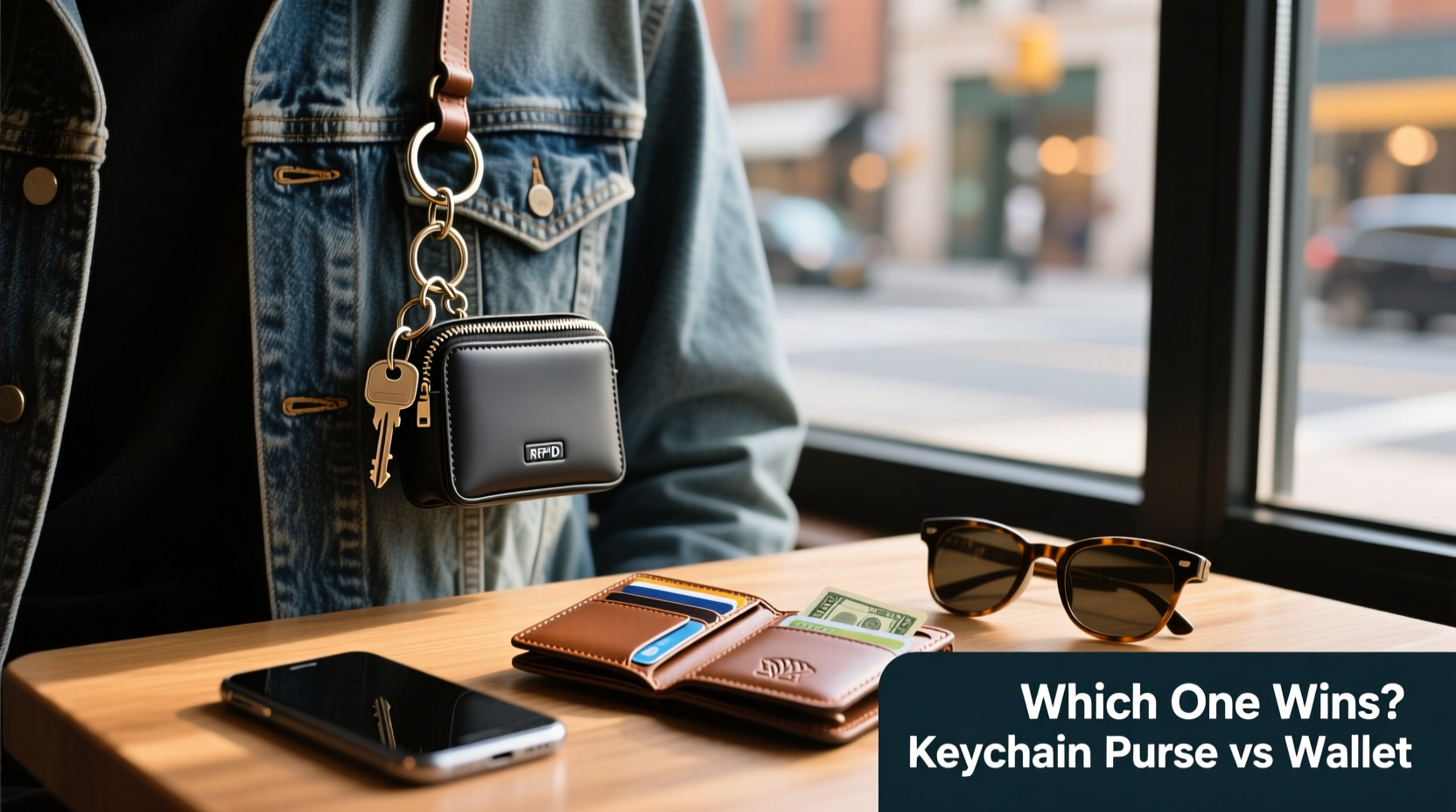
A **keychain purse**—also known as a cardholder key fob or mini pouch—is typically small enough to clip directly onto your keys. It usually holds 2–6 cards and maybe a few folded bills. Its main selling point is convenience: no extra pocket needed, always attached to something you already carry.
A **traditional wallet**, whether bi-fold, tri-fold, or long wallet, offers structured compartments for cards, cash, IDs, and sometimes coins. Most fit comfortably in back or front pockets and are designed for durability and organized access.
While both aim to keep your essentials secure and accessible, their design philosophies differ significantly. The keychain purse leans into minimalist trends; the wallet embraces utility through organization.
Comparative Analysis: Key Factors That Matter
To determine which option is more useful for everyday scenarios, consider these five critical factors:
- Portability & Attachment: Keychain purses win here. Since they’re clipped to your keys, there’s less risk of leaving them behind. You’re unlikely to walk out without your keys, so your payment method stays with you.
- Capacity & Organization: Wallets dominate. With dedicated slots for IDs, credit cards, receipts, and cash, they offer far better structure. Keychain purses often force you to stack cards loosely, making retrieval awkward.
- Security: Surprisingly close. A well-designed keychain purse reduces loss risk because it’s tethered. However, if your keys get stolen, everything goes. Wallets can be misplaced easily but aren’t tied to another high-theft item.
- Pocket Comfort: Keychain purses eliminate bulk when carried separately, especially if you go key-free via smart locks. But when clipped to heavy keys, they can dig into your pocket. Wallets, particularly slim ones, provide smoother ergonomics.
- Durability & Build Quality: Traditional wallets generally use sturdier materials (full-grain leather, reinforced stitching) and last years longer. Many keychain purses are made from lighter synthetics or thin leather due to size constraints.
Real-World Use Case: Commuter vs Urban Minimalist
Consider two common lifestyles:
- The Daily Commuter: Sarah takes public transit, carries a backpack, uses multiple transit cards, keeps receipts, and likes having cash on hand for street vendors. She also values quick access without digging through layers. For her, a well-organized bi-fold wallet with a transparent ID window and cash sleeve makes sense. Trying to fit all this into a keychain purse would mean constant shuffling and frustration.
- The Urban Minimalist: James lives in a walkable neighborhood, uses contactless payments 90% of the time, owns a smart lock system, and rarely carries more than two cards and a $20 bill. He hates bulky pockets and prefers grabbing just his keys and phone. His ideal solution? A sleek keychain cardholder that integrates seamlessly with his existing routine.
This contrast shows that usefulness isn’t universal—it’s contextual. There’s no single “best” choice, only the best fit for your habits.
Side-by-Side Comparison Table
| Feature | Keychain Purse | Traditional Wallet |
|---|---|---|
| Size & Bulk | Extremely compact | Moderate to bulky |
| Card Capacity | 2–6 cards (tight fit) | 6–15+ cards (organized) |
| Cash Storage | Limited (1–2 folded bills) | Full bills + coin options |
| Attachment Security | High (tied to keys) | Low (easily left behind) |
| Durability | Moderate (lightweight materials) | High (reinforced builds) |
| Pocket Feel | Good if separate; poor if bulky keys | Depends on model—slim versions excel |
| Ideal User | Minimalists, key-carriers, tech-savvy users | Professionals, parents, frequent cash users |
Expert Insight: Designers Weigh In
“People overestimate how much they need daily. But underestimating access speed leads to friction. The keychain purse works only if your entire ecosystem supports minimal carry.” — Lena Torres, Product Designer at CarryWell Co.
“A wallet isn’t outdated—it’s optimized. When done right, it balances protection, access, and longevity better than any fad accessory.” — Marcus Reed, Industrial Designer specializing in EDC (Everyday Carry) gear
These perspectives highlight a crucial truth: convenience isn’t just about size. It’s about integration with your environment, routines, and expectations.
Actionable Checklist: Choosing What Works for You
Before deciding, ask yourself the following. Check off what applies:
- ✅ Do I regularly carry more than four cards?
- ✅ Do I use cash more than once a week?
- ✅ Am I prone to losing small items?
- ✅ Do I want my keys and payment always together?
- ✅ Is pocket bulge a major concern?
- ✅ Do I travel or commute with layered clothing?
If most checked items lean toward carrying more and needing reliability, a quality slim wallet is likely your best bet. If you're checking mostly the latter half—especially attachment and minimalism—a keychain purse could streamline your life.
Frequently Asked Questions
Can a keychain purse replace a wallet completely?
For some, yes—if you rely heavily on digital payments, carry minimal physical cards, and don’t handle cash often. However, during emergencies, travel, or visits to rural areas, lack of flexibility can become a problem. Most users find it better as a secondary option.
Are keychain purses safe from theft?
They reduce accidental loss but increase vulnerability if your keys are stolen. Unlike wallets, which might be left behind, a keychain purse gives thieves immediate access to both entry points (home/car) and payment methods. Consider using a secondary set of keys for your keychain carry.
What’s the average lifespan of each?
A well-maintained leather wallet lasts 5–10 years. Keychain purses, due to constant jostling with keys and smaller construction, average 1–3 years unless made from premium materials like titanium or ballistic nylon.
Final Verdict: Which Is Actually More Useful?
The keychain purse excels in specific niches: ultra-light carry, tech-forward lifestyles, and situations where every ounce counts. It shines when paired with smartphones, smartwatches, and digital wallets. But its limitations in capacity, comfort (when chained to heavy keys), and versatility make it impractical as a primary solution for most people.
The traditional wallet, especially modern slim versions, remains more universally useful. Advances in RFID-blocking materials, quick-access card slots, and front-pocket ergonomic designs have addressed many historical complaints. It adapts to diverse environments—from business meetings to weekend errands—without compromise.
In short: if you value adaptability, security variety, and preparedness, the wallet still wins. But if you’ve fully embraced minimalism and digital living, the keychain purse offers a clever, space-saving alternative.




 浙公网安备
33010002000092号
浙公网安备
33010002000092号 浙B2-20120091-4
Comments
No comments yet. Why don't you start the discussion?