
Bringing a new kitten into your home is joyful, but challenges can arise—especially when your little feline avoids the litter box. This behavior is common, but it shouldn’t be ignored. Whether your kitten is eliminating outside the box or refusing to use it altogether, understanding the root cause is key to solving the issue. With patience, observation, and consistent training, most kittens can be guided back to proper bathroom habits.
Common Reasons Kittens Avoid the Litter Box
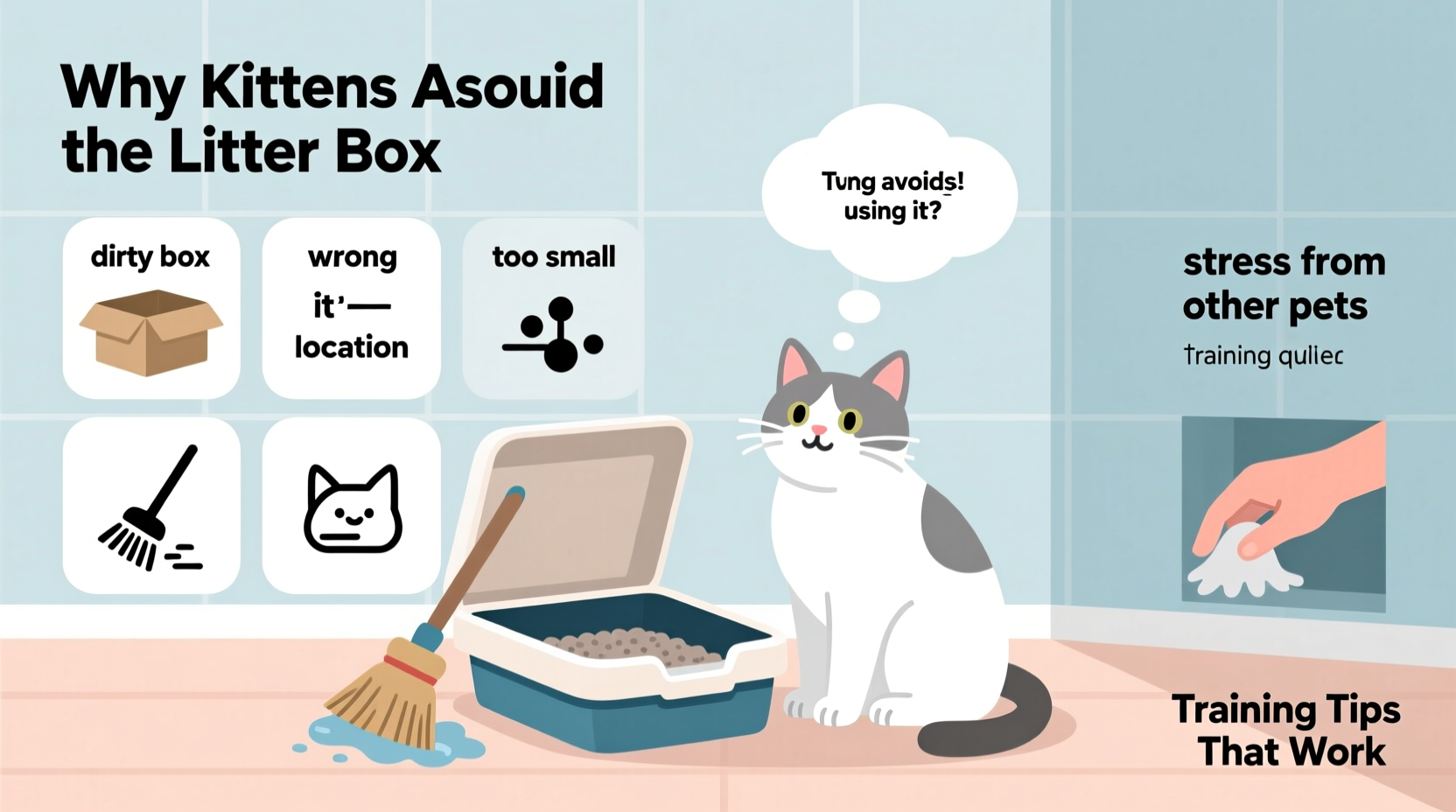
Kittens may avoid the litter box for medical, behavioral, or environmental reasons. Identifying the underlying cause is the first step toward resolution.
- Medical issues: Urinary tract infections, diarrhea, constipation, or pain while urinating can make a kitten associate the litter box with discomfort.
- Litter preference: Some kittens dislike certain textures, scents, or depths of litter. Scented or dusty litters are often off-putting.
- Box location: A litter box in a noisy, high-traffic, or hard-to-reach area may deter use.
- Cleanliness: Cats are fastidious. A dirty or infrequently scooped box can prompt avoidance.
- Stress or change: Moving homes, new pets, loud noises, or routine disruptions can trigger anxiety-related elimination.
- Number of boxes: The general rule is one box per cat plus one extra. In multi-level homes, accessibility matters.
Step-by-Step Guide to Litter Box Training
Most kittens naturally gravitate toward litter boxes, but some need guidance. Follow this structured approach to build reliable habits.
- Choose the right litter box: Use a low-sided box so your kitten can easily climb in. Avoid covered boxes initially—they can feel confining.
- Pick an appropriate litter: Unscented, clumping clay litter is widely accepted. Avoid liners or heavily perfumed types.
- Place boxes strategically: Start with one near where the kitten sleeps and another in a quiet, accessible area on each floor.
- Introduce the kitten: Gently place your kitten in the box after meals, naps, or play sessions. Let them explore without pressure.
- Encourage with praise: When they use the box correctly, speak softly and offer gentle affection—never force or punish.
- Maintain cleanliness: Scoop daily and fully change litter weekly. Wash the box monthly with mild soap and water.
- Monitor progress: Keep a log of eliminations to track patterns and setbacks.
“Consistency and positive reinforcement are the cornerstones of successful litter training. Never punish a kitten for accidents—it creates fear and worsens the problem.” — Dr. Lena Reyes, Feline Behavior Specialist
Do’s and Don’ts: Litter Box Management Table
| Do’s | Don’ts |
|---|---|
| Use unscented, fine-grained litter | Use strong-smelling or citrus-scented cleaners |
| Keep boxes in quiet, accessible locations | Place boxes next to loud appliances (washer, furnace) |
| Scoop waste at least once daily | Let waste accumulate for days |
| Have multiple boxes in multi-cat homes | Rely on just one box regardless of home size |
| Gradually transition litter types if needed | Suddenly switch litter brands or textures |
Real Example: Overcoming Litter Box Avoidance
Sophie, a 10-week-old tabby, was adopted into a busy household with two young children. Within days, she began urinating behind the couch. Her owners were frustrated, assuming she wasn’t trained. After a vet visit ruled out infection, they observed her behavior closely. They noticed Sophie approached the litter box but backed away quickly. The box was in the basement near a noisy furnace and used a strongly scented pine pellet litter.
The family moved a clean, uncovered box with unscented clumping litter to a quiet corner of the living room. They placed Sophie in the box gently after meals and praised her quietly when she used it. Within three days, she consistently used the box. The old spot was cleaned with an enzymatic cleaner to remove odor cues. By addressing environment and stress—not punishment—they resolved the issue in under a week.
Checklist: Troubleshooting Litter Box Problems
Use this checklist to systematically address and resolve litter box issues:
- ✅ Rule out medical problems with a vet visit
- ✅ Evaluate litter type and switch to unscented, soft clumping litter if needed
- ✅ Ensure the box has low sides for easy access
- ✅ Place boxes in quiet, low-traffic areas on every floor
- ✅ Maintain daily scooping and weekly full changes
- ✅ Provide one more box than the number of cats
- ✅ Clean accidents thoroughly with enzymatic cleaner
- ✅ Minimize household stressors during training
- ✅ Monitor for signs of improvement or regression
- ✅ Consult a feline behaviorist if problems persist beyond 2–3 weeks
Frequently Asked Questions
Why does my kitten pee in the same spot outside the box?
Kittens return to familiar scent markers. Even after cleaning, residual urine odor can remain detectable to cats. Use an enzymatic cleaner specifically designed for pets to break down organic compounds. Avoid ammonia-based cleaners, which mimic urine smell.
Can I train a kitten to use the toilet instead of a litter box?
While possible, toilet training is generally not recommended. It requires extensive time, consistency, and may increase stress. Most experts advise sticking with a litter box, as it aligns with natural feline instincts and ensures accessibility at all times.
My kitten uses the box for poop but not pee—what gives?
This often indicates a preference issue. The kitten may dislike the litter’s texture when standing in it to urinate, or the box might be too dirty. Try offering two boxes—one with different litter or in a different location—to see which one they prefer for urination.
Final Thoughts and Call to Action
Addressing litter box issues early prevents bad habits from becoming ingrained. Remember, your kitten isn’t misbehaving out of spite—there’s always a reason. By combining veterinary insight, environmental adjustments, and compassionate training, you can guide your kitten toward reliable litter use.
Every kitten is different. What works for one may not work for another. Stay patient, observant, and consistent. Small changes often yield big results.




 浙公网安备
33010002000092号
浙公网安备
33010002000092号 浙B2-20120091-4
Comments
No comments yet. Why don't you start the discussion?