
When it comes to equestrian footwear, the line between fashion and function can blur quickly. Knee high boots have become a staple in urban wardrobes—stylish, sleek, and often seen on city streets and social media feeds. Riding boots, on the other hand, are designed with performance in mind. But when you're actually in the saddle, which pair should you trust? Is style compromising safety and effectiveness? The answer isn’t as simple as “just wear what looks good.” For riders who value both comfort and capability, understanding the functional differences between knee high and riding boots is essential.
The Functional Purpose of Equestrian Footwear
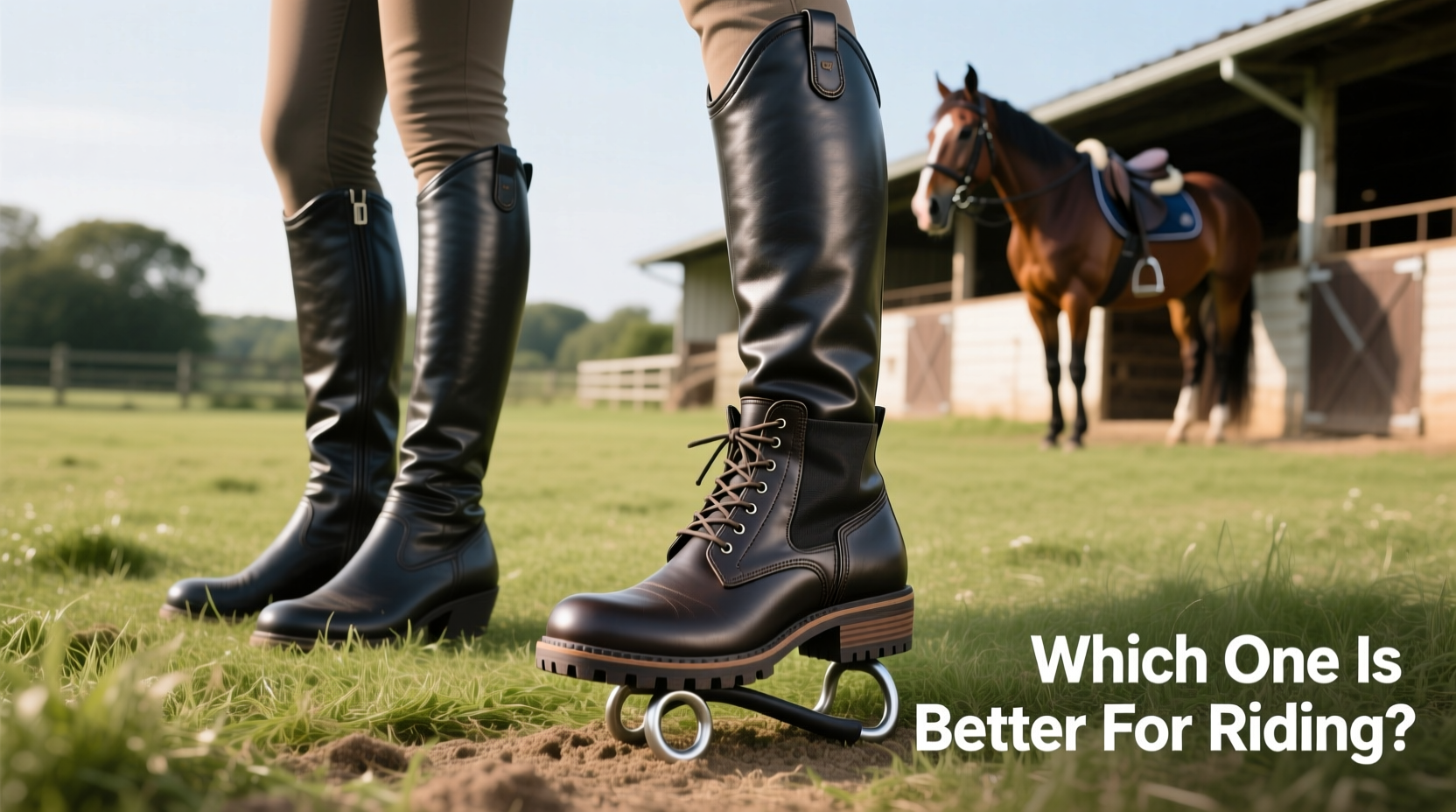
Equestrian boots aren't merely about aesthetics—they serve critical roles in rider safety, control, and long-term joint health. A proper riding boot protects the foot and ankle from injury, prevents the foot from slipping through the stirrup, and provides stability during mounting, dismounting, and riding at various gaits.
The heel on a riding boot is specifically designed to catch the stirrup bar, reducing the risk of the foot becoming trapped in case of a fall. This seemingly small feature can be life-saving. Additionally, the shaft height influences leg grip, calf support, and protection from chafing against the saddle or stirrup leathers.
“Footwear is one of the most overlooked pieces of safety gear in riding. A misplaced heel or inadequate ankle support can compromise balance and increase injury risk.” — Dr. Rebecca Langley, Equine Sports Medicine Specialist
Knee High Boots: Style Over Substance?
Knee high boots—often made from fashion-grade leather, synthetic materials, or stretch fabrics—are popular for their versatility and aesthetic appeal. They extend above the knee, typically ending 2–4 inches below, and are commonly worn with skirts, dresses, or skinny jeans. While they may resemble tall riding boots, their construction differs significantly.
Most knee high boots lack key equestrian features:
- No defined riding heel (often flat or block-heeled)
- Soft soles that compress under pressure
- Flexible shafts that offer little ankle or calf support
- Potential for excess material bunching around the knee, causing discomfort or pinching
Wearing knee high fashion boots while riding increases the risk of foot entrapment, poor alignment in the stirrup, and reduced communication with the horse due to inconsistent leg contact. Even if laced tightly, they don’t provide the snug, anatomical fit required for effective riding.
Riding Boots: Engineered for Performance
True riding boots are built with precision and purpose. Whether field, dress, or paddock style, they incorporate design elements that enhance safety and performance. Traditional tall riding boots reach just below the knee and are constructed with firm, structured materials that support the lower leg.
Key features include:
- A minimum 1-inch heel to prevent foot slippage
- Smooth, low-friction outer surface to reduce saddle drag
- Reinforced toe and heel caps for durability and protection
- Stiff sole to maintain proper stirrup placement
- Ankle support to minimize strain during extended rides
Modern riding boots also integrate breathable linings, moisture-wicking fabrics, and ergonomic lasts (foot molds) for all-day comfort. Some models even include elastic panels for improved flexibility without sacrificing structure.
Different Types of Riding Boots
- Tall Field Boots: Ideal for jumping and cross-country. Offer full calf coverage and excellent support.
- Dress Boots: Sleek and polished, used in show disciplines like dressage. Often paired with half-chaps for added grip.
- Paddock Boots: Shorter in height, usually worn with tall socks or half-chaps. Suitable for schooling and stable work.
Comparative Analysis: Knee High vs Riding Boots
| Feature | Knee High Fashion Boots | Riding Boots |
|---|---|---|
| Heel Height & Design | Flat, block, or stiletto—unsafe for stirrups | Minimum 1” angled heel—prevents slippage |
| Sole Stiffness | Soft, flexible—compresses in stirrup | Firm, non-compressible—maintains position |
| Shaft Support | Lax fit, no ankle reinforcement | Structured, supportive around ankle and calf |
| Material Friction | High friction (e.g., suede, fabric)—causes drag | Smooth leather or synthetic—glides smoothly |
| Safety Certification | None | Often meets ASTM/SEI safety standards |
| Best Use Case | Urban wear, fashion events | Horseback riding, training, competition |
Real-World Scenario: The Trail Ride Incident
Consider Sarah, an intermediate rider who decided to wear her new knee high leather boots on a weekend trail ride. Though they looked similar to tall boots, they had a slight platform and soft interior. Midway through the ride, her horse spooked at a fallen branch. As she adjusted her balance, her right foot slipped partially out of the stirrup—and the thick, inflexible sole caught on the stirrup iron. When she instinctively pulled her leg back, the boot didn’t release cleanly. She sustained a minor ankle sprain and was unable to ride for three weeks.
Her instructor later explained that a proper riding boot’s heel and sole design would have allowed her foot to pivot safely out of the stirrup. “It wasn’t the fall that injured her,” the instructor noted. “It was the footwear.”
What to Look for When Choosing Riding Footwear
Selecting the right riding boots involves more than size and color. Prioritize function without sacrificing comfort. Here’s a checklist to guide your purchase:
📋 **Riding Boot Selection Checklist**- ✅ Heel height between 1–1.5 inches, slightly angled backward
- ✅ Smooth, non-textured outer shaft (especially in front of the calf)
- ✅ Firm sole that doesn’t bend easily at the ball of the foot
- ✅ Snug but comfortable fit around ankle and instep
- ✅ Shaft height ends just below the knee when standing
- ✅ Breathable lining to prevent overheating
- ✅ Meets ASTM F2034 or EN13607 safety standards (for U.S. and EU riders)
Try boots on with the same type of sock you’ll wear while riding. Walk, squat, and simulate mounting to test flexibility and comfort. If possible, try them in a stirrup during a fitting session.
Frequently Asked Questions
Can I wear knee high boots if I’m only leading my horse?
If you’re not mounted, the risk is lower—but still present. If the horse pulls away unexpectedly or you trip near the animal, improper footwear can lead to slips or entanglement. For ground work, paddock boots or sturdy ankle boots are safer choices.
Are there any knee high boots that are safe for riding?
Very few. Some hybrid styles marketed as “riding-inspired” come close, but unless they meet official equestrian safety standards (heel, sole, shaft), they shouldn’t be used while mounted. True functionality trumps appearance every time.
Do I need expensive boots to ride safely?
Not necessarily. Quality mid-range boots from reputable equestrian brands often provide excellent safety and durability. Focus on certified features rather than price tag. Second-hand riding boots in good condition can also be a smart, sustainable option—if properly inspected for wear and structural integrity.
Conclusion: Function First, Always
The debate between knee high and riding boots ultimately comes down to intent. If you're dressing for a brunch date or a night out, knee highs are a stylish choice. But if you're preparing to ride, there's no substitute for proper equestrian footwear. Riding boots are engineered to protect, support, and enhance your connection with the horse—not to win fashion points.
Safety in the saddle begins at ground level, and your boots are part of your protective gear, just like a helmet or vest. Choosing function over fleeting trends isn’t about sacrificing personal style; it’s about respecting the partnership between rider and horse, and prioritizing well-being over appearance.




 浙公网安备
33010002000092号
浙公网安备
33010002000092号 浙B2-20120091-4
Comments
No comments yet. Why don't you start the discussion?