
When the temperature drops, few garments are as reliable as a pullover. But not all pullovers are created equal. The choice between knit and fleece can significantly influence how warm you feel, how you look, and even how long the garment lasts. While both materials promise comfort and insulation, their composition, structure, and performance vary in ways that matter—especially if you're layering for outdoor activity or aiming for a polished urban aesthetic.
Understanding the differences goes beyond fabric labels. It's about how each material behaves in real-world conditions, how it ages with wear, and how well it aligns with your lifestyle. Whether you're hiking in damp woods or walking through city streets, the right pullover can be the difference between comfort and discomfort.
Material Composition: What Makes Knit and Fleece Different?
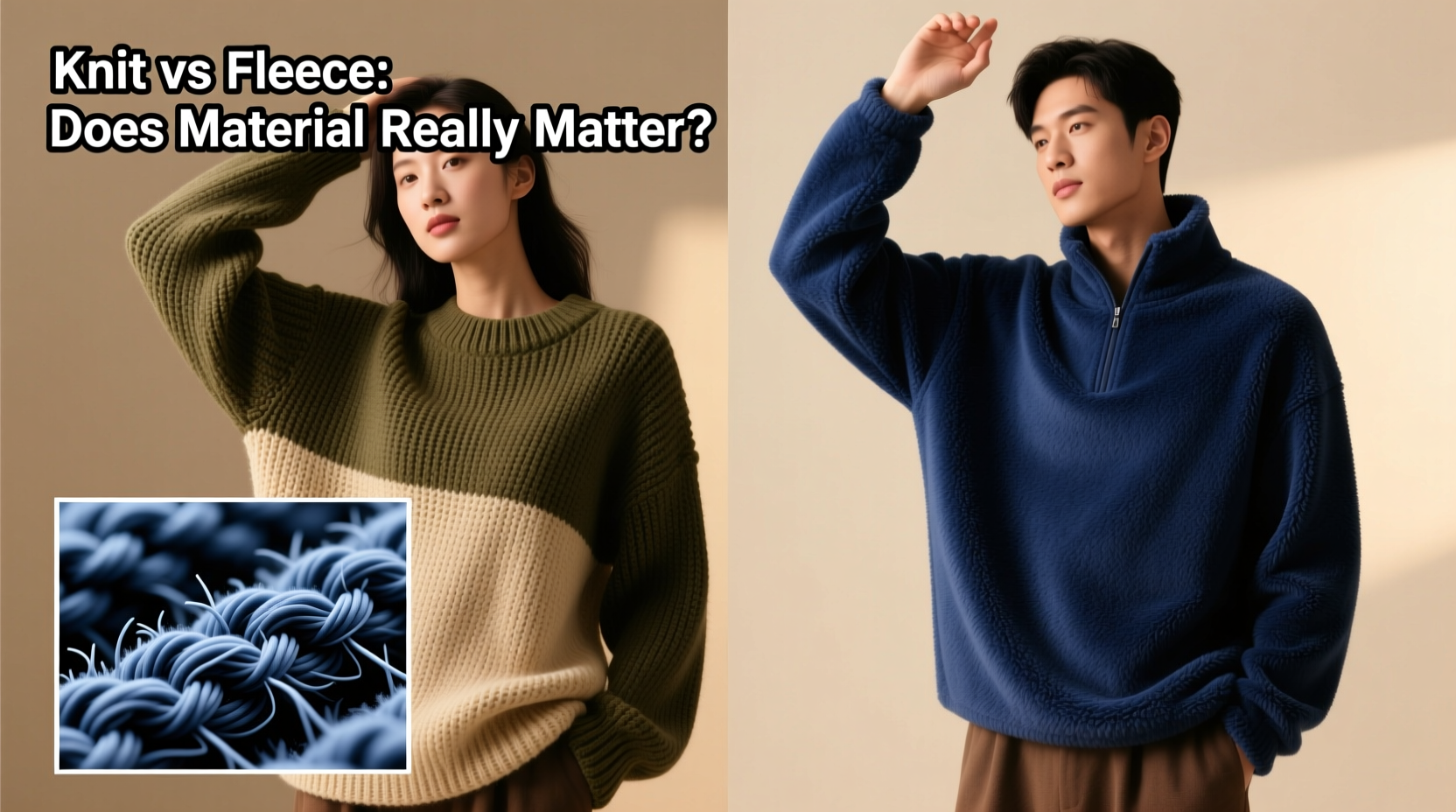
At first glance, both knit and fleece pullovers may appear similar—soft, cozy, and designed to trap heat. However, their base materials and construction methods set them apart fundamentally.
Knit pullovers are typically made from natural fibers like wool, cotton, or blends that include synthetic threads. The term \"knit\" refers to the method of interlocking loops of yarn, which creates a flexible, breathable fabric. Wool-based knits, such as merino or cashmere, are prized for their natural insulation, moisture-wicking ability, and elegant drape.
Fleece pullovers, on the other hand, are almost always made from polyester—a synthetic fiber derived from petroleum. The fabric is brushed during manufacturing to raise fine fibers, creating a soft, napped surface that mimics sheep’s wool. This process traps air efficiently, making fleece an excellent insulator relative to its weight.
The origin of the material affects more than just texture. Natural fibers tend to breathe better and manage moisture more effectively, while synthetics offer durability, quick drying, and resistance to pilling under friction.
Warmth Performance in Real Conditions
Warmth isn’t just about thickness; it’s about how a fabric retains heat, manages moisture, and performs when wet.
Fleece excels in dry environments. Its high loft-to-weight ratio means it traps body heat efficiently without adding bulk. A mid-weight fleece pullover provides substantial warmth for its size and packs down easily, making it ideal for hiking, commuting, or casual layering.
However, fleece has a critical weakness: it absorbs water readily and loses much of its insulating power when wet. Unlike wool, polyester doesn’t wick moisture away from the skin effectively, so when you sweat, the fabric can feel clammy and cold.
Knit fabrics, especially those made from wool, perform far better in damp conditions. Wool can absorb up to 30% of its weight in moisture without feeling wet—and crucially, it continues to insulate even when damp. This makes wool knits a superior choice for rainy climates or high-exertion activities where perspiration is inevitable.
“Fleece is great for dry, cold days, but if there’s any chance of rain or snow, wool will keep you warmer and more comfortable.” — Dr. Lena Torres, Textile Scientist at Alpine Performance Labs
Style and Aesthetic Versatility
Beyond function, appearance plays a major role in choosing a pullover. Style preferences often determine whether a garment gets worn regularly—or stays folded in a drawer.
Knit pullovers offer a broader range of visual appeal. From chunky cable-knit designs to sleek turtlenecks, they transition seamlessly from casual to semi-formal settings. Wool and cotton knits drape elegantly, maintain shape over time, and pair well with tailored trousers or jeans alike. Their textured surfaces add depth to an outfit, making them a favorite in minimalist and heritage-inspired wardrobes.
Fleece, by contrast, leans toward utilitarian aesthetics. Most fleece pullovers feature a uniform nap, zip-front closures, and sporty silhouettes. While modern technical fleeces have improved in design—some even mimicking knit textures—they still carry a strong association with outdoor gear. Wearing a full-zip fleece to a dinner party might send the wrong signal, but it’s perfectly at home on a weekend trail or during a morning dog walk.
That said, fashion-forward brands have begun blending styles. Some “faux-knit” fleeces use patterned weaves to mimic cable or ribbed textures, bridging the gap between performance and polish.
Comparison Table: Knit vs Fleece Pullovers
| Feature | Knit Pullover (Wool/Cotton) | Fleece Pullover (Polyester) |
|---|---|---|
| Warmth (Dry) | High (especially wool) | High |
| Warmth (Wet/Damp) | Retains insulation | Loses most insulation |
| Breathability | Excellent | Moderate to poor |
| Moisture Wicking | Natural wicking (wool) | Limited; holds sweat |
| Durability | Good; prone to pilling if low quality | Very durable; resists abrasion |
| Odor Resistance | High (natural antimicrobial properties) | Poor; retains odors |
| Style Range | Wide (casual to formal) | Limited (mostly sporty/casual) |
| Eco Impact | Lower (biodegradable, renewable) | Higher (microplastics, fossil fuel-based) |
Care and Longevity: How Each Fabric Ages
A pullover should last more than a season. How each material holds up over time influences both cost-per-wear and environmental footprint.
Knit pullovers require more careful maintenance. Wool should be hand-washed or machine-washed on gentle cycles with cold water to prevent shrinking. Cotton knits are more forgiving but may stretch or lose shape if dried improperly. With proper care, high-quality knits can last years and even improve in softness.
Fleece is low-maintenance. It can be tossed in the washing machine and dryer without damage. However, repeated washes release microplastics into waterways, contributing to pollution. Additionally, fleece tends to pill over time, especially around high-friction areas like underarms or backpack straps.
Real-World Example: A Hiker’s Dilemma
Consider Mark, an avid hiker in the Pacific Northwest. He owns both a merino wool knit pullover and a polyester fleece jacket. On a dry autumn day, he wears the fleece—it’s lightweight, warm, and perfect under a shell. But during a sudden downpour, he switches to the wool knit. Despite getting soaked, the wool retains heat and doesn’t cling uncomfortably. The fleece, meanwhile, would have become heavy, cold, and ineffective.
In town, the story flips. For a coffee date, Mark throws on the knit pullover with dark jeans and boots. It looks refined and feels soft. The fleece stays in his car for emergencies. This illustrates how context—environment, activity, and social setting—dictates the best choice.
Choosing the Right Pullover: A Simple Checklist
- Will you be active outdoors? Choose wool knit for moisture management and wet-weather reliability.
- Do you prioritize ease of care? Fleece wins for machine-wash convenience.
- Are you layering under a waterproof shell? Fleece works well as a mid-layer in dry conditions.
- Is style important? Knits offer more versatility for everyday wear.
- Concerned about sustainability? Natural fiber knits are generally more eco-friendly than synthetic fleece.
Frequently Asked Questions
Can I wear fleece under a coat?
Yes, fleece is an excellent mid-layer in dry weather. Just ensure it fits snugly without restricting movement. Avoid wearing it in wet conditions unless paired with a highly breathable outer shell.
Do knit pullovers shrink?
Wool knits can shrink if washed in hot water or dried at high heat. Always follow care labels—most recommend cold water and lay-flat drying. Cotton knits are less prone to shrinking but may stretch over time.
Is there a hybrid option?
Yes. Some brands now offer wool-blend fleeces or structured fleece with knit-like textures. These combine the breathability of wool with the durability of polyester, offering a balanced middle ground.
Final Thoughts: Material Does Matter—Choose Intentionally
The debate between knit and fleece isn’t about declaring a single winner. It’s about matching material to purpose. Fleece delivers unbeatable value for dry, active use and easy maintenance. Knit pullovers, particularly those made from natural fibers, offer superior comfort, style, and performance in variable conditions.
Your environment, activity level, and personal style should guide your decision. Many people benefit from owning both—one for rugged utility, the other for elegance and resilience. Recognizing the strengths and limitations of each helps you dress smarter, stay warmer, and look better, no matter the season.




 浙公网安备
33010002000092号
浙公网安备
33010002000092号 浙B2-20120091-4
Comments
No comments yet. Why don't you start the discussion?