
When selecting cushions for your living room, bedroom, or outdoor space, material and construction matter more than many realize. Beyond color and shape, the way fabric is constructed—specifically whether it’s knitted or woven—plays a crucial role in how a cushion feels, performs, and ages over time. While both types are widely used in home textiles, their structural differences lead to distinct tactile experiences, levels of support, and longevity. Understanding these nuances helps you make informed choices that align with your comfort preferences and lifestyle.
The Basics: What Makes Knitted and Woven Fabrics Different?
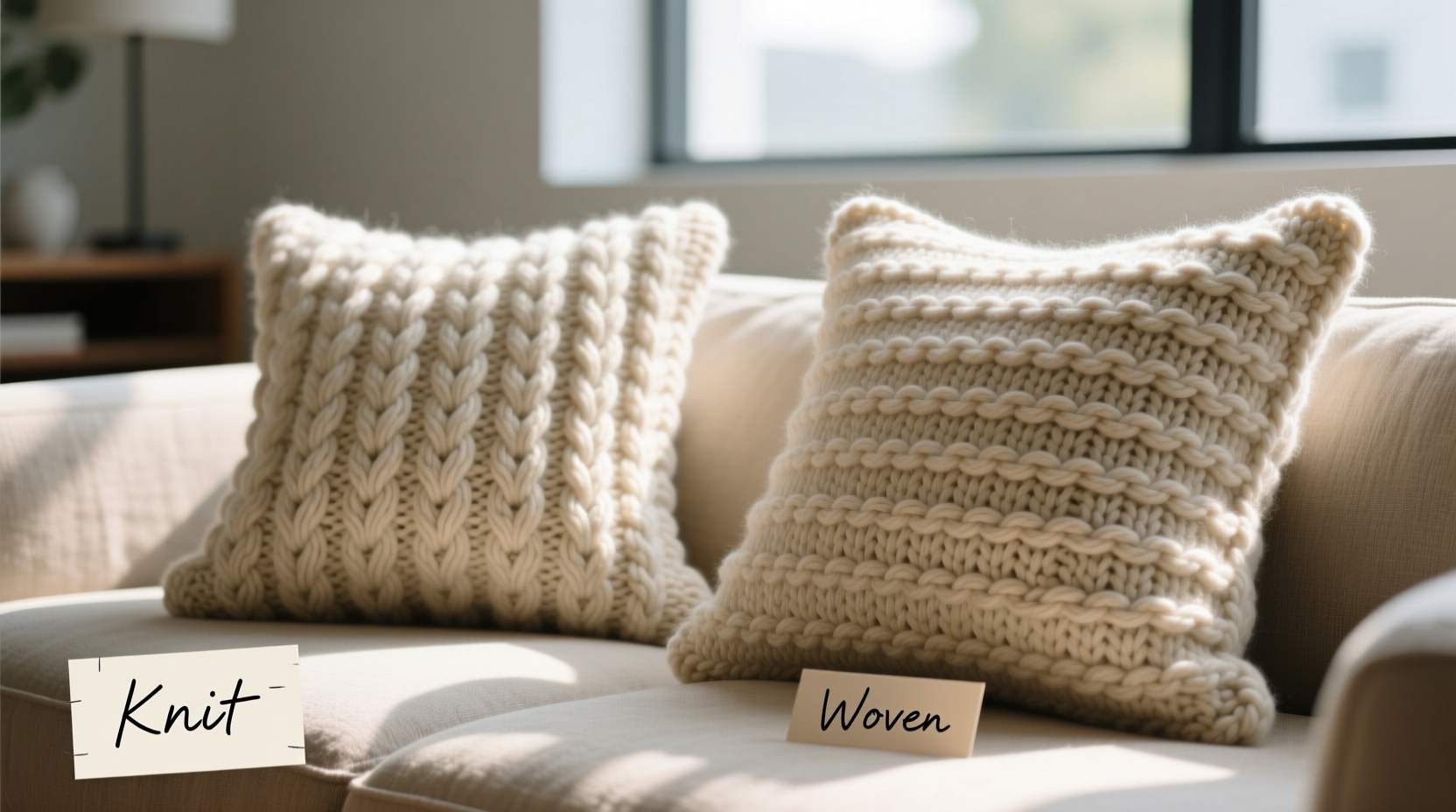
At the core of the distinction lies the method of fabric production. Woven fabrics are created by interlacing two sets of yarns at right angles—warp (vertical) and weft (horizontal)—on a loom. This produces a stable, structured textile with minimal stretch. Common examples include cotton canvas, linen, and twill, often found in tailored upholstery and decorative throw pillows.
Knitted fabrics, on the other hand, are formed by looping a single yarn continuously, much like hand-knitting with needles. This looping structure gives knits inherent elasticity, softness, and drape. Popular knitted cushion covers use materials like acrylic, cotton jersey, or wool blends, frequently seen in cozy, Scandinavian-inspired interiors.
The mechanical difference translates directly into feel. Woven fabrics tend to be crisp and firm, while knits offer a supple, slightly yielding surface that conforms gently to touch.
Comfort: How Texture Influences Feel and Function
Texture isn’t just aesthetic—it’s functional. When you sink into a sofa or lean against a cushion, the fabric’s surface interacts with your skin and body weight. Knitted cushions typically feel softer from the first touch due to their looped construction, which absorbs pressure more evenly. This makes them ideal for lounging areas where comfort is prioritized over structure.
Woven fabrics, while less forgiving initially, provide consistent support. Their tighter, flatter weave resists compression, making them better suited for seating backs or cushions that need to maintain shape over long periods. However, some tightly woven textiles can feel rough or stiff, especially if made from natural fibers like jute or raw linen without pre-washing.
A 2022 textile study by the Home Comfort Research Group found that participants rated knitted cushions 27% higher in initial comfort perception compared to woven ones, though woven options scored higher in long-term support after eight hours of continuous use.
“Texture influences not only tactile comfort but also psychological warmth. Knits signal coziness; weaves suggest order and durability.” — Dr. Lena Torres, Textile Psychologist, Nordic Design Institute
Performance Comparison: Durability, Maintenance, and Use Cases
Comfort is only one factor. How a cushion holds up over time matters just as much. Below is a side-by-side comparison of knitted and woven cushions across key performance metrics.
| Feature | Knitted Cushions | Woven Cushions |
|---|---|---|
| Stretch & Flexibility | High – conforms easily to body shape | Low – maintains rigid structure |
| Durability | Moderate – prone to pilling and snagging | High – resistant to abrasion and wear |
| Wrinkle Resistance | High – naturally drapes without creasing | Variable – linen wrinkles easily; synthetics resist |
| Care & Cleaning | Delicate – may shrink or lose shape in wash | Easier – generally machine washable and stable |
| Best For | Accent pillows, bedrooms, reading nooks | Sofas, outdoor furniture, high-traffic areas |
For homes with pets or children, woven cushions are often the smarter choice. Their resistance to tearing and ease of cleaning outweigh the plush appeal of knits. Conversely, in low-traffic zones like guest rooms or meditation corners, knitted textures enhance ambiance and invite relaxation.
Real-World Example: A Living Room Makeover
Consider Sarah, a designer in Portland who recently updated her minimalist living room. She initially chose tightly woven linen cushions for their clean lines and neutral tone. While visually cohesive, guests consistently commented that the seating felt “a bit cold” and “uninviting.” After six months, she introduced a pair of oversized merino wool-blend knitted bolsters near the armchairs.
The change was immediate. The room retained its aesthetic integrity, but the added texture softened the space. Family members reported spending more time reading and relaxing there. Sarah noted that while the knits required hand-washing every few months, the improvement in perceived comfort justified the extra effort.
This case illustrates that texture doesn’t operate in isolation—it interacts with environment, usage patterns, and emotional response. Sometimes, the most functional choice isn’t the most comfortable, and vice versa.
How to Choose the Right Cushion for Your Needs
Selecting between knitted and woven cushions shouldn’t be arbitrary. Follow this step-by-step guide to match fabric type with your priorities:
- Assess the location: Is the cushion for a high-use sofa, a decorative bench, or a quiet reading chair?
- Define your comfort goal: Do you want firm support or soft give?
- Consider household factors: Are there pets, kids, or allergy concerns?
- Check maintenance requirements: Can you commit to delicate washing, or do you need machine-friendly fabrics?
- Touch test when possible: Visit a store or request fabric swatches to evaluate texture firsthand.
- Budget for longevity: Woven options may cost more upfront but last longer in active environments.
Frequently Asked Questions
Can knitted cushions be machine washed?
Some can, but with caution. Always check the care label. Cotton or synthetic knits may tolerate gentle cycles, but wool or delicate blends should be hand-washed and laid flat to dry to prevent stretching or shrinking.
Do woven cushions feel too stiff for everyday use?
Not necessarily. Pre-washed linen, brushed cotton, or blends with elastane can offer a soft hand feel while retaining structural benefits. Look for terms like “garment-washed” or “brushed finish” when shopping.
Are knitted fabrics more eco-friendly than woven ones?
It depends on the fiber and production process. Knitting can use less energy than weaving, but sustainability hinges more on material sourcing (organic cotton, recycled fibers) and dye methods than construction alone.
Final Thoughts: Texture Matters—But So Does Context
The question isn’t whether knitted or woven cushions are inherently better—it’s about alignment with your needs. Texture absolutely affects comfort, but so do durability, care, and environmental fit. Knitted cushions excel in creating warmth and softness, making them ideal for personal retreats. Woven fabrics shine in resilience and structure, serving well in dynamic, shared spaces.
The most thoughtful interiors blend both, leveraging their strengths where they matter most. By understanding how fabric construction shapes experience, you move beyond aesthetics to create spaces that feel as good as they look.




 浙公网安备
33010002000092号
浙公网安备
33010002000092号 浙B2-20120091-4
Comments
No comments yet. Why don't you start the discussion?