
When choosing a tracksuit, most people focus on style, fit, or brand. But one of the most overlooked yet critical factors is the fabric—specifically, whether it’s made from knitted wool or knitted cotton. While both materials are natural and breathable, their performance under different conditions varies significantly. The truth is, yes—the fabric makes a real difference in comfort, moisture management, temperature regulation, and long-term durability.
Understanding the properties of each material helps you make smarter choices based on your lifestyle, climate, and activity level. Whether you're lounging at home, commuting in cold weather, or engaging in light exercise, the right fabric can enhance your experience—or detract from it.
Thermal Regulation: How Wool and Cotton Handle Heat and Cold
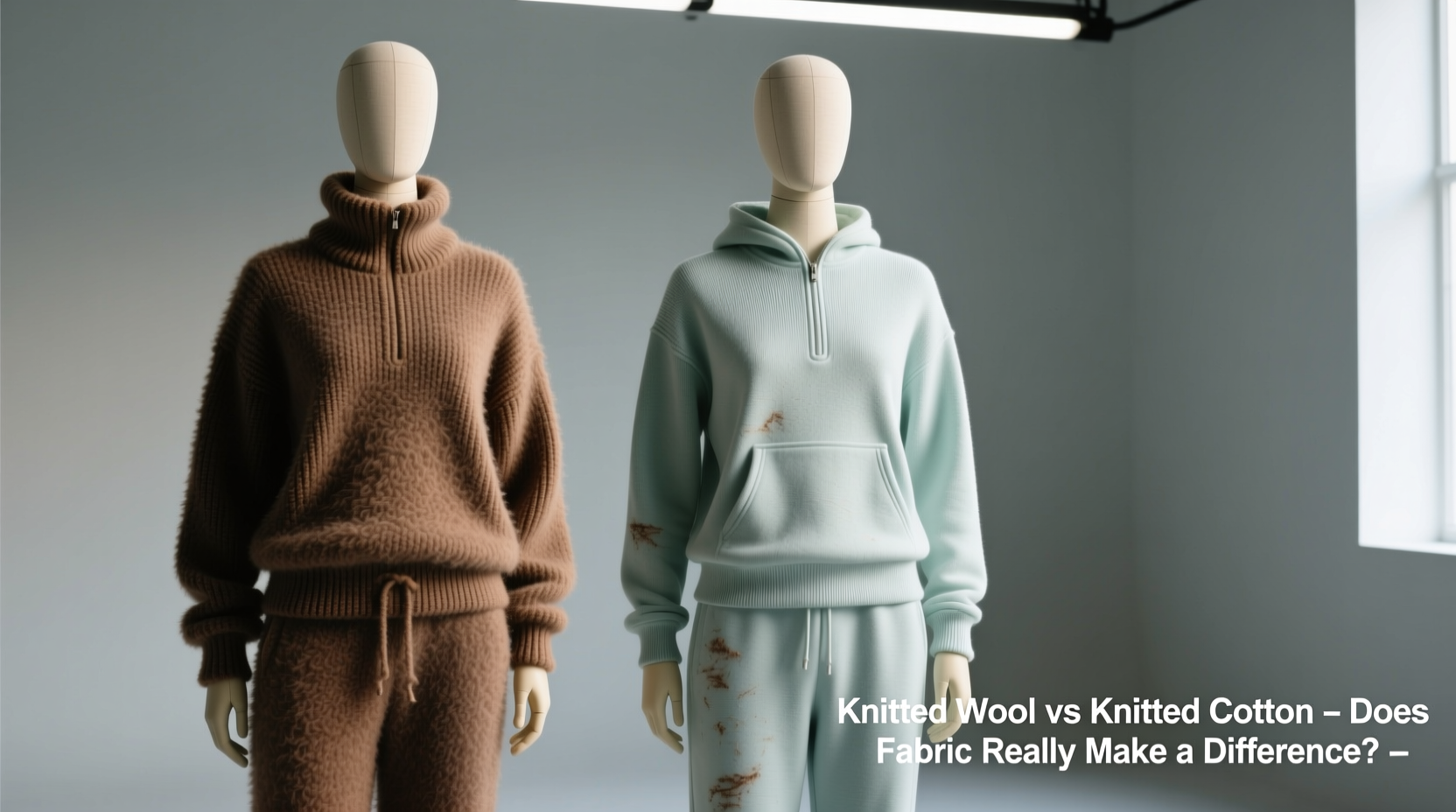
One of the most defining differences between knitted wool and knitted cotton lies in thermal regulation. Wool, especially merino wool, has a natural ability to insulate even when wet. This means it retains warmth in cold environments while still allowing excess heat to escape during physical activity. Its crimped fiber structure traps air, creating a microclimate that buffers against sudden temperature shifts.
Cotton, on the other hand, excels in breathability but lacks insulation when damp. It absorbs moisture readily—up to 27% of its weight—but once saturated, it loses insulating properties and feels clammy against the skin. In cool or humid conditions, a cotton tracksuit may leave you feeling chilled after light sweating, making it less ideal for outdoor winter workouts or transitional-season wear.
Mechanical Performance: Stretch, Recovery, and Durability
The knitted construction of both wool and cotton allows for flexibility and ease of movement, which is essential in a tracksuit. However, wool fibers have superior elasticity and resilience. They can stretch up to 30% of their length and return to shape, resisting sagging over time. This makes wool-blend tracksuits more likely to maintain their silhouette after repeated wear and washing.
Cotton, while soft and comfortable initially, tends to lose shape with frequent use. Repeated stretching and laundering can lead to pilling, thinning, and waistband droop. Blends with synthetic fibers like elastane can improve recovery, but pure cotton knits generally degrade faster under mechanical stress.
In high-movement scenarios—such as yoga, brisk walking, or casual sports—wool's structural memory provides consistent support without bagging out. Cotton performs well for relaxed, low-intensity settings but may not hold up as long under active use.
Moisture and Odor Management: What Happens When You Sweat?
Sweat management is where the divergence between wool and cotton becomes stark. Wool fibers absorb moisture vapor before it condenses into sweat, wicking it away from the skin and releasing it into the air. This process helps prevent that sticky, uncomfortable feeling during light exertion. More impressively, wool contains lanolin, a natural wax with antimicrobial properties that inhibits odor-causing bacteria.
Cotton absorbs liquid sweat quickly, which can feel refreshing initially. But because it holds onto moisture, it dries slowly and creates a damp environment where bacteria thrive. This leads to faster odor development, even after short wear. Many cotton tracksuit users find themselves needing to launder after a single use, whereas wool versions can be aired out and worn multiple times.
“Merino wool’s ability to manage moisture and resist odor makes it a top-tier choice for activewear, even in knit form.” — Dr. Lena Patel, Textile Scientist, University of Leeds
Fabric Comparison Table: Wool vs Cotton Tracksuits
| Property | Knitted Wool | Knitted Cotton |
|---|---|---|
| Warmth Retention | Excellent (even when wet) | Poor when damp |
| Breathability | High | Very High |
| Moisture Wicking | Superior | Limited (absorbs but doesn’t wick) |
| Odor Resistance | Natural antimicrobial properties | Low – prone to odor buildup |
| Durability & Shape Retention | High – resists pilling and sagging | Moderate – degrades with frequent use |
| Wash Frequency Needed | Every 3–5 wears | After every 1–2 wears |
| Best For | Cold climates, active use, travel | Warm climates, lounging, casual wear |
Real-World Example: A Week in Each Tracksuit
Consider Sarah, a freelance designer who works from home but walks her dog daily and occasionally jogs in the park. She owns two tracksuits: one 100% cotton and another merino wool blend.
During a crisp autumn week, she alternates between them. On Monday, she wears the cotton suit for a morning walk. Afterward, a light drizzle soaks the fabric. By the time she returns home, the suit feels heavy and cold. She changes immediately and throws it in the wash.
On Wednesday, she tries the wool version. Despite similar conditions—and even mild perspiration during her jog—the suit feels dry against her skin. There’s no chill, and no post-walk discomfort. She airs it out and wears it again on Thursday without laundering.
By week’s end, she’s washed the cotton suit three times but hasn’t needed to clean the wool one. She notes better temperature control, less odor, and overall greater confidence in the wool’s performance—even in mixed conditions.
Care and Maintenance: Longevity by Design
Proper care extends the life of any garment, but wool and cotton demand different approaches. Knitted wool should be hand-washed or machine-washed on a gentle cycle with a pH-neutral detergent. It should be laid flat to dry to prevent stretching. Avoid wringing or hanging, as this distorts the knit structure.
Cotton is more forgiving. Most cotton tracksuits can withstand regular machine washing and tumble drying, though high heat accelerates wear. Over time, however, repeated hot cycles contribute to shrinkage and fiber breakdown.
To maximize longevity:
- Air out wool garments between uses instead of washing unnecessarily.
- Use mesh laundry bags for both fabrics to reduce friction in the wash.
- Avoid fabric softeners, which coat fibers and reduce breathability.
- Store folded, not hung, to preserve shoulder seams and neckline shape.
Checklist: Choosing the Right Fabric for Your Needs
Before purchasing a knitted tracksuit, ask yourself the following:
- What’s my primary use? – Lounge (cotton), exercise (wool), or all-around (wool blend).
- What’s the typical climate? – Cold/wet favors wool; hot/dry suits cotton.
- How often will I wash it? – Frequent washers may prefer cotton; low-maintenance users benefit from wool’s odor resistance.
- Do I value sustainability? – Both are biodegradable, but wool requires fewer washes, reducing water and energy use.
- Is durability important? – Wool maintains shape longer; cotton may need replacing sooner.
Frequently Asked Questions
Can I wear a wool tracksuit in warm weather?
Yes, especially if it’s made from fine merino wool. Its breathability and moisture-wicking properties help regulate body temperature, preventing overheating. Lightweight wool knits are designed for layering and adapt well to changing conditions.
Are wool tracksuits itchy?
Not necessarily. Modern merino wool fibers are ultra-fine (typically 17.5 microns or less) and do not irritate the skin. Unlike traditional coarse wool, merino is soft and comfortable for direct-to-skin wear.
Is cotton more eco-friendly than wool?
It depends. Cotton is plant-based and renewable, but conventional cotton farming uses significant water and pesticides. Wool is animal-derived but biodegradable and often produced with lower chemical input. Responsibly sourced wool from regenerative farms can have a lower environmental footprint due to reduced washing frequency and longer garment life.
Final Thoughts: Does Fabric Really Make a Difference?
Absolutely. While both knitted wool and knitted cotton offer comfort and style, their functional differences are substantial. Wool excels in performance: regulating temperature, managing moisture, resisting odor, and maintaining shape. Cotton wins in initial softness and affordability but falls short in active or cold environments.
Your choice should align with how you live. If you prioritize low maintenance, durability, and versatility across seasons, wool is worth the investment. If you mostly lounge in mild weather and prefer a classic, broken-in feel, cotton remains a solid option.




 浙公网安备
33010002000092号
浙公网安备
33010002000092号 浙B2-20120091-4
Comments
No comments yet. Why don't you start the discussion?