
Knitting a bag is more than just crafting a container—it’s an opportunity to blend creativity with practicality. Whether you're commuting, running errands, or heading to your next knitting circle, a well-designed knitted bag can elevate your look while serving your daily needs. From sturdy tote designs to compact crossbodies, the right combination of yarn, stitch pattern, and structure ensures both durability and aesthetic appeal. With thoughtful planning, any knitter can create a piece that’s not only beautiful but also built to last.
Choosing the Right Yarn for Durability and Style
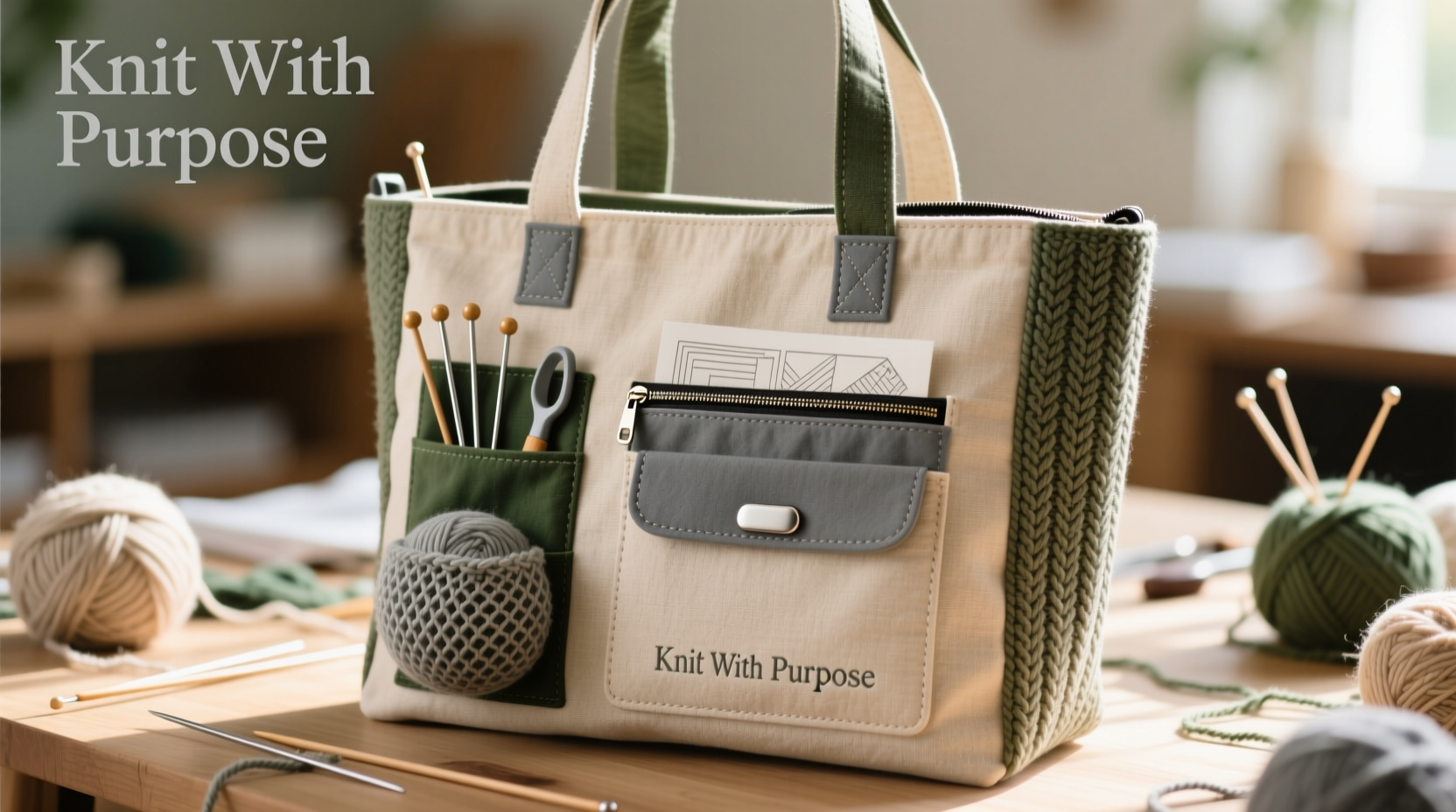
The foundation of any functional knitted bag lies in the yarn selection. Unlike garments, bags endure constant friction, weight, and handling. Choosing a fiber that balances softness with resilience is essential. Cotton, linen, and wool blends are popular choices due to their strength and ability to hold shape.
- Cotton: Offers excellent structure and washability, ideal for summer totes and market bags.
- Linen: Naturally strong and becomes softer with use; great for structured satchels.
- Wool blends: Add elasticity and warmth, suitable for cooler-weather designs.
- Recycled synthetics: Some eco-friendly acrylics now offer improved durability without sacrificing softness.
Avoid overly delicate fibers like mohair or silk unless used as accents. These may look luxurious but lack the tensile strength needed for load-bearing components.
Design Elements That Balance Form and Function
A successful knitted bag harmonizes visual appeal with usability. Key structural features determine how well it performs in real-world scenarios.
Handles and Straps
Length and width matter. Short handles should be at least 2 inches wide for comfort when carried by hand. For shoulder or crossbody styles, ensure straps are long enough (typically 20–26 inches) and reinforced to prevent stretching. Consider crocheting or weaving in leather strips for a polished, durable finish.
Base Construction
A flat, stable base prevents sagging and improves functionality. Techniques include knitting a separate square or rectangular panel, using short rows for shaping, or working in the round from the bottom up. Some knitters insert a thin plastic canvas or sew in a fabric liner for extra rigidity.
Interior Features
Though often overlooked, interior details enhance utility. Knit-in pockets, slip-stitch dividers, or even a simple zippered compartment can transform a basic bag into a highly organized companion. When designing, think about what you typically carry—wallet, phone, notebook—and plan accordingly.
“Function doesn’t have to mean sacrificing beauty. The best knitted bags feel intentional—every stitch serves a purpose.” — Lila Mendez, Textile Designer and Author of *Crafted Carriers*
Step-by-Step Guide to Building a Structured Knit Tote
Follow this timeline to create a sturdy, stylish tote ideal for groceries, books, or weekend outings.
- Week 1: Design & Swatch
Select a medium-weight cotton or linen blend. Knit a 6x6 inch swatch in your chosen stitch (e.g., seed stitch or ribbing) and wash/block it to assess drape and stability. - Week 2: Knit the Panels
Work two identical rectangles for front and back. Use garter or seed stitch for texture and resilience. Increase edge stitches slightly for seam strength. - Week 3: Craft the Base and Sides
Knit a third rectangle for the bottom. Pick up stitches along the lower edges of the front and back panels and join them seamlessly, or sew all pieces together with a mattress stitch. - Week 4: Attach Handles
Knit or crochet thick straps separately. Secure them deeply into the side and base seams, reinforcing with whipstitching on the interior. - Week 5: Finishing Touches
Add lining if desired, button closures, or embroidered details. Block the final piece gently to smooth seams and set shape.
Comparison Table: Bag Types and Best Uses
| Bag Type | Best Yarn | Stitch Recommendation | Ideal For |
|---|---|---|---|
| Tote Bag | Cotton, Linen Blend | Seed Stitch, Basketweave | Groceries, Work, Beach |
| Market Bag (Foldable) | Smooth Cotton | Mesh or Lace (lightweight) | Shopping, Produce Carrying |
| Clutch or Evening Bag | Wool-Silk Blend | Ribbing, Cables | Dinners, Events |
| Backpack or Crossbody | Durable Acrylic-Cotton Mix | Double Moss, Herringbone | Travel, Daily Commute |
| Diaper or Utility Bag | Machine-Washable Wool | Brioche, Thick Ribbing | Parents, Organized Storage |
Mini Case Study: Sarah’s Commuter Knit Tote
Sarah, a graphic designer in Portland, wanted a bag that could carry her tablet, sketchbook, and lunch while reflecting her minimalist aesthetic. She chose a heather-gray organic cotton yarn and worked a dense seed stitch pattern across a rectangular body with short-row shaping at the base. Instead of traditional straps, she created wide, folded-over top flaps with magnetic snaps and integrated leather strap attachments.
After six months of daily use, the bag shows minimal wear. The seed stitch hides dirt well, and the leather-reinforced straps haven’t stretched. “I get compliments every week,” she says. “And I love knowing I made something so useful with my own hands.”
Checklist: Before You Begin Your Next Knit Bag Project
- ☐ Determine the primary use (e.g., work, shopping, gift)
- ☐ Choose a durable, appropriate yarn based on season and load
- ☐ Test stitch patterns for drape and firmness with a swatch
- ☐ Plan handle length and reinforcement method
- ☐ Decide whether to add a lining or internal pockets
- ☐ Sketch a simple diagram with measurements
- ☐ Set aside time for blocking and finishing
Frequently Asked Questions
Can I machine wash a knitted bag?
It depends on the yarn. Bags made with 100% cotton or machine-washable wool can usually be washed on a gentle cycle, but always check the label. Lay flat to dry to maintain shape. Avoid agitating heavily structured bags to prevent distortion.
How do I stiffen a floppy knitted bag?
You can lightly starch the finished piece or use fabric stiffener spray. A more permanent solution is sewing in a cut-to-fit interlining such as fusible fleece, canvas, or even recycled cardboard covered in fabric. This adds structure without compromising the handmade look.
Are knitted bags practical for heavy loads?
Yes—if designed correctly. Use tight gauge, strong fibers, and reinforce high-stress areas. Avoid lace or openwork on the base or sides if carrying books or groceries. Double-strand yarn in critical zones for added strength.
Final Thoughts: Create with Purpose
Knitting a bag is one of the most rewarding projects a crafter can undertake. It merges personal expression with tangible utility, resulting in a piece that’s both worn and admired. By prioritizing material integrity, thoughtful design, and smart construction techniques, you can produce bags that don’t just look good—they perform exceptionally well over time.




 浙公网安备
33010002000092号
浙公网安备
33010002000092号 浙B2-20120091-4
Comments
No comments yet. Why don't you start the discussion?