
For dog owners with powerful chewers, selecting the right toy isn't just about entertainment—it's a matter of safety, cost, and peace of mind. Aggressive chewers can dismantle a plush toy in minutes, leaving behind stuffing, squeakers, and potential choking hazards. On the other hand, rubber toys like the Kong are marketed as indestructible, but even they have limits. So when it comes to longevity, safety, and value, how do Kong toys truly stack up against plush options for dogs that chew hard and fast?
The answer isn’t always straightforward. While Kongs are engineered for durability, not all models are created equal. Similarly, some plush toys now come with reinforced stitching and multi-layered fabrics designed to withstand moderate chewing. But for true power chewers—think Pit Bulls, German Shepherds, or Labradors known for demolishing anything in their path—the choice becomes critical.
Durability Showdown: Rubber vs Fabric
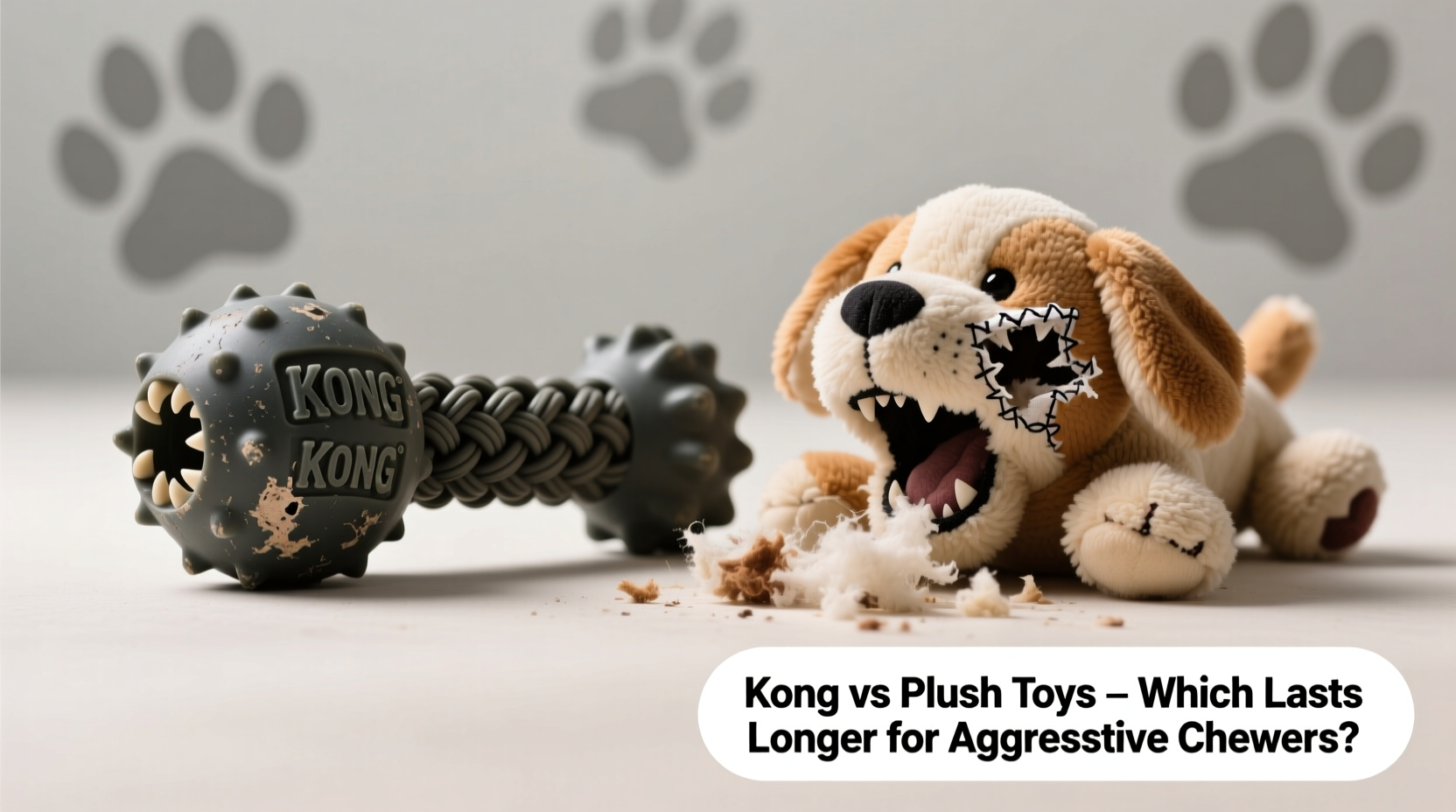
Rubber, especially high-density natural rubber like that used in most Kong products, is inherently more resistant to tearing than fabric. Plush toys, even those labeled “tough” or “indestructible,” rely on layered textiles, mesh linings, and double stitching. However, once a determined dog breaches the outer layer, the internal structure quickly unravels.
Kong toys, by contrast, are molded as a single piece. There are no seams to rip open, no stuffing to extract, and no small parts to swallow. The classic red Kong, made from proprietary rubber compound, flexes under pressure rather than cracking or splintering. This design absorbs jaw strength instead of resisting it head-on, making it far more resilient over time.
Material Breakdown: What Holds Up Under Pressure?
| Toy Type | Primary Material | Avg. Lifespan (Aggressive Chewers) | Failure Points |
|---|---|---|---|
| Kong Classic (Red) | Natural rubber | 6–18 months | Minor wear, rare fractures with extreme use |
| Kong Extreme (Black) | Ultra-strong rubber | 12–24+ months | Nearly none; may show tooth marks |
| Heavy-Duty Plush Toy | Polyester + nylon mesh | 1 day – 3 weeks | Seams burst, stuffing expelled, squeaker damaged |
| Standard Plush Toy | Cotton-poly blend | Minutes to hours | Total disintegration common within first session |
The data shows a clear trend: rubber outlasts fabric by orders of magnitude when facing aggressive chewers. Even the toughest plush toys rarely survive more than a few weeks under constant gnawing, while a Kong Extreme can last over two years in some cases.
Safety Considerations Beyond Longevity
Longevity isn’t just about getting your money’s worth—it’s tied directly to safety. When plush toys break apart, dogs often ingest stuffing, plastic squeakers, or fabric shards. These foreign bodies can cause intestinal blockages requiring emergency surgery. According to the American Veterinary Medical Association (AVMA), ingested toy materials rank among the top causes of preventable canine gastrointestinal emergencies.
In contrast, Kong-style rubber toys eliminate this risk. They don’t fragment into swallowable pieces under normal use. Even if a dog manages to break off a small chunk (rare with standard Kongs, nearly impossible with the black Extreme model), the material is non-toxic and typically passes safely through the digestive tract.
“With heavy chewers, I consistently recommend rubber-based toys like Kong. The risk of obstruction from plush toys is simply too high.” — Dr. Lena Torres, DVM, Canine Behavior & Preventive Care Specialist
Real-World Test: One Owner’s Experience
Mark R., owner of a 90-pound American Bulldog named Duke, put both toy types to the test. Duke had destroyed six plush toys in three weeks, including brands advertised as “indestructible.” After finding shredded fabric in Duke’s stool, Mark switched to a Kong Extreme.
“I filled it with frozen peanut butter, and he spent 45 minutes working on it the first night,” Mark said. “Two years later, it still looks beat up but intact. He chews on it daily. No vet visits, no mess, no worries.”
Meanwhile, his neighbor’s Labrador demolished a premium plush toy in 12 minutes, leading to a $1,200 endoscopy to remove a squeaker. This case reflects a broader pattern: perceived value in plush toys often fades quickly when durability and health risks are factored in.
When Plush Toys Might Work (And How to Use Them Safely)
Plush toys aren’t universally unsuitable. For moderate chewers or supervised play sessions, they can provide mental stimulation and soft-mouth engagement. Some dual-layer plush designs with puncture-resistant lining offer limited resistance to light to medium chewing.
However, for aggressive chewers, plush toys should only be used under direct supervision and removed immediately if any damage occurs. Never leave a dog unattended with a plush toy, especially one containing squeakers or loose fibers.
- Use plush toys for fetch or cuddle time, not prolonged chewing.
- Inspect before each use for tears, loose threads, or exposed internals.
- Choose toys without small detachable parts.
- Launder regularly to prevent bacterial buildup from saliva.
Checklist: Choosing the Right Toy for an Aggressive Chewer
- Assess your dog’s chewing intensity—does he destroy tennis balls or rawhide quickly?
- Opt for solid rubber toys with no glued parts or hollow sections prone to cracking.
- Select the correct size—too small increases choking risk; too large reduces engagement.
- Look for proven brands like Kong, West Paw, or GoughNuts with durability guarantees.
- Avoid toys with strings, eyes, or plastic attachments that can be bitten off.
- Introduce treat-stuffing to increase mental engagement and reduce destructive focus.
- Monitor playtime initially to ensure the toy withstands your dog’s bite force.
Maximizing Kong Longevity: Care and Rotation Tips
Even the toughest Kong can degrade faster without proper care. Exposure to extreme temperatures—like being left in a hot car or freezing yard—can make rubber brittle. Clean your Kong regularly with warm, soapy water to prevent bacterial growth, especially if used with wet treats or peanut butter.
Rotating between two or three Kongs helps distribute wear and keeps your dog mentally stimulated. A fresh toy every few days feels novel, reducing obsessive chewing on a single item. Some owners alternate between a treat-stuffed Kong and a bouncy ball-style rubber toy to vary texture and function.
Frequently Asked Questions
Can any plush toy survive an aggressive chewer?
Truly indestructible plush toys don’t exist. Some multi-layered, cross-stitched designs last longer than others, but even these eventually fail under relentless chewing. If your dog has destroyed nylon leashes or wood furniture, assume plush toys will meet the same fate.
Are there safer alternatives to traditional plush toys?
Yes. Look for hybrid toys made from ultra-dense fleece (like Tug-A-Jug or Fluff & Tuff) or rubberized fabric composites. These resist shredding better than cotton-poly blends and lack stuffing. Still, supervise closely and retire at first sign of damage.
How do I know if my Kong is worn out?
Discard a Kong if it develops cracks, sharp edges, or deep gouges where bacteria can hide. Small tooth marks are normal, but structural compromise means replacement time. Most manufacturers recommend replacing after 12–24 months of regular use.
Final Verdict: Kong Wins for Power Chewers
When durability, safety, and long-term value are priorities, Kong-style rubber toys are the superior choice for aggressive chewers. While plush toys offer comfort and soft interaction, they simply cannot match the resilience of high-grade rubber under sustained jaw pressure. The initial cost of a Kong—typically $10–$18—is quickly justified when compared to replacing plush toys weekly.
Beyond economics, the health benefits are undeniable. Eliminating the risk of ingestion-related emergencies protects your dog and spares you unexpected vet bills. With proper selection, maintenance, and rotation, a Kong can remain a trusted companion for years.




 浙公网安备
33010002000092号
浙公网安备
33010002000092号 浙B2-20120091-4
Comments
No comments yet. Why don't you start the discussion?