
Clear, radiant skin doesn’t happen by accident. In South Korea, skincare is a ritual rooted in prevention, consistency, and layering lightweight products to nourish the skin over time. While the idea of a 10-step routine might seem overwhelming, the core principles are simple: cleanse thoroughly, hydrate deeply, protect daily, and treat concerns gently. For beginners, the goal isn’t to replicate every step exactly but to understand the purpose behind each phase and build a sustainable routine that fits your lifestyle and skin type.
This guide breaks down the Korean skincare philosophy into manageable, practical steps. You’ll learn which products matter most, how to sequence them correctly, and how to adapt the routine without feeling overwhelmed. Whether you have dry, oily, sensitive, or combination skin, this simplified approach will help you achieve healthier, more resilient skin—one step at a time.
The Foundation: Understanding the Korean Skincare Mindset
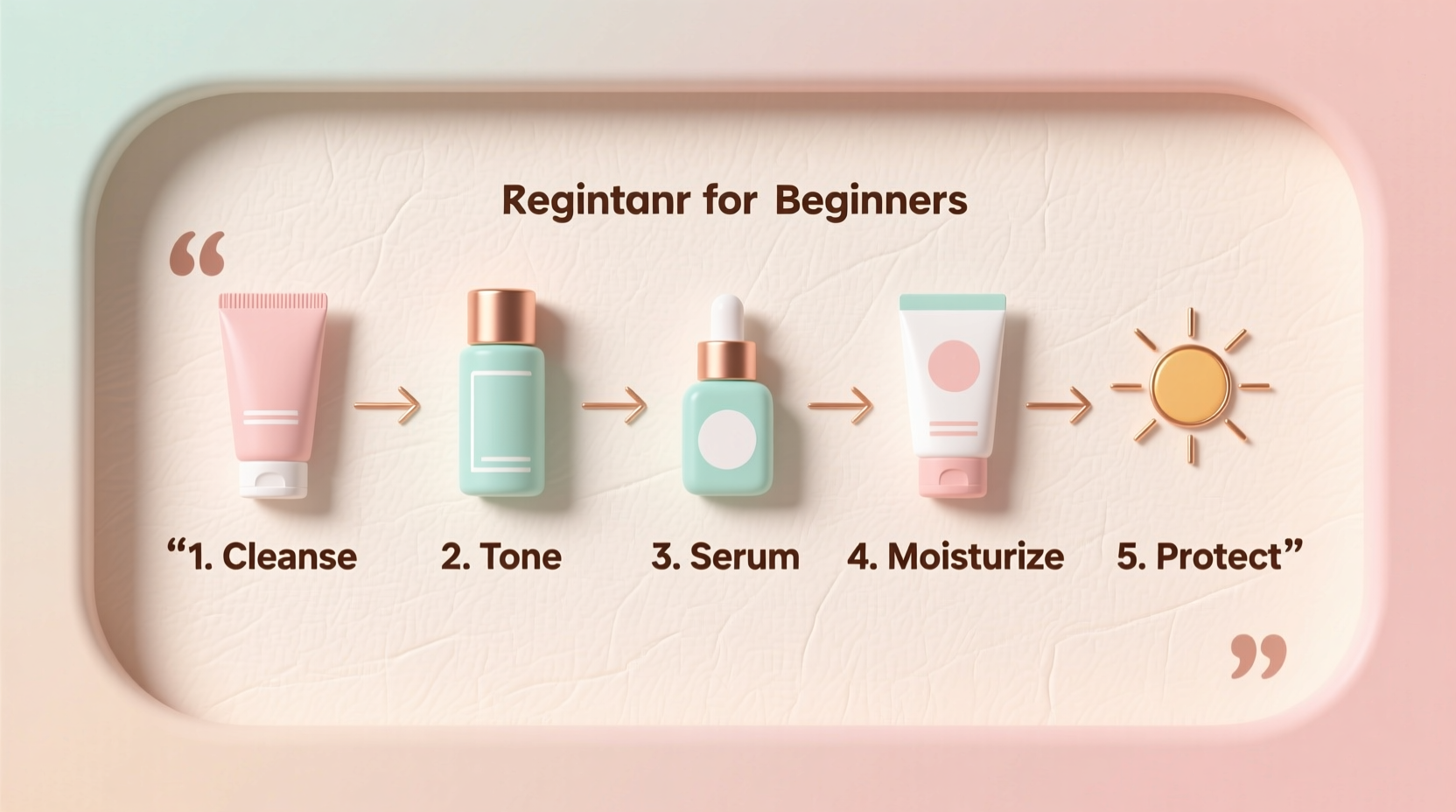
Western skincare often focuses on correcting problems after they appear—treating acne, fading dark spots, or reducing wrinkles. Korean skincare, by contrast, emphasizes prevention and maintenance. The philosophy is “skincare as self-care,” where daily rituals support long-term skin health rather than quick fixes.
This mindset encourages consistency over intensity. Instead of aggressive treatments, Koreans favor gentle ingredients like hyaluronic acid, ceramides, snail mucin, green tea extract, and fermented actives. These components strengthen the skin barrier, improve hydration, and promote natural radiance without irritation.
“Healthy skin starts with balance, not stripping or overloading. The Korean approach is about supporting the skin’s natural functions.” — Dr. Jin Lee, Dermatologist & Cosmetic Researcher, Seoul National University Hospital
For beginners, adopting this mindset means letting go of the idea that more products equal better results. It’s not about doing 10 steps perfectly; it’s about doing a few key steps consistently and correctly.
Core Steps of a Simplified Korean Skincare Routine
A full Korean skincare routine can include up to ten steps, but beginners should focus on mastering five essential phases. These form the backbone of any effective regimen and can be expanded later if desired.
- Double Cleansing – Remove sunscreen, makeup, and pollutants with an oil-based cleanser followed by a water-based one.
- Toning – Rebalance skin pH and prep for absorption of subsequent products.
- Essence & Serums – Deliver active ingredients to target specific concerns like hydration, brightness, or texture.
- Moisturizing – Lock in hydration and reinforce the skin barrier.
- Sun Protection (AM only) – Shield skin from UV damage, the leading cause of premature aging.
These steps are typically performed both in the morning and at night, with slight variations based on time of day. Nighttime allows for deeper treatment, while mornings prioritize protection.
Step 1: Double Cleansing (Night Only)
Double cleansing ensures your pores stay clear of residue that can lead to breakouts and dullness. It involves two stages:
- Oil Cleanser: Dissolves oil-based impurities like sunscreen, sebum, and makeup. Use a balm, oil, or gel formula. Massage onto dry skin for 30 seconds, then emulsify with water and rinse.
- Water-Based Cleanser: Removes sweat, dirt, and leftover debris. Choose a low-pH, sulfate-free foam or gel cleanser suited to your skin type.
Morning cleansing usually requires only the water-based cleanser unless you sleep with heavy products or oil-based treatments.
Step 2: Toner Application
Korean toners are not like traditional Western astringents. They’re hydrating, soothing liquids applied right after cleansing to restore moisture and prepare the skin for better product penetration.
Apply using clean hands or a cotton pad. Gently press or swipe across the face. Look for toners with ingredients like glycerin, panthenol, centella asiatica, or rice water—these support hydration and calm inflammation.
Step 3: Essence and Targeted Treatments
Essences are lightweight, fast-absorbing formulas that deliver hydration and mild actives. Think of them as a bridge between toner and serum—they enhance skin renewal and boost overall performance of your routine.
Popular essences contain fermentation filtrates (like galactomyces) or hyaluronic acid. Apply a few drops by pressing into the skin.
After essence, apply serums or ampoules targeting specific needs:
- Vitamin C – Brightens and evens tone
- Niacinamide – Reduces pores and regulates oil
- Snail Mucin – Soothes and repairs damaged skin
- Retinol (PM only) – Anti-aging and texture improvement (start slowly)
You don’t need all of these at once. Pick one concern and add one treatment product at a time.
Step 4: Moisturize to Seal the Deal
Even oily skin needs moisture. Skipping moisturizer can signal your skin to produce more oil, worsening shine and clogged pores. A good moisturizer locks in all previous layers and strengthens the skin barrier.
Koreans use different textures depending on season and skin type:
- Gel creams – Ideal for oily or humid climates
- Lotions – Balanced option for combination skin
- Creams – Best for dry or mature skin, especially in winter
Don’t forget the neck! Extend your moisturizer down to prevent creasing and maintain even tone.
Step 5: Sunscreen – Non-Negotiable (Morning Only)
No routine is complete without SPF. UVA rays penetrate clouds and windows, causing photoaging and pigmentation. Korean sunscreens are known for their lightweight, non-greasy formulas and high protection levels (PA++++ and SPF 50+).
Apply generously as the final step in your morning routine—about 1/4 teaspoon for the face. Reapply every 2 hours if outdoors or after sweating/swimming.
“Daily sunscreen use is the single most effective anti-aging step you can take.” — Dr. Hye-jin Kim, Board-Certified Dermatologist, Gangnam Skin Clinic
Adapting the Routine: Morning vs. Night
Your AM and PM routines serve different purposes. Here’s how to simplify each:
| Step | Morning Routine | Night Routine |
|---|---|---|
| Cleansing | Water-based cleanser only | Double cleanse (oil + water-based) |
| Toner | Yes | Yes |
| Essence | Optional | Recommended |
| Serum/Treatment | Vitamin C or niacinamide | Retinol, exfoliants, or repair serums |
| Moisturizer | Lightweight formula | Richer cream if needed |
| Sunscreen | Mandatory | Not used |
This structure keeps your skin protected during the day and supported at night when cellular repair peaks.
Beginner Checklist: Your First 30 Days
Starting slow prevents irritation and helps identify what works for your skin. Follow this checklist to build confidence and see real results:
- ✅ Identify your skin type (dry, oily, combination, sensitive)
- ✅ Purchase a gentle water-based cleanser and moisturizer
- ✅ Add an oil cleanser for evening use
- ✅ Introduce a hydrating toner
- ✅ Choose one serum based on your main concern
- ✅ Begin daily sunscreen use (SPF 30 or higher)
- ✅ Patch test new products behind the ear or on jawline
- ✅ Wait 1–2 weeks before adding another product
- ✅ Track changes in texture, clarity, and comfort weekly
- ✅ Avoid active ingredients like retinoids or acids until skin adjusts
Mini Case Study: Sarah’s Journey to Calmer Skin
Sarah, 28, struggled with redness, occasional breakouts, and tightness after washing her face. She had tried harsh scrubs and acne treatments, which only worsened her sensitivity. After researching Korean skincare, she decided to start over with a simplified four-step routine:
- Evening: Oil cleanser → gentle foaming cleanser → hydrating toner → snail mucin essence → light moisturizer
- Morning: Water cleanser → toner → niacinamide serum → moisturizer → SPF 50
Within three weeks, her redness decreased significantly. By week six, her skin felt softer, looked more even, and rarely broke out. The turning point was stopping aggressive products and focusing on hydration and barrier repair. “I thought I needed to ‘fight’ my skin,” she said. “But really, I just needed to listen to it.”
Common Mistakes to Avoid
Even with the best intentions, beginners often make missteps that delay progress. Watch out for these pitfalls:
| Do’s | Don’ts |
|---|---|
| Introduce one new product at a time | Don’t overhaul your entire routine overnight |
| Use sunscreen every single day | Don’t skip SPF because it’s cloudy or you’re indoors |
| Read ingredient lists for irritants (alcohol denat, fragrance, sulfates) | Don’t assume “natural” means safe—some botanicals are sensitizing |
| Be patient—visible results take 4–8 weeks | Don’t give up too soon or jump between products constantly |
| Store actives like vitamin C and retinol away from light and heat | Don’t keep skincare in humid bathrooms if possible |
Consistency beats complexity. A simple, well-executed routine will always outperform a chaotic multi-step regimen.
Frequently Asked Questions
Do I really need to double cleanse?
Only at night—and only if you wear sunscreen or makeup. If you wash your face in the morning or have very dry skin, a single gentle cleanser is enough. Double cleansing prevents clogged pores and allows other products to absorb properly, but it’s not mandatory for everyone.
Can I skip moisturizer if I have oily skin?
No. Skipping moisturizer can trigger excess oil production as your skin tries to compensate for dehydration. Instead, choose an oil-free, non-comedogenic gel moisturizer labeled “for oily skin.” Hydrated skin is balanced skin.
When should I start using anti-aging products?
Prevention begins in your twenties. Focus on sunscreen, antioxidants like vitamin C, and maintaining a healthy skin barrier. Strong actives like retinoids can be introduced in your late twenties or thirties, starting 1–2 times per week to avoid irritation.
Final Thoughts: Build Your Routine With Intention
The beauty of Korean skincare lies not in the number of steps, but in the intention behind each one. It’s about paying attention—to your skin’s needs, its responses, and its rhythms. You don’t need a cabinet full of bottles to achieve healthy, glowing skin. You need a few well-chosen products, applied consistently, with patience and care.
Start small. Master cleansing and moisturizing. Add one targeted product. Protect daily. Listen to your skin. Over time, you’ll develop a personalized routine that feels effortless and delivers visible results.




 浙公网安备
33010002000092号
浙公网安备
33010002000092号 浙B2-20120091-4
Comments
No comments yet. Why don't you start the discussion?