
For dedicated K-pop fans, accessories aren’t just about style—they’re statements of identity. Whether clipped to a backpack, looped through belt loops, or dangling from a phone, K-pop merch like keychains and lanyards serve as daily affirmations of fandom loyalty. But with both options widely available and heavily promoted by idol groups, a growing debate persists: which one do stans actually prefer, and why?
The answer isn't as simple as it seems. While keychains have long been staples in fan culture, lanyards have surged in popularity over the past few years—especially since the pandemic normalized mask-wearing and created new utility for wearable accessories. Today’s K-pop stan has more choices than ever, and personal preference often hinges on lifestyle, aesthetic priorities, and how deeply they integrate fandom into their everyday routine.
Design and Aesthetic Appeal
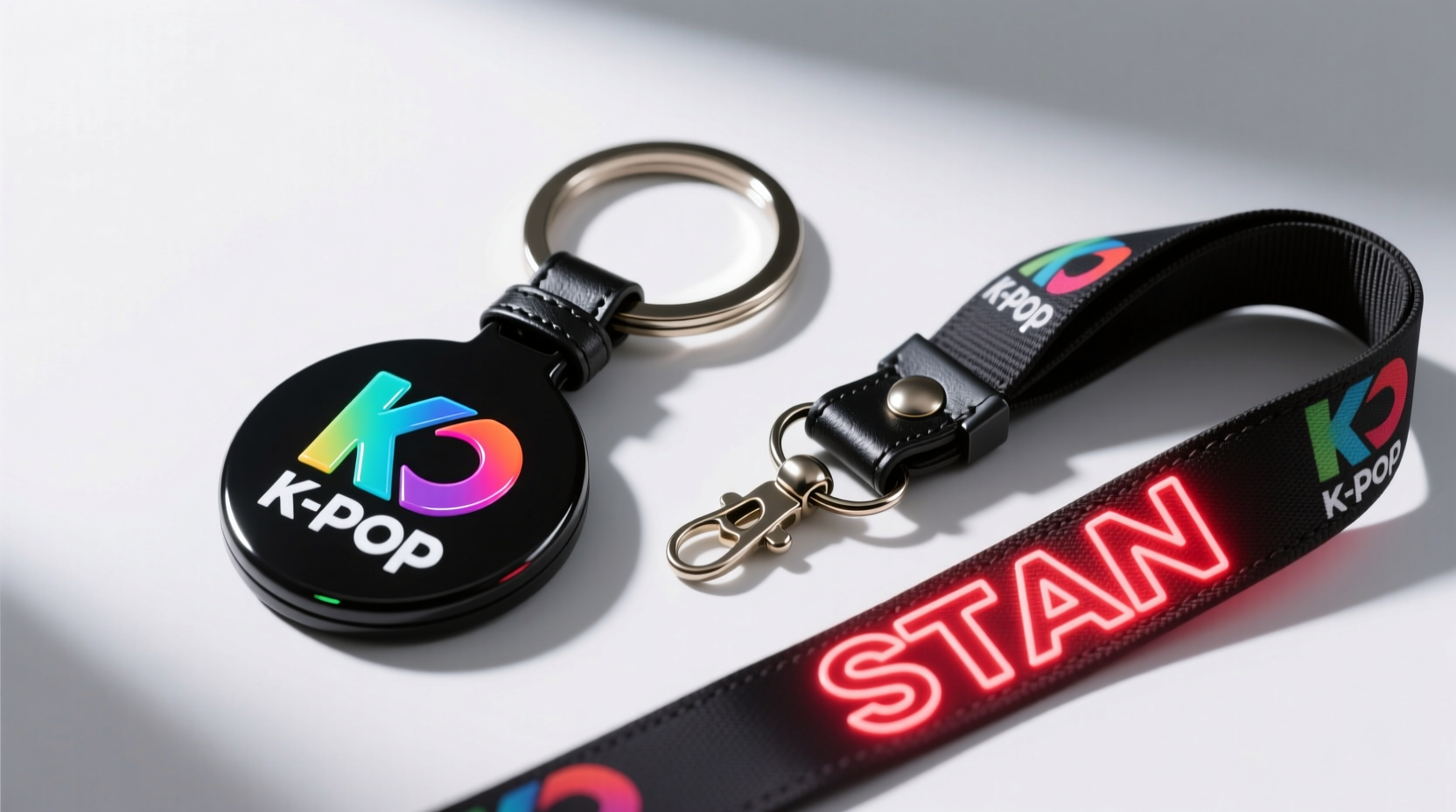
K-pop merchandise is designed to be eye-catching, collectible, and emotionally resonant. Keychains and lanyards both fulfill this role but in different ways.
Keychains tend to be compact and focused on singular design elements—a photocard replica, a member’s face charm, a holographic logo, or even a small acrylic standee. They’re ideal for fans who want subtle yet meaningful expressions of fandom. Many keychains double as bag charms, allowing fans to personalize their school bags, purses, or wallets without overwhelming their look.
Lanyards, on the other hand, offer more canvas space. They often feature full group photos, lyrics, tour dates, or QR codes linking to music videos. Their larger surface area makes them better suited for bold statements. Some limited-edition lanyards come with detachable badges, making them versatile for concerts, fan meetings, or office wear where ID display is required.
Practicality and Everyday Use
Functionality plays a major role in what fans ultimately reach for each day. Let's break down real-world usability.
Keychains win in portability. They attach easily to keys, zippers, or bags and rarely get in the way. Their low-profile nature means they don’t snag on clothing or trigger security concerns at events. For fans living in countries where overt displays of fandom might attract unwanted attention, keychains offer discretion without sacrificing connection.
Lanyards shine in environments where hands-free access matters. Concerts, fan events, and even workplaces that require badge access make lanyards highly practical. During live shows, many fan clubs organize lightstick synchronization via QR codes printed on official lanyards—turning them into functional tools beyond mere decoration.
However, lanyards can be bulky for daily commutes or crowded spaces. Some fans report discomfort after prolonged wear, especially if the material isn’t breathable or the print fades quickly under sun exposure.
Real Fan Scenario: The Concert Dilemma
Jiyeon, a third-year EXO-L based in Seoul, attended six concerts during the group’s recent world tour. She brought both her favorite Baekhyun keychain and an official EXO planet-themed lanyard. At indoor arena shows, she wore the lanyard—it held her ticket QR code, matched her outfit, and allowed quick scanning. But during outdoor meet-and-greets, she switched to the keychain. “The lanyard got hot under the summer sun,” she said. “And I didn’t need my ID. The keychain was lighter and didn’t bounce around.”
This reflects a broader trend: situational usage. Fans aren’t choosing one over the other permanently—they’re curating based on context.
Market Trends and Merchandise Availability
Official K-pop merchandise strategies have evolved significantly. Labels like HYBE, SM Entertainment, and JYP now release coordinated accessory drops alongside album launches. These bundles often include both keychains and lanyards, encouraging fans to purchase multiple items.
Data from Weverse Shop and KTown4U reveals that lanyard sales increased by 68% between 2021 and 2023, while keychain sales remained steady with only a 12% growth. Industry analysts attribute this spike to post-pandemic event reopenings and the rise of experiential fandom—where attending concerts became a top priority.
“Lanyards transitioned from promotional giveaways to premium collectibles. Fans now see them as keepsakes tied to specific tours or comebacks.” — Min-jun Park, K-pop Merchandise Analyst at Star Insight Group
Still, keychains maintain dominance in international markets. Shipping costs favor smaller, lightweight items, and customs regulations sometimes delay bulkier accessories. As a result, global fans often prioritize keychains in overseas orders.
Comparison Table: Keychain vs Lanyard at a Glance
| Feature | Keychain | Lanyard |
|---|---|---|
| Size & Portability | Compact, easy to carry | Bulkier, requires neck or shoulder space |
| Visibility | Low to moderate | High (full-front display) |
| Utility | Holds keys, decorates bags | Holds IDs, tickets, phones; scannable codes |
| Durability | High (metal/acrylic resists wear) | Moderate (fabric may fade or fray) |
| Price Range (USD) | $5–$15 | $10–$25 |
| Best For | Daily wear, minimalism, gifting | Concerts, events, photo ops |
How to Choose Based on Your Fandom Lifestyle
Your choice shouldn’t be arbitrary. It should reflect how you engage with your fandom. Here’s a step-by-step guide to help you decide:
- Assess your daily routine: Do you commute heavily? Work in an office? Attend frequent fan events?
- Identify your primary goal: Is it self-expression, convenience, or collecting?
- Consider climate: Hot or humid areas may make lanyards uncomfortable over time.
- Evaluate budget: Lanyards are generally pricier due to materials and licensing.
- Check compatibility: Will the lanyard hold your phone or ID securely? Does the keychain fit your keyring?
Fan Checklist: Picking the Right Accessory
- ✅ I attend concerts or fan meetings → Lanyard recommended
- ✅ I want something subtle for school/work → Keychain preferred
- ✅ I collect merch as memorabilia → Both, depending on edition
- ✅ I travel often with my merch → Keychain easier to pack
- ✅ I care about photo aesthetics → Lanyard offers better visual impact
FAQ: Common Questions About K-Pop Keychains and Lanyards
Are lanyards still popular after the pandemic?
Absolutely. Though initially boosted by mask lanyard trends, their continued popularity stems from concert culture and functional design. Many idols now promote lanyards as part of official fan kits, ensuring sustained demand.
Can I use a K-pop lanyard for work or school ID?
Yes, many fans do—but check dress code policies. Some schools and offices restrict branded or non-professional lanyards. Opt for neutral designs if needed, or keep a backup plain one.
Do keychains lose value over time?
Limited-edition or retired keychains from disbanded groups or special comebacks often appreciate in resale value. Mass-produced versions may not, so consider rarity and condition when collecting.
Final Thoughts: It’s Not Either/Or—It’s Both/And
The question isn’t really about which accessory stans are “actually” using—it’s about recognizing that K-pop fandom has matured into a multifaceted culture where utility, emotion, and identity intersect. Most serious fans don’t limit themselves to one type. They build collections that serve different purposes: a delicate keychain for daily inspiration, a vibrant lanyard reserved for concert nights.
Rather than treating this as a competition, the smarter approach is strategic curation. Invest in high-quality pieces from official sources. Rotate them based on season, event, or mood. And remember: whether it dangles from your keys or rests against your chest, what matters most is the connection it represents.




 浙公网安备
33010002000092号
浙公网安备
33010002000092号 浙B2-20120091-4
Comments
No comments yet. Why don't you start the discussion?